DbcultAccessing Vault...
Cult Review
Senior Film Conservator
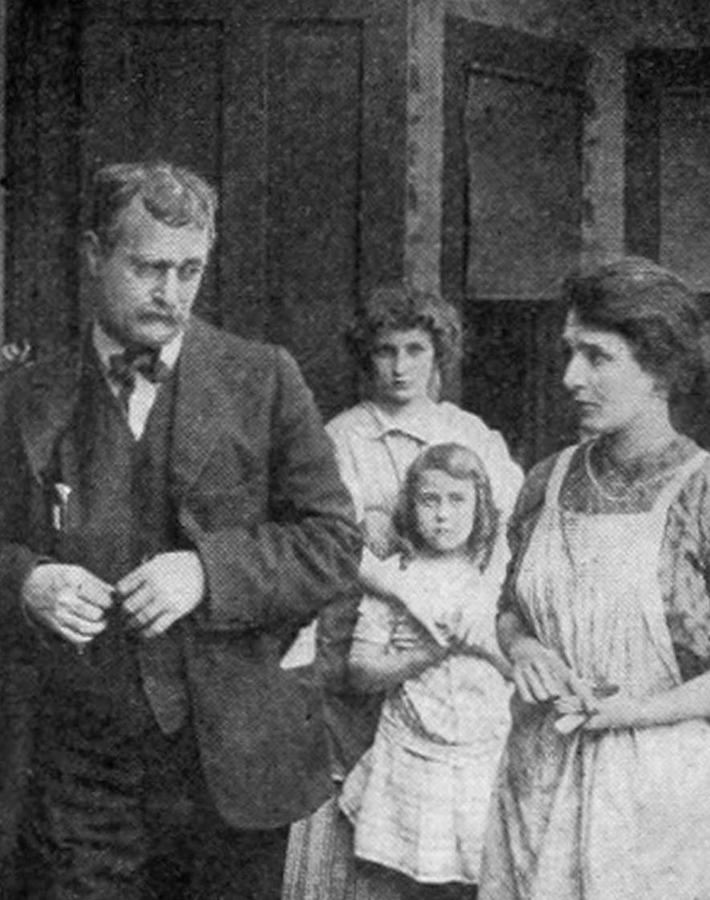
The year 1916 stands as a pivotal moment in the evolution of cinematic grammar, a time when the medium began to transcend its nickelodeon roots and grapple with the complexities of the human condition. In this fertile ground, Acquitted emerged as a stark, unapologetic exploration of the fallibility of justice and the enduring lethality of social stigma. Directed with a burgeoning sense of atmosphere by Tod Browning and penned by the formidable Mary Roberts Rinehart, the film is a haunting precursor to the social realist dramas that would define later decades. It avoids the easy sentimentality of its contemporaries, opting instead for a gritty, almost clinical observation of a man’s systematic dismantling by a society that values perception over proof.
The film opens with an idyllic portrait of the Carter household. Sam De Grasse, an actor of remarkable restraint, portrays John Carter not as a hero, but as an everyman whose primary virtue is his reliability. The suburban cottage, the loving wife, the two daughters—these are the spoils of a life spent in the service of an insurance company. The Easter lily he brings home is a masterstroke of visual symbolism; it is white, pure, and fragile, much like Carter’s own standing in the community. This domestic bliss is not merely a backdrop; it is the stakes of the entire narrative. Unlike the more whimsical themes found in The Hope Chest, Acquitted anchors its stakes in the visceral reality of hunger and homelessness.
When Charles Ryder is murdered, the film shifts gears into a proto-noir. The antagonist is not a mustache-twirling villain, but a 'coke-sniffer' night watchman—a depiction of drug addiction that was remarkably transgressive for 1916. This character serves as a chaotic foil to Carter’s rigid order. The subsequent interrogation of Carter is where Browning’s directorial hand begins to show the shadows that would later define his horror masterpieces. The 'third degree'—a euphemism for police brutality and psychological torture—is presented with a claustrophobic intensity. We see Carter’s composure erode under the relentless pressure of the state. He begins to act guilty not because he is, but because the weight of the accusation is too heavy to bear. This psychological nuance is rarely seen in silent cinema of this era, which often favored broader strokes of emotion.
The intervention of Ned Fowler (Elmer Clifton), the cub reporter, introduces a glimmer of hope, but it also highlights a cynical truth: justice in the world of Acquitted is not a self-correcting mechanism; it requires an external force to nudge it toward the truth. While films like The Redemption of Dave Darcey focus on the internal moral compass of the protagonist, Acquitted is more concerned with the external structures that define a man’s worth.
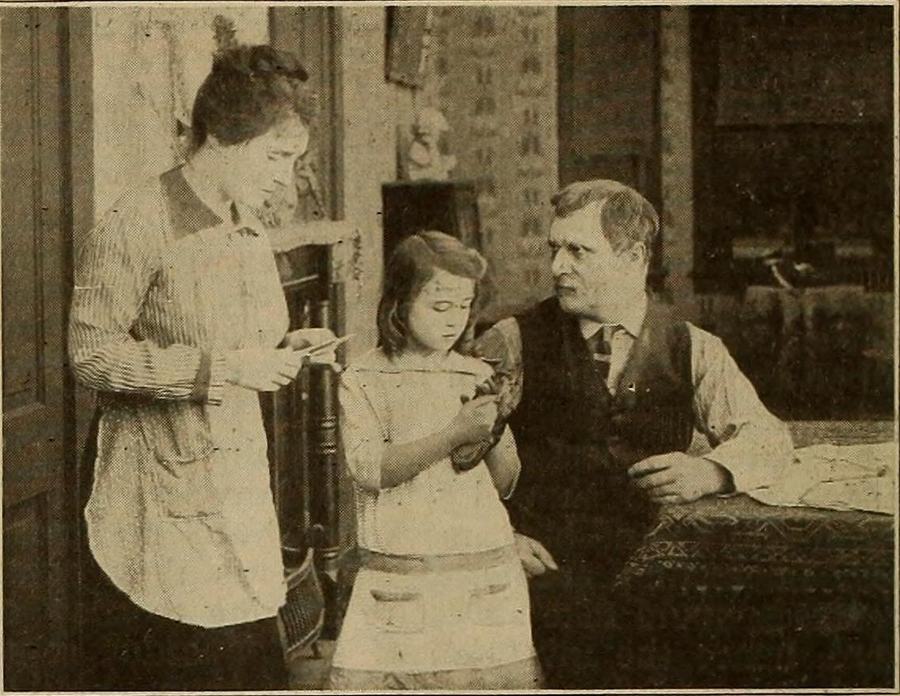
Perhaps the most harrowing segment of the film is the year following Carter’s release. The title of the film itself is an irony; Carter is 'acquitted' by the law, but condemned by the public. Ira Wolcott, the insurance company president, represents the cold pragmatism of capital. His refusal to reinstate Carter due to 'notoriety' is a death sentence in slow motion. We watch as the Carters’ suburban dream is cannibalized. The furniture disappears, the lily withers, and the once-proud bookkeeper is reduced to a shadow of himself. The film’s treatment of ageism is particularly poignant. Carter is not just a man with a tainted name; he is an 'old' man in a world that has no use for the discarded. This theme of being cast out of society’s grace echoes the struggles depicted in Hoodoo Ann, though the tone here is far more somber.
The cinematography during this period of decline is stark. The lighting becomes harsher, the sets more sparse. We feel the encroaching cold of the approaching Easter. The repetition of the holiday serves as a grim marker of time; one year ago, he was a provider; today, he is a liability. The desperation is palpable, leading to the film’s most controversial and emotionally resonant climax.
The scene in the hotel room, where Carter prepares to take his own life so his family can collect his insurance, is a chilling critique of the very industry he served. The insurance policy, meant to protect life, becomes a bounty on his death. This is a dark, existential turn that elevates Acquitted above standard melodrama. It shares a thematic DNA with the desperation found in The Dawn of a Tomorrow, yet it feels more grounded in the mundane horrors of poverty. The way Carter methodically prepares the room—the sealing of the windows, the hiss of the gas—is filmed with a steady, unflinching camera that forces the viewer to confront the logic of his despair.
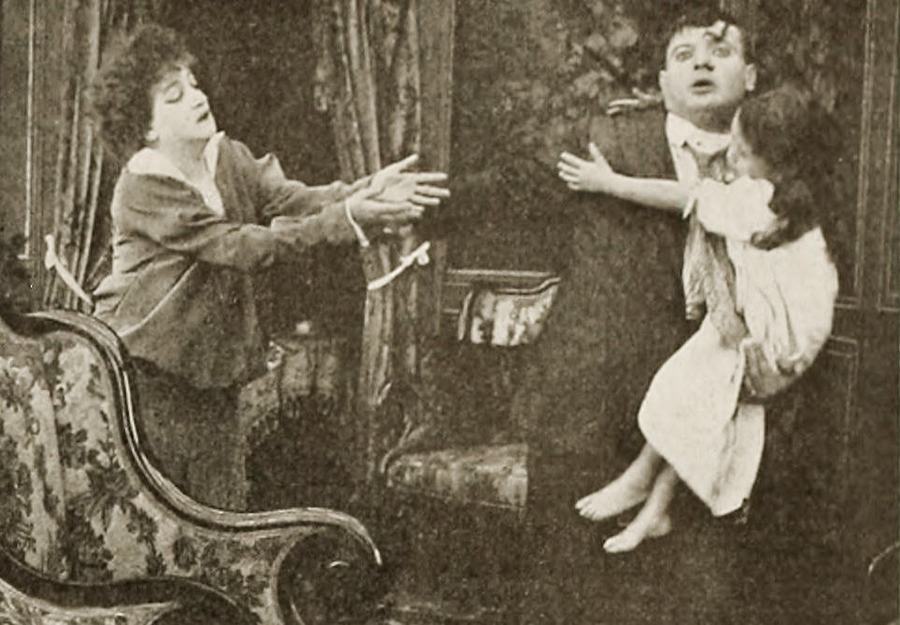
The resolution of the film hinges on a moment of pure serendipity—the kind of narrative device common in 1916 but handled here with a specific thematic purpose. Little Nellie Carter straying into Wolcott’s yard is the catalyst for the film's final movement. 'Baby' Carmen De Rue provides a performance of innocence that contrasts sharply with the cynicism of the adult world. Her presence forces Wolcott to confront the human cost of his corporate decisions. It is not a legal argument that saves Carter, but a moral awakening triggered by the vulnerability of a child. While some might find this ending too convenient, it serves as a necessary counterbalance to the darkness that preceded it. It suggests that while the system is broken, individual empathy can still offer a path to redemption—a sentiment also explored in The Foundling.
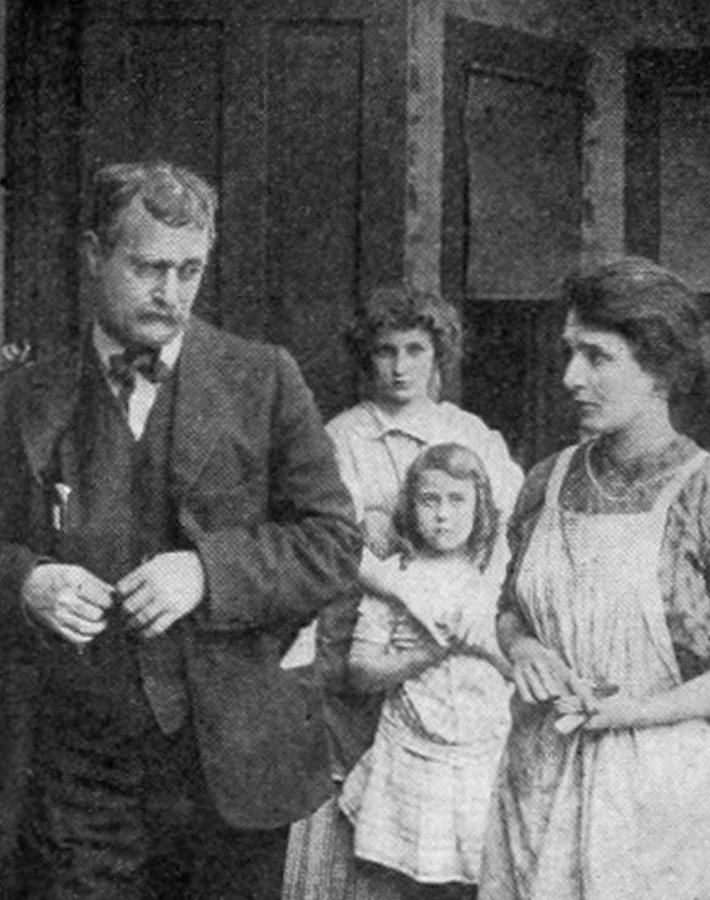
The collaboration between Tod Browning and Mary Roberts Rinehart is a fascinating study in contrasts. Rinehart, known for her intricate plotting and suspense, provides the skeletal structure of a mystery, but Browning infuses it with a sense of dread and psychological depth. The pacing of the film is deliberate, allowing the audience to feel the slow accumulation of Carter's misery. The use of close-ups during the interrogation scenes is particularly effective, capturing the beads of sweat and the flickering eyes of a man being broken. This technical proficiency puts it on par with other high-quality productions of the time, such as Maid o' the Storm or Cavanaugh of the Forest Rangers.
The ensemble cast, including Bessie Love as Helen Carter, delivers performances that are surprisingly modern. Love, in particular, conveys a sense of quiet resilience that anchors the family’s struggle. Her chemistry with Elmer Clifton’s Ned Fowler provides the film’s only romantic subplot, but it is treated with a sobriety that matches the main narrative. Even the smaller roles, like Spottiswoode Aitken’s portrayal of the victim or the various police officers, are played with a realism that avoids the caricatures often found in early silent films like The Man from Mexico.
Acquitted is more than a historical artifact; it is a searing indictment of social hypocrisy that remains uncomfortably relevant. It asks difficult questions: What is the value of a man’s life once his reputation is gone? How does a society atone for a mistake it refuses to acknowledge? While the film ends on a note of reconciliation, the scars on John Carter are clearly visible. The final images of the film, as Helen and Ned become engaged and Carter returns to his desk, are tinted with a bittersweet realization. The suburban cottage is restored, but the innocence that once lived there is gone forever.
In comparison to other films of the era, such as Rosie O'Grady or The Chaperon, Acquitted feels significantly more weighty and intellectually demanding. It does not offer easy escapes. Even the more exotic or tragic narratives like La España trágica o Tierra de sangre lack the specific, grinding domesticity that makes Acquitted so relatable and, by extension, so terrifying. It is a film that demands to be seen not just as an early work of a master director, but as a vital piece of social commentary that used the silent screen to speak volumes about the injustice of the world.
Ultimately, Browning’s work here is a testament to the power of visual storytelling. Without a single spoken word, we understand the full weight of Carter’s despair and the flickering light of his hope. Acquitted stands as a monumental achievement in the Triangle Film Corporation’s catalog, a film that dared to look into the abyss of the American Dream and report back on what it found. For any serious student of cinema or fan of silent drama, it is an essential, if haunting, experience.
IMDb 5.3
1929
Community
Log in to comment.