DbcultAccessing Vault...
Cult Review
Senior Film Conservator
So, I actually sat down and watched Operação Cesariana from 1924. Should you watch it today? Honestly, only if you are a massive history nerd or someone who doesn't get woozy at the sight of a scalpel. If you are the kind of person who closes their eyes during the medical scenes in a modern drama, you should probably stay far away from this one. 🤢
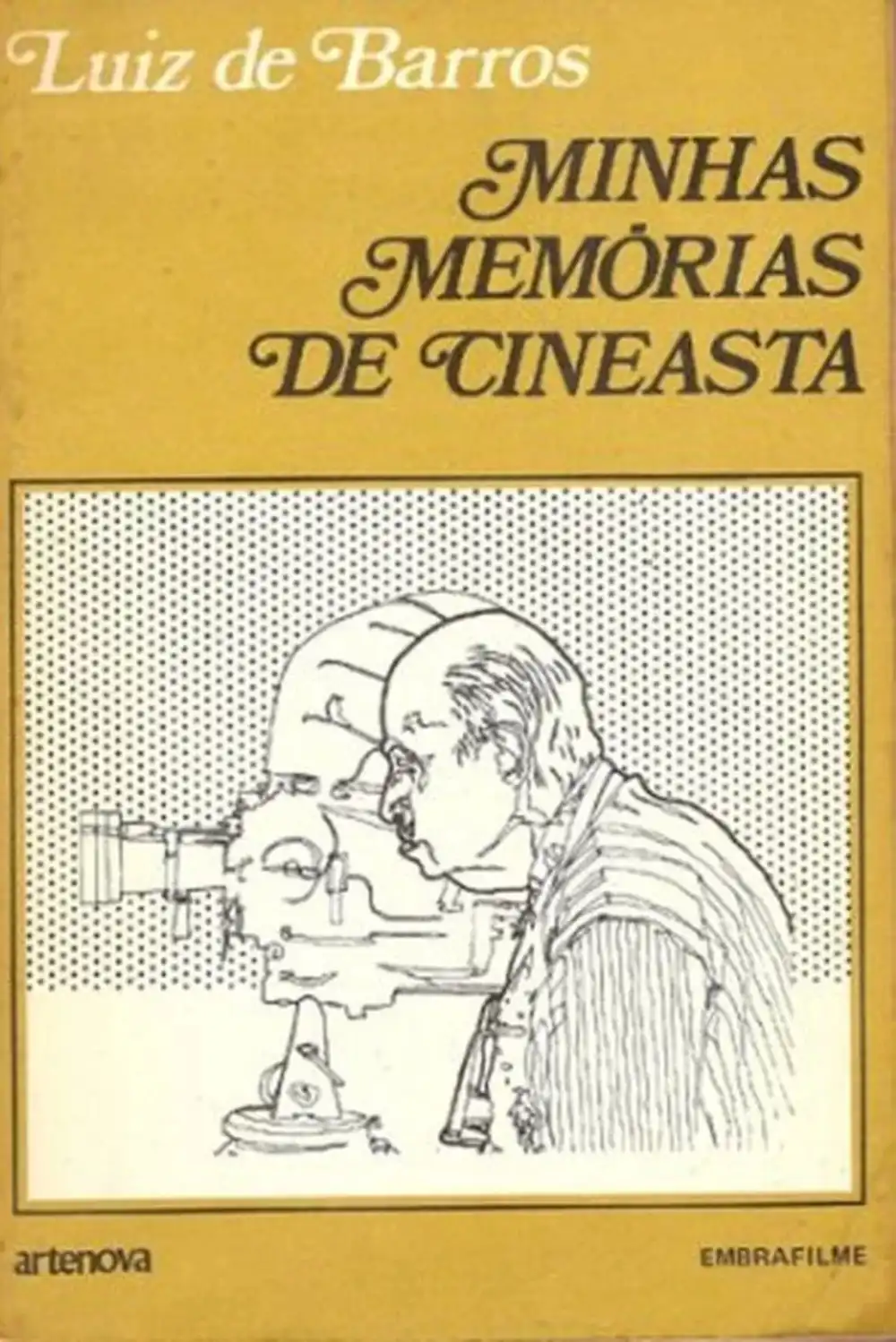
It isn't a 'movie' in the way we usually talk about them on this site. There are no actors, no witty dialogue, and definitely no plot twists. It is a recorded surgery. Luiz de Barros, who was a big deal in Brazilian cinema back then, basically just set up a camera in an operating room and let it roll.
The first thing you notice is the flicker. It is that heavy, rhythmic strobe effect you get with old silent reels that haven't been perfectly restored. It makes the whole thing feel like a fever dream or something you shouldn't be seeing. The lighting is incredibly harsh, like they just shoved a few giant industrial lamps right over the patient's belly.
It’s a huge contrast to the stuff people were usually paying to see in the twenties. If you look at something like A Bedroom Scandal, it’s all about sets and costumes and making things look pretty. Here, everything is just... white. White gowns, white walls, and that weirdly dark black-and-white blood.
The doctors don't look like modern surgeons. They look a bit more like butchers, honestly. They are wearing these heavy gowns and their movements are very fast and efficient. There is no heart monitor beeping in the background to tell you how the patient is doing. It is just the silence of the film and the visual of the work being done.
I found myself staring at a small smudge on the camera lens for about three minutes. It is in the upper right corner and it just stays there while the surgery happens. It’s one of those things that reminds you that this was just a guy with a camera in a room, not a big production. It feels very personal in a weird, uncomfortable way.
The film is quite short, but it feels long because every cut of the scalpel is shown. There is no editing to make it move faster. You are just there. It reminded me a bit of the raw feeling you get in R-1, but without any of the artistic intent. It’s just facts.
I wonder what the audience in 1924 thought of this. Was it shown in theaters? Or just for medical students? It feels like a trophy piece for Brazilian science. De Barros was clearly trying to show that his country was modern and had the latest medical tech. But watching it now, it just feels like a very cold, dusty time machine.
There is a moment when the baby finally appears, and the film grain gets really heavy. It’s a bit blurry and the camera doesn't really zoom in or anything. It just stays back, watching. It’s not 'cute' like a modern birth video. It’s just another step in the procedure.
I actually felt a bit lightheaded about halfway through. The way the black-and-white film handles fluids is strange. Everything looks like dark oil. It doesn't look real, but because you know it is real, it hits you harder. It’s way more intense than the fake drama you get in The Slaver.
There are no closing credits. The film doesn't tell you if the mother was okay or how the baby grew up. It just stops. The screen goes black and you’re left sitting there in your living room feeling very glad for modern anesthesia. It’s a bit of a shock to the system.
If you're bored and want to see something that isn't a comedy like Don't Play Hookey, I guess this is an option. But it’s not 'entertainment.' It’s more like a history lesson that makes your skin crawl a little bit. It’s fascinating, sure, but I don't think I’ll ever watch it again. One time was plenty for my stomach.
The whole thing is just so raw. No music was added to the version I saw, so it was just total silence. You can almost hear the clinking of the tools in your head. It’s a weirdly powerful experience for something so simple. Just... maybe don't watch it while you're eating dinner. 🏥

IMDb 7.2
1932
Community
Log in to comment.