DbcultAccessing Vault...
6.2/10
Senior Film Conservator
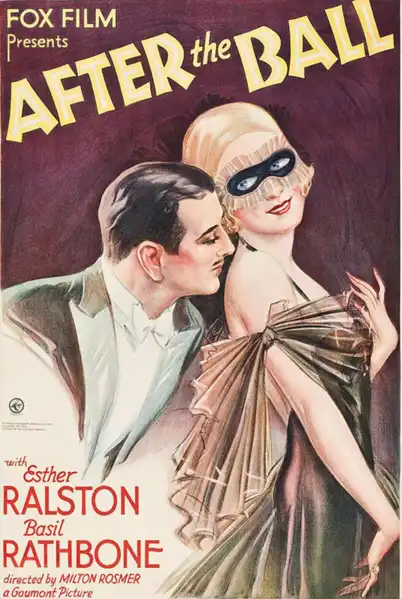
A definitive 6.2/10 rating for a film that redefined the boundaries of cult cinema. After the Ball remains a cornerstone of transgressive art.
Alright, so After the Ball, a 1932 number, is a bit of a peculiar watch today. If you're someone who genuinely enjoys digging into those really old films, especially the ones where the plot feels like a stage play squished onto the screen, you might find some quiet charm here. But for anyone expecting modern pacing or high stakes, you'll probably be checking your watch. It’s a very particular kind of film buff who’ll appreciate this one. 🧐
The whole thing hinges on this diplomat's wife in Geneva, who decides to pretend she's a maid. Why? So she can flirt with a handsome young courier, of course. It’s the kind of premise that only really flies in a 1930s screwball adjacent comedy, even if this one doesn't quite hit 'screwball' speeds.
Esther Ralston, as the diplomat's wife, does her best with the whole 'disguised maid' thing. There are moments where you can almost see her trying to find the humor in it all, but the script often feels a little stiff. It's like watching someone tell a joke they’ve already told a hundred times.
Then there's Basil Rathbone, playing the aforementioned courier. He's got that undeniable charisma, even early on in his career. He brings a certain elegance to what could have been a very forgettable part. You can see why the diplomat's wife would be drawn to him, even if his character isn't given much to do beyond being charming.
There's a scene, I remember, where she's trying to serve tea, and it's just this *whole ordeal* with the tray and the tiny cups. It's meant to be funny, I guess, her trying to be graceful while being totally out of her element. But it just drags. You can almost feel the movie trying to convince you this moment matters. ☕
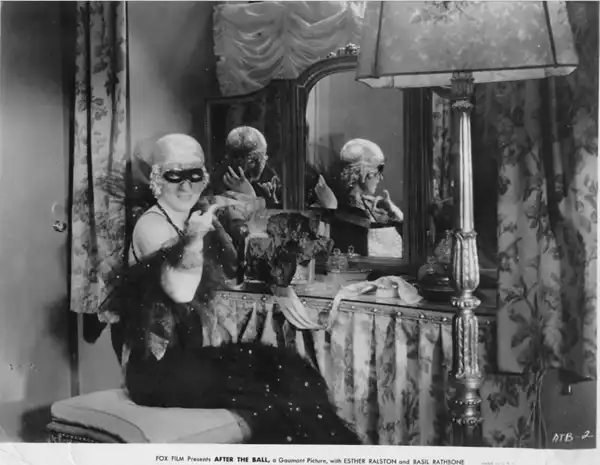
The diplomat husband, played by Clifford Heatherley, is largely oblivious, which is convenient for the plot. He mostly just wanders around looking important and occasionally confused. His reactions are so understated, it’s hard to tell if he’s a terrible actor or if his character is just meant to be that detached.
One small thing I noticed: the sets. They're very much of their time, all grand and a bit too perfect. You get a lot of shots of ornate doorways and lavish but strangely empty rooms. It gives the feeling that Geneva is populated by about six people, total. Like they had a budget for fancy wallpaper but not for extras. 🤷♀️
The movie gets noticeably better when Rathbone and Ralston are actually on screen together, bouncing lines off each other. Their chemistry, while not exactly *sizzling*, is the most alive part of the film. You just wish there was more of it, and less of the other characters trying to figure out what's going on.
Pacing is definitely a thing here. It's a slow burn, but without much actual burn. There are long stretches where not much happens, just people talking in drawing rooms. It really makes you appreciate how much film editing has changed. This isn't like, say, Gold Dust Gertie which, for its time, had a bit more snap. That one at least felt like it was going somewhere fast.
The ending, well, it ties things up neatly, as these films usually do. But it feels a little too rushed, considering how leisurely the rest of the movie unfolds. You spend an hour and a bit watching this slow dance, and then suddenly, bam, resolution. It's a bit jarring. 🎢
Ultimately, After the Ball is a curio. It’s not profound, it’s not particularly exciting, but it’s a window into early talkies. It’s the kind of film you put on if you're working on a puzzle or folding laundry, just to have something gently old-fashioned playing in the background. Don't expect to be blown away, but don't expect to be actively offended either. It just… is. And for some, that's enough.
IMDb 7.7
1916
Community
Log in to comment.