DbcultAccessing Vault...
5.6/10
Senior Film Conservator
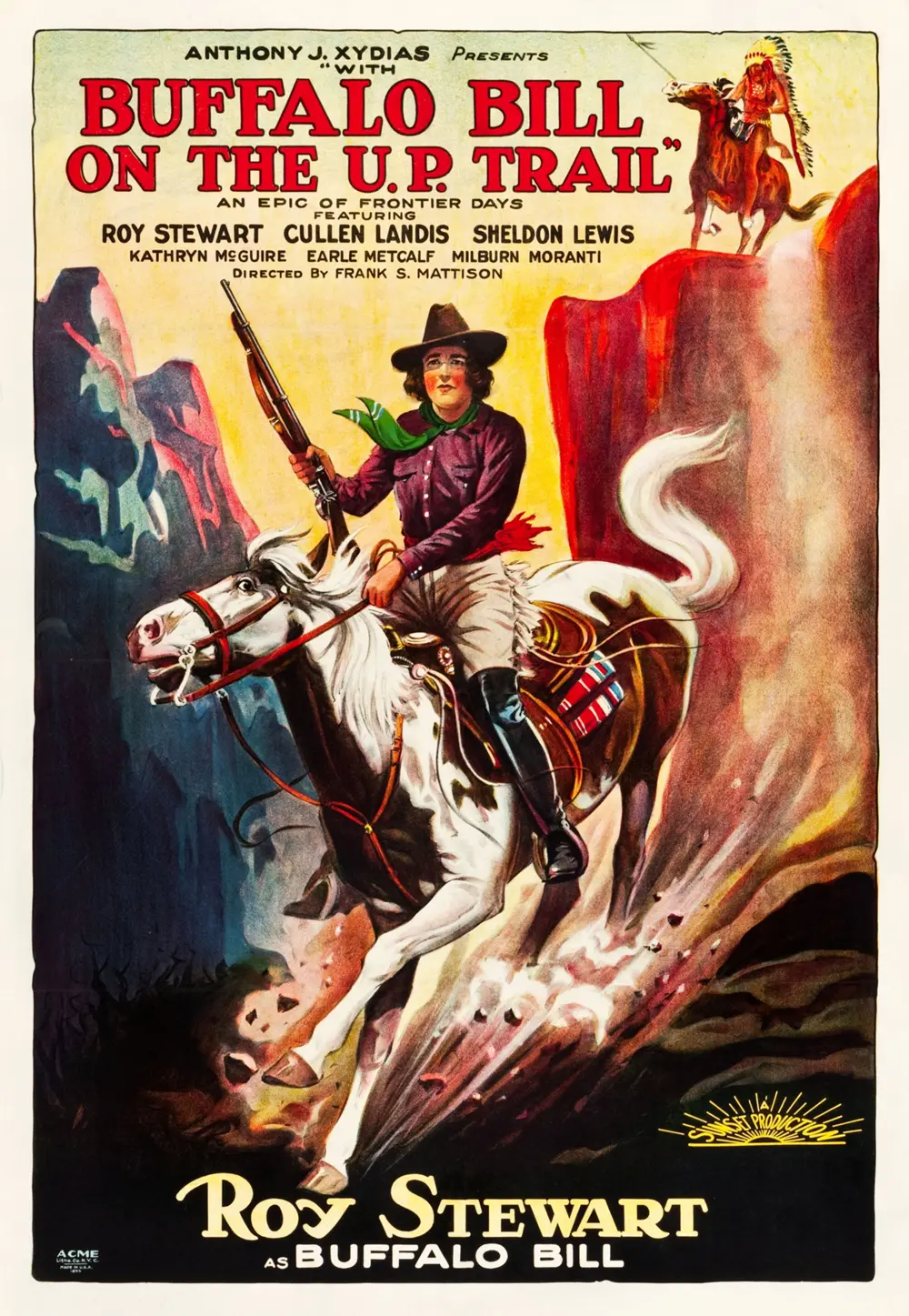
A definitive 5.6/10 rating for a film that redefined the boundaries of cult cinema. With Buffalo Bill on the U. P. Trail remains a cornerstone of transgressive art.
Short answer: Yes, but it’s flawed and not for everyone. This captivating blend of adventure and moral dilemmas in the American West will challenge your perceptions of justice and redemption.
This film works because it delves into the morally ambiguous realms of the American West, presenting a nuanced portrayal of a character whose actions are both commendable and questionable. The performances, especially Milburn Morante’s portrayal of Buffalo Bill, are standout elements that ground the story in realism. However, the film fails because its pacing can be uneven and its historical context occasionally feels overly didactic. You should watch it if you’re interested in a film that challenges your views on moral integrity and the complexities of human nature.
It works. But it’s flawed. It’s not for everyone, but it’s worth watching for those interested in a morally complex narrative set against the backdrop of the American West.
Buffalo Bill, played by Milburn Morante, is a multifaceted character whose actions challenge the viewer’s sense of right and wrong. His interactions with a Native American and a runaway slave are powerful and thought-provoking. The film’s pacing, while occasionally uneven, manages to maintain a sense of urgency and tension, propelling the story forward. The supporting cast, including Earl Metcalfe, Dick La Reno, and Fred DeSilva, delivers nuanced performances that deepen the story’s emotional resonance. The blend of adventure and moral dilemmas creates a compelling narrative that resonates with contemporary issues of justice and redemption.
The film’s historical context occasionally feels overly didactic, with moments that feel more like lessons than engaging storytelling. The uneven pacing can be jarring, with some scenes feeling rushed while others drag. The film’s attempts at providing a nuanced portrayal of the time period sometimes fall flat, failing to fully immerse the viewer in the world it tries to create.
You should watch this film if you’re interested in a morally complex narrative set against the backdrop of the American West. It challenges your perceptions of justice and redemption through its multifaceted characters and thought-provoking plot. It’s not for everyone, but for those interested in a film that delves into the complexities of human nature, it offers a rewarding experience.
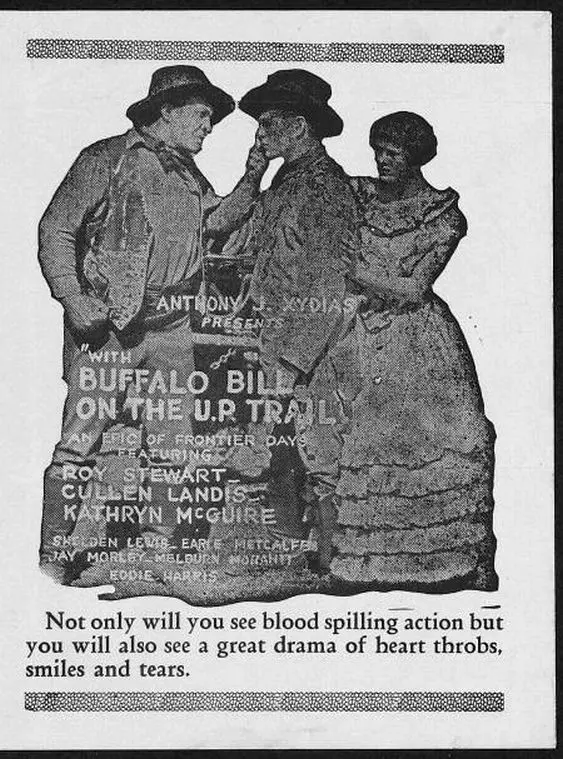
Milburn Morante’s portrayal of Buffalo Bill is the film’s strongest asset. His performance is nuanced and compelling, capturing the character’s moral ambiguity and the internal struggle between doing what is right and what is expected. Earl Metcalfe and Dick La Reno deliver solid supporting performances, bringing depth to their characters and enhancing the film’s emotional resonance. Fred DeSilva, as the antagonist, provides a formidable presence, adding tension and conflict to the story.
Earl D. Ivey’s direction is competent, but there are moments where the film’s pacing feels uneven. The film’s blend of action and drama is effectively executed, but some scenes feel rushed, while others drag. The cinematography, by Charles Rosher, captures the harsh and unforgiving landscape of the American West, providing a visual backdrop that enhances the film’s atmosphere.
Charles Rosher’s cinematography is a standout element of the film. The visuals are stark and evocative, capturing the harsh landscape and the characters’ emotional states. The use of lighting and composition effectively conveys the film’s themes of morality and redemption. However, the film’s historical context occasionally feels overly didactic, with moments that feel more like lessons than engaging storytelling. The uneven pacing can be jarring, with some scenes feeling rushed while others drag.
The film’s pacing is inconsistent, with some scenes feeling rushed while others drag. This can be jarring and disrupts the flow of the narrative. However, the film’s blend of adventure and moral dilemmas creates a compelling narrative that resonates with contemporary issues of justice and redemption. The film’s attempts at providing a nuanced portrayal of the time period sometimes fall flat, failing to fully immerse the viewer in the world it tries to create.
The film’s tone is a mix of adventure and moral ambiguity. The characters’ actions are often morally complex, and the film explores the nuances of right and wrong. The film’s blend of action and drama is effectively executed, but some scenes feel rushed, while others drag. The film’s historical context occasionally feels overly didactic, with moments that feel more like lessons than engaging storytelling. The uneven pacing can be jarring, with some scenes feeling rushed while others drag.
Overall, 'With Buffalo Bill on the U. P. Trail' is a thought-provoking film that challenges your perceptions of justice and redemption through its multifaceted characters and thought-provoking plot. While it has its flaws, it offers a rewarding experience for those interested in a morally complex narrative set against the backdrop of the American West.
IMDb 7.1
1928
Community
Log in to comment.