DbcultAccessing Vault...
Cult Review
Senior Film Conservator
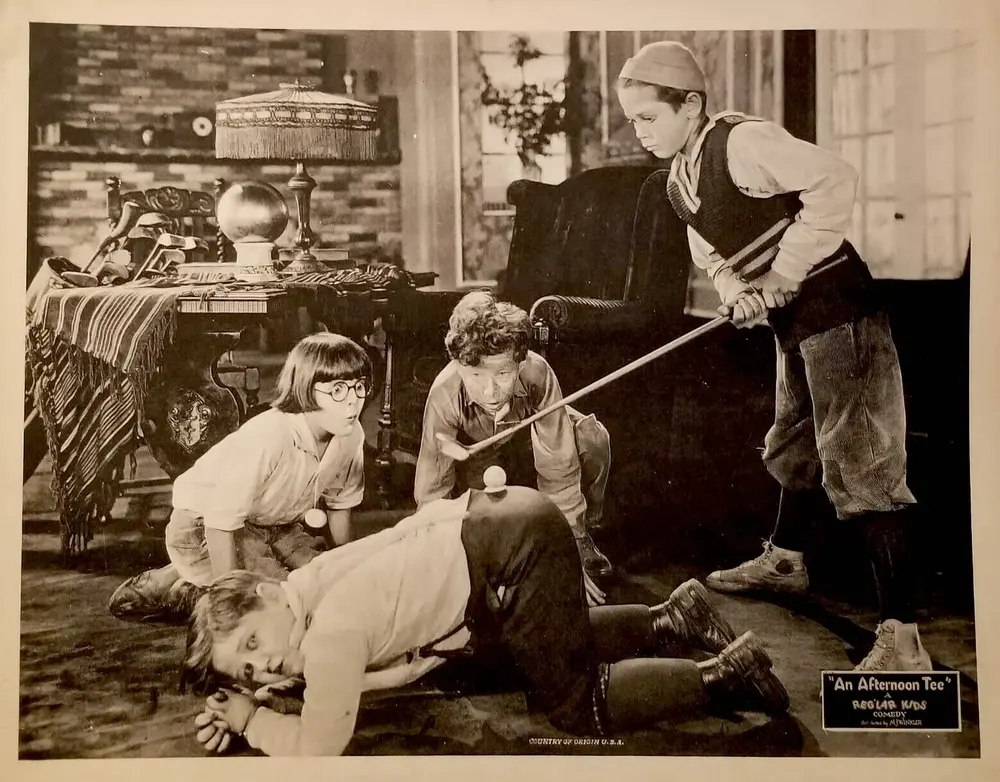
Step into the world of 'Afternoon Tee,' a film that masterfully intertwines the lives of its characters with a delicate, almost painterly narrative. Directed with an artist’s eye, this film is a testament to the power of storytelling and the depth of human connection.

The story follows Turner Savage, played with remarkable intensity by the talented Johnny Downs, as he grapples with the complexities of his relationships and the town’s expectations. The supporting cast, including Maxine Tabnac, Eugene Jackson, and Buddy Williams, each bring a layer of nuance and depth that enhances the fabric of the narrative.
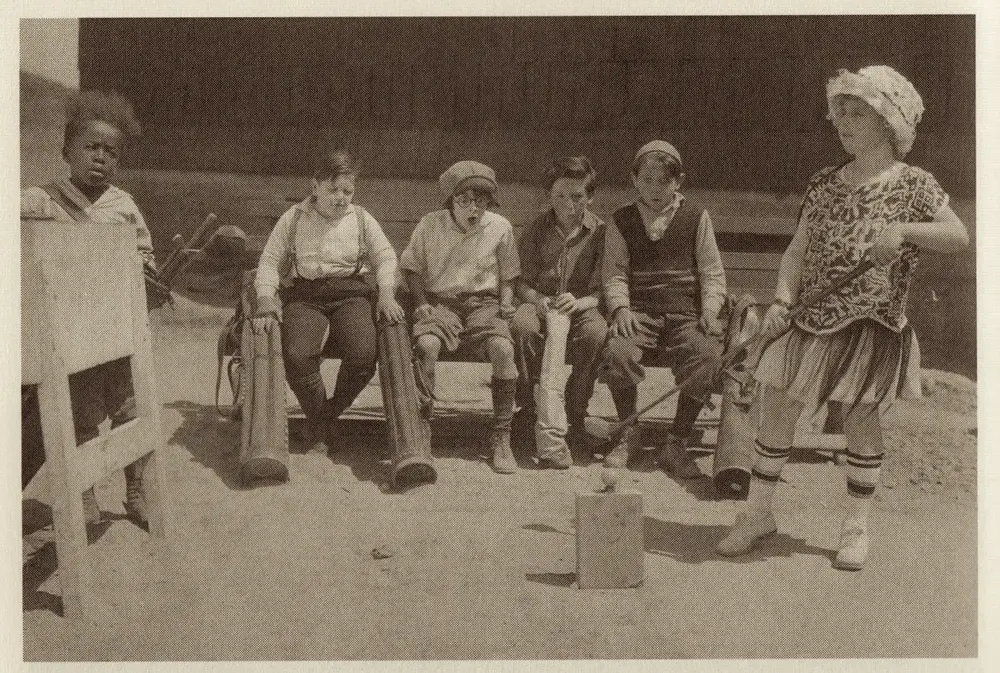
The film’s setting in a small Southern town is not merely a backdrop but a character in its own right. The subtle details of the landscape, from the rustling leaves to the distant echo of a church bell, are used to underscore the emotional landscape of the protagonists. This attention to detail is reminiscent of 'Kennedy Square,' but 'Afternoon Tee' takes a more introspective and internal journey, focusing on the inner lives of its characters.
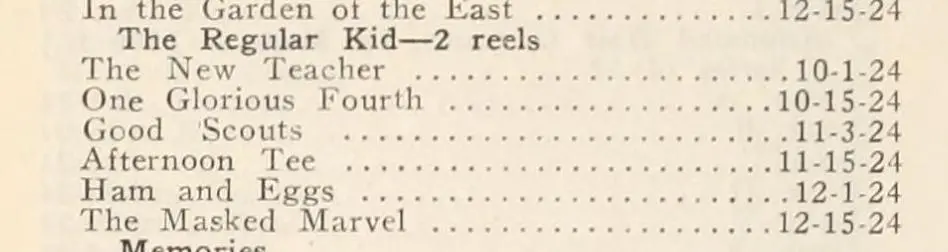
The screenplay, penned with precision and sensitivity, is a masterpiece in its own right. The dialogue is rich with subtext, allowing the audience to uncover the unspoken desires and fears that drive the characters. The script is a delicate balance of humor and sorrow, with moments of profound emotional resonance that linger long after the credits roll.
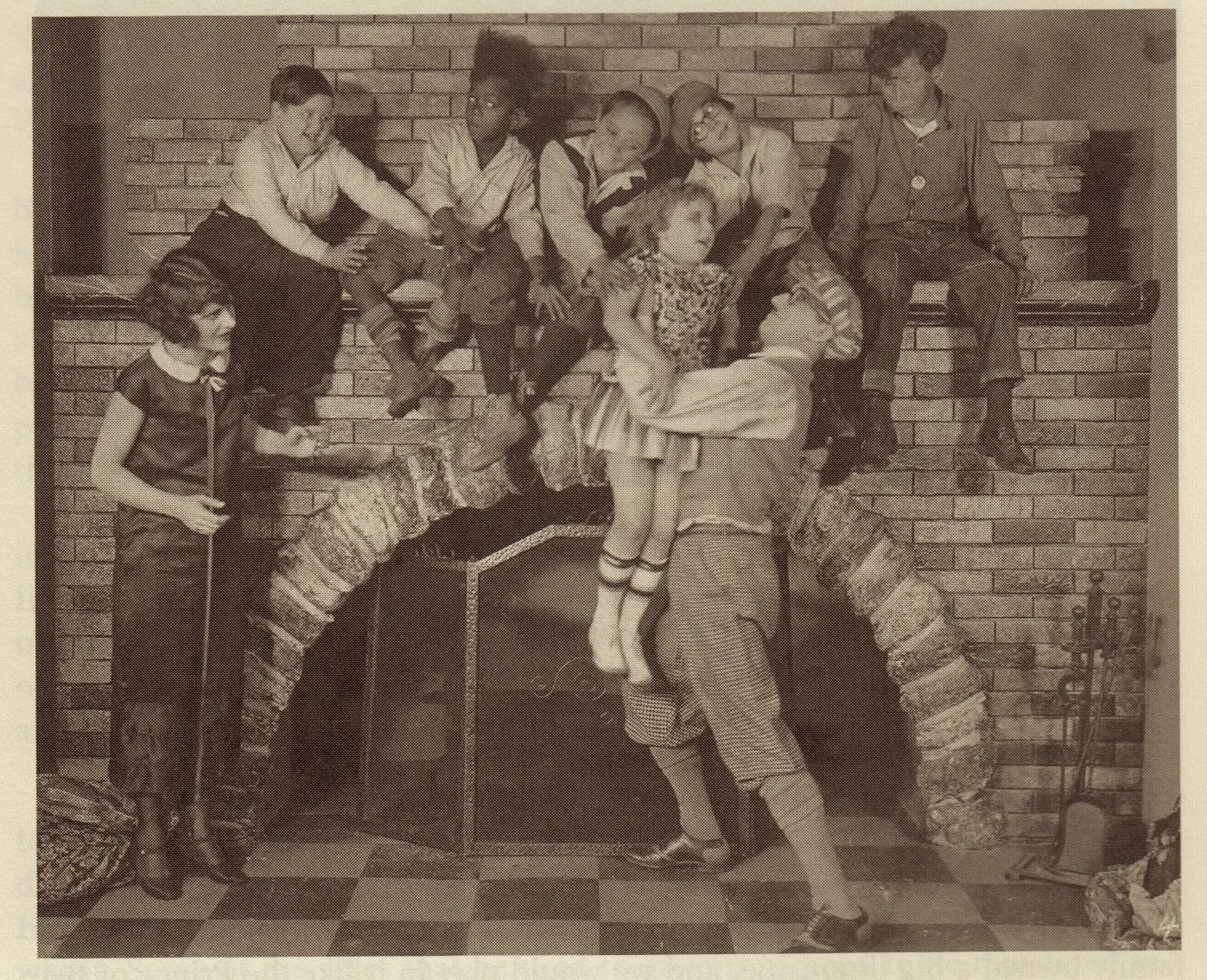
The performances are uniformly strong, with Johnny Downs delivering a tour de force as Turner Savage. His portrayal is nuanced and layered, capturing the character’s journey from a place of confusion and uncertainty to one of clarity and acceptance. Maxine Tabnac, Eugene Jackson, and Buddy Williams all bring their own unique flavors to the ensemble, creating a tapestry of characters that feel authentic and relatable.
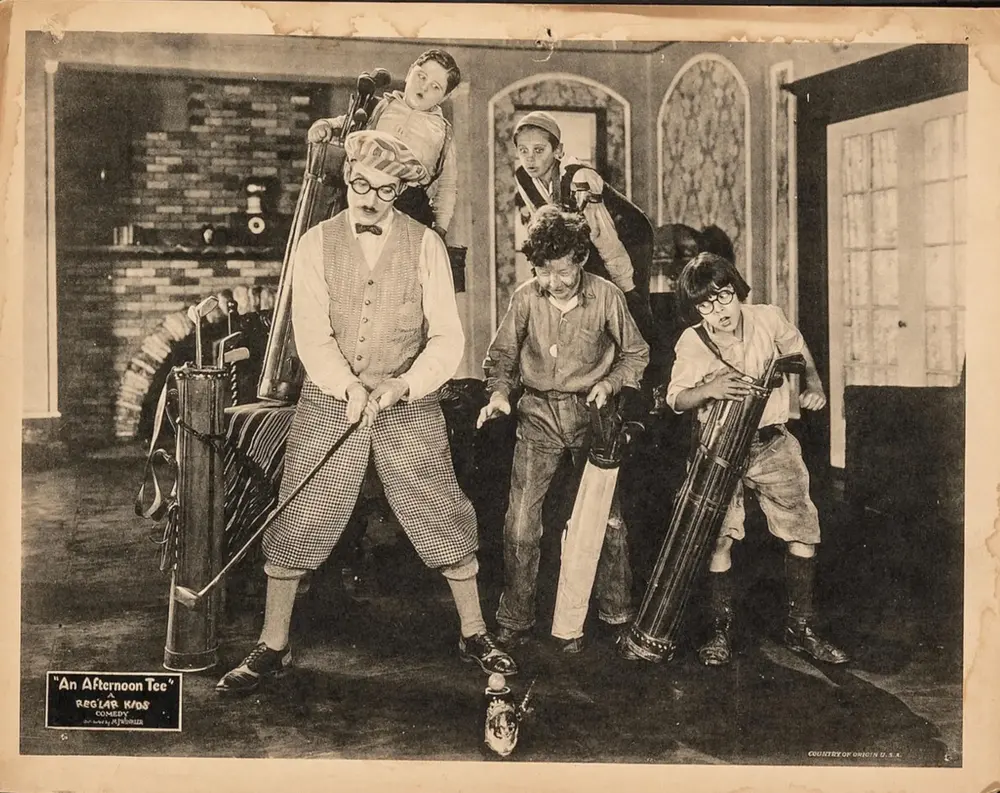
The direction by an unnamed writer, while not overtly flashy, is triumphantly effective. The pacing is impeccable, allowing the audience to fully immerse themselves in the story. The visual style is understated yet evocative, with a color palette that shifts subtly to reflect the emotional undertones of the scenes. The use of natural lighting and picturesque landscapes contributes to a sense of authenticity and place, grounding the narrative in a specific time and setting.
The supporting filmmaking elements are equally impressive. The cinematography by an unnamed cinematographer captures the essence of the characters and the environment with a painterly eye. The score, composed by an unnamed musician, weaves seamlessly through the film, enhancing the emotional weight of key moments without overpowering the narrative. The sound design is meticulous, with a balance of silence and sound that heightens the impact of the story.
While 'Afternoon Tee' is a standout in its genre, it is worth comparing it to films like 'The Drivin' Fool' for its exploration of character and narrative depth, and 'Her Hour' for its subtle and poignant storytelling. Yet, it stands on its own as a unique and powerful work of art. The film’s ability to explore complex themes with a delicate touch is a testament to its writer’s skill and the director’s vision.
In conclusion, 'Afternoon Tee' is a film that invites deep reflection and emotional engagement. It is a rare gem in cinema that not only entertains but also challenges and inspires. Whether you are a fan of character-driven narratives or a lover of Southern storytelling, this film is a must-see. It is a reminder of the power of cinema to bring us closer to our own hearts and the hearts of those around us.
IMDb —
1918
Community
Log in to comment.