DbcultAccessing Vault...
6.2/10
Senior Film Conservator
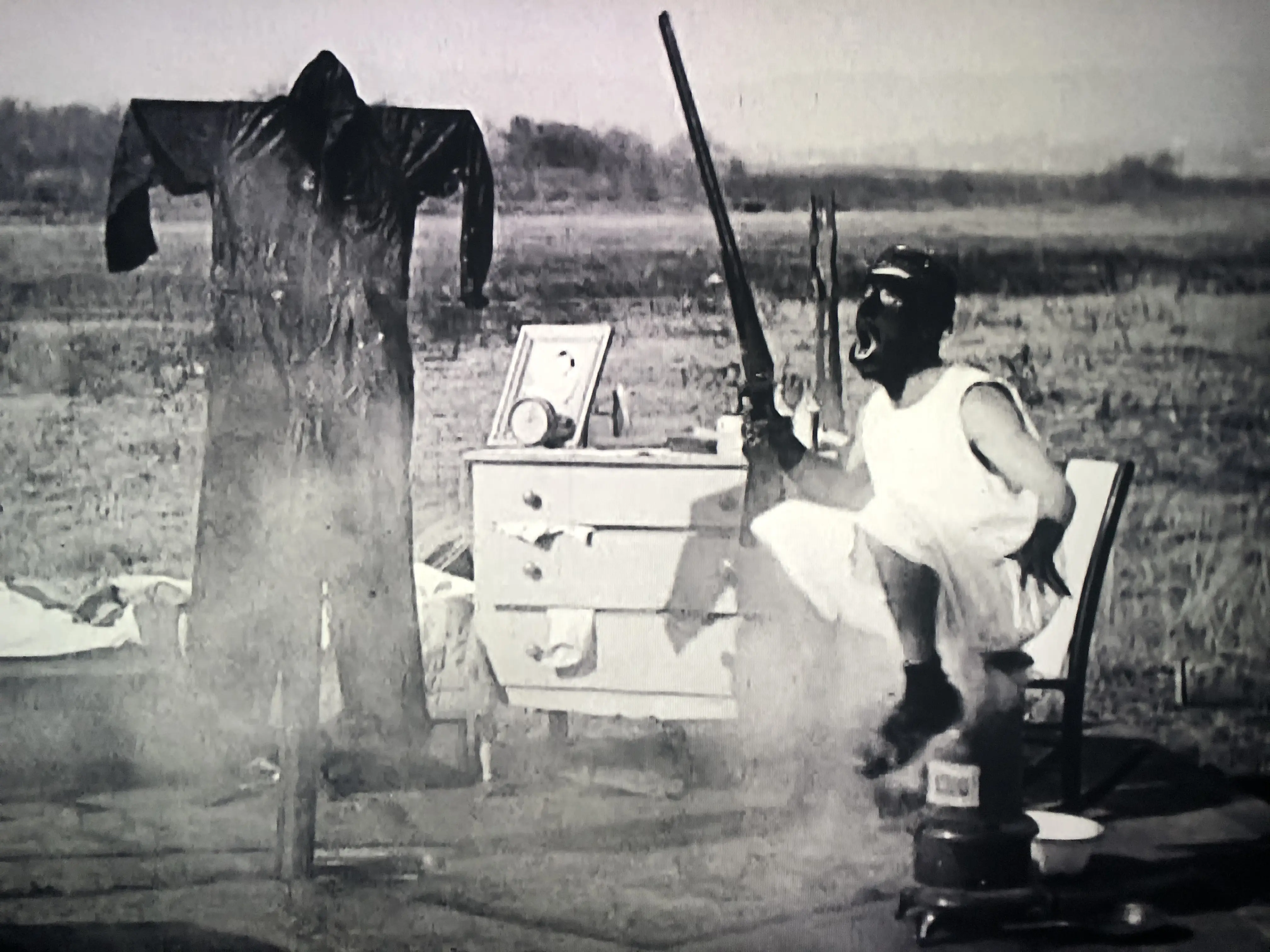
A definitive 6.2/10 rating for a film that redefined the boundaries of cult cinema. Air Tight remains a cornerstone of transgressive art.
Is Air Tight worth watching today? Short answer: yes, but with significant caveats. This early short film offers a fascinating glimpse into the nascent stages of cinematic comedy and the art of physical performance, making it a compelling watch for specific audiences. It is unequivocally for enthusiasts of early cinema, silent film aficionados, and anyone curious about the foundational elements of slapstick and visual storytelling. Conversely, it is decidedly not for viewers seeking modern pacing, intricate plotlines, or deep character studies, as its simplicity, while charming, can feel rudimentary by contemporary standards.
This film works because it masterfully leverages the inherent comedic and dramatic potential of a simple, high-stakes premise: a man terrified of heights stuck in the air. Its reliance on physical comedy and Eddie Baker's expressive performance transcends the limitations of silent film, communicating panic and desperation effectively.
This film fails because its brevity and the technological constraints of its era limit the depth of character development and narrative sophistication. The resolution, while fitting for a short, might feel abrupt or simplistic to modern audiences accustomed to more elaborate conclusions.
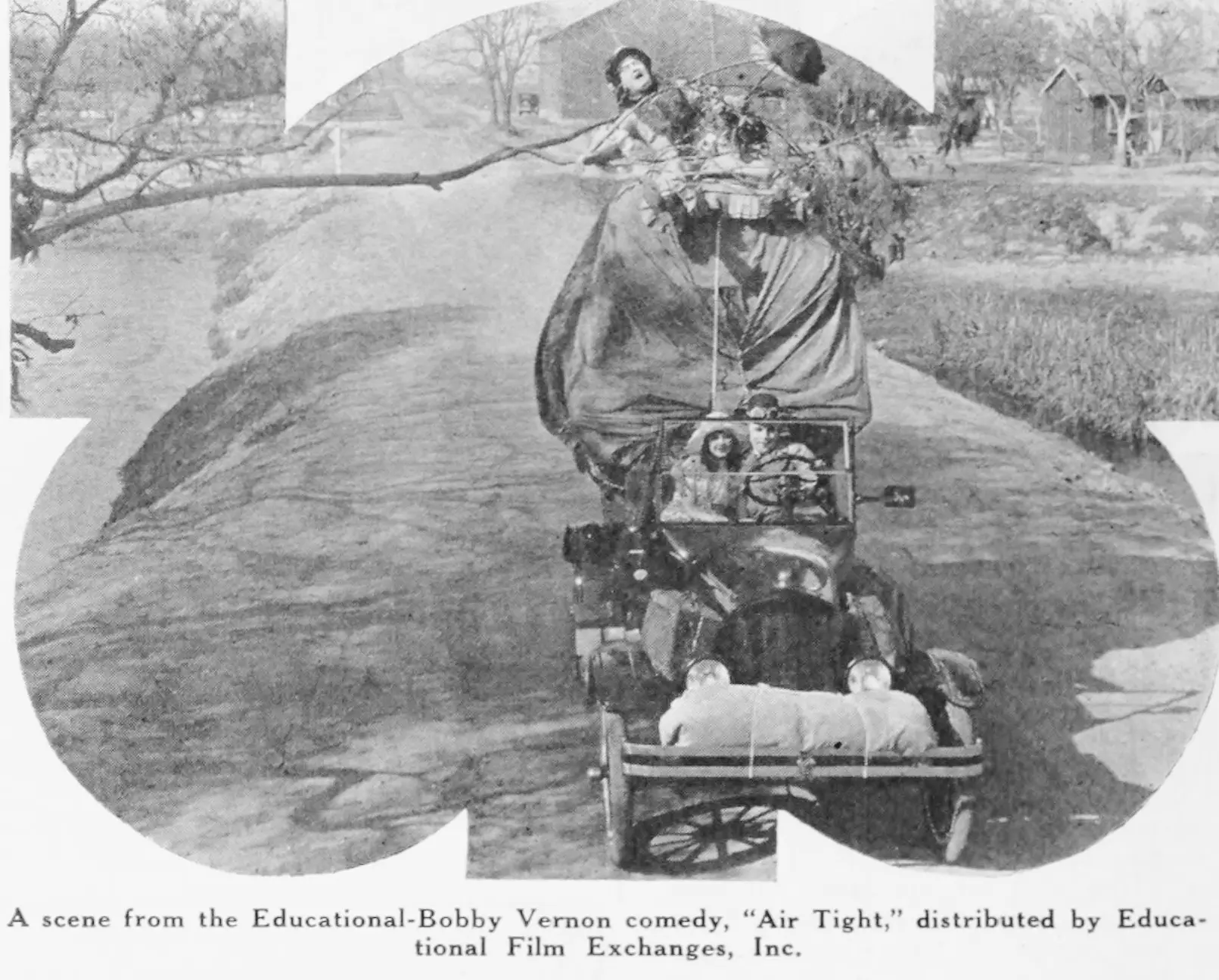
You should watch it if you appreciate the historical context of cinema, enjoy classic physical comedy, or are fascinated by how early filmmakers tackled universal fears with limited resources. It’s a valuable piece of film history, offering genuine laughs and a surprising degree of tension for its runtime.
At its core, Air Tight is a high-concept, low-tech thrill ride. The premise is deceptively simple: a man, portrayed by Eddie Baker, possesses an intense, almost pathological fear of flight. He is, by all accounts, a creature of the ground, finding solace only on solid earth. This established character trait immediately sets the stage for dramatic irony and comedic potential, a classic setup that has endured throughout cinematic history. The film wastes no time in plunging him into his worst nightmare.
The inciting incident is a delightful piece of slapstick causality: a bumbling ground crew, in a moment of cinematic ineptitude, attaches the wrong glider to be launched. Unbeknownst to them, or to Baker, he is now an unwitting passenger on a one-way trip upwards. This accidental ascent is the film's central conceit, and it's executed with a charming simplicity that bypasses complex exposition, opting instead for immediate, visual impact.
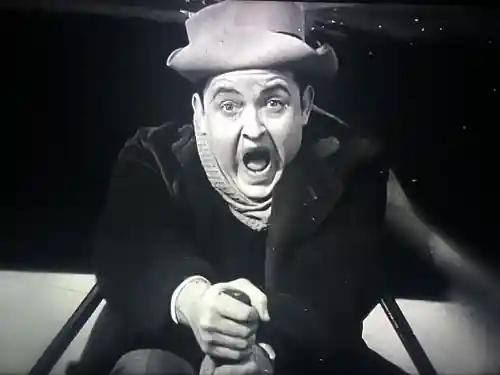
Once airborne, Baker's character succumbs to a series of increasingly exaggerated panic attacks. This is where the silent film era truly shines, relying on the actor's physical prowess and facial expressions to convey internal turmoil. Below, his friends – including Ward Caulfield, Charlotte Stevens, Bobby Vernon, and Carl Harbaugh – become a frantic ensemble. Their mission: to bring their terrified companion back to terra firma. Their methods, however, are a masterclass in well-intentioned but ultimately futile ingenuity, providing much of the film's comedic relief.
Eddie Baker's performance is the undisputed focal point of Air Tight. As the man thrust into an aerial nightmare, Baker doesn't merely act; he embodies terror. His wide, bugged-out eyes, the frantic flailing of his limbs against the confines of the glider, the way his body seems to shrink into itself against the vastness of the sky – these are not subtle gestures. They are broad, theatrical strokes, perfectly calibrated for the silent era's need for overt expression. One particular shot, where his face is framed against the dizzying expanse, his mouth agape in a silent scream, is a masterclass in conveying raw, unadulterated panic without a single spoken word.
Baker's physicality is not just about fear; it's also inherently comedic. The sheer desperation, the almost cartoonish attempts to escape a situation he cannot control, elicit genuine laughs. This blend of genuine anxiety and physical comedy is a delicate balance, and Baker navigates it with an impressive command of his craft. He makes the audience feel both his character's plight and the absurdity of his predicament, a testament to his understanding of silent film mechanics.
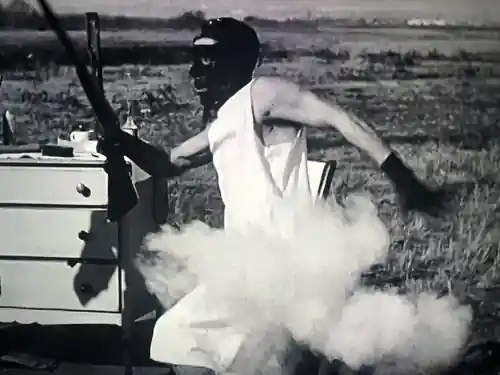
The supporting cast, while less central, provides crucial grounding (pun intended) for the narrative. Ward Caulfield, Charlotte Stevens, Bobby Vernon, and Carl Harbaugh portray the friends below, a motley crew of well-meaning but often inept individuals. Their reactions range from concern to exasperation, and their collective efforts to rescue Baker are a series of increasingly desperate, and often hilarious, misfires. Their earthbound scrambling provides a stark, comedic contrast to Baker's aerial torment. For instance, a scene where they attempt to coincidentally find a giant trampoline that is comically too small or too far away highlights the film's commitment to visual gags.
Director Raymond Ross, with a sparse script from Raymond Ross himself (a common practice in early shorts), demonstrates a keen understanding of how to maximize tension and comedy within a limited runtime. The pacing of Air Tight is remarkably efficient. Every shot serves a purpose, whether to establish Baker's fear, show his airborne predicament, or illustrate the frantic efforts of his friends below. There's no wasted motion, which is crucial for a short film aiming to make an immediate impact.
Ross effectively builds tension through simple yet effective visual techniques. The repeated cuts between Baker's terrified face and the vast, empty sky emphasize his isolation and helplessness. The ground-level shots, often showing the friends looking up in despair or frantically gesturing, further underscore the enormous distance between him and safety. This creates a compelling sense of peril, even in a film primarily designed for laughs.
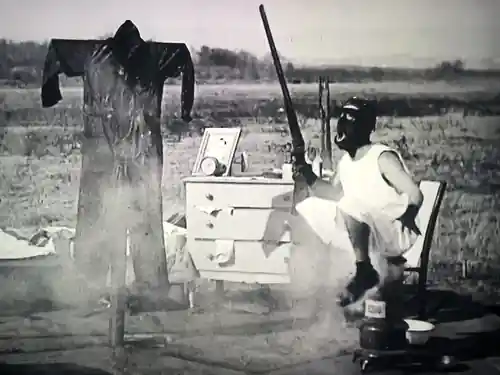
Perhaps the film's greatest strength, paradoxically, lies in its very simplicity, a testament to an era less burdened by narrative convolution. Ross understands that the core appeal is the universal fear of heights and the inherent comedy in a man out of his element. He doesn't overcomplicate the plot or character motivations, choosing instead to focus on the visceral reactions and the escalating absurdity of the situation. This direct approach ensures the film remains engaging despite its age.
The cinematography, though rudimentary by today's standards, is surprisingly effective in conveying the film's central conflict. The use of practical effects and clever camera angles to simulate height is commendable for the era. Shots of Baker in the glider, often framed against a clear sky, give a genuine sense of elevation and exposure. While not employing the sophisticated visual language of later aerial films, the simple framing communicates the vastness and the protagonist's vulnerability.
The visual contrast between the small, isolated glider and the bustling, if bumbling, activity on the ground is key. This juxtaposition isn't just comedic; it reinforces the theme of isolation and the seemingly insurmountable challenge of rescue. The film relies heavily on visual gags, such as the friends' increasingly elaborate and often failing rescue attempts. One could argue the film inadvertently highlights the dangers of incompetence, as the entire predicament stems from a ground crew error, making their subsequent rescue attempts a form of karmic penance.
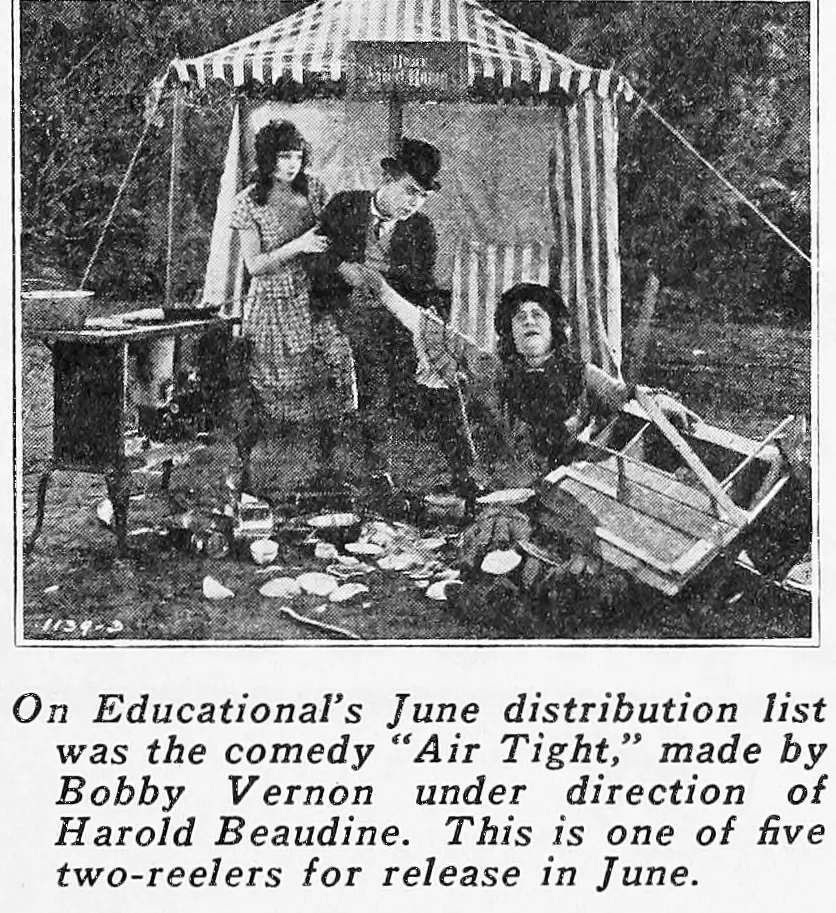
The limitations of early cinema often forced filmmakers to be more inventive, and Air Tight is a fine example of this. Without dialogue, every visual cue, every facial expression, every movement had to carry meaning. The film's visual storytelling is direct and unambiguous, ensuring that even a modern audience, accustomed to complex narratives, can easily follow and appreciate the predicament and the ensuing chaos.
Air Tight firmly plants itself in the realm of silent comedy, but it possesses an underlying current of genuine suspense. The humor is primarily derived from slapstick and situational irony. Baker's exaggerated panic, the friends' farcical rescue plans, and the overall absurdity of the accidental flight all contribute to a lighthearted, comedic tone. It shares a certain DNA with other early comedies like A Friendly Husband in its domestic (or rather, local) absurdity, though the stakes here are considerably higher.
However, to dismiss it purely as comedy would be to overlook the effective, albeit brief, moments of genuine anxiety. Baker's performance ensures that his fear feels real, even as his reactions are played for laughs. This delicate balance prevents the film from becoming purely farcical, lending a surprising degree of emotional weight to the protagonist's predicament. It’s a testament to the power of visual storytelling that a simple short can evoke both chuckles and a slight knot of tension in the viewer.
The film's tone is consistently engaging, never lingering too long on either the comedic or the suspenseful aspects, but rather weaving them together. This ensures that the viewer remains invested in Baker's fate while also being entertained by the escalating hijinks. It works. But it’s flawed. The brevity sometimes means that potential for deeper exploration of the phobia is left untapped, a concession to the format rather than a creative choice.
Yes, Air Tight is absolutely worth watching, particularly for specific audiences. It serves as an excellent artifact for anyone studying the evolution of film, the mechanics of silent comedy, or the art of physical performance. For those with a casual interest in cinema history, it provides an accessible and entertaining entry point into the silent era, showcasing how effective storytelling can be without spoken dialogue.
However, it's crucial to set expectations. This is a short film from an earlier era, and its conventions are vastly different from contemporary cinema. Viewers accustomed to intricate plots, rapid-fire dialogue, and sophisticated special effects might find its simplicity challenging. Its charm lies in its unpretentiousness and its reliance on universal human fears and comedic situations rather than complex character arcs or groundbreaking visuals.
Ultimately, Air Tight is more than just a historical curiosity; it’s a genuinely engaging piece of early cinema that still manages to elicit laughs and a sense of peril. It reminds us that fundamental storytelling principles, like a relatable predicament and strong physical performances, are timeless.
Air Tight is a delightful, if fleeting, journey into the comedic and anxious heart of early cinema. It’s a testament to the enduring power of a simple idea executed with conviction and a strong central performance. While it won't redefine your cinematic palate or challenge your intellectual faculties, it offers a charming and surprisingly effective glimpse into a bygone era of storytelling. It’s a film that earns its place in the annals of shorts, not as a groundbreaking epic, but as a perfectly formed, genuinely entertaining piece of its time. Seek it out if you appreciate film history and a good, old-fashioned laugh at someone else's aerial misfortune. It might just surprise you with its enduring appeal.

IMDb 7
1933
Community
Log in to comment.