DbcultAccessing Vault...
6.1/10
Senior Film Conservator
A definitive 6.1/10 rating for a film that redefined the boundaries of cult cinema. Giants vs. Yanks remains a cornerstone of transgressive art.
Step right up, fellow aficionados of cinematic history, and prepare to journey back to an era where laughter was largely silent but profoundly felt. Today, we're diving headfirst into the joyous pandemonium that is Giants vs. Yanks, a delightful slice of early 20th-century American comedy from the legendary Hal Roach studios. This isn't merely a film; it's a vibrant, boisterous snapshot of childhood unleashed, a testament to the irresistible charm of the Our Gang troupe, whose antics continue to resonate with a surprising contemporary relevance. In an age dominated by CGI spectacles and intricate narrative tapestries, there's something refreshingly candid about the raw, unadulterated energy exuded by this ensemble, a quality that reminds us of the fundamental appeal of pure, unscripted mischief.
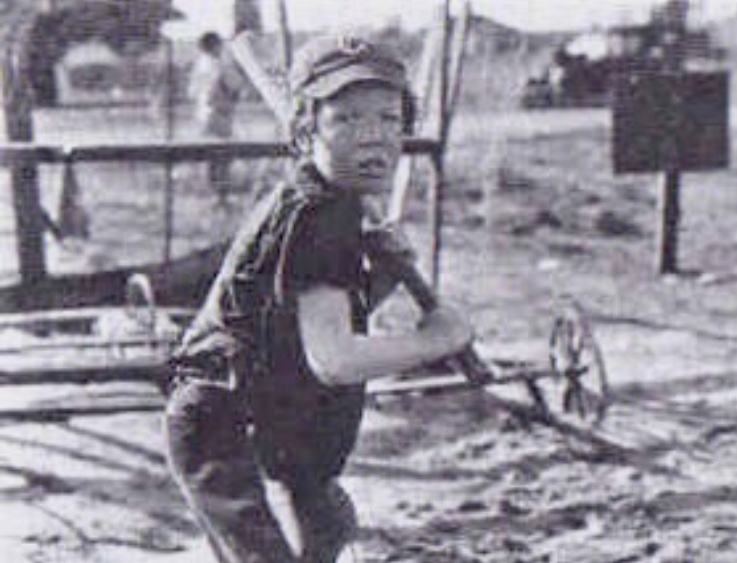
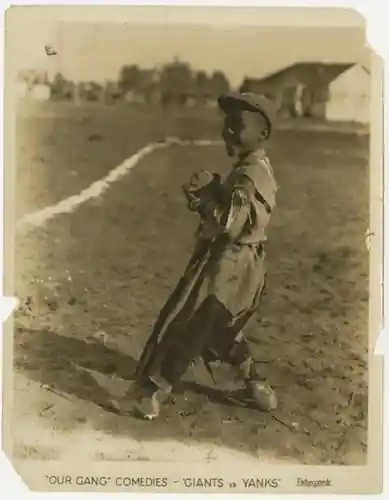
The premise of Giants vs. Yanks is deceptively simple, yet it serves as the perfect springboard for a cascade of comedic chaos. We open with the gang, fully immersed in a spirited baseball game, their youthful exuberance palpable even through the silent film medium. The crack of the bat, the thud of the ball, the excited shouts—all are conjured through the masterful pantomime and expressive faces of these young performers. However, as is often the case with the best-laid plans of children, their game is brought to an abrupt and rather inconvenient halt. Circumstance, perhaps a sudden downpour or an adult's intervention, dictates that the game must cease, and the gang finds themselves in a predicament that only children, with their boundless energy and nascent sense of rebellion, could fully exploit.
They are subsequently quarantined, for reasons delightfully vague, in what can only be described as an elegant, almost stately, home. Imagine the scene: polished furniture, delicate objets d'art, perhaps a pristine grand piano—all the trappings of respectable, adult domesticity. For a group of lively children, freshly pulled from the dusty diamond, this isn't a sanctuary; it's a challenge, an expansive playground ripe for transformation. What follows is not a malicious act of vandalism, but rather an organic, almost inevitable, progression of childlike exploration and uninhibited play that, by adult standards, amounts to utter destruction. The film doesn't present this as villainy, but as the natural consequence of confining spirited youth within an environment utterly unsuited to their inherent dynamism. It's a comedic study in contrasts, a delightful clash between the rigid structures of adulthood and the fluid, unpredictable nature of childhood.
The brilliance of Giants vs. Yanks, like so many Our Gang shorts, lies squarely with its extraordinary young cast. These aren't merely child actors; they are forces of nature, each bringing a distinct personality and an innate comedic timing that belies their tender years. Allen 'Farina' Hoskins, with his wide-eyed innocence and often bewildered expressions, is a consistent source of genuine laughter. His reactions are always pure, unadulterated emotion, whether it's surprise, fear, or mischievous delight. Then there's Mickey Daniels, the quintessential leader, whose schemes often initiate the ensuing chaos, his earnestness a perfect foil to the escalating mayhem. Joe Cobb, with his sturdy build and often stoic demeanor, provides a grounding presence, even as he's swept up in the group's antics.
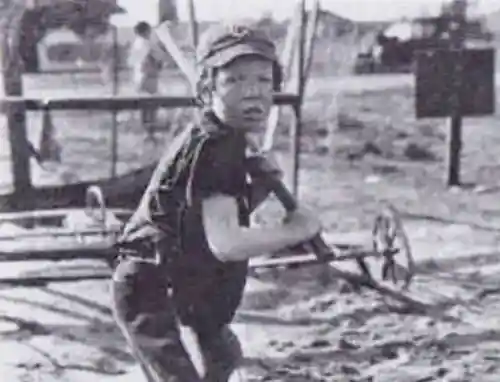
The ensemble is rounded out by unforgettable performances from Fanny Kelly, Andy Samuel, Gabe Saienz, Roy Brooks, Frank Coghlan Jr., Molly Thompson, Ernie Morrison Sr., Ernest Morrison, Jackie Condon, Doris Oelze, Dick Gilbert, Beth Darlington, William Gillespie, Jack Davis, Wally Howe, Florence Hoskins, and Vera White. Each child contributes to the vibrant tapestry of the group, their individual quirks and expressions creating a dynamic whole. The adults, often portrayed as bewildered authority figures or unsuspecting victims, serve primarily as comedic foils, their exasperation providing a stark contrast to the children's unadulterated joy in their destructive play. This carefully curated balance between the innocent chaos of youth and the bewildered reactions of the adult world is a hallmark of Hal Roach's comedic genius, brilliantly brought to life by writers H.M. Walker and Hal Roach himself.
Hal Roach's influence on early cinema cannot be overstated, and his touch is evident throughout Giants vs. Yanks. He understood the universal appeal of physical comedy and the inherent humor in children's uninhibited behavior. Unlike some of the more dramatic or action-oriented features of the era, such as The Claws of the Hun or Bride 13, which relied on suspense and grand narratives, Roach’s shorts found their strength in relatable, everyday scenarios taken to absurd extremes. The pacing here is brisk, a hallmark of silent comedy, ensuring that the visual gags land with maximum impact. There’s a relentless energy to the destruction, a snowballing effect where one small act of mischief inevitably leads to a larger, more elaborate catastrophe. This isn't just random acts; it's a meticulously choreographed ballet of breaking things, each shattered vase or overturned chair contributing to the grand comedic symphony.
The film’s cinematography, while functional for its time, brilliantly captures the expressive faces of the children, allowing their emotions—their glee, their occasional fear of getting caught, their sheer delight in the moment—to shine through. This is crucial for silent film, where the absence of dialogue places a greater burden on visual storytelling. The close-ups on Farina's reactions, for instance, are worth a thousand words, communicating more about innocent mischief than any intertitle could. The art direction, initially depicting a pristine home, serves its purpose by providing a stark contrast to the eventual wreckage, enhancing the comedic effect. It's a masterclass in setting up the joke, allowing the audience to fully appreciate the transformation from order to glorious disarray.
While ostensibly a simple comedy, Giants vs. Yanks touches upon deeper themes, albeit lightly. It's a whimsical exploration of the inherent conflict between childhood freedom and adult expectations, between the desire to play and the need for order. The children, in their innocent destruction, are not malicious; they are simply being children, testing boundaries, exploring their environment in the most tactile way possible. This contrasts sharply with the more serious explorations of societal norms seen in films like Men or the intricate character studies in Pages of Life. Here, the societal critique is gentle, a humorous observation rather than a scathing indictment.
The film also stands as a fascinating example of early serial comedy, much like the episodic adventures in The Social Pirates, though with a different thematic focus. The Our Gang shorts built a loyal following through their consistent characters and reliable brand of humor. While the stakes in Giants vs. Yanks are purely domestic, the film's energy and inventiveness hold their own against more action-packed contemporaries like The Bull-Dogger or even the dramatic tension of A Clouded Name. It proves that compelling cinema doesn't always require grand pronouncements or epic battles; sometimes, the most engaging stories unfold in the smallest, most relatable settings.
Comparing it to other films of the era, the sheer joy and lack of cynicism in Giants vs. Yanks are striking. While films like Lost in Darkness might delve into more somber territories, or The Land Just Over Yonder might explore geographical and personal journeys, Giants vs. Yanks remains steadfastly committed to its comedic purpose. It’s a film that seeks only to entertain, to elicit genuine laughter, and in that, it succeeds spectacularly. Even compared to international cinema of the time, such as Dezata na Balkana or Nattliga toner, which often carried cultural or dramatic weight, the universal language of slapstick and childhood antics in Giants vs. Yanks transcends boundaries.
The lasting appeal of Giants vs. Yanks, and indeed the entire Our Gang series, lies in its authenticity. The children, while performing, often feel remarkably real. Their interactions, their squabbles, their shared moments of mischief—these are the stuff of genuine childhood. This authenticity creates a powerful connection with the audience, allowing viewers of all ages to either fondly recall their own youthful escapades or simply revel in the pure, unadulterated fun unfolding on screen. It’s a stark contrast to more overtly moralistic or grandiloquent films like The Lion and the Mouse (1919) or the socio-political commentary found in Civilian Clothes. Here, the message, if any, is simply to embrace the joy and chaos of being young.
Even today, amidst the constant churn of new media, these silent comedies hold a unique place. They are a window into a bygone era, but their humor remains remarkably fresh. The physical comedy, the exaggerated expressions, the ingenious gags – these elements are universal and timeless. One can draw parallels between the ingenuity of the children in this film and the resourcefulness depicted in adventure tales like The Grub Stake, albeit with vastly different objectives. The playful destruction in Giants vs. Yanks isn't about survival, but about the sheer thrill of breaking free from constraints, much like the liberating spirit some might find in aerial escapades such as Washington's Sky Patrol, though on a much smaller, more domestic scale.
Ultimately, Giants vs. Yanks is more than just a historical artifact; it's a living, breathing piece of comedic brilliance. It reminds us of the power of simple storytelling, of the indelible magic that can be created when talented performers, even very young ones, are given the freedom to play. It's a film that leaves you smiling, perhaps even chuckling aloud, long after the final frame has faded. If you're looking for an antidote to modern cynicism, a dose of pure, unadulterated joy, look no further than this delightful excursion into the world of Our Gang. It's a cinematic hug, a reminder that sometimes, the greatest art is simply making people laugh.
IMDb 5.6
1934
Community
Log in to comment.