Is 'All Abroad' worth watching today? Short answer: Yes, but with significant caveats. This early silent film is a delightful, if somewhat frantic, historical curiosity for those with a deep appreciation for the origins of screen comedy, but it will likely test the patience of viewers accustomed to modern pacing and narrative sophistication.
This is a film best suited for the ardent silent cinema enthusiast, the film historian, or anyone curious about the raw, unpolished energy of early 20th-century filmmaking. It offers a fascinating glimpse into the nascent language of cinematic slapstick and domestic farce, demonstrating how quickly filmmakers were experimenting with narrative complexity and physical gags.
Conversely, if your preference leans towards meticulously crafted plots, nuanced character development, or humor that doesn't rely heavily on broad physical comedy and escalating absurdity, 'All Abroad' might prove a challenging watch. Its rapid-fire succession of events leaves little room for emotional investment, prioritizing movement and mayhem over depth.
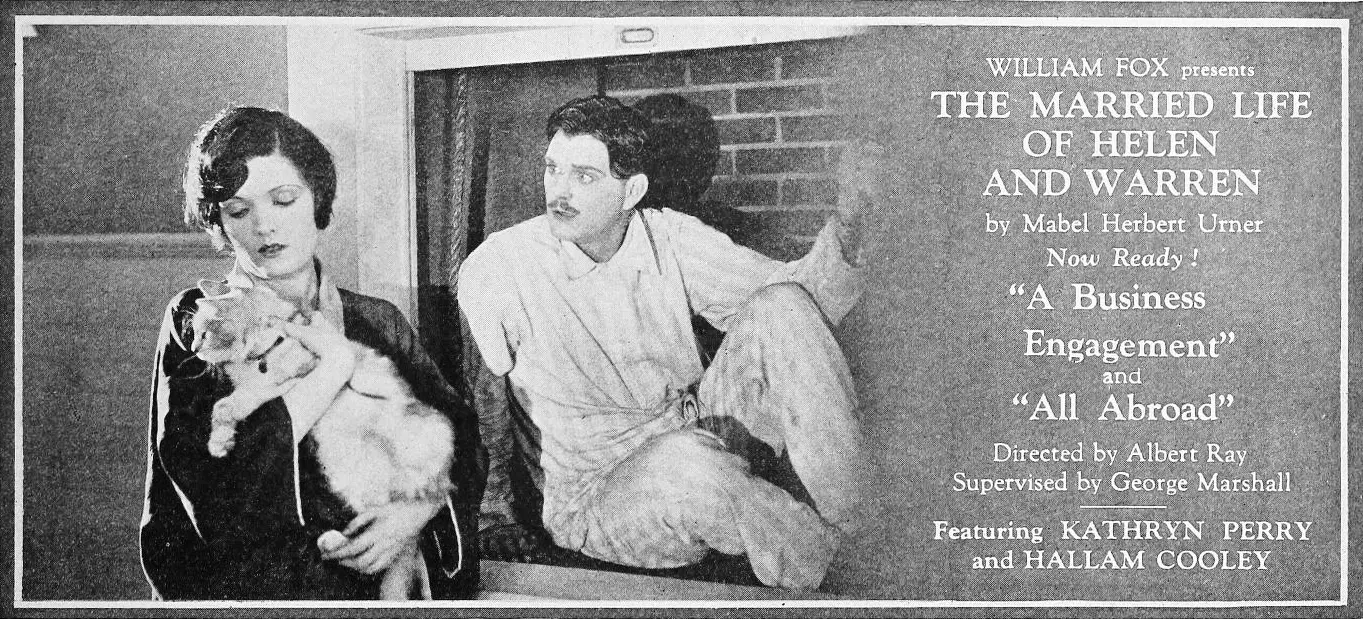
Scene from All Abroad
Cinematic perspective: Exploring the visual vocabulary of All Abroad (1925) through its definitive frames.
This film works because of its relentless energy and the sheer audacity of its escalating farce, particularly in its final, frantic chase sequence.
This film fails because its characters are largely archetypes, serving the plot rather than driving it, leading to a somewhat hollow emotional core despite the comedic chaos.
You should watch it if you're a student of film history, a lover of early slapstick, or simply someone who enjoys witnessing the foundational elements of cinematic storytelling unfold in their most primal form.
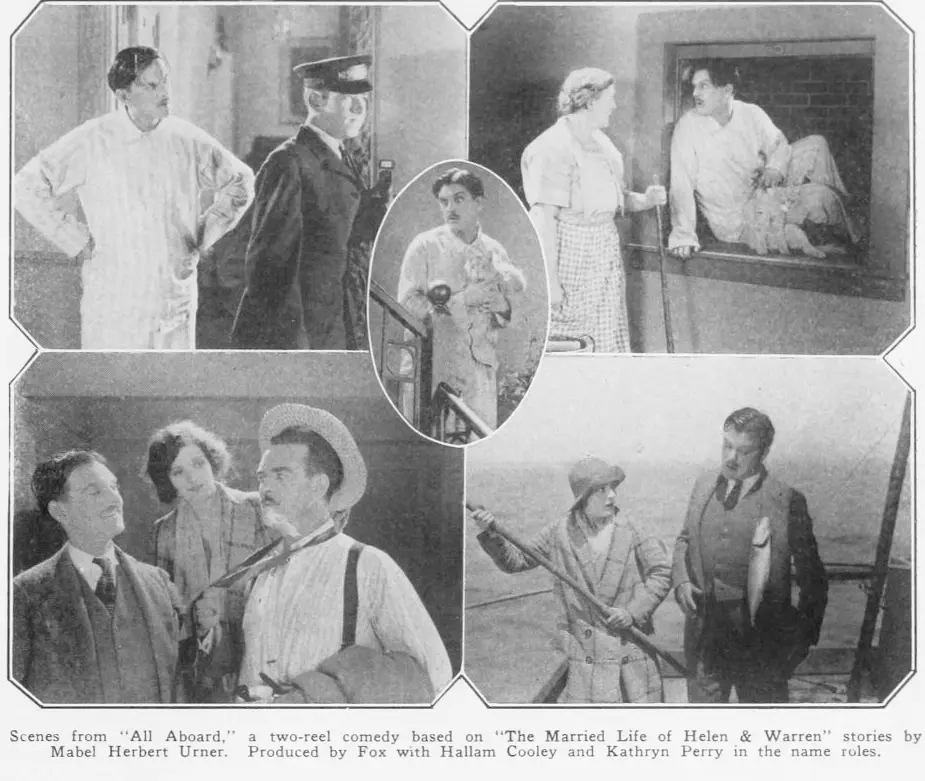
Scene from All Abroad
Cinematic perspective: Exploring the visual vocabulary of All Abroad (1925) through its definitive frames.
The Plot: A Whirlwind of Domestic Disarray
The narrative of 'All Abroad' is less a carefully constructed story and more a series of escalating comedic misfortunes, strung together with a breathless pace. It kicks off with Warren, portrayed by William B. Davidson, in a state of pajama-clad vulnerability, thrust from his morning slumber by the insistent demands of his wife, Helen (Katherine Perry). The arrival of a telegram, an innocuous harbinger, quickly unravels into a chaotic domestic ballet involving a runaway cat and an embarrassing encounter in the building’s common areas. This opening sequence, while simple, effectively establishes the film's tone: a world where everyday life is a fertile ground for slapstick.
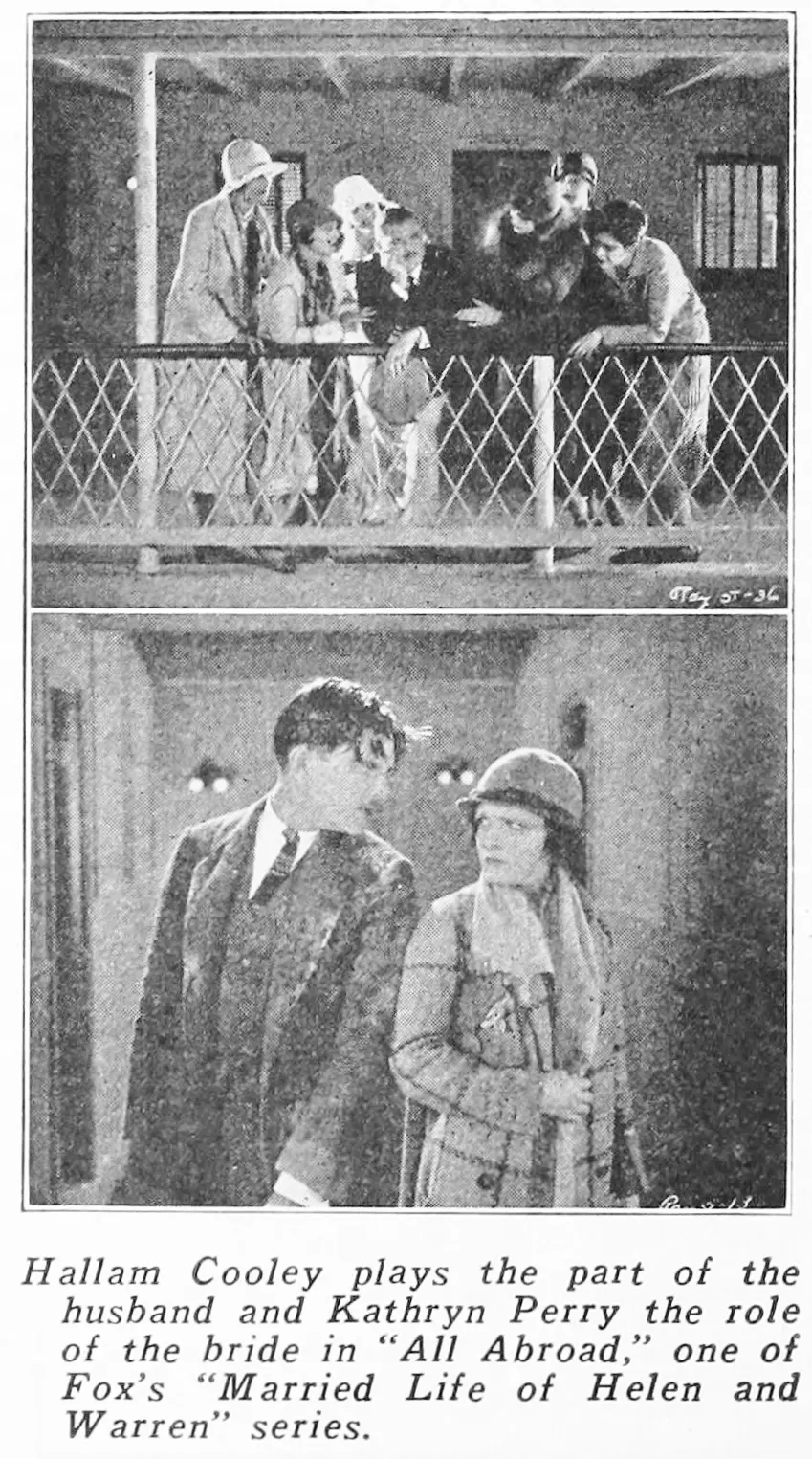
The telegram's news — a European business trip for Warren — is the narrative’s primary catalyst. Helen’s reaction is immediate and dramatic, a testament to the era’s portrayal of wives as simultaneously doting and demanding. Her subsequent, clandestine plan to join Warren on the steamer, despite his clear instruction that she cannot accompany him, is a classic trope of marital mischief that drives the central conflict. It’s a bold move, illustrating a certain agency, even if misguided, that makes Helen a more dynamic character than her husband.
The plot then introduces a layer of bureaucratic absurdity: a mix-up at Warren’s