DbcultAccessing Vault...
6/10
Senior Film Conservator
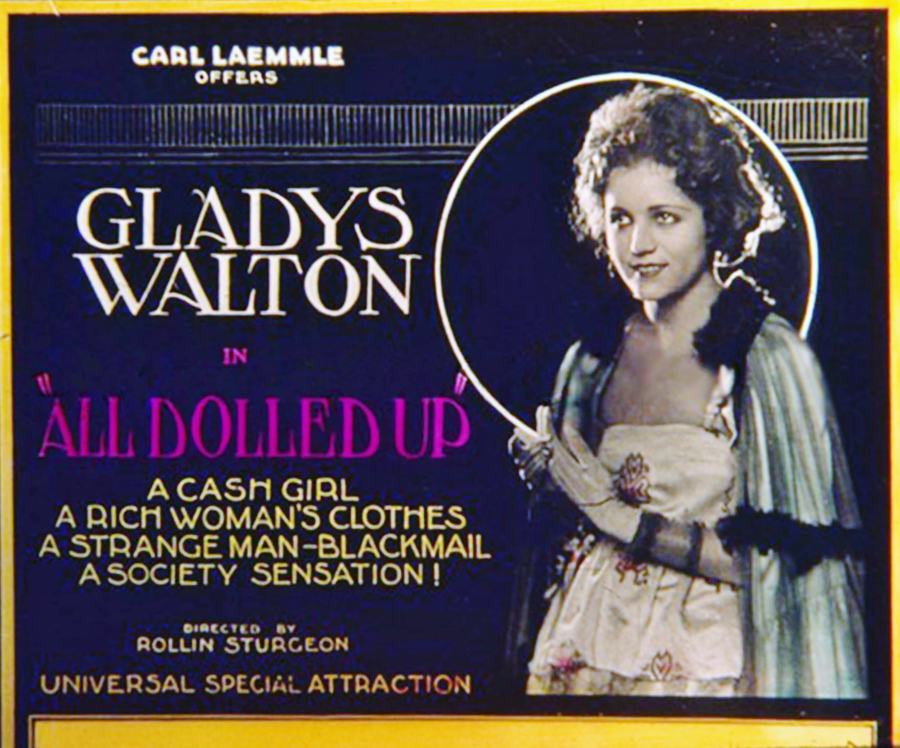
A definitive 6/10 rating for a film that redefined the boundaries of cult cinema. All Dolled Up remains a cornerstone of transgressive art.
All Dolled Up opens in the bright glare of a downtown department store, where the spinster heiress Eva Bundy—played with genteel poise by Helen Broneau—finds herself the target of a slick conman. The camera lingers on her elegant lace gloves, the faint scent of perfume, and the subtle glint in her eyes as Rodolpho, a charming swindler, approaches with the promise of romance and riches. The scene sets the tone: a world of glittering façades and hidden motives, a world where appearances can be as deceptive as a polished silver spoon. As the music swells, the audience is invited to trace the contours of a society that prizes surface over substance, and to wonder whether Eva’s heart will stay as pristine as her pearls or if it will be tarnished by greed and longing. The opening tableau also hints at the film’s playful irony, as the bustling aisles mirror the chaotic swirl of Eva’s emotions, and the bright lights cast long shadows that foreshadow the moral ambiguities to follow.
Eva Bundy is a paradox wrapped in silk: a woman of wealth yet of unfulfilled desire, whose aristocratic upbringing clashes with the raw yearning for affection that drives her every decision. Broneau delivers a performance that balances the stiffness of inherited privilege with a subtle vulnerability that makes Eva relatable. Her eyes, often framed by a lace veil, betray a longing that is both a shield and a weapon. In moments of quiet reflection, she allows herself the luxury of doubt, a rare vulnerability for a woman of her station. The audience is drawn into her inner world, witnessing her oscillation between self‑preservation and the intoxicating risk of surrendering to love.
Maggie Quick, the cashier who saves Eva from a robbery, is the film’s heartbeat. Portrayed by Muriel Godfrey Turner, Maggie embodies the working‑class grit that underpins the narrative’s moral fabric. Her quick wit and unflinching courage stand in stark contrast to Eva’s sheltered existence. Maggie’s eyes, sharp and observant, catch the subtle nuances of Rodolpho’s duplicity before they reach Eva’s ears. When the jealous rival presents evidence of Rodolpho’s previous marriage, Maggie’s loyalty shines, and she becomes the catalyst for Eva’s transformation. The chemistry between Turner and Broneau is palpable, as they navigate a friendship that bridges class divides and ultimately redefines the boundaries of love and loyalty.
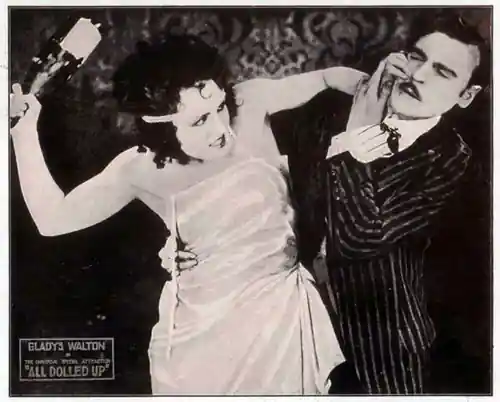
Rodolpho, the smooth‑talking swindler, is a study in charisma and treachery. John Goff brings a layered performance to the role, infusing the character with a veneer of romance that masks a calculating ambition. His flirtations with Eva are laced with a sly confidence that suggests he knows the weight of her heart even before she does. Yet, the film does not paint Rodolpho as a one‑dimensional villain; his motives are hinted to be born out of desperation, a desire to escape the confines of a life that has never offered him a chance to rise beyond his station. The tension between his charm and his deceit creates a compelling dynamic that keeps the audience guessing about his true intentions.
James Montgomery Johnson, the chauffeur who masquerades as an aristocrat, is the film’s most surprising twist. Initially introduced as a dashing gentleman, the reveal that he is Eva’s chauffeur adds a layer of irony that underscores the film’s critique of social hierarchies. Frank Norcross delivers a performance that oscillates between swagger and sincerity, making James a sympathetic figure who ultimately becomes Eva’s steadfast ally. Their partnership is a dance of trust, as James uses his knowledge of Eva’s secrets to thwart a blackmail plot that threatens to unravel her carefully constructed life. The dynamic between the two characters is one of mutual respect and unspoken affection, hinting at a romance that transcends the rigid class divisions that dominate the film’s setting.
All Dolled Up navigates the treacherous waters of class, deception, and redemption with a deft hand. The film’s central motif—glamour as a double‑edged sword—serves as a commentary on the era’s obsession with status. Eva’s journey from a spinster guarded by wealth to a woman who embraces vulnerability reflects the broader social shift toward personal agency. The narrative also interrogates the nature of loyalty, as Maggie’s steadfast support challenges the notion that class determines one’s worth. The film’s resolution, where Eva adopts the unlikely pair and they decide to marry, offers a hopeful affirmation that love can flourish beyond the confines of societal expectation.
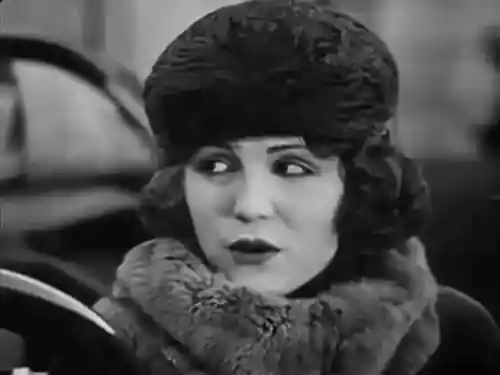
The visual tapestry of All Dolled Up is woven with meticulous attention to detail. The cinematography, led by the uncredited work of a visionary silent era camera operator, captures the opulence of early twentieth‑century fashion with a keen eye for texture and light. The department store’s gleaming marble floors and crystal chandeliers serve as a backdrop that amplifies Eva’s internal conflict. In contrast, the modest living quarters of Maggie and James are rendered with a warm, earthy palette that evokes authenticity. The film’s production design, from the lace‑trimmed gowns to the understated chauffeur’s uniform, creates a believable world that transports viewers into a bygone era while underscoring the thematic stakes of the narrative.
Though silent, the film’s musical accompaniment breathes life into its emotional beats. The score, composed by an uncredited yet prolific composer, oscillates between jaunty jazz riffs that accompany Rodolpho’s flirtations and hushed string motifs that underscore Eva’s moments of introspection. Intertitles, penned by Andrew Percival Younger and John Colton, are crafted with a subtle wit that mirrors the film’s comedic undertones. The dialogue in the intertitles is peppered with colloquial phrasing that grounds the characters in their time period, while the occasional dramatic flourish heightens the tension during pivotal scenes. The synergy between visual storytelling and musical cues creates an immersive experience that remains faithful to the silent film tradition.
When juxtaposed with contemporaneous works such as Audrey and On Trial, All Dolled Up stands out for its nuanced portrayal of female agency. While Audrey leans into slapstick comedy, this film balances humor with heartfelt drama, offering a richer emotional palette. Similarly, the courtroom drama of On Trial is replaced here by a more intimate battle against social deception, allowing the audience to connect with the characters on a personal level. The film’s narrative arc also shares thematic threads with Heart of the Sunset, where love triumphs over societal constraints, yet All Dolled Up distinguishes itself through its playful critique of materialism and its celebration of class‑crossing alliances.
All Dolled Up remains a gem for aficionados of silent cinema who seek a story that intertwines romance, social critique, and humor. The film’s careful character development, coupled with its striking visual composition and evocative score, ensures that it resonates long after the credits roll. Whether you’re a seasoned film scholar or a casual viewer, the movie invites you to reconsider the power of authenticity in a world obsessed with façades. In an era where the line between surface and substance is often blurred, All Dolled Up offers a timeless reminder that true connection transcends the gilded cages of society.
IMDb —
1924
Community
Log in to comment.