DbcultAccessing Vault...
Cult Review
Senior Film Conservator
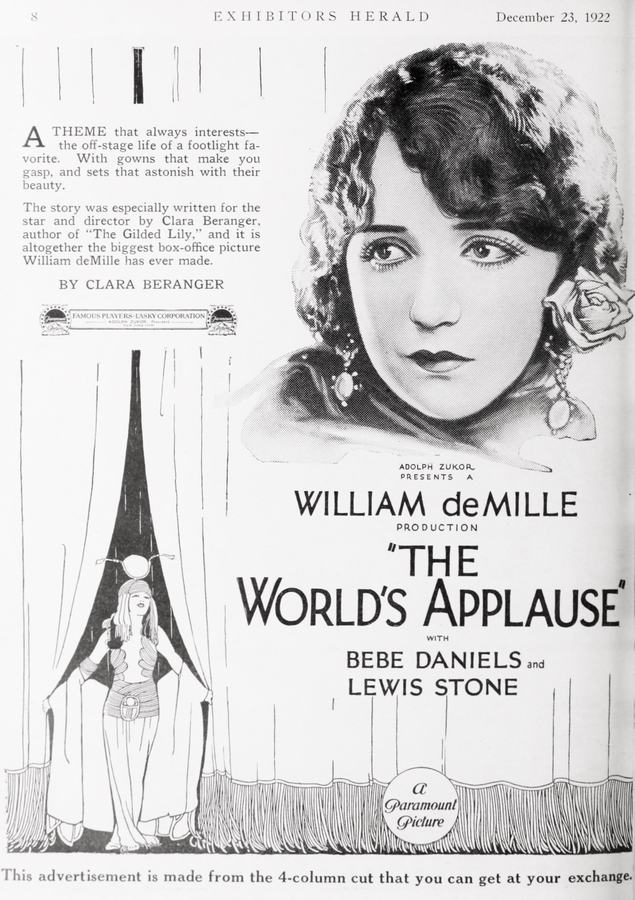
In the shimmering, often ruthless, firmament of early 20th-century cinema, certain stars burned with an intensity that transcended the nascent technology of their craft. Bebe Daniels was undoubtedly one such luminary, and her performance in The World's Applause (1923) stands as a testament to her magnetic screen presence and formidable dramatic capabilities. This silent era gem, penned by the insightful Clara Beranger, delves into the intoxicating, often corrosive, nature of fame and the profound choices individuals make in its pursuit. It’s a narrative that, despite its century-old vintage, resonates with an enduring relevance, exploring themes of ambition, moral compromise, and the elusive quest for genuine connection amidst the clamor of public adulation.
At its heart, The World's Applause is a character study of Corinne d'Alys, a Broadway sensation portrayed with exquisite nuance by Daniels. Corinne exists in a perpetual state of craving for external validation, a hunger so profound it eclipses the pragmatic warnings of her devoted producer, John Elliott, played with understated gravitas by Lewis Stone. Stone, a stalwart of classic Hollywood, imbues Elliott with a quiet dignity, a man who sees beyond the footlights and recognizes the inherent dangers of Corinne's relentless pursuit of celebrity. His affection for her is palpable, a steady anchor in her tempestuous existence, yet it's an anchor she repeatedly, and tragically, casts adrift in her yearning for the fickle embrace of the masses.
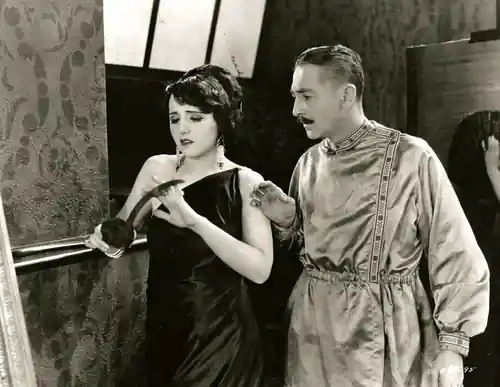
The narrative escalates with the introduction of Robert Townsend, a charismatic artist brought to life by the effortlessly debonair Adolphe Menjou. Menjou, already a master of sophisticated villainy and suave charm, crafts Townsend into a figure of alluring danger. He represents everything Elliott warns Corinne against: a superficial attraction, a distraction from genuine artistic integrity, and, crucially, a man whose marital ties to John's sister, Elsa (Kathlyn Williams), promise nothing but heartache and scandal. Corinne, blinded by her desire for admiration and perhaps a touch of romantic folly, accepts Townsend's attentions, setting in motion a chain of events that will unravel lives and test the very fabric of loyalty.
Kathlyn Williams, in the role of the beleaguered Elsa Townsend, delivers a portrayal steeped in pathos. Her character's descent into a maelstrom of jealousy and despair is both believable and heartbreaking. The accidental stabbing of Robert Townsend is not merely a plot device; it's the tragic culmination of suppressed anger, betrayal, and the unbearable weight of a failing marriage. Williams communicates this emotional crescendo with a raw intensity that belies the silent medium, her expressions and gestures conveying the profound agony of a woman pushed to her breaking point. The immediate aftermath is a desperate scramble to conceal the truth, a desperate attempt to salvage what little remains of their shattered world.
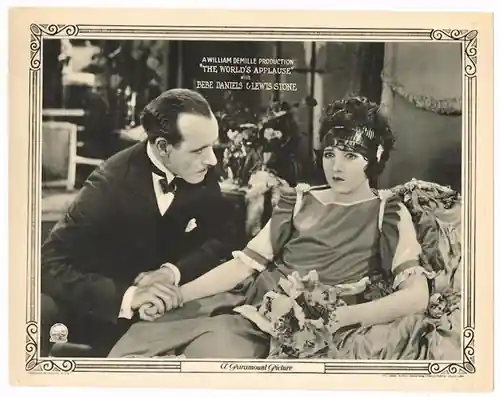
The screenplay by Clara Beranger, a prolific and influential writer of the era, expertly weaves a tangled web of deceit and consequence. As the authorities close in, John Elliott, ever the protector, finds himself ensnared in the circumstantial evidence, facing the grim prospect of arrest for a crime he did not commit. This injustice is further compounded by the ironic twist that Corinne's notoriety, far from being diminished by the scandal, actually gains a morbid momentum. The public, ever hungry for drama, devours the sensational headlines, fueling the very 'applause' Corinne so craves, albeit now tainted with tragedy. This segment of the film is a fascinating commentary on the public's appetite for scandal and the way in which fame can be both a blessing and a curse.
The narrative tension builds inexorably, reminiscent of the intricate moral dilemmas explored in films like Maulwürfe, where hidden truths slowly but surely undermine a seemingly stable facade. The eventual unraveling of the lie, driven by Elsa's agonizing confession, is a pivotal moment. It’s a testament to the power of conscience, a stark reminder that even the most desperate acts of concealment often succumb to the weight of guilt. Her confession not only clears John's name but also forces Corinne to confront the true cost of her ambition and the collateral damage her choices have wrought. It’s a dramatic turning point that pivots the story from one of impending doom to one of potential redemption.
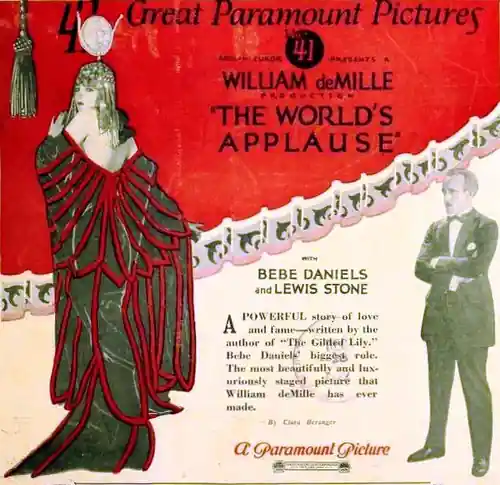
With their names cleared and the specter of scandal finally lifted, Corinne and John embark on a journey towards healing and, ultimately, happiness. This resolution, while perhaps seeming conventional, feels earned. Corinne's odyssey through the crucibles of fame, betrayal, and near-tragedy has, one hopes, instilled in her a deeper understanding of what truly matters. The 'world's applause' is fleeting, a transient echo, but genuine connection, loyalty, and love – embodied by John Elliott – offer a more profound and lasting fulfillment. Their happiness is not merely a convenient ending but a symbolic triumph of enduring affection over superficial allure. It speaks to a universal truth that even when one reaches for the stars, the most precious treasures often lie closer to home.
Bebe Daniels' performance as Corinne d'Alys is, without hyperbole, a masterclass in silent film acting. Her expressive eyes, nuanced gestures, and fluid physicality convey the entire spectrum of human emotion – from giddy ambition to profound despair, from fleeting infatuation to burgeoning self-awareness. She commands the screen with an effortless grace, making Corinne a character who is both flawed and utterly compelling. Lewis Stone, as John Elliott, provides the perfect foil, his stoic demeanor and quiet strength offering a grounding presence amidst the dramatic tempest. His unyielding loyalty and moral compass anchor the film, providing a sense of hope even in its darkest moments. Adolphe Menjou, as Robert Townsend, oozes a sophisticated charm that makes his character’s duplicity all the more believable and dangerous. His portrayal is a stark reminder that not all that glitters is gold, and that superficial attractiveness can mask a profound lack of character.

The supporting cast, including Mayme Kelso, Brandon Hurst, Bernice Frank, James Neill, and George Kuwa, each contribute to the film’s rich tapestry, their performances adding depth and texture to the unfolding drama. While their roles might be smaller, their collective efforts create a believable world for the central conflict to play out. Clara Beranger's screenplay is particularly noteworthy for its intricate character development and its willingness to explore moral ambiguities. She avoids simplistic black-and-white portrayals, instead presenting characters driven by complex motivations and subject to very human failings. Her writing ensures that the melodrama, while certainly present, never descends into mere histrionics, maintaining a compelling emotional core throughout.
Visually, The World's Applause captures the glamour and artifice of the Broadway stage with striking efficacy. The costumes are opulent, the sets evoke the grandeur of the era, and the cinematography, though perhaps rudimentary by today's standards, effectively uses lighting and composition to heighten emotional impact. The visual storytelling, typical of the silent era, relies heavily on these elements, alongside the power of the actors' expressions and well-placed intertitles, to convey narrative and thematic depth. The film's aesthetic design further underscores the contrast between the glittering public life and the often messy, tragic private struggles of its characters. This dichotomy is a recurring motif in silent films dealing with fame, much like the broader societal commentary often found in works such as The Reason Why, which also explored social expectations and personal desires.

The enduring thematic resonance of The World's Applause lies in its timeless exploration of ambition and its consequences. It asks fundamental questions about what constitutes true success and happiness. Is it the fleeting adoration of the masses, or the steadfast love and respect of those closest to us? Corinne's journey is one of self-discovery, forced upon her by a series of calamitous events. It’s a cautionary tale, but also one of hope – a narrative arc that suggests redemption is possible even after significant moral missteps. The film's portrayal of a woman navigating societal pressures and personal desires finds echoes in other silent era dramas focusing on female protagonists, such as Queen of the Sea or The Dagger Woman, which similarly grappled with the complexities of female agency and societal judgment.
In an era that predated the Hays Code, silent films often tackled subjects with a frankness and moral ambiguity that later productions would shy away from. The World's Applause is a prime example, presenting a story where adultery, accidental death, and legal peril are integral to the plot, serving not as mere sensationalism but as catalysts for profound character development. It’s a film that doesn't preach but rather allows its characters to live out the consequences of their choices, offering a reflection on human nature that remains surprisingly insightful. The raw emotion conveyed without spoken dialogue is a testament to the artistry of silent film, a medium that, when executed with such skill, can be as powerful and moving as any talkie.
The film's exploration of the moral quagmire that can accompany the pursuit of fame is particularly poignant. Corinne's initial blindness to John's wisdom, her attraction to the superficial glitter offered by Robert Townsend, and her subsequent notoriety during the scandal paint a vivid picture of the seductive yet ultimately empty nature of external validation. It's a theme that resonates across generations, as the modern world continues to grapple with the allure and pitfalls of celebrity. The film doesn't shy away from depicting the messy, complicated realities of human relationships, presenting a narrative that feels both grand in its dramatic scope and intimate in its emotional core. This nuanced approach to character and consequence places it among the more thought-provoking melodramas of its time, standing apart from simpler narratives like, for instance, Too Much Garlic, which might focus on lighter, more comedic scenarios.
For those with a penchant for classic cinema, The World's Applause is more than just a historical curiosity; it's a vibrant, emotionally charged drama that showcases the incredible talent of its stars and the narrative sophistication of the silent era. Bebe Daniels delivers a performance that solidifies her status as a compelling leading lady, capable of conveying immense depth and vulnerability. Lewis Stone brings his characteristic integrity to the role of the steadfast hero, and Adolphe Menjou provides a memorable turn as the charming antagonist. Clara Beranger's screenplay elevates the material beyond mere melodrama, offering a thoughtful meditation on ambition, love, and the often-elusive nature of happiness. It's a film that reminds us that while the applause of the world may be intoxicating, true fulfillment often lies in the quieter, more profound connections we forge. A century later, its echoes still resound, inviting us to reflect on the choices we make and the values we ultimately hold dear. This film, much like a timeless piece of art, continues to offer new insights with each viewing, its themes as relevant today as they were in the roaring twenties. It’s an essential watch for anyone seeking to understand the power and enduring artistry of early Hollywood.
IMDb 6.2
1920
Community
Log in to comment.