DbcultAccessing Vault...
Cult Review
Senior Film Conservator
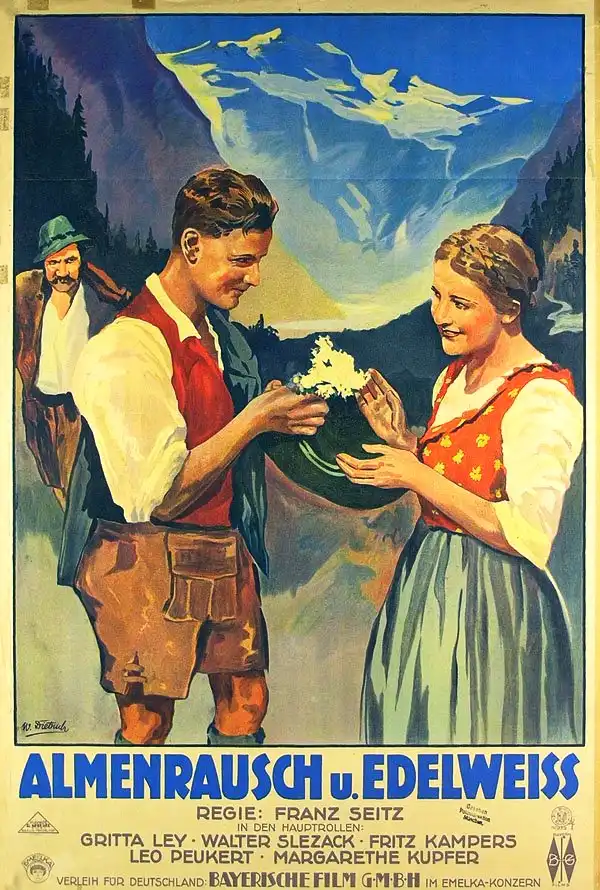
You should probably only watch this if you are the kind of person who likes the sound of a projector or if you have a very specific interest in how people looked in 1928 while hiking. If you need explosions or a plot that moves faster than a glacier, you are going to be miserable. 🏔️
I think people who enjoy old-school vibes and looking at grainy mountains will find it charming. It’s definitely not for anyone who hates silent movies or thinks black and white is boring.
The first thing I noticed was the hats. Everyone in this movie has a hat that looks like it weighs about five pounds and has a very specific purpose in life.
Fritz Kampers is in this, and he has this face that just feels like the 1920s. He doesn't even have to do much; he just stands there and you think, "Yep, that’s a guy from a silent movie."
There is a scene early on where they are just walking through the grass. It goes on for a long time. Like, a really long time.
You can tell the director really loved the scenery because the camera just lingers on the peaks. It’s like the movie is trying to convince you to move to the Alps.
I found myself wondering how they carried those cameras up there. It probably wasn't easy back then, and honestly, the effort shows in the wide shots.
Walter Slezak shows up and he is so young here. If you only know him from his later stuff, it’s a bit of a shock to see him so fresh-faced and... well, mountain-y.
The plot is about romance and home, I think. To be honest, I got a bit distracted by a goat that kept appearing in the background of one scene.
The goat seemed more interested in the grass than the actors were in each other. It made me laugh because it felt so real and unscripted in a movie that feels very staged otherwise.
Some of the indoor scenes have this weird lighting. It feels like they had one big lamp and everyone had to stand exactly in front of it or they’d disappear into the shadows.
It reminds me a bit of the atmosphere in Phantom, but way less moody and more... sunny? If that makes sense for a black and white film.
The way they use title cards is kind of aggressive. They pop up right when you’re getting into the rhythm of a scene and just stop everything.
I guess that's just how it was, but it feels like someone interrupting a conversation to tell you a fact you already knew. Still, the fonts are pretty cool.
There is this one moment where a character looks at a flower—the Edelweiss, I assume—and the look on their face is so intense. You’d think they found a bar of solid gold.
It’s that kind of earnestness that you don’t see anymore. Modern movies are too cool for that, but this movie wears its heart on its sleeve, or maybe on its lederhosen.
I noticed that the makeup on the women is very heavy. Even in the middle of a mountain trek, their eyeliner is perfect. 💄
It makes the whole thing feel like a play that accidentally happened outdoors. I don't mind it, but it’s funny to think about them prepping for a hike with that much powder on.
If you’ve seen something like The Road to Glory, this is going to feel much lighter. It doesn't have that heavy weight to it.
It’s more like a lazy Sunday afternoon. It’s the kind of movie you can half-watch while you’re doing something else, like knitting or looking for your keys.
I did find a few parts where the editing felt a bit jumpy. One second they are near a fence, and the next they are halfway up a cliff.
Maybe some footage was lost, or maybe they just didn't care about continuity as much back then. It gives it a bit of a dream-like quality, I guess.
The music in the version I saw was alright, but I think it would be better with just the sound of wind. The silence of these old films can be really powerful if you let it be.
I kept thinking about A Lucky Dog's Day for some reason while watching this. Maybe because both feel like artifacts from a world that doesn't exist anymore.
There is a lot of hand-wringing. If someone is sad, they really let you know they are sad with their whole body.
I miss that kind of acting sometimes. It’s not subtle, but it’s very clear. You never have to guess what anyone is feeling.
The ending is... well, it’s an ending. It wraps things up in a way that feels very safe and cozy.
I walked away from it feeling like I’d just spent an hour in a museum. Not a boring museum, but one of those small ones in a mountain village that smells like old wood.
Is it a masterpiece? Probably not. But it’s got a lot of character.
I think I liked the parts with the villagers just being in the background more than the actual main story. They looked like they actually lived there.
Their clothes were a bit more worn out and their smiles felt less rehearsed. Those small details are what I usually look for in these old silent flicks.
Anyway, if you have a spare hour and want to see what 1928 thought a vacation looked like, give it a go. Just don't expect it to change your life or anything. 🥨
It’s just a nice, simple time. Sometimes that’s enough when everything else is so loud.
One last thing—the way they filmed the trees during the windier parts is actually really beautiful. It’s just silver leaves shaking, but it looks like magic. ✨
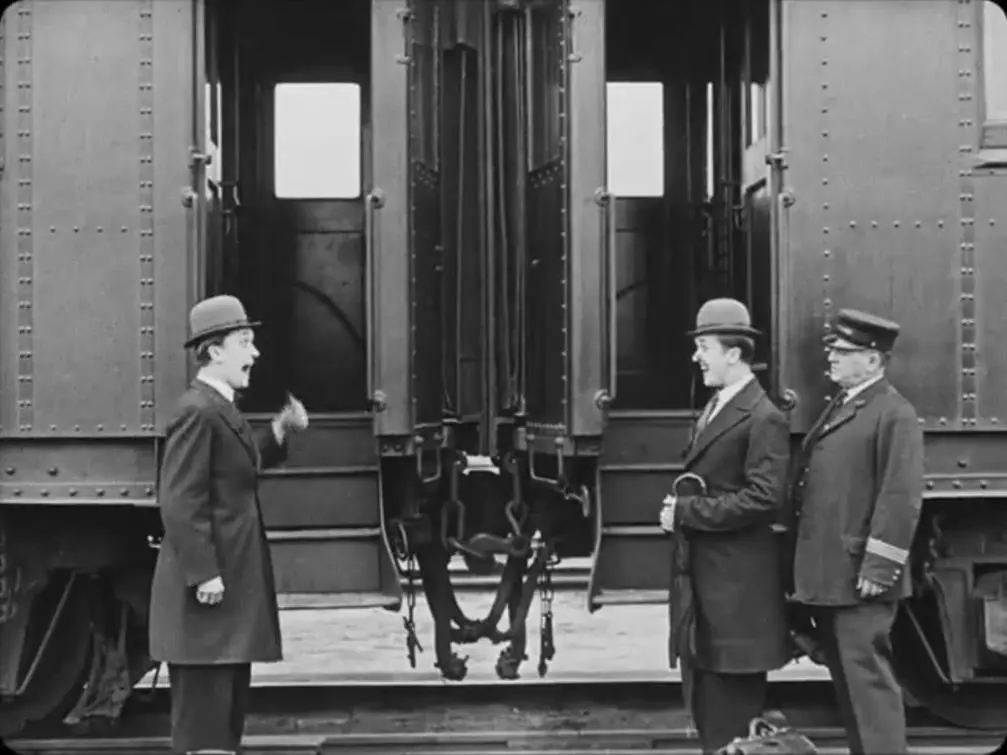
IMDb 5.6
1925
Community
Log in to comment.