DbcultAccessing Vault...
6.6/10
Senior Film Conservator
A definitive 6.6/10 rating for a film that redefined the boundaries of cult cinema. Aloha remains a cornerstone of transgressive art.
If you're into those old-school 'exotic' melodramas where everyone looks like they’re wearing too much eyeliner in the sun, you might like this. It's worth watching if you're a fan of early talkies or just want to see Raquel Torres look stunning for an hour. Most people today will probably hate it because the pacing is pretty wonky and the 'half-caste' tropes are super dated. 🌴
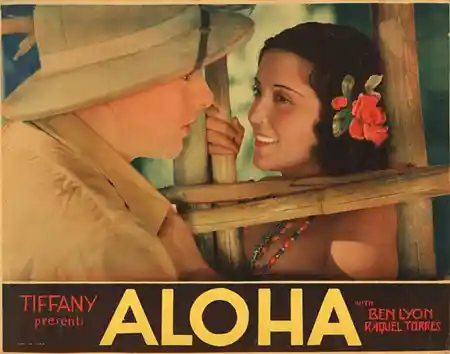
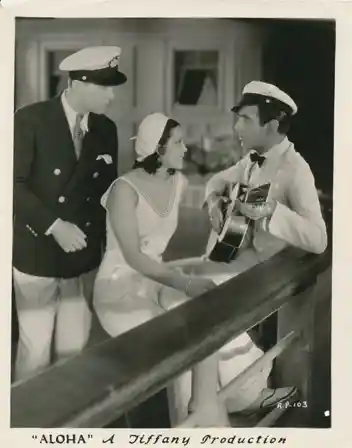
The story focuses on Ilani. She’s an island girl who basically says 'no thanks' to the guy she’s supposed to marry. Then Ben Lyon shows up as this rich American guy and things get complicated fast.
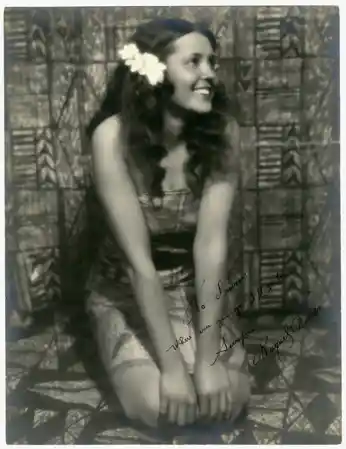
Raquel Torres has this energy that keeps the movie alive. Even when the script is just okay, she’s doing the most with her eyes. There's a scene where she just stares at the ocean and you can tell she’s thinking about literally anything other than the guy she’s supposed to marry.
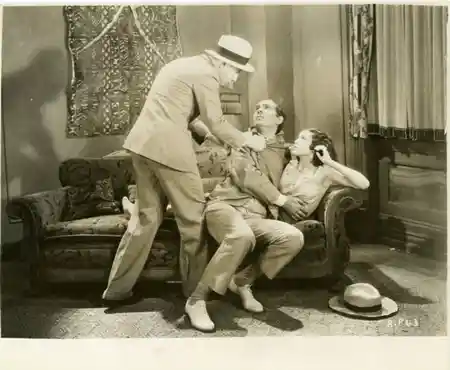
Ben Lyon is... fine. He does that 1930s thing where he stands very still and talks like he’s reading a very important grocery list. It’s a bit stiff compared to Torres. It reminded me a bit of his vibe in Bad Sister, though maybe a little more relaxed here because of the tropical setting.
One thing I noticed was the sound quality. In some scenes, the background noise of the 'ocean' is so loud it almost drowns out the actors. It sounds more like someone is crinkling a bag of chips right next to the microphone. 🌊
The sets are obviously a studio backlot. You can see where the sand ends and the wooden floor probably starts if you look close enough. But honestly, that’s part of the charm of these 1931 flicks. It feels like a stage play that accidentally wandered outside.
There is this one shot of the father, played by Robert Edeson, where he looks so disappointed it actually made me feel guilty. He doesn't even say much. He just has this 'I'm not mad, just hurt' face that hits harder than any of the dialogue.
Thelma Todd shows up too, which is always a treat. She’s not the main focus, but she brings a bit of that spark she always had. It’s a bummer she doesn’t have more to do with the actual island plot.
The movie gets a bit bogged down in the middle with all the talk about the 'American fortune.' It feels like the writers didn't know how to make the stakes high enough without throwing a bunch of money into the mix. It's way less fun than the scenes of Ilani just being herself on the beach.
I found myself thinking about West of Broadway while watching this. Both movies have that weird tension between 'high society' and people just trying to live their lives. But Aloha feels much more desperate to be 'poetic' and fails at it more often.
The ending is very abrupt. Like, one minute they’re arguing about their entire future, and the next, the credits are rolling. It felt like the film reel just ran out and they decided 'yeah, that's enough.'
If you've seen Let Us Be Gay, you'll recognize that specific 1930-1931 style of filming where nobody quite knows where to put their hands. It’s awkward but kind of sweet.
I wouldn't call this a must-see. It’s more like a 'if it's on at 2 AM and you can't sleep' kind of movie. It’s pretty to look at but the story is as thin as the paper it was written on.
Also, the music is constant. It never stops. It’s like the director was afraid of ten seconds of silence. It makes the whole thing feel like a fever dream after a while. 😴
Overall, it’s a weird little time capsule. It shows you exactly what Hollywood thought 'paradise' looked like back then. Which was basically California with more grass skirts and very dramatic lighting.
"I will not marry him! I won't!" - Ilani, basically every ten minutes.
The conflict between the island traditions and the American way of life is handled with zero nuance. It's very black and white. But Raquel Torres really tries to make you care. Without her, this would be totally forgettable.
IMDb —
1924
Community
Log in to comment.