DbcultAccessing Vault...
Cult Review
Senior Film Conservator
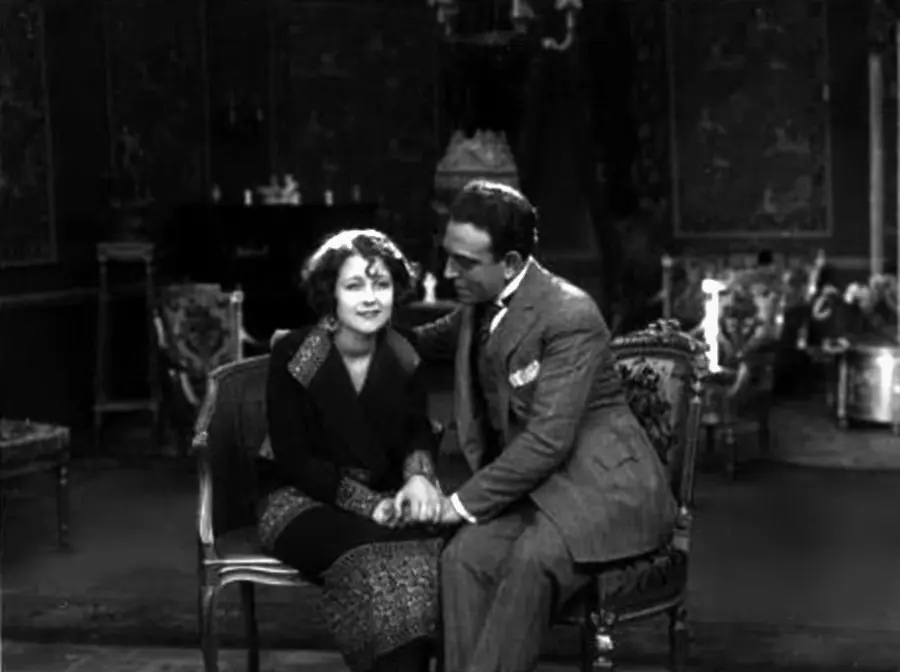
To witness Los misterios del turf argentino is to step into a sepia-toned fever dream of a burgeoning metropolis. Released in 1924, a year when the global cinematic landscape was grappling with the transition from mere spectacle to narrative sophistication, this Argentine gem offers a window into the idiosyncratic obsession with the 'turf.' While American audiences were perhaps more accustomed to the Dickensian pathos of Oliver Twist, the South American audience was being treated to a gritty, homegrown realism that blended the melodrama of the tango with the kinetic energy of the racetrack.
Director Julio Irigoyen, a man whose name is synonymous with the foundational years of Argentine genre cinema, crafts a narrative that is both an homage to the sport of kings and a scathing indictment of the vultures that circle it. The film doesn't merely depict horse racing; it deconstructs the entire ecosystem of the Hipódromo. Much like From Gutter to Footlights explored the precarious ascent of the performer, Irigoyen’s work delves into the gutter of the gambling dens to show how the footlights of the winner’s circle are often fueled by betrayal.
The luminous Manuelita Poli anchors the film with a performance that transcends the often-stilted gesticulation of the silent era. In an age where actresses were frequently relegated to the role of the damsel or the vamp, Poli brings a nuanced interiority to her character. She represents the emotional toll of the gambling life—the wife, the daughter, the lover who waits in the shadows while fortunes are squandered on a single stride. Her presence on screen provides a necessary contrast to the hyper-masculine environment of the stables and the betting windows.
Comparing her work here to the lighthearted aesthetics found in Silk Stockings reveals the distinct 'porteño' flavor of Irigoyen’s direction. There is no Hollywood sheen here; instead, we are treated to a raw, almost documentary-like gaze at the faces of the crowd. Totón Podestá and Arturo Sánchez round out the cast with performances that lean into the archetypal, yet they manage to imbue their characters with a sense of weary fatalism that feels uniquely Argentine. They are men caught in the cogs of a machine they cannot control, much like the characters in the social dramas of The Good Provider.
Technically, Los misterios del turf argentino is a fascinating relic. The cinematography captures the vastness of the Palermo tracks with a panoramic ambition that was quite advanced for its time. The use of natural light during the racing sequences creates a sense of immediacy, while the dimly lit interiors of the bars and clandestine meeting rooms utilize a proto-noir aesthetic. The shadows are long, and the smoke-filled rooms feel claustrophobic, mirroring the moral entrapment of the protagonists.
One cannot help but notice the thematic overlap with international contemporaries. While The Clean-Up dealt with the sanitization of social vices, Irigoyen leans into the 'dirt' of the turf. He is not interested in a moralistic lecture but rather in a visceral portrayal of a subculture. The film’s pacing, though occasionally hampered by the limitations of silent-era editing, maintains a tension that mirrors the suspense of a photo finish. The editing during the climactic race is particularly noteworthy, utilizing cross-cutting between the galloping horses and the anxious faces of the bettors to heighten the stakes.
In the 1920s, the racetrack was the great equalizer in Buenos Aires. It was the only place where the aristocracy and the working class stood shoulder to shoulder, united by the same desperate hope. Los misterios del turf argentino captures this social melting pot with a keen eye for detail. We see the sartorial elegance of the elite, reminiscent of the characters in Kærlighedsspekulanten, juxtaposed against the rugged, weathered faces of the stable hands.
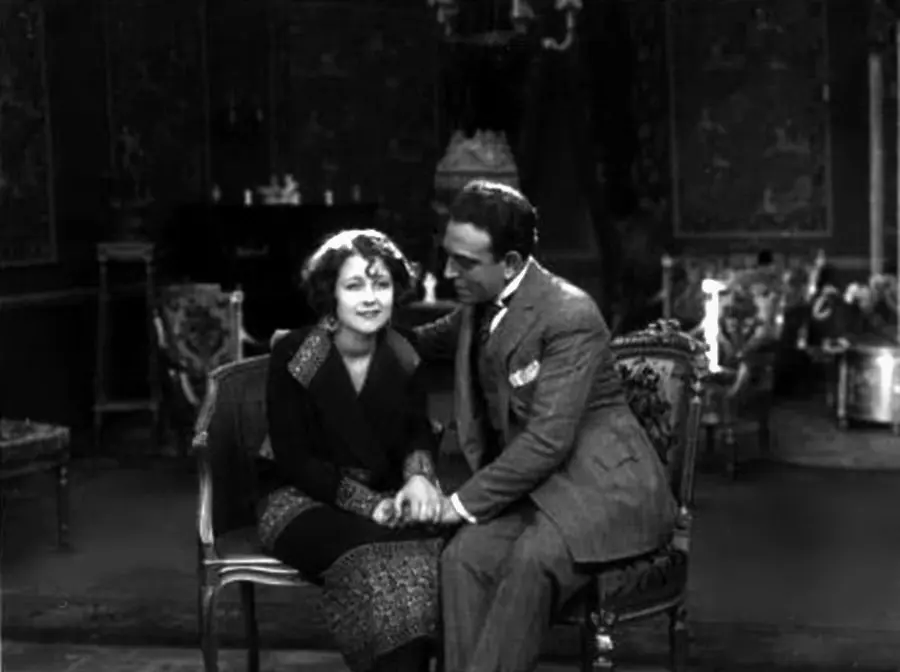
This film serves as a precursor to the great tango films of the 1930s, where the themes of betrayal, lost love, and the cruelty of fate would become central motifs. It shares a certain spiritual kinship with Chains of the Past, as both films deal with the inescapable nature of one's history and the way the past dictates the present. The 'mystery' in the title refers not just to a specific plot point, but to the inscrutable nature of luck itself.
When we look at the broader cinematic output of 1924, such as the tragic grandeur of Tess of the D'Urbervilles, Irigoyen’s work seems almost avant-garde in its dedication to a specific urban subculture. It lacks the pastoral romanticism of Rose o' Paradise or the sentimentalism of The Girl I Loved. Instead, it offers a cynicism that feels remarkably modern. The film suggests that in the world of the turf, everyone has a price, and the only truly innocent creatures are the horses themselves.
The narrative structure, while linear, occasionally dips into the surreal, particularly during the sequences involving the 'mysteries' of the underworld. There is a touch of the uncanny, perhaps not as overt as in The Ouija Board, but present nonetheless in the way the film treats the superstition of the gamblers. The 'cábalas' (rituals) and the reliance on omens provide a psychological depth that elevates the film above a simple crime thriller.
For decades, many of these early Argentine silents were relegated to the footnotes of film history, often overshadowed by the golden age that followed. However, a contemporary re-evaluation of Los misterios del turf argentino reveals a work of significant artistic merit. It is a vital piece of the puzzle in understanding how South American cinema developed its own voice, separate from the dominant European and American models. It possesses a grit that makes Brigadier Gerard look like a stage play and a social conscience that rivals the works of the era's most celebrated directors.
The film’s exploration of the 'underdog'—a theme ubiquitous in cinema from The Fotygraft Gallery to the most modern sports dramas—is handled with a specific regional pathos. We aren't just rooting for a horse; we are rooting for the survival of the human spirit in a system designed to crush it. The ending, which avoids the easy resolutions of Hollywood, leaves the viewer with a sense of melancholic reflection, much like the quiet desperation found in Passing Night.
Los misterios del turf argentino is more than a movie about horse racing; it is a cinematic artifact that captures the soul of 1920s Argentina. It is a world of fedoras, long coats, whispered secrets, and the unrelenting hope of the next race. Julio Irigoyen created a work that is as much about the geography of the human heart as it is about the geography of the racetrack. It remains a testament to the power of silent film to communicate complex social truths through the simple, evocative power of the image. For any serious student of film history, or for those who simply wish to be transported to a time of high stakes and deep shadows, this film is an essential experience. It stands alongside Idolators as a study of obsession, but it grounds that obsession in the dust and sweat of the real world.
A haunting, rhythmic, and visceral journey into the heart of the Argentine turf.
IMDb —
1919
Community
Log in to comment.