DbcultAccessing Vault...
Cult Review
Senior Film Conservator

Alright, so The Elephant's Elbows isn't for your average Friday night popcorn crowd. If you like your movies fast, with clear-cut plots and heroes, you’ll probably be checking your watch every ten minutes. But for those of us who appreciate a quiet, almost meditative pace, or who are drawn to really peculiar characters, this one might just sneak up on you. It’s definitely not a conventional watch, and it demands a certain patience. Maybe grab a cup of tea, not a soda.
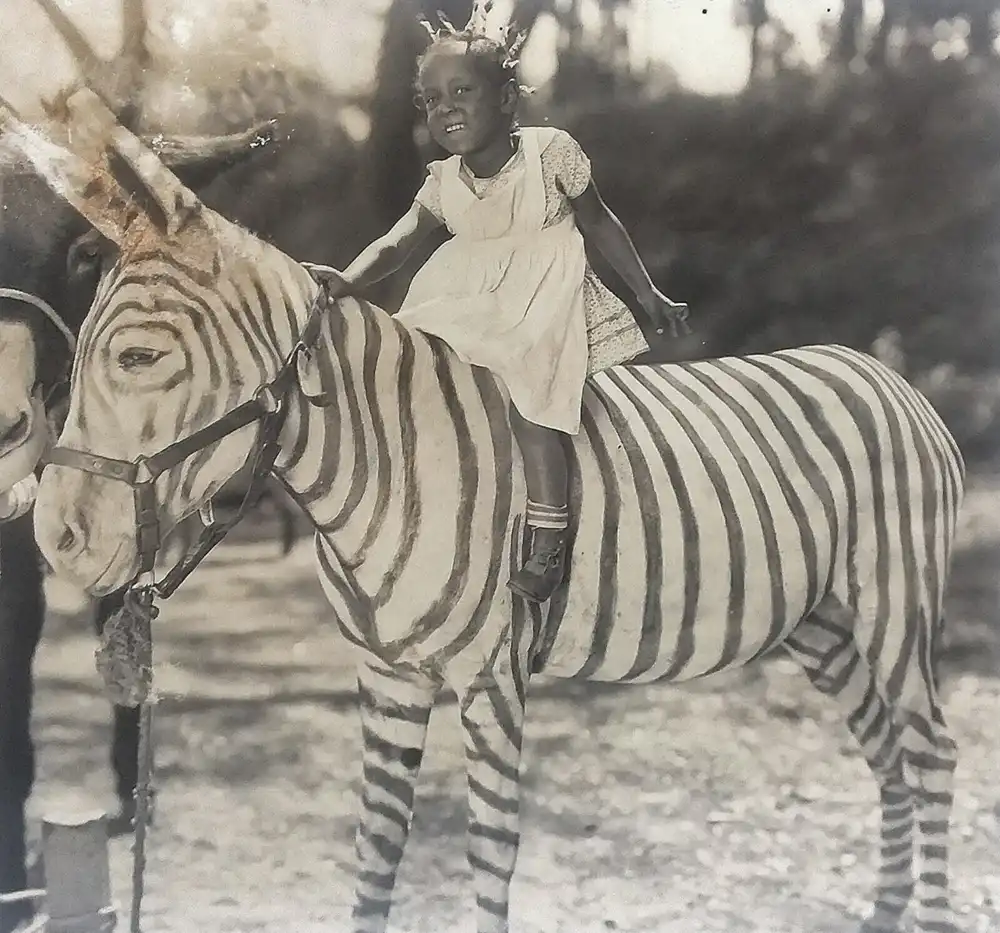
Paralee Coleman plays Elara, and she’s just… something else. Her character doesn't really do much in the traditional sense, but she observes. The camera often just sits on her face, and you see this whole world churning behind her eyes. There's a scene, I'm thinking maybe halfway through, where she’s just staring at a chipped teacup on a window sill. For like, a full minute. Most films would cut away, but this one just lets her look. And you start to wonder what she’s seeing in that chip, or the dust motes in the sunlight.
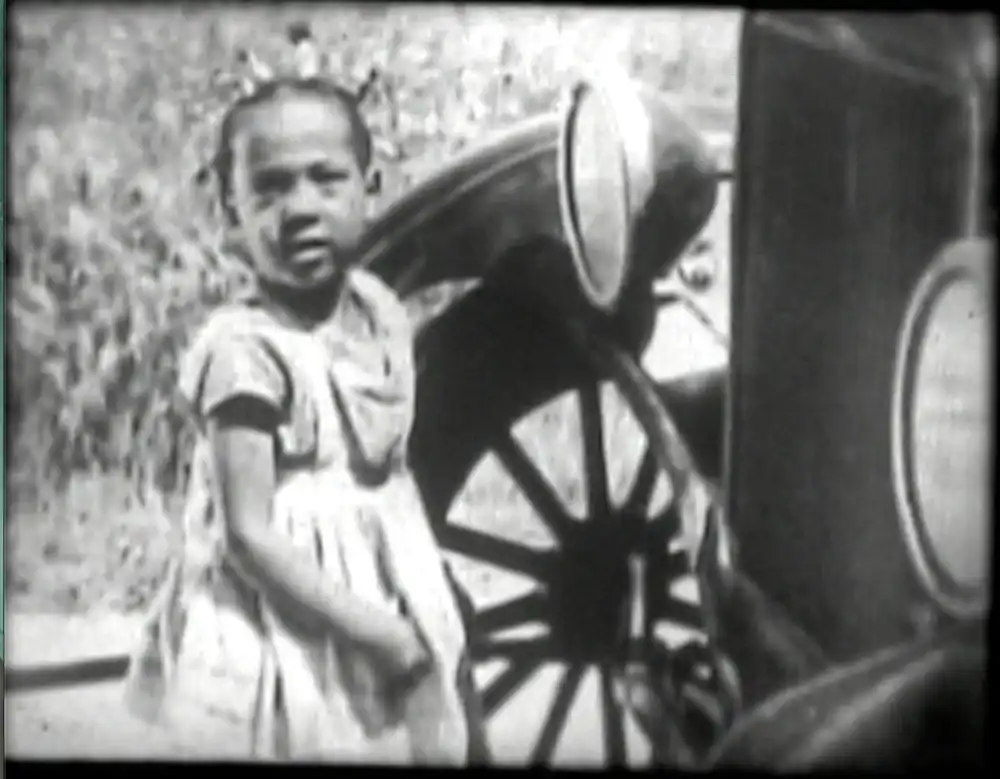
Her interactions with Leon Janney’s character, Arthur, are the real meat of it. Arthur is this gruff, practical man, completely baffled by Elara's way of being. He keeps trying to make sense of her, to pull her into his reality. You can almost feel him straining to connect, but he's just speaking a different language. It's not a big, dramatic romance; it’s more about two utterly different people trying to exist in the same space.
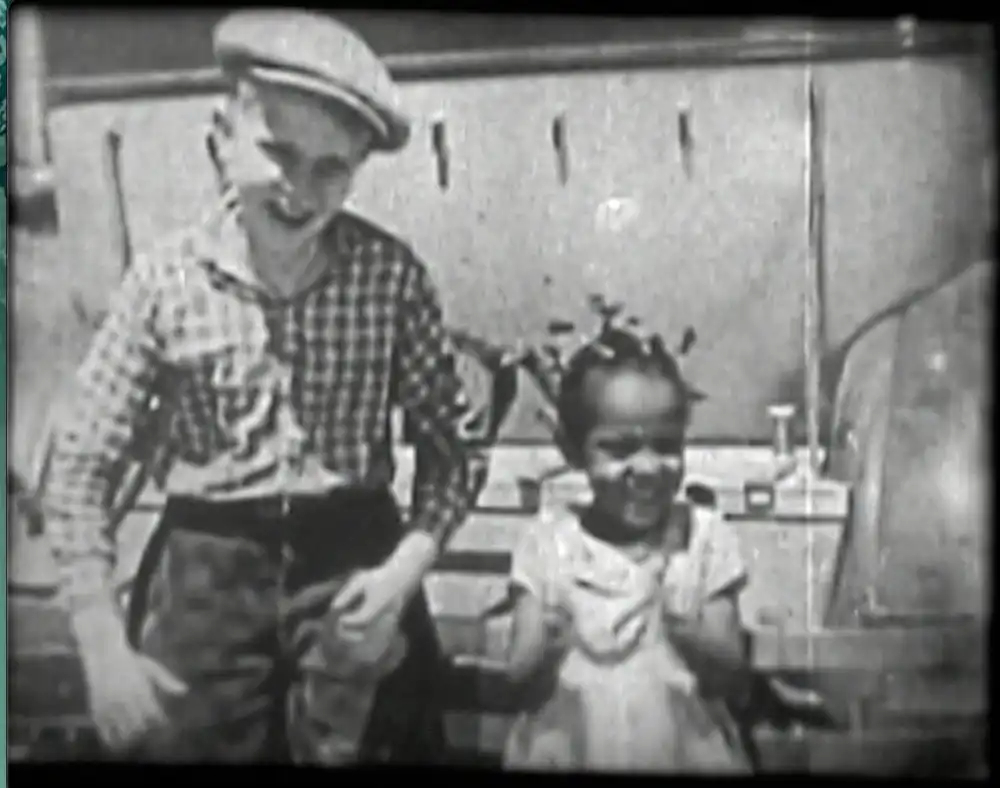
There's this one moment where Elara describes what she calls "the elephant's elbows"—not actual elephant parts, obviously, but this feeling of seeing the awkward, hidden mechanics of everyday things. Like the hinge on an old door, or how a shadow falls just so on a forgotten toy. Arthur just stares at her, completely lost. His expression in that moment is just perfect; you feel his entire world tilting slightly.

The pacing, oh man. It’s a slow burn, for sure. Sometimes you wonder if anything is even happening. The movie doesn't rush, not ever. It’s like it wants you to slow down, too, to really sit with these characters and their quiet lives. There’s a shot of a barren tree, probably for a good fifteen seconds, just before a very subtle shift in the light. It's not *necessary* to the plot, but it just feels right for the film's vibe. You can almost feel the chill in the air.
I found myself thinking about that strange little bird Elara keeps in a cage, too. It never sings, just hops around. It feels like a reflection of her, maybe. Or Arthur, trapped by his own expectations. The film doesn't spell it out, which I appreciate. It just is.
A small thing: the sound design. The way the wind whistles through the cracks in the house, or the distant clatter of something outside. It’s all very sparse, but it makes those quiet moments feel even bigger. You notice the creak of the floorboards, the rustle of Elara's clothes. It makes the world feel very tactile.
This isn't a film that gives you answers. It asks you to observe, to feel, to sit in the awkwardness. It’s a bit messy, a bit unresolved, and that's precisely its strength. It’s the kind of film that sticks with you not because of a huge plot twist, but because of a lingering feeling. Like a faint echo. 👂
IMDb 4.4
1925
Community
Log in to comment.