DbcultAccessing Vault...
Cult Review
Senior Film Conservator
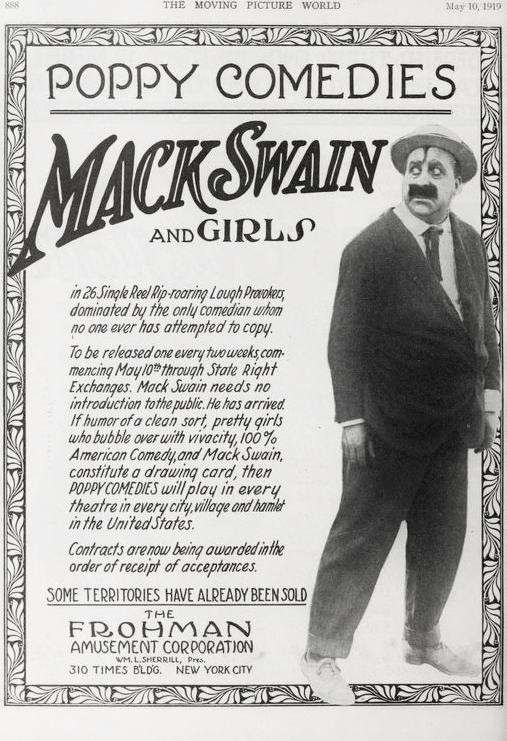
Stepping into the world of early silent cinema, one often encounters figures whose comedic prowess, though perhaps less globally recognized today than a Chaplin or Keaton, was undeniably foundational to the art form. Mack Swain is one such titan, and in 'Ambrose in Turkey,' he delivers a performance that is both a masterclass in physical comedy and a fascinating window into the cultural anxieties and fascinations of the early 20th century. The film, a riotous romp through a caricatured Ottoman landscape, serves as more than just a series of gags; it’s a vibrant tapestry woven with threads of misunderstanding, cultural clash, and the enduring charm of a well-meaning buffoon. From the moment Ambrose, Swain’s signature character, steps off the boat, his very presence becomes a magnet for delightful chaos, a testament to the universal language of comedic ineptitude.
The genius of Swain’s Ambrose character lies in his unwavering sincerity amidst utter pandemonium. He’s not malicious; he’s simply out of his depth, a fish out of water in a vast, complex ocean of unfamiliar customs and languages. His earnest attempts to communicate, to negotiate, and merely to exist within this foreign environment are the engine of the film’s humor. We laugh not just at him, but with a certain sympathy for his predicament. The film smartly capitalizes on the visual humor inherent in cultural differences, transforming simple gestures and traditional ceremonies into springboards for elaborate misunderstandings. It's a style of comedy that, while perhaps simplistic by modern standards, was incredibly effective in its era, relying heavily on the actor’s expressions and physical dexterity to convey narrative and emotion.
Mack Swain, with his imposing stature and distinctive walrus mustache, was a formidable presence in silent comedy. His ability to convey a wide range of emotions, from befuddled confusion to indignant frustration, without uttering a single word, is truly remarkable. In 'Ambrose in Turkey,' he fully embodies the spirit of the 'American abroad' trope, a character type that would become a staple in subsequent decades. His physical comedy is precise, yet seemingly effortless, whether he’s navigating a crowded bazaar with the grace of a runaway locomotive or attempting an impromptu dance with the agility of a bewildered bear. It's a performance that highlights why he was such a valued member of various comedy troupes, including those of Mack Sennett. Comparing his nuanced physical performance to the more overt slapstick of, say, some moments in Squabs and Squabbles, one can appreciate the subtle differences in comedic approach even within the broader genre of silent farce. Swain often brought a grounded, almost melancholic quality to his characters, making their predicaments feel more relatable than purely absurd.
The film’s setting in Turkey is not merely a backdrop; it is an active participant in the comedic unfolding. The vibrant, bustling streets of Istanbul, with its exotic architecture, traditional costumes, and unfamiliar customs, provide a fertile ground for Ambrose’s blunders. The juxtaposition of his Western attire and mannerisms against the rich tapestry of Ottoman culture is a constant source of visual humor. The filmmakers, though likely taking liberties with historical accuracy for comedic effect, manage to evoke a sense of place that feels both grand and intimate. This use of an 'exotic' locale for comedic contrast can be seen in other films of the era, albeit with varying degrees of cultural sensitivity. While 'Ambrose in Turkey' leans into caricature, it does so with a certain naive charm, aiming for laughter rather than malice.
The plot, while ostensibly centered around a trade deal, quickly devolves into a delightful series of unrelated mishaps. Ambrose's attempts at formal negotiation transform into a hilarious game of charades, where gestures are misinterpreted, and intentions are lost in translation. One particularly memorable sequence involves his encounter with a dignified Pasha, where his efforts to impress with American business acumen only lead to further confusion and polite, yet bewildered, smiles. This kind of humor, rooted in the failure of communication, is a timeless comedic device, as effective today as it was a century ago. It’s a theme that even echoes, in a more dramatic context, the personal struggles of characters trying to find their place in the world, much like the introspective journey explored in a film such as The Soul of a Child, albeit with vastly different emotional outcomes.
The introduction of the mistaken identity subplot elevates the chaos to another level. Ambrose, through no fault of his own, becomes entangled with both a shadowy spy ring and an overly enthusiastic local family convinced he is their long-lost relative. This dual pursuit provides ample opportunity for classic silent film gags: frantic chases, narrow escapes, and increasingly absurd disguises. The scene where Ambrose, donning an ill-fitting fez, accidentally swaps places with a street performer, forcing him into an impromptu belly dance, is a comedic highlight. It’s a moment of pure, unadulterated physical comedy that perfectly encapsulates the film’s madcap spirit. This kind of mistaken identity and ensuing chase sequence is a common trope in early cinema, often seen in films like There Goes the Bride, though 'Ambrose in Turkey' injects a unique cultural flavor into the formula.
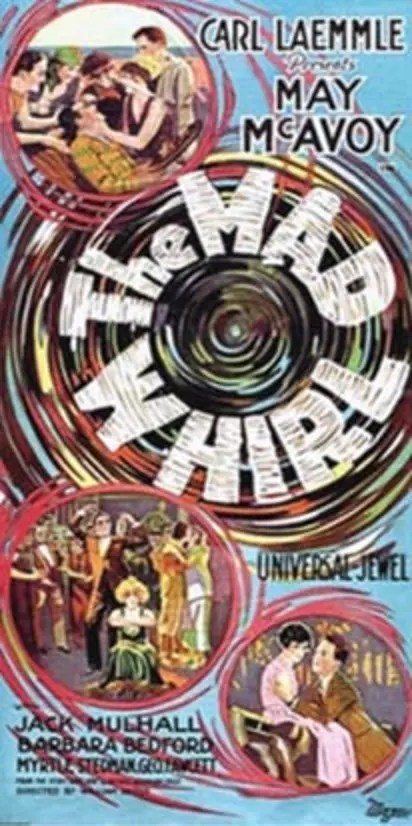
Technically, 'Ambrose in Turkey' showcases the burgeoning craft of early filmmaking. The cinematography, while constrained by the technology of the era, effectively captures the energy of the bustling Turkish setting. The editing, crucial for comedic timing in silent films, is sharp and precise, allowing the gags to land with maximum impact. The use of intertitles is economical, serving to advance the plot or deliver punchlines without bogging down the visual flow. It’s a testament to the filmmakers’ understanding that silent comedy thrives on visual storytelling. The film's pacing is relentless, moving from one comedic set piece to the next with admirable efficiency, a quality that might even be admired by those who appreciate the tightly wound narrative of a drama like When Fate Decides, despite their vastly different tonal landscapes.
The supporting cast, though largely playing archetypal roles, contributes significantly to the film’s vibrant atmosphere. The frantic spies, the overly demonstrative family, and the stoic local officials all provide excellent foils for Ambrose’s bumbling. Their reactions, often a mix of confusion, amusement, and exasperation, are as crucial to the comedy as Swain’s own performance. This ensemble dynamic, where the protagonist's actions ripple through a community, is a hallmark of many silent comedies. It's a collective effort to build a world where the extraordinary becomes commonplace, and the mundane becomes a source of endless laughter.
Viewing 'Ambrose in Turkey' through a modern lens, one must acknowledge the potential for cultural insensitivity inherent in its comedic portrayal of a foreign land. While the film’s intentions were undoubtedly to entertain rather than offend, its reliance on stereotypes and exoticism reflects the prevailing attitudes of its time. However, even with this caveat, the film remains a valuable historical document, offering insight into how different cultures were depicted and consumed in early popular media. It’s a reminder of how far cinematic representation has evolved, and how much further it still needs to go. Yet, the core humor of human fallibility and the universal language of a good pratfall transcend these historical limitations.
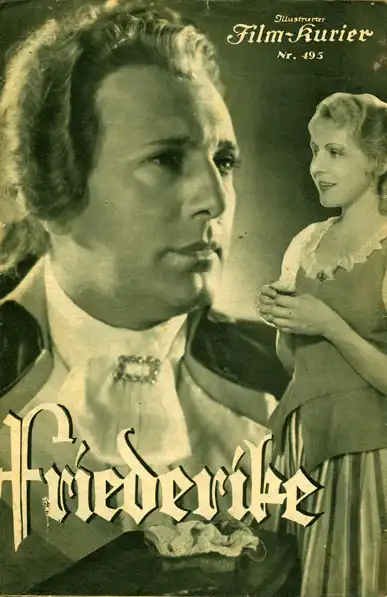
Ultimately, 'Ambrose in Turkey' is a delightful artifact of silent cinema, a testament to Mack Swain's enduring comedic talent and the inventive spirit of early filmmakers. It offers a charmingly chaotic journey, replete with mistaken identities, cultural misunderstandings, and a healthy dose of slapstick. While it may not possess the profound dramatic weight of a film like East Lynne or the thrilling suspense of The Leopard Woman, its contribution to the comedic landscape is undeniable. It’s a film that invites us to laugh at the absurdity of life, at the challenges of navigating an unfamiliar world, and at the endearing clumsiness of a character who, despite all odds, somehow manages to stumble his way through to a surprisingly amusing resolution. It reminds us that sometimes, the greatest successes are found not in achieving our initial goals, but in the unexpected detours and the laughter they provoke. The film is a vibrant splash of color in the monochrome world of silent film, a truly engaging watch for anyone with an appreciation for the foundational elements of screen comedy and the inimitable artistry of Mack Swain.
IMDb —
1918
Community
Log in to comment.