DbcultAccessing Vault...
Cult Review
Senior Film Conservator

In the hallowed halls of early cinema, where narratives often unfolded with a stark moral clarity and emotional resonance was conveyed through grand gestures and poignant expressions, a film like An Alabaster Box emerges not merely as a relic of its time but as a potent, enduring commentary on human frailty, societal condemnation, and the arduous path to redemption. This cinematic endeavor, crafted by the collective vision of writers Mary Eleanor Freeman, A. Van Buren Powell, and Florence Morse Kingsley, delves into the harrowing aftermath of scandal, exploring how a community’s collective memory can become a suffocating shroud, stifling any hope of absolution for those touched by its blight. It is a testament to the evocative power of silent storytelling, where every deliberate gesture, every flicker of an eye, and every meticulously composed frame carries the immense weight of unspoken emotion and profound societal critique, demanding a nuanced reading from its audience.
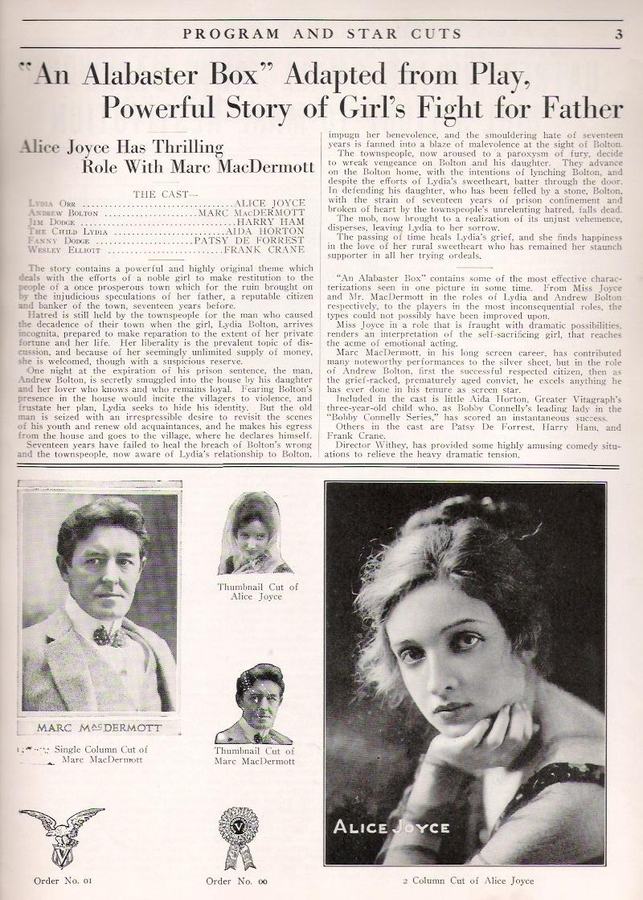
At its core, An Alabaster Box presents the tragic saga of young Lydia Bolton, portrayed with an understated intensity by Aida Horton, whose performance anchors the film’s emotional landscape. Her childhood, once presumably idyllic within the grand, emblematic Bolton mansion, is brutally truncated by the ignominious downfall of her father, Andrew Bolton. A man whose desperate financial misdeeds lead him to prison and absolute ostracism, Andrew, played by Marc McDermott with a palpable sense of defeat and shame, becomes a broken figure whose past transgression casts an inescapable, generational shadow over his innocent daughter. The town, rather than offering succor or understanding, hardens its heart with a chilling unanimity, transforming the Bolton name into a byword for disgrace. The once-proud family home, now abandoned and decaying, becomes a physical manifestation of their tarnished legacy, a stark monument to the community’s unforgiving nature and its unwavering commitment to holding onto past grievances. This initial setup lays a deeply unsettling foundation of pervasive prejudice that Lydia, years later, must confront and ultimately, through immense personal sacrifice, attempt to dismantle.
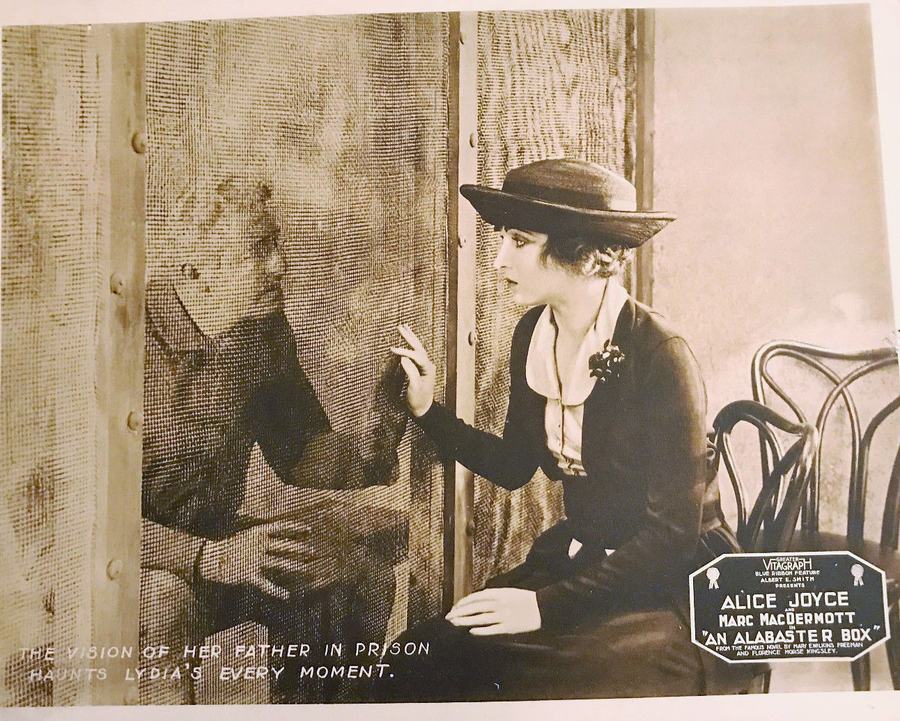
Lydia’s eventual return, veiled under the assumed identity of Lydia Orr, is a masterstroke of dramatic irony and narrative tension. She arrives not as a supplicant seeking forgiveness, nor as a triumphant heir, but as an anonymous benefactor, her purse open, her intentions ostensibly pure, yet laden with the unspoken desire for reconciliation. Yet, the town’s ingrained cynicism, festering for years, proves impenetrably thick. Her initial acts of generosity, particularly her substantial contributions at a local church festival—an act that in any other circumstance would be lauded and celebrated—are met not with gratitude but with immediate suspicion and disparaging remarks. The community, still rigidly clinging to the narrative of Bolton villainy, is utterly incapable of perceiving her actions through a lens of genuine altruism. This immediate, disheartening rejection highlights a central, timeless theme of the film: the pervasive nature of prejudice and how deeply ingrained preconceived notions can utterly blind individuals to the truth, twisting even the most noble gestures into perceived slights or ulterior motives. The very act of her residing in the same boarding house as the town’s young minister, a figure of moral authority and community leadership, immediately ignites a wildfire of baseless scandal, demonstrating the town’s alarming readiness to condemn based on superficial appearances and historical bias, rather than actual evidence or present-day character.
The dramatic tension, already palpable, escalates significantly when Lydia embarks on a seemingly eccentric, yet deeply symbolic, quest: purchasing the dilapidated Bolton mansion, her childhood home, and then offering exorbitant prices for antique furniture from the townspeople. This move, designed perhaps to subtly inject wealth back into the struggling community, to reclaim a piece of her lost past, or even as a desperate bid for acceptance, paradoxically exposes the town’s underlying avarice and further divides its populace. A frenzied rush ensues, driven by the lure of easy money, as residents scramble to offload their heirlooms. However, a handful of more discerning individuals, sensing Lydia's true character and perhaps a flicker of something beyond mere eccentricity, attempt to shield her from the more predatory elements of the town. This creates a fascinating internal conflict within the community, splitting it into two hostile camps: those eager to profit from her perceived naiveté and a smaller, more cautious contingent who, however tentatively, begin to see beyond the tarnished Bolton name. This dynamic is not unlike the moral quandaries explored in films such as The Question, where societal divisions are often predicated on the stark contrast between self-interest and ethical consideration. The narrative masterfully portrays how even acts of profound benevolence can be twisted, misinterpreted, and exploited when filtered through a prism of long-held grudges, economic desperation, and deeply ingrained social anxieties.
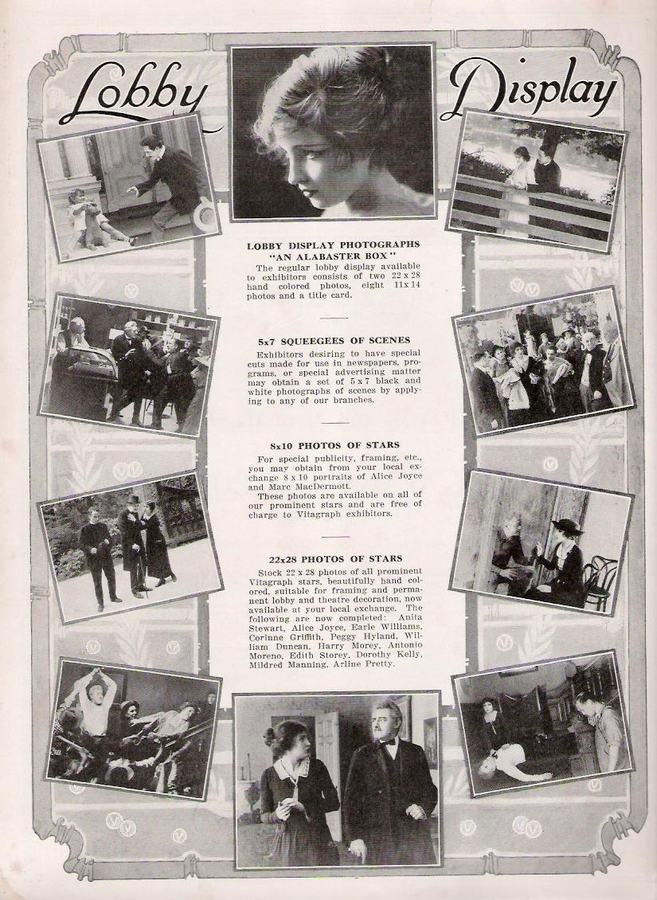
Adding a delicate, yet impactful, layer of personal anguish to Lydia’s public struggles is the presence of the minister's sweetheart, whose burgeoning jealousy over Lydia’s interactions with the young clergyman further complicates an already precarious situation. Alice Joyce, in this role, subtly conveys the emotional turmoil of a woman caught between societal expectations of propriety and personal insecurity. This subplot, while seemingly secondary to the overarching drama of community redemption, serves to humanize the conflict, demonstrating that even those who might otherwise be sympathetic can be swayed by petty emotions and misinterpretations. It’s a nuanced portrayal of how individual feelings can intersect with and exacerbate broader community tensions, adding a touch of romantic melodrama typical of the era, yet still impactful in its exploration of human fallibility. The silent film medium, without dialogue, relies heavily on these visual cues and the actors’ expressive performances to convey such intricate emotional states, and Joyce’s portrayal here is a testament to that craft.
The true turning point, the crucible in which all these simmering tensions finally boil over, is the unexpected and profoundly unsettling return of Andrew Bolton. His release from prison, a spectral figure from the town’s past, is the ultimate catalyst that threatens to unravel all of Lydia’s painstaking efforts and sacrifices. Frank Hall Crane, as the senile, bewildered Andrew, delivers a truly poignant performance, capturing the pathos of a man stripped of his dignity, his memory, and his faculties. Lydia, alongside her nascent group of loyal friends, including Harry Ham and Patsy De Forest in crucial supporting roles, desperately attempts to conceal his identity, understanding the volatile nature of the town’s long-held, visceral hatred. Their efforts, however, prove futile in the face of Andrew's own disorientation. The old man, perhaps seeking a final, desperate act of self-affirmation or simply lost in his own fading mind, wanders into the country store and, in a moment of tragic clarity or delusion, proclaims his identity. This single, inadvertent act detonates the collective fury that had been suppressed for years, lying dormant beneath the surface of the community. The town, utterly blind to Lydia’s quiet benevolence, her selfless acts, and her genuine attempts at reconciliation, redirects its pent-up hatred from the father to the daughter with terrifying swiftness. The mob mentality, a terrifying and irrational force depicted with chilling clarity, takes hold. It is a visceral portrayal of how quickly reason can abandon a crowd, transforming individuals into an unthinking, destructive mass, echoing the themes of irrational public sentiment and societal ostracism found in films like The Wild Olive, where individuals are often judged and condemned by the court of public opinion before any true investigation of character or motive.
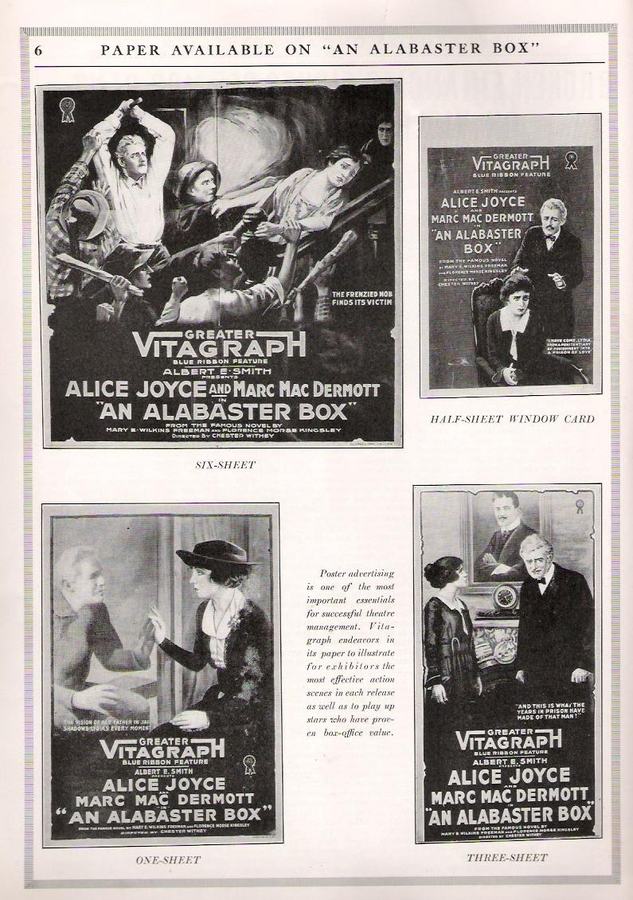
The climactic sequence of An Alabaster Box is a harrowing descent into chaos and violence. The townspeople, fueled by vengeance, historical grievance, and misguided righteousness, rush to the old Bolton home, intent on wrecking it and lynching Andrew. The visual spectacle of the enraged mob converging on the mansion is a powerful cinematic moment, conveying both the raw, untamed energy of collective fury and the stark vulnerability of those targeted. In this maelstrom of escalating violence, the minister and Lydia’s sweetheart, having shed their earlier reservations, jealousies, and societal pressures, bravely step forward to protect Lydia and her father. This moment of courageous solidarity is crucial, signifying a pivotal shift in the moral landscape of the town, however small and belated. It is a testament to the idea that even in the darkest hours, individual acts of bravery and compassion can emerge, offering a glimmer of hope against the overwhelming tide of hatred. However, before the full extent of the mob’s destructive intent can be realized, tragedy strikes: Andrew Bolton, overwhelmed by the chaos and his own frailties, collapses and dies. His death, sudden and profoundly poignant, serves as a grim, unexpected denouement to the escalating violence. It is a moment of profound shock that shatters the mob's bloodlust, dispersing them not through force, but through the sobering, undeniable weight of mortality. The silent film medium excels in conveying such dramatic turns, relying on powerful visual cues, the actors’ expressive faces, and the audience’s deep emotional engagement to deliver maximum impact without a single spoken word.
This tragic climax is not merely an ending but a profound reawakening for the community. In the immediate aftermath of Andrew’s death, the townspeople are forced, perhaps for the first time, to confront the true cost of their prejudice and the devastating consequences of their unyielding malice. The raw emotion of the scene, particularly in the performances of Horton and McDermott, leaves an indelible mark on the viewer. The film suggests that only through such a devastating loss, a direct and undeniable consequence of their unyielding hatred, can their collective blindness finally be lifted. They begin to see Lydia not as the cursed daughter of a disgraced man, but as the selfless individual who tirelessly worked for their well-being, whose every act of generosity was systematically misconstrued. The final moments hint at a nascent understanding, a dawning realization of her true efforts and character, a painful but necessary path towards a more enlightened perspective. This narrative arc, from initial condemnation to a grudging, then full, recognition of worth, is a powerful statement on the potential for societal change, albeit one often born from sorrow and profound introspection. This element of delayed recognition and the eventual triumph of truth over entrenched prejudice is a cornerstone of many compelling dramas, including those that explore the complexities of hidden identities and public perception, such as Masks and Faces, where the true self often remains obscured beneath layers of societal expectation and performative roles.
The brilliance of An Alabaster Box lies in its unflinching examination of inherited guilt and the arduous struggle for individual redemption within a hostile social environment. Aida Horton’s portrayal of Lydia is particularly commendable; she embodies a quiet strength, a resilient spirit born not of aggressive defiance but of an unwavering moral compass and a deep sense of familial loyalty. Her journey is one of profound empathy, as she navigates a treacherous landscape of gossip, suspicion, and outright hostility, all while maintaining her dignity and purpose. The film's direction, typical of the early 20th century, relies heavily on sophisticated visual storytelling, using evocative close-ups to convey nuanced emotion and carefully composed wide shots to establish the oppressive atmosphere of the small, judgmental town. The intricate interplay between the individual's noble intentions and the community's collective prejudice creates a timeless tension that resonates far beyond the silent era, speaking to universal human experiences.
Moreover, the film serves as a fascinating historical document, offering invaluable insights into the social mores, economic anxieties, and moral frameworks of its period. The pervasive fear of financial ruin, the rigid class distinctions, and the almost tyrannical power of rumor and reputation are all vividly depicted, providing a window into the societal anxieties of early 20th-century America. The complex role of the church, initially a site of Lydia’s public rebuff, later becomes a backdrop for the minister’s moral awakening, highlighting its multifaceted position within the community as both a source of judgment and a potential beacon of ethical guidance. The narrative’s careful, almost methodical construction allows for a gradual, organic unfolding of character and theme, ensuring that the audience's sympathy for Lydia deepens irrevocably with each rejection and misinterpretation she faces. The collaborative efforts of the writers – Freeman, Powell, and Kingsley – demonstrate a keen understanding of human psychology and dramatic pacing, crafting a story that is both emotionally resonant and intellectually stimulating. Their screenplay, despite the inherent limitations of the silent medium, conveys a rich, complex tapestry of human experience that transcends its era.
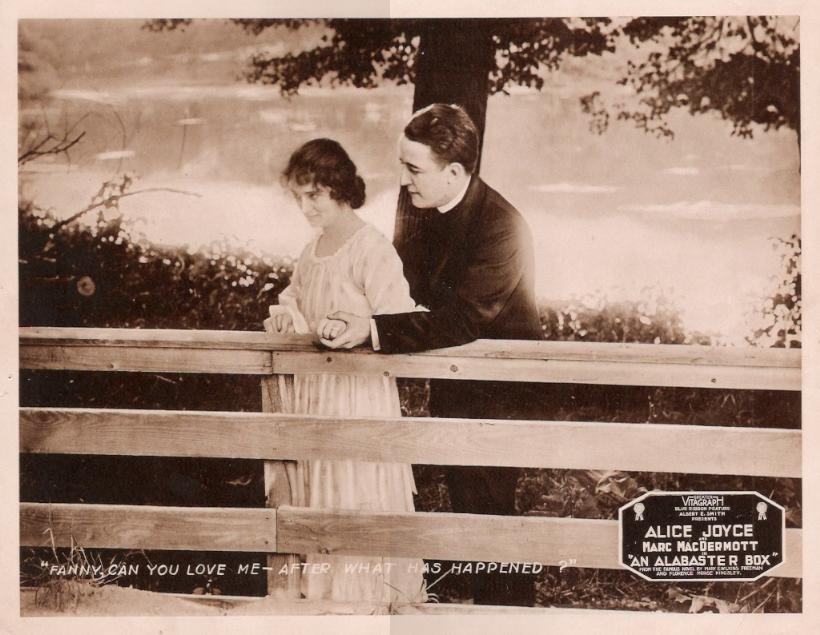
The ensemble cast, including the nuanced performances from Harry Ham as a steadfast, loyal friend, Alice Joyce as the initially jealous but ultimately courageous sweetheart, and Patsy De Forest in a supportive role, all contribute significantly to the film’s profound emotional depth and narrative integrity. Their individual and collective interactions with Lydia, particularly the subtle shifts in their perceptions and allegiances, are crucial to the narrative's ultimate, if bittersweet, resolution. The transformation of the minister's sweetheart from a figure of petty jealousy to one of courageous defense is particularly impactful, underscoring the film’s hopeful message about the potential for individual growth and understanding, even in the face of deep-seated societal biases. This collective portrayal of a community in flux, grappling with its own moral failings and slowly, painfully, coming to terms with its past, elevates An Alabaster Box beyond a simple melodrama into a profound and lasting social commentary. It reminds us that appearances can be deceiving, that reputations are fragile, and that true character is often revealed not in moments of prosperity, but in adversity, and in the willingness to extend grace where it is least expected and most desperately needed. The film, through its masterful use of silent cinematic techniques, manages to convey an intricate web of social dynamics and personal struggles with remarkable clarity and emotional power.
In its stark depiction of mob hysteria and eventual, hard-won repentance, An Alabaster Box stands as a powerful cinematic admonition against the inherent dangers of unchecked prejudice and collective delusion. The film asks us, the audience, to consider the true meaning of forgiveness and the arduous, often painful, journey required to earn it—not just from others, but from a community that has long harbored resentment and nursed old wounds. It is a story that, despite its silent origins and historical context, speaks volumes about the enduring human struggle for acceptance, the crushing weight of inherited shame, and the redemptive power of selflessness and unwavering moral conviction. The final image, though undeniably tinged with tragedy and the lingering echoes of past wrongs, offers a glimmer of profound hope: that even the most hardened hearts can eventually be softened by truth, and that the light of genuine human connection and empathy can ultimately pierce through the darkest shadows of collective malice and ignorance. This film, therefore, is not just a historical curiosity or a mere artifact of early cinema, but a timeless work that continues to provoke thought, stir the conscience, and illuminate the complexities of the human condition, solidifying its place as a true gem of early American cinema.
IMDb —
1917
Community
Log in to comment.