DbcultAccessing Vault...
6.7/10
Senior Film Conservator
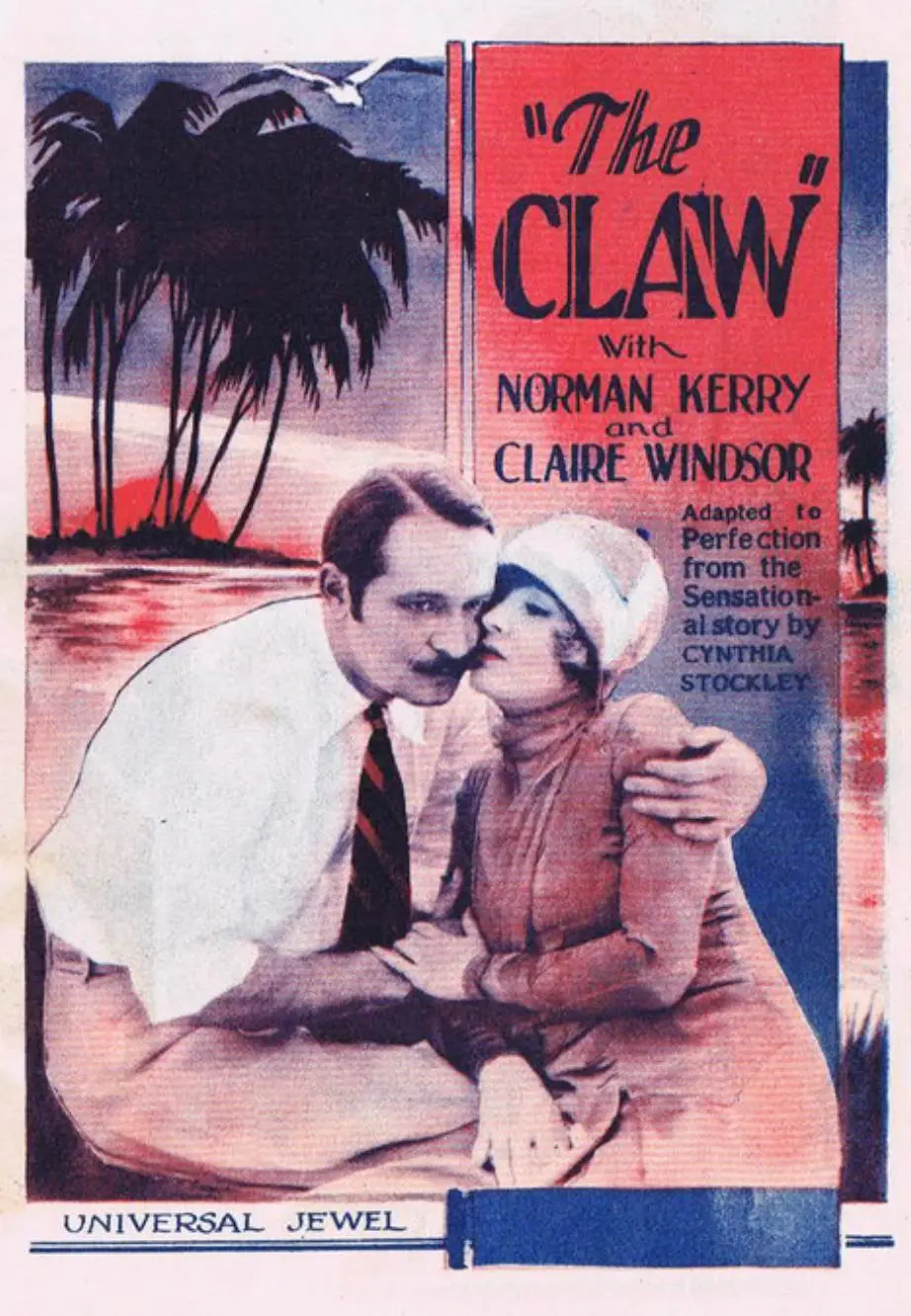
A definitive 6.7/10 rating for a film that redefined the boundaries of cult cinema. The Claw remains a cornerstone of transgressive art.
Is The Claw a lost gem of the silent era that deserves a modern restoration? Short answer: No, it is a rigid historical artifact that functions better as a sociological study than a piece of gripping entertainment. This film is for the dedicated silent cinema archivist who finds joy in the technical evolution of the 1920s; it is definitively not for the casual viewer seeking a fast-paced adventure or a nuanced depiction of African life.
This film works because it captures the specific, claustrophobic anxiety of British colonial life through the expressive, if occasionally overwrought, performance of Claire Windsor. It fails because the narrative momentum is frequently sacrificed for stagnant social posturing and a 'Claw' metaphor that feels more like a light scratch by the second act. You should watch it if you want to understand how 1920s Hollywood mythologized the 'Dark Continent' as a backdrop for white melodrama.
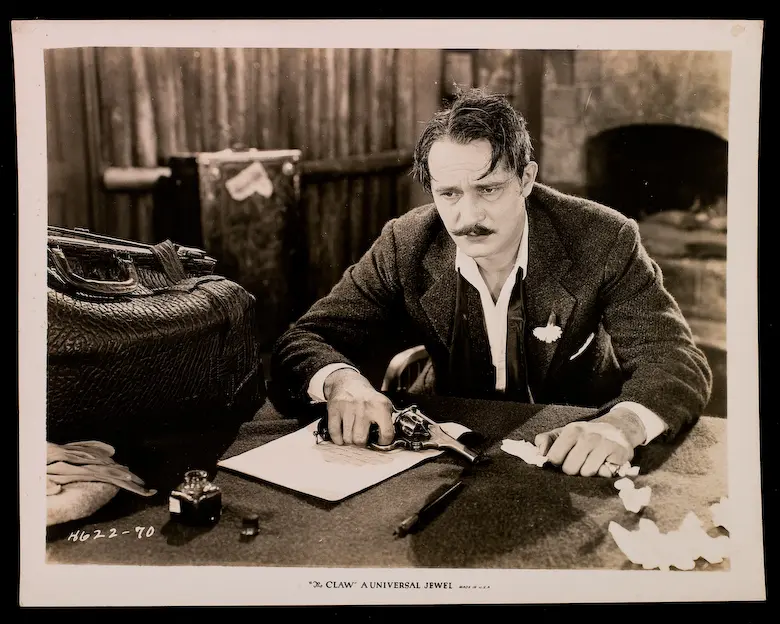
In 1927, the world was on the cusp of the 'talkie' revolution, but The Claw remains firmly rooted in the visual language of the mid-20s. Based on the writing of Cynthia Stockley, the film attempts to translate the 'South African' experience through a lens of high-society drama. Maurice Stair, played with a stiff-upper-lip resolve, arrives in Africa not as an explorer, but as a manager. This distinction is vital. The film isn't about the thrill of discovery; it's about the burden of maintenance.
The plot moves with a deliberate, almost glacial pace. Unlike the kinetic energy found in films like Cops, which utilized the frame for physical comedy and movement, The Claw treats the screen like a proscenium arch. The drama is internal and social. When Stair interacts with the local elite, the tension isn't found in what is said, but in the lingering close-ups of Arthur Edmund Carewe and Claire Windsor. The 'Claw' of the title refers to the way the land—and its social expectations—grabs hold of a man and refuses to let go. It’s a cynical premise for a 1927 film, yet it’s handled with a surprisingly soft touch.
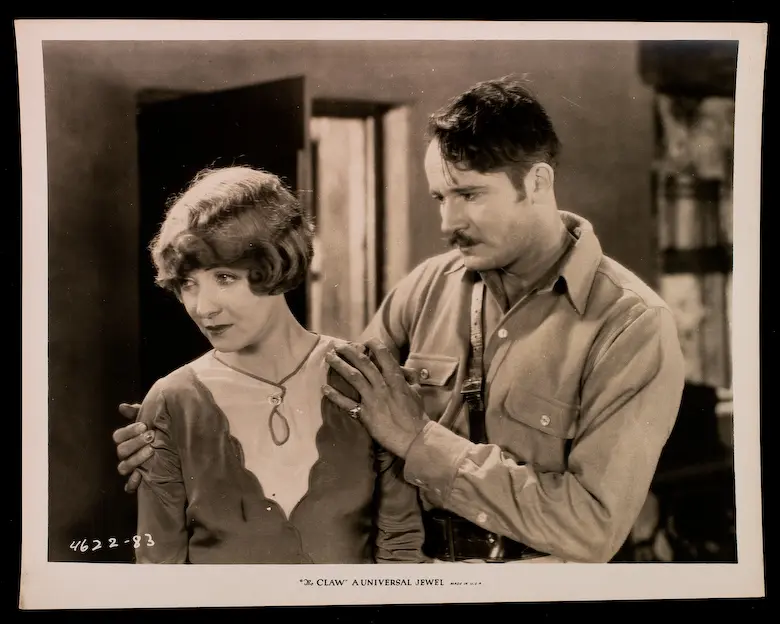
Claire Windsor was the 'Goldwyn Girl' for a reason. Her presence on screen is luminous, even when the script asks her to do little more than look distressed in expensive furs. In one specific scene—a dinner party where the heat of the African night is meant to be palpable—Windsor uses her eyes to convey a sense of trapped desperation that the title cards fail to capture. It is a masterclass in silent era 'vamping' that feels grounded rather than theatrical.
Norman Kerry provides a solid, if unremarkable, foil to Windsor. His performance lacks the magnetic eccentricity seen in European imports like Le brasier ardent, but he serves his purpose as the rugged protagonist. The real standout, however, is Arthur Edmund Carewe. Carewe had a knack for playing the sinister or the 'other' in silent film, and here he brings a level of predatory stillness that actually justifies the film's title. When he shares a frame with Stair, the power dynamic is clear without a single word being uttered.
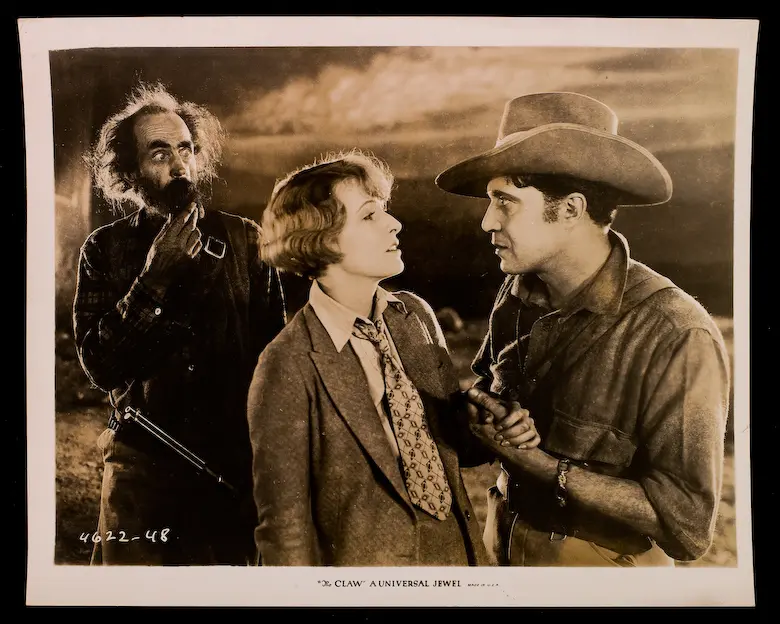
One cannot discuss The Claw without addressing its visual representation of Africa. Much like Jacques of the Silver North reimagined the Canadian wilderness, The Claw creates a version of Africa that feels suspiciously like a California ranch with a few transplanted palms. This isn't a criticism of the production design—which is quite lavish for the time—but an observation of the era's limitations. The lighting, however, is exceptional. The use of high-contrast shadows during the evening sequences creates a noir-lite atmosphere that predates the genre by a decade.
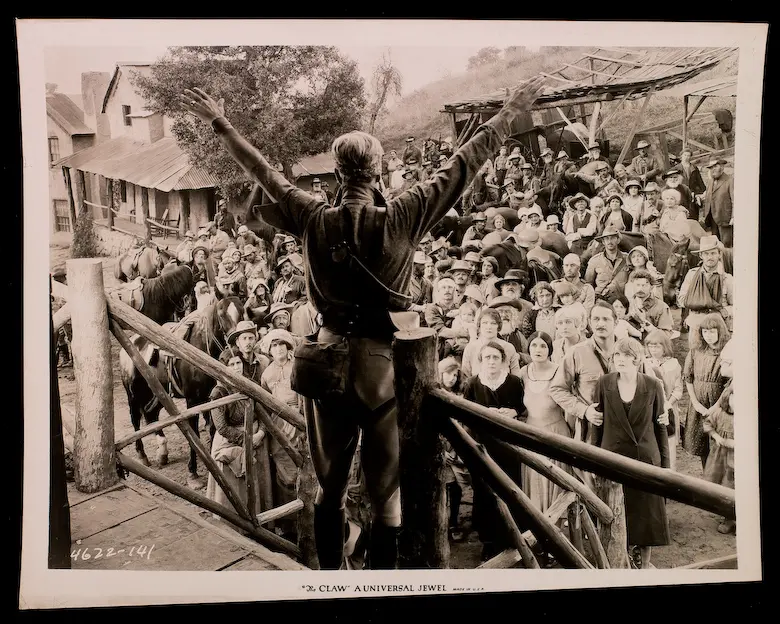
Consider the scene where Stair first surveys his family's holdings. The camera pans across a landscape that is meant to look infinite and intimidating. The way the light hits the dust in the air gives the scene a textured, tactile quality. It’s not 'visually stunning' in the modern, digital sense. It is gritty. It feels like old paper and dried sweat. This texture is what saves the film from being a total bore.
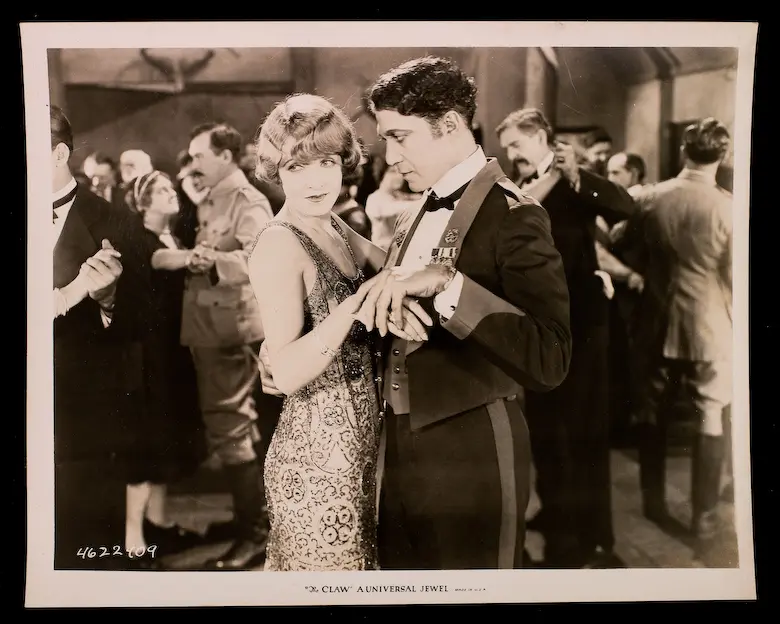
If you are looking for a story that challenges your worldview or provides a nuanced take on 1920s South Africa, you will be disappointed. The Claw is a product of its time, carrying all the colonial baggage that implies. However, as a study of 1920s melodrama, it is fascinating. The pacing is a hurdle. It is slow. It lingers on moments that modern audiences would cut in a heartbeat. But there is a meditative quality to its slowness.
Compared to the high-society drama of Three Weeks, The Claw feels more grounded and less prone to flights of fancy. It is a 'meat and potatoes' silent drama. It doesn't take risks, but it executes its formula with professional precision. It works. But it's flawed.
Pros:
Cons:
The Claw (1927) is a film that exists in the shadow of its more famous contemporaries. While it lacks the sheer technical audacity of Le brasier ardent or the comedic perfection of Cops, it offers a window into a very specific type of 1920s storytelling. It is a film about the fear of losing one's 'civilized' self to a foreign land, even if that land is mostly a Hollywood set. It is a competent, occasionally beautiful, but ultimately minor work. Watch it for the history, but don't expect it to change your life. It’s a solid 6/10 that survives on the strength of its shadows and the grace of Claire Windsor.
IMDb —
1931
Community
Log in to comment.