DbcultAccessing Vault...
6.8/10
Senior Film Conservator
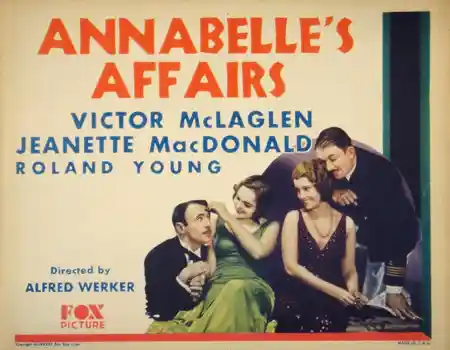
A definitive 6.8/10 rating for a film that redefined the boundaries of cult cinema. Annabelle's Affairs remains a cornerstone of transgressive art.
If you enjoy those fast-talking 1930s comedies where nobody acts like a normal human being, then yes. You'll probably have a good time.
But if you are the type of person who gets annoyed by plot holes the size of a mountain, you should probably stay away from this one. Seriously.
The whole premise of Annabelle's Affairs is that two people got married for 11 hours and then forgot what each other looked like. I don't care how dark the room was or how fast they were moving, that is just bonkers logic.
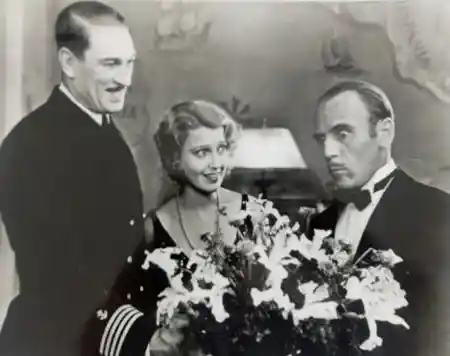
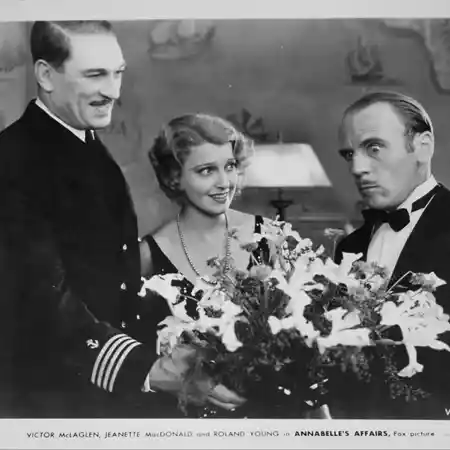
Jeanette MacDonald plays Annabelle, and she is just a ball of energy here. This was before she became the queen of those super serious operettas, so she’s actually allowed to be funny and a bit of a mess.
She spends money like it’s going out of style. She gets handed these mining stocks and immediately manages to lose them to a rival millionaire played by Roland Young.
Roland Young is honestly the best part of this movie. He has this permanent look of being slightly confused and mildly annoyed that everyone else is so loud.
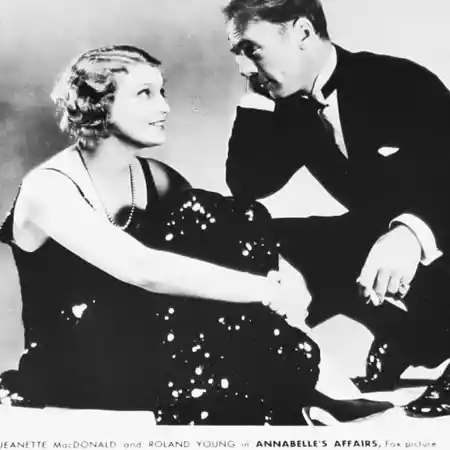
The movie really kicks into gear when Annabelle decides the only way to get her stocks back is to pretend to be a cook at the rival's house. It’s a classic setup, but it works because MacDonald is so bad at pretending to be a servant.
Then Victor McLaglen shows up. He’s the long-lost husband, but now he’s a 'Captain.'
McLaglen is a big guy, and seeing him try to be romantic in a sophisticated comedy is always a bit like watching a bear try to play a violin. It’s awkward, but you can’t look away.
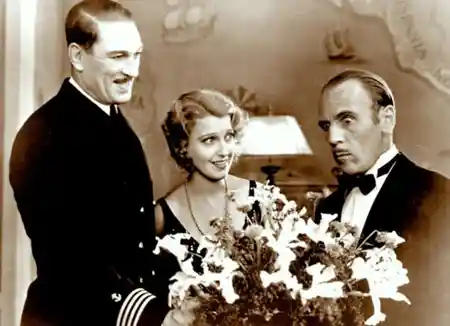
The scene in the kitchen where she’s trying to handle the food while keeping up her disguise is gold. You can tell the actors were having a lot of fun with the physical comedy bits.
It’s interesting to see this alongside other films from the same year, like Let Us Be Gay. Both movies have that stagey, slightly frantic feel that early talkies always had.
The dialogue is super snappy. People just bark lines at each other and move on before the audience can even process the joke.
There is a moment where Annabelle is wearing this ridiculous hat that looks like a flattened bird. I spent about five minutes just staring at the hat instead of listening to the plot.
I also noticed the background actors in the party scenes. Half of them look like they are waiting for the bus rather than attending a fancy millionaire's bash.
The movie doesn't take itself seriously at all. Which is good, because if it did, it would be a disaster.
It’s much lighter than something like Bad Sister, which came out around the same time. This is strictly for laughs and maybe a little bit of singing.
I did find the ending a bit rushed. One minute they are arguing, and the next, everything is solved because the script says it’s time to go home.
But that’s just how these movies worked back then. They didn't overstay their welcome. 🎬
The movie is a bit of a relic, but a shiny one. It’s the kind of thing you put on a rainy Sunday when you don't want to think about anything heavy.
It’s not a masterpiece, but it’s charming. Sometimes that is enough.
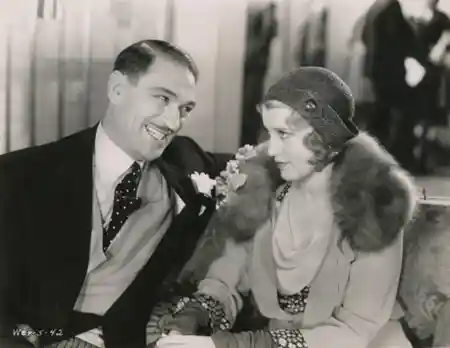
If you’re looking for something with a bit more bite, you might prefer West of Broadway, but for pure fluff, this wins.
I’ll probably forget half the plot by tomorrow morning, but I’ll remember Roland Young’s face when he’s trying to eat Annabelle’s cooking. 🥘
Check it out if you can find a decent copy. It’s a short, weird trip into the past.
IMDb 7.5
1928
Community
Log in to comment.