DbcultAccessing Vault...
6.5/10
Senior Film Conservator
A definitive 6.5/10 rating for a film that redefined the boundaries of cult cinema. Stark Love remains a cornerstone of transgressive art.
Short answer: Yes, but only if you can handle a film that feels more like a punch to the gut than a night at the theater. This is not the sanitized, romanticized version of Appalachia that Hollywood usually peddles; it is a cold, hard look at survival and the birth of individual will.
This film is for the serious cinephile and the amateur sociologist who wants to see the exact moment American cinema began to toy with neo-realism. It is absolutely not for anyone looking for a lighthearted romp or the polished artifice found in contemporary films like The Man Who Played God.
This film works because it prioritizes the raw texture of its environment and the authentic faces of non-professional actors over studio-mandated glamour.
This film fails because the narrative shifts into a traditional, slightly melodramatic gear in the final act, undermining the documentary-like objectivity established in the first hour.
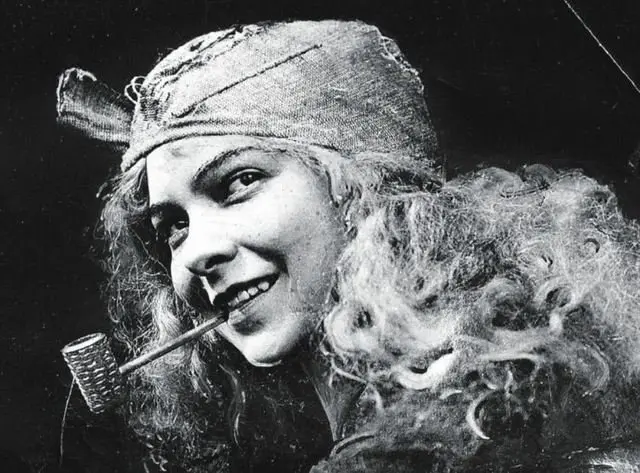
You should watch it if you want to witness a rare piece of cinematic history that treats the 'hillbilly' not as a joke, but as a tragic figure trapped by geography and tradition.
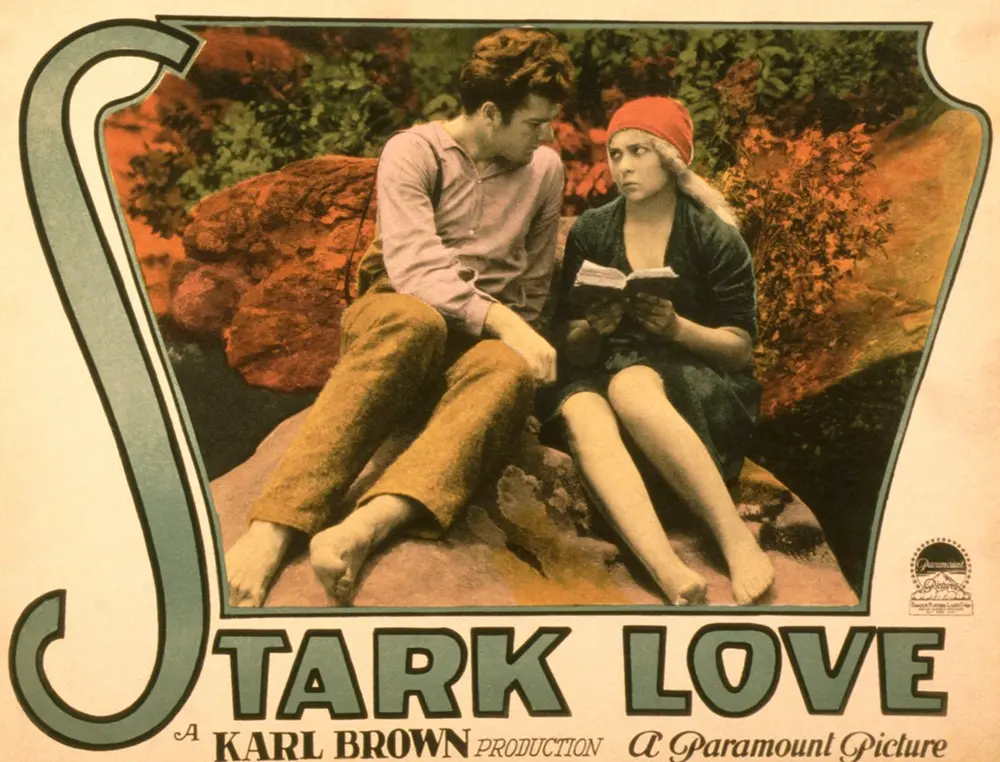
Stark Love stands out because it abandoned the safety of the Hollywood backlot for the rugged terrain of the Great Smoky Mountains. While most 1927 productions were obsessed with art deco sets and stage-trained actors, director Karl Brown sought out the 'real thing.' By casting locals and focusing on the grueling physical labor of mountain life, he created a film that feels decades ahead of its time in terms of visual honesty.
Karl Brown was a cinematographer by trade, having worked under D.W. Griffith, but in Stark Love, he sheds Griffith’s penchant for the operatic. Instead, we get a visual language that is almost forensic. The opening sequences do not rely on intertitles to explain the misery of the Warwick household; we see it in the way Rob’s mother moves. She doesn't just walk; she hauls her own weight as if every step is a negotiation with gravity. It is a quiet, devastating portrayal of domestic exhaustion.
The film’s commitment to realism is its greatest asset. Consider the scene where the father, Jason, decides he needs a new wife. There is no sentimentality, no courtship. It is a business transaction. He surveys the available women like a man looking at livestock. This level of cynicism was rare in 1927, especially compared to the more traditional social hierarchies depicted in films like This Ancient Law. Brown doesn't ask us to like these people; he asks us to acknowledge that they exist.
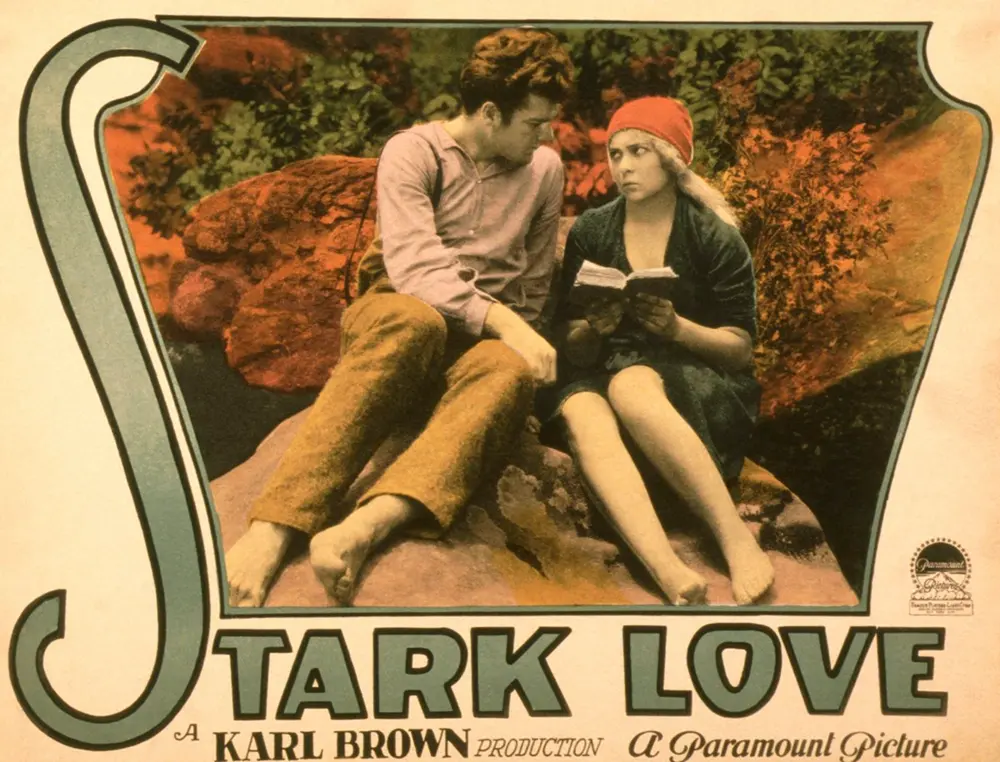
The decision to use non-professionals was a gamble that paid off in spades. Forrest James, as Rob, has a face that carries a strange, haunting mixture of innocence and desperation. He doesn't have the 'silent film eyes'—those wide, exaggerated orbs used to telegraph emotion to the back of the house. Instead, he has a subtle, internal focus. When he reads his books on chivalry, you can see the gears turning; he isn't just reading words, he is imagining a world that doesn't treat his mother like a mule.
Helen Mundy, as Barbara, is equally impressive. She lacks the manicured beauty of a 1920s starlet, and that is precisely why she works. When she is confronted by Jason’s 'proposal,' her reaction isn't a theatrical faint. It is a tightening of the jaw. She is a survivor, and Mundy plays her with a groundedness that makes the stakes feel incredibly high. This isn't the lighthearted romance found in The Bachelor's Romance; it is a fight for bodily autonomy.
The pacing is deliberate, bordering on slow, but it serves the story. The film forces you to sit with the boredom and the repetitive labor of the characters. We see the wood being chopped, the water being hauled, and the corn being ground. These moments build a sense of atmospheric pressure that makes Rob’s desire to escape feel not just like a dream, but like a biological necessity. It has the same rhythmic intensity as the better moments in High Speed, though with a much darker core.
Visually, the film is a masterclass in using natural light. The interiors of the mountain cabins are dark, oppressive spaces where the only light comes from small windows or open doors. This creates a sharp contrast with the vast, rolling mountains outside. The mountains are beautiful, yes, but Brown photographs them as a wall. They are a prison. This duality—the majesty of nature versus the cruelty of the life lived within it—is the film's most striking visual theme.
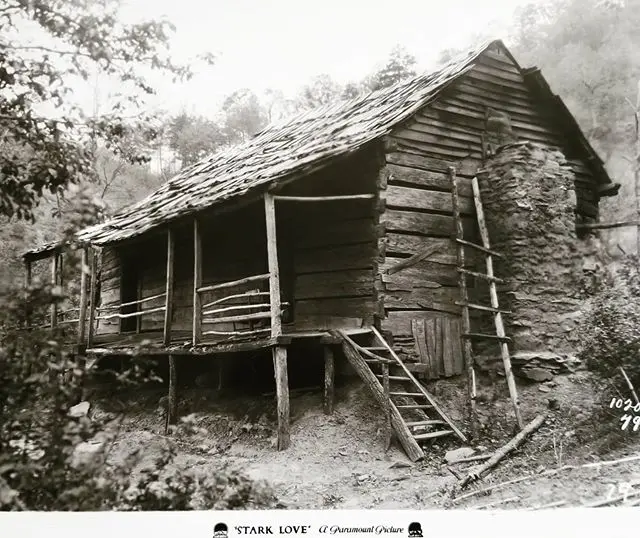
Stark Love is, at its heart, a film about the transformative power of literacy. Rob is the only character who can see beyond the ridge because he is the only one who has 'traveled' through books. This creates a fascinating tension. His father sees the books as a threat to the natural order. In Jason's world, strength is the only currency. Knowledge is a luxury that leads to 'softness.' This conflict feels incredibly modern, echoing the anti-intellectualism that still bubbles in various pockets of society today.
The film also offers a surprisingly progressive critique of gender roles for its era. The 'chivalry' Rob reads about is presented as a radical alternative to the status quo. While the ending suggests that Rob must still use physical force to protect Barbara, the film makes it clear that his motivation is fundamentally different from his father's. He wants a partner; his father wants a servant. This thematic depth elevates the film far above contemporary 'adventure' stories like Buster's Hunting Party.
The location shooting provides an authenticity that is rare for 1927. The lack of professional polish in the acting makes the characters feel like real people rather than archetypes. The film’s message about the power of education remains potent and relevant.
The intertitles can occasionally feel a bit heavy-handed in their attempts to capture mountain dialect. Some modern viewers may find the depiction of the 'mountain people' to be uncomfortably close to caricature, even if the film’s intentions are empathetic.
Stark Love is a monumental achievement in early American cinema that deserves more than its current status as a footnote. It is a difficult, often grim experience, but it is one that sticks with you long after the final frame. Karl Brown proved that you didn't need a massive budget or a European studio to create something profound. You just needed a camera, a few honest faces, and the courage to look at the darker corners of the human condition.
It works. But it’s flawed. The transition from ethnographic study to rescue thriller is bumpy, yet the emotional core remains intact. If you have seen the more traditional dramas of the era, such as Spring or Âme belge, you owe it to yourself to see how Stark Love broke the mold. It is a primitive, powerful, and essential piece of film history.
IMDb 3.8
1934
Community
Log in to comment.