DbcultAccessing Vault...
7.1/10
Senior Film Conservator
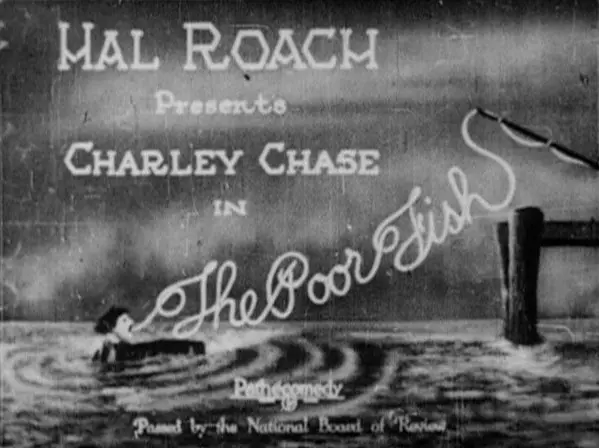
A definitive 7.1/10 rating for a film that redefined the boundaries of cult cinema. The Poor Fish remains a cornerstone of transgressive art.
In the realm of early 20th-century cinema, 'The Poor Fish' emerges as a delightful and comedic masterpiece. Directed with a keen eye for humor and social commentary, this silent film follows the life of Charley, a man fed up with the mundanity of his office job. When his wife suggests a switch in their roles, he eagerly agrees, little knowing that this simple act of role reversal would lead to a weekend of hilarious domestic chaos.
The film opens with Charley, played by the charismatic Charley Chase, confronting his boss about his dissatisfaction with his job. His frustration palpable, he vents his anger to his wife, who suggests a more radical solution: switching jobs. This seemingly innocuous idea sets the stage for the film's comedic journey. As Charley awkwardly navigates his new role, the audience is treated to a series of misadventures that highlight the comedic potential of role reversal.
The narrative's progression is marked by the introduction of various comedic elements, from Charley's struggles with household chores to his bumbling attempts at performing his wife's duties. Each scene is meticulously crafted to elicit laughter, with the cast delivering performances that are both genuine and entertaining. The chemistry between the actors, particularly between Chase and Katherine Grant, is palpable, enhancing the film's overall charm.
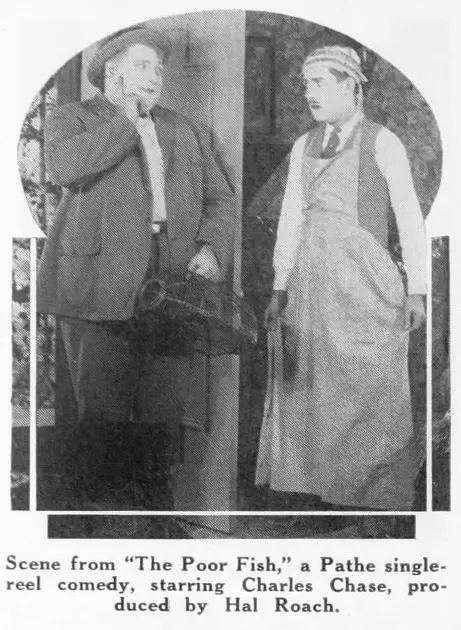
A Day in the Life of Charley: The film's central plot revolves around Charley's day-to-day activities as he attempts to navigate his new role. From attempting to clean the house to cooking a meal, each task is portrayed with a blend of humor and absurdity. His mother-in-law, played by the seasoned actress Olive Borden, becomes the instigator of further chaos, adding depth to the narrative and providing a source of comic relief. Her presence serves as a reminder of the unexpected twists that can occur when roles are reversed.
The film's pacing is impeccable, balancing moments of tension with those of pure comedy. The use of silent film techniques, such as exaggerated expressions and physical comedy, adds to the overall entertainment value. The score, while minimal, serves to enhance the mood, creating a perfect ambiance for the film's comedic moments.
Comparisons to other silent comedies, such as 'Crime and Punishment' (1923) and 'Not Guilty' (1921), highlight the unique qualities of 'The Poor Fish'. These films, known for their dark humor and complex narratives, offer a stark contrast to the lighthearted and playful approach of Chase's film. However, 'The Poor Fish' manages to stand out by focusing on the universal experience of role reversal and the comedic misunderstandings that arise from it.
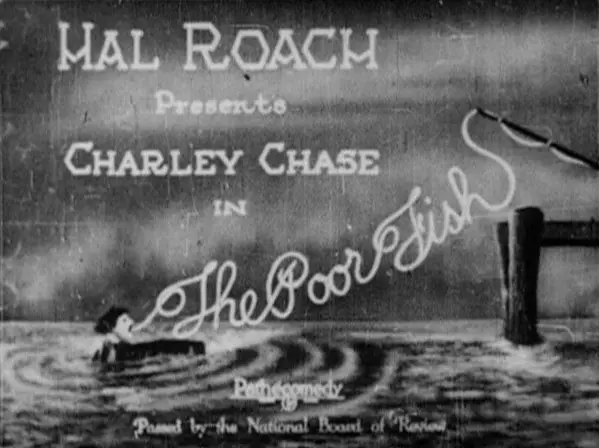
The Role Reversal Narrative: At its core, 'The Poor Fish' explores the concept of role reversal, a theme that resonates with audiences even today. The film's ability to capture the essence of domestic life and the challenges that come with it makes it a timeless piece of cinema. The comedic misunderstandings and the sheer chaos that ensue when roles are reversed provide a unique perspective on the dynamics of marriage and the struggles of fulfilling one's duties.
The film's cast, including the versatile Sammy Brooks, Katherine Grant, and the talented Olive Borden, bring authenticity and humor to their roles. Each character contributes to the film's overall charm, creating a tapestry of comedic moments that are both relatable and entertaining. The screenplay, penned by a team of writers, ensures that the film's narrative is coherent and engaging, providing a consistent flow of humor throughout its runtime.
Conclusion: 'The Poor Fish' is a delightful and engaging silent comedy that captures the essence of role reversal and domestic life. Its comedic performances, coupled with its unique narrative, make it a standout film in the history of early cinema. Whether you are a fan of silent films or simply enjoy a good laugh, 'The Poor Fish' is a must-watch. It serves as a reminder of the enduring power of humor and the importance of embracing the unexpected in life.
To explore more of this era of cinema, you might also enjoy films like 'A White Wilderness' (1925) and 'Not Guilty' (1921).
IMDb —
1922
Community
Log in to comment.