DbcultAccessing Vault...
Cult Review
Senior Film Conservator
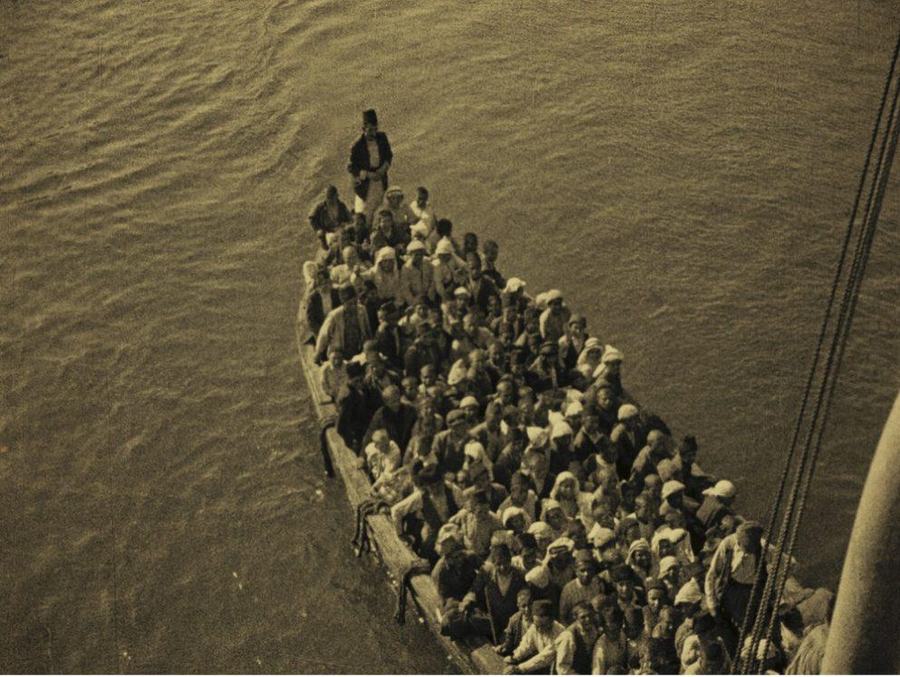
In a cinematic landscape often saturated with fleeting narratives and superficial spectacles, "Armenia, the Cradle of Humanity under the Shadow of Mount Ararat" emerges not merely as a film, but as a profound meditation. It’s an audacious undertaking, attempting to encapsulate millennia of history, an entire nation's soul, and the unyielding spirit of its people within the confines of a single viewing experience. What unfolds on screen is nothing short of breathtaking – a visual and emotional symphony that transcends the typical documentary format, evolving into something akin to a living, breathing historical epic. This is not a passive observation; it is an immersion, a pilgrimage into the very bedrock of civilization.
The film ingeniously constructs its narrative around the journey of Anoush, an architect from the diaspora, whose return to Armenia serves as our conduit into this ancient land. This narrative choice is masterful, providing a relatable, contemporary lens through which to view a history so vast it could easily overwhelm. Anoush's initial, almost clinical, appraisal of the architectural wonders and historical sites slowly gives way to a deep, resonant emotional connection. Her transformation mirrors the audience's own, as we move from detached observation to genuine empathy and understanding. The filmmakers avoid didacticism, opting instead for an experiential unfolding of history, allowing the landscapes, the ancient stones, and the faces of contemporary Armenians to speak volumes. It's a testament to the power of subtle storytelling, where the grand sweep of history is always grounded in the human experience.
From the earliest vestiges of the Urartian kingdom to the pivotal adoption of Christianity as the state religion in 301 AD, the film employs a rich tapestry of techniques. Artfully reconstructed historical vignettes, executed with a delicate balance of authenticity and artistic interpretation, breathe life into ancient events without resorting to melodrama. These are complemented by rare archival footage, meticulously sourced and seamlessly integrated, which adds an undeniable gravitas. The sheer historical depth explored here is staggering, yet it never feels rushed or superficial. Instead, each era is given its due, allowing the viewer to grasp the cumulative weight of millennia. The transition from paganism to Christianity, for instance, is not merely stated but visually and emotionally conveyed as a profound societal shift, a cornerstone of Armenian identity.
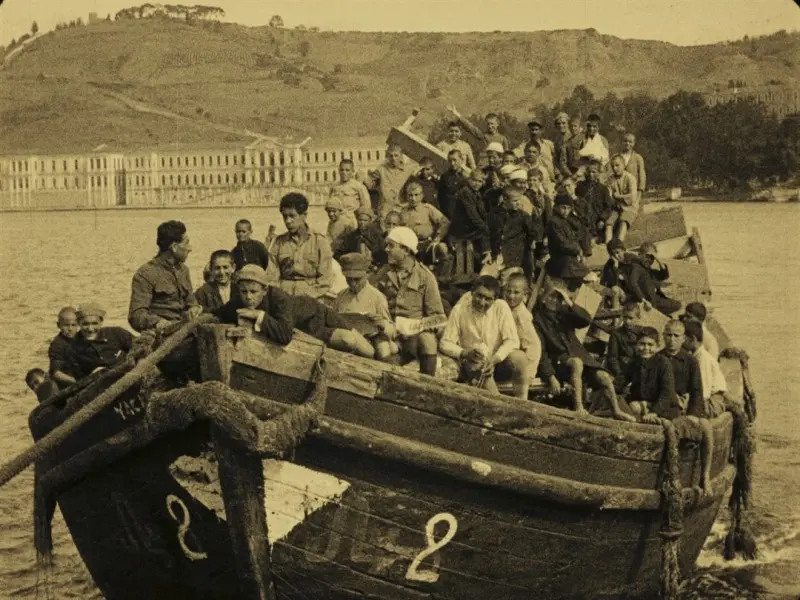
The film's visual language is nothing short of poetic when it comes to showcasing Armenia's architectural heritage. The camera doesn't just record; it reveres. It lingers on the intricate carvings of the khachkars – stone crosses that are unique to Armenia, each a masterpiece of spiritual artistry and historical record. These aren't just monuments; they are elegies carved in stone, speaking of faith, remembrance, and artistic dedication. The sweeping drone shots of monasteries like Geghard, carved directly into the rock face, and Noravank, dramatically set against crimson cliffs, are breathtaking. They are not merely tourist postcards but profound statements of human endeavor and unwavering faith in the face of natural and historical challenges. The use of light and shadow, the way the sun caresses ancient stones, imbues these structures with a living quality, making them characters in their own right within the narrative. One might draw a thematic parallel to the dedication to craft seen in films like Germinal; or, The Toll of Labor, where human effort against daunting backdrops defines a people, albeit in a different context of struggle.
Crucially, "Armenia, the Cradle of Humanity" avoids becoming a dry historical treatise by anchoring its grand narrative in intimate, human stories. We meet a master duduk player, whose haunting melodies, played against the backdrop of ancient ruins, encapsulate the very soul of Armenia – a blend of profound sorrow and resilient joy. His music isn't just a soundtrack; it's a narrative voice, speaking a universal language of human experience. We also encounter a vintner, tending to ancient grape varietals on volcanic soil, a living link to a tradition that predates many European wine cultures. His hands, gnarled by work, tell a story of continuity, of a people deeply connected to their land and its bounty. A historian meticulously poring over ancient manuscripts serves as a reminder of Armenia's intellectual heritage, its role as a guardian of knowledge through centuries of upheaval. These personal narratives are not mere embellishments; they are the vibrant threads that weave the historical tapestry into a living, breathing present. The film understands that a nation's story is ultimately the sum of its individual lives.
Perhaps the most potent character in the film, though silent and unmoving, is Mount Ararat itself. Its majestic, snow-capped peaks loom in almost every wide shot, a constant, spiritual presence. Though now outside Armenia's modern political borders, its symbolic significance for the Armenian people is immeasurable. It represents not just a geographical landmark, but a lost cradle, a spiritual anchor, and a poignant reminder of historical shifts and enduring longing. The filmmakers masterfully utilize its presence, allowing it to convey a spectrum of emotions – from pride and reverence to a subtle, underlying melancholy. It's a visual metaphor for the Armenian experience: a deep connection to a heritage that, while sometimes geographically distant, remains spiritually inseparable. In this sense, it evokes the powerful connection to land and national identity explored in films like A magyar föld ereje, though "Armenia" adds an element of yearning for a lost, yet ever-present, symbol.
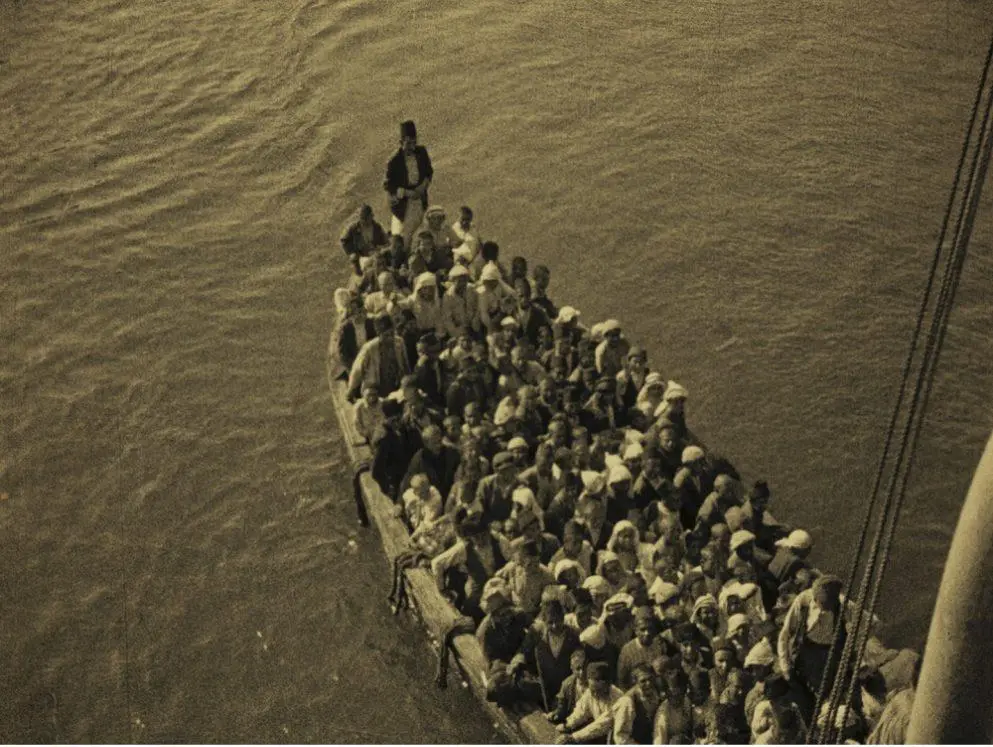
The film delicately, yet powerfully, addresses the historical adversities faced by the Armenian nation. While it refrains from dwelling on explicit exposition of the Armenian Genocide, its haunting specter is woven into the fabric of the national psyche, an undercurrent of resilience and survival that permeates the entire narrative. It’s not presented as a singular event to be sensationalized, but as a profound historical trauma that has shaped, yet not defined, the Armenian spirit. The film chooses to emphasize the remarkable capacity for endurance, the unwavering commitment to cultural preservation, and the persistent pursuit of identity despite unimaginable losses. This approach is far more impactful than any overt historical retelling could be, allowing the viewer to grasp the depth of a people's resolve. The silent strength of the people, the monuments, and the very land itself speak volumes about surviving cataclysm. The quiet dignity in the face of historical injustice is palpable, reminiscent of the understated but profound resilience depicted in a film like The Crisis, where character strength is tested by societal upheaval.
Technically, the film is a triumph. The cinematography is consistently superb, capturing the rugged beauty of the Armenian landscape with a painterly eye. From the verdant valleys and ancient forests to the austere, monumental stone structures, every frame is meticulously composed. The use of natural light is particularly striking, lending an almost ethereal quality to the ancient sites. The editing is fluid and thoughtful, seamlessly weaving together historical reenactments, contemporary interviews, breathtaking drone footage, and intimate cultural observations. The pacing is deliberate, allowing moments of quiet contemplation to resonate, never rushing the viewer through the vastness of history or the depth of emotion. The sound design, too, deserves commendation; the ambient sounds of nature, the soulful strains of traditional music, and the hushed reverence within ancient monasteries all contribute to an immersive auditory experience. It’s a masterclass in how to use every cinematic tool to enhance the narrative and emotional impact. The visual storytelling rivals the grandeur found in films like Lion of Venice, which also uses its setting as a character, but "Armenia" achieves this with a deeper, more spiritual resonance.
In an increasingly globalized world, the preservation and understanding of unique cultural identities become ever more crucial. "Armenia, the Cradle of Humanity under the Shadow of Mount Ararat" serves as a powerful reminder of the enduring value of heritage, language, and spiritual resilience. It's a film that speaks to universal themes: the search for identity, the weight of history, the power of faith, and the human capacity for survival and renewal. It challenges preconceived notions and invites a deeper engagement with a civilization that has contributed immensely to the human story, often against overwhelming odds. For anyone seeking to understand the tapestry of human history, the complexities of national identity, or simply to be moved by breathtaking cinematography and profound storytelling, this film is an essential viewing experience. It is a cinematic triumph that not only educates but also profoundly inspires, leaving an indelible mark long after the credits roll. It is a testament to the power of film to transcend borders and time, connecting us to the very heart of what it means to be human and to belong.
The film’s ultimate message is one of hope and continuity. It celebrates not just the ancient past, but the vibrant present and the promising future of a nation that refuses to be relegated to history books alone. The contemporary scenes, featuring bustling markets, innovative artists, and passionate community leaders, illustrate that Armenia is a living, evolving entity, deeply rooted in its past but vigorously embracing its future. Anoush’s journey culminates in an understanding that her heritage is not a static relic, but a dynamic, ever-unfolding narrative that she, too, is now a part of. This sense of belonging, of finding one’s place within a grand historical continuum, is a powerful emotional anchor for the audience. The film doesn't just present facts; it cultivates a feeling of connection, urging viewers to reflect on their own heritage and the stories that define them. It's a profound exploration of what it means for a people to be the custodians of an ancient cradle, perpetually nourished by its soil and sustained by its spirit.
Community
Log in to comment.