Summary
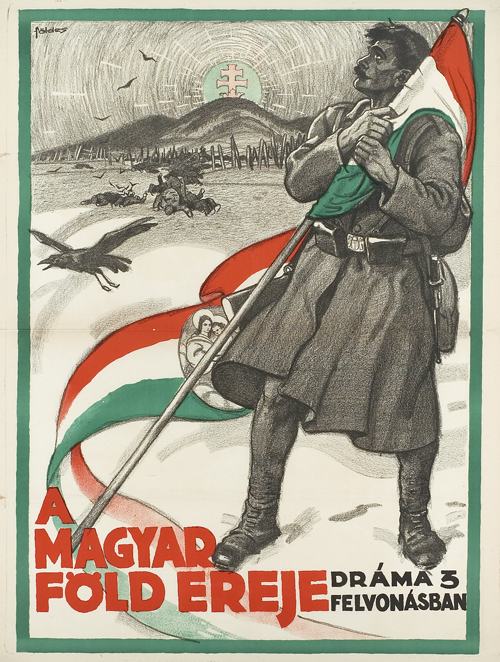
Somewhere between the Carpathians and the puszta, where soil smells of bloodied bronze and autumnal thunder, a nation’s soul is forged in celluloid; Curtiz and Dános, still apprentices to light, let the Danube itself narrate a saga of landed gentry whose wheatfields ripple like lion pelts under imperial edicts. Count Géza—Alfréd Deésy’s angular silhouette—returns from Viennese salons to find his ancestral acres mortgaged to a cabal of faceless creditors; the deed of trust, inked by moonlight and sealed with a woman’s betraying kiss, lies folded in the bodice of the Count’s former beloved, Erzsébet, played by Lucy Doraine as a porcelain libertine whose glance could scald marble. Across the horizon trudges Gusztáv Vándory’s Pál, a horse-whisperer turned reluctant rebel, muscles taut as violin strings, bearing witness as new-fangled iron ploughs tear sacred turf while trains scream through once-silent horizons—progress wearing the mask of catastrophe. Károly Lajthay’s land agent, a velvet-gloved opportunist, stages torch-lit auctions beneath ruined castle walls, selling hectares for zlotys, for francs, for promises whispered in Yiddish and Slovak and German, until the very act of surveying becomes a sacrilege. Rózsi Szirmay’s Veronka, a servant girl with pupils like flooded basements, smuggles letters stitched inside geese carcasses, carrying hope from manor to starving hamlet, her footsteps drumming a clandestine national anthem. Curtiz’s camera, drunk on pagan chiaroscuro, lingers on hands plunged into loam: fingers blackened, nails cracked, yet caressing clods as if they were pages of scripture. Lovemaking happens in haylofts under watchful icons; betrayal happens in parliament corridors under gas-jets; redemption, if any, comes only when a ploughshare is beaten into a sabre and the wheat itself, golden as Byzantine mosaic, is set ablaze to delay the advancing Ruthene mercenaries. The film ends not with victory but with a single furrow left uncut—an open wound—while the Count, stripped of title and coat, walks eastward into sunrise, cradling a fistful of native dust that trickles through his knuckles like an hourglass counting down to the next uprising.
Review Excerpt
"
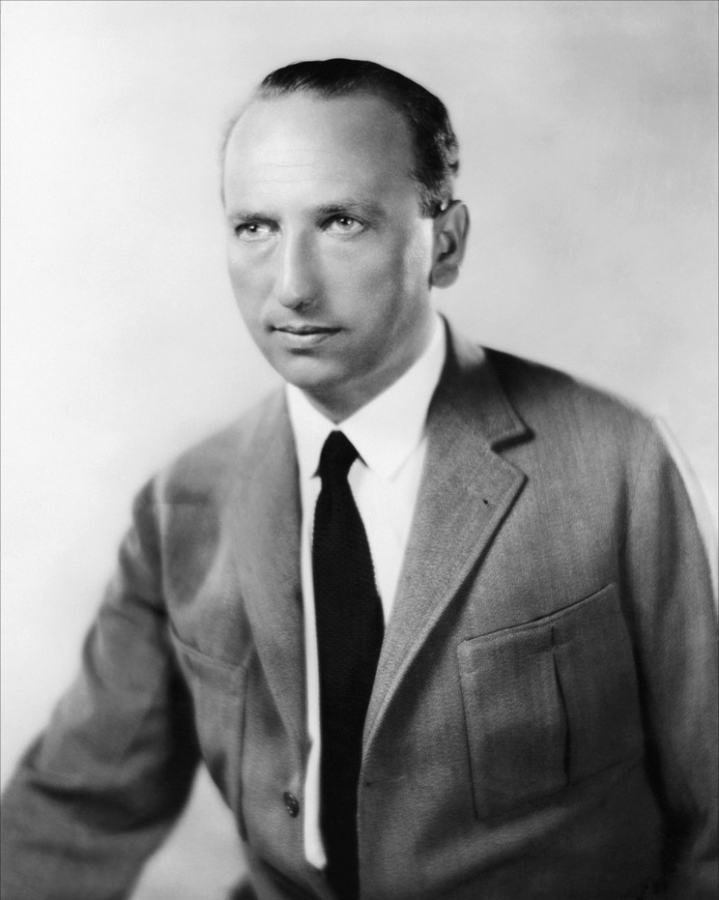
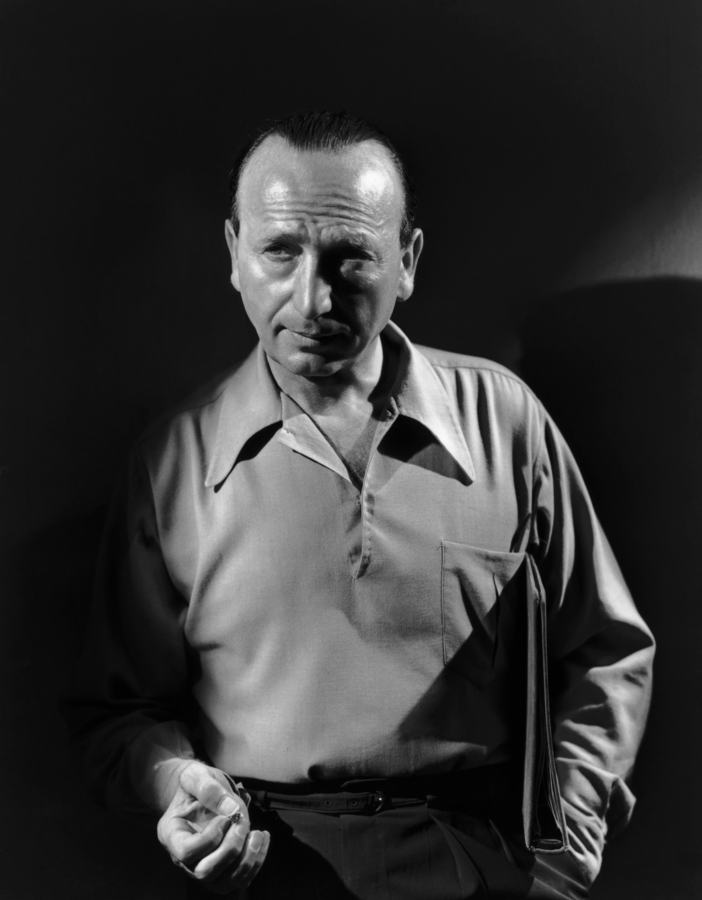
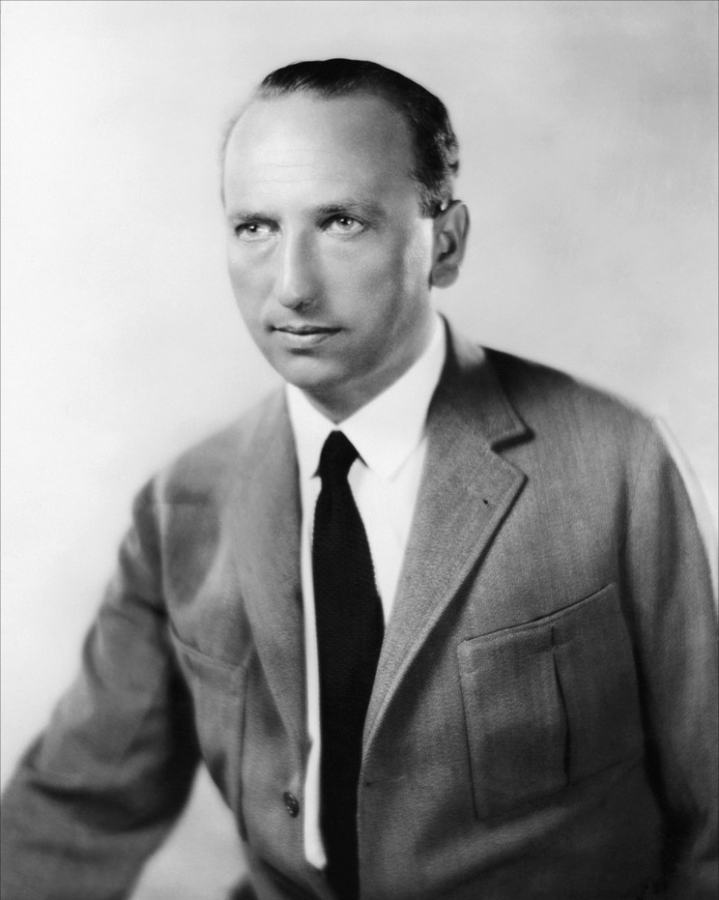
There are films you watch and films that watch you—A magyar föld ereje belongs to the latter cabal. Shot in the waning months of the Habsburg twilight, this 1917 silent survives only in tattered fragments, yet its pulse ricochets through every frame like distant artillery. Michael Curtiz—still Mihály Kertész, the twenty-nine-year-old who would one day gift Warner Bros. with Casablanca—here trains his lens not on lovers or gangsters but on soil itself: black, friable, iniquitous, luminous.
..."