DbcultAccessing Vault...
Cult Review
Senior Film Conservator
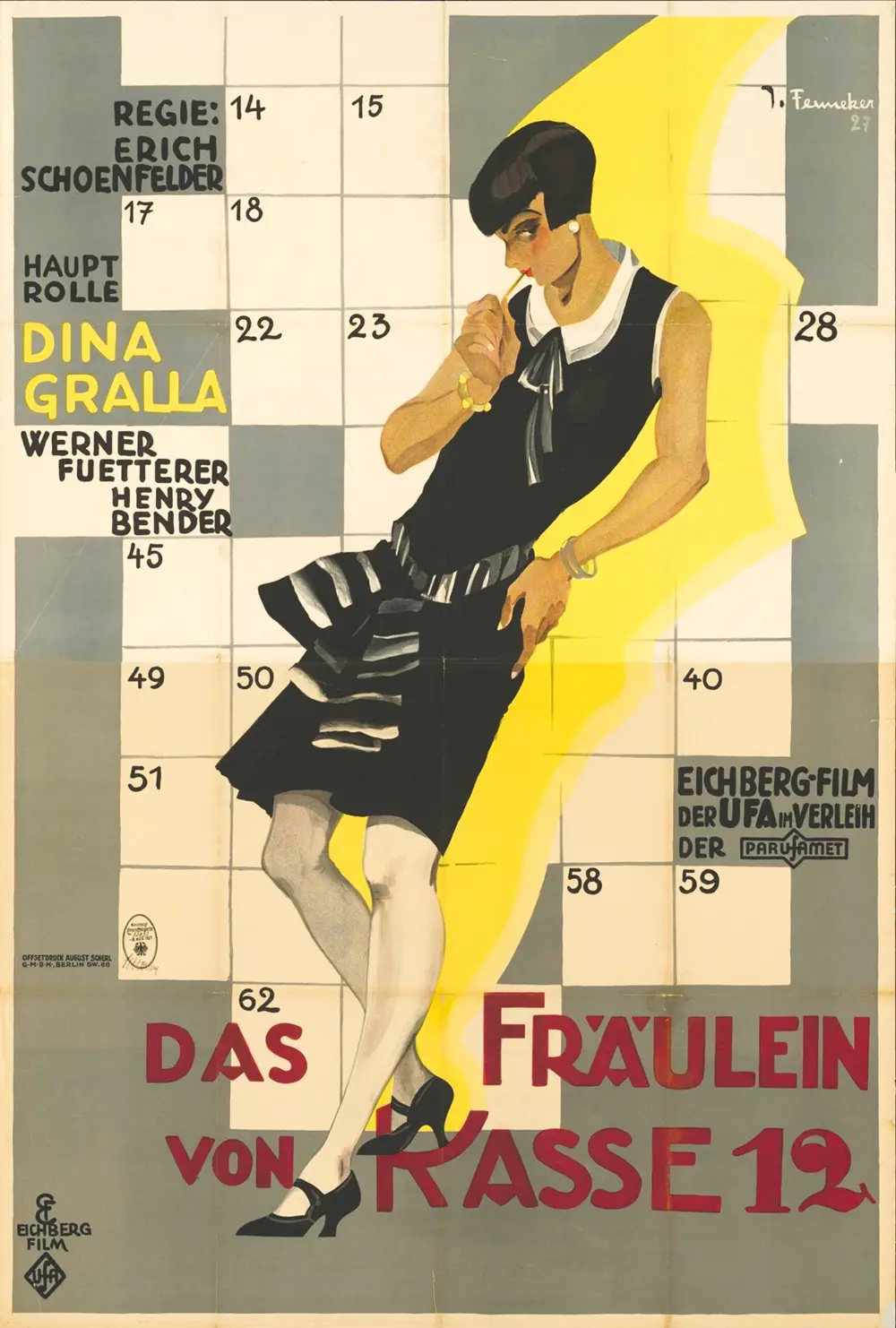
Is 'Das Fräulein von Kasse 12' a forgotten silent-era masterpiece worth unearthing today? Short answer: For the dedicated cinephile and silent film enthusiast, absolutely, but for a casual viewer, its charms might require a degree of historical appreciation. This isn't a film designed for quick consumption; it's a slow burn, a quiet observation of a bygone era, demanding patience and rewarding it with a unique emotional texture.
This film works because of its surprisingly intimate portrayal of a working-class woman's struggles and dreams, elevated by a central performance that transcends the limitations of its medium. It fails, by modern standards, due to pacing that can feel glacial and a narrative simplicity that might not engage audiences accustomed to intricate plots. You should watch it if you possess a genuine curiosity for silent cinema, appreciate nuanced acting driven by expression, and are prepared to immerse yourself in a different rhythm of storytelling.
Yes, Das Fräulein von Kasse 12 holds value for specific audiences today. It is a valuable historical document. It offers insight into early German filmmaking. It showcases the expressive power of silent acting. Its themes of social class and personal aspiration remain relevant. However, it is not for everyone. Casual viewers might find its pacing challenging. Those unfamiliar with silent film conventions could struggle to connect. It demands an active, engaged viewing experience.
At its heart, Das Fräulein von Kasse 12 is a character study, a delicate etching of a young woman's journey through the daily grind of early 20th-century commerce. Our protagonist, the unnamed "Fräulein" (young lady) of cash register number 12, embodies the silent endurance of a burgeoning female workforce. Her days are a rhythmic blur of transactions, a monotonous ballet of counting coins and issuing receipts, all set against the backdrop of a bustling department store.
The film, through its subtle narrative strokes, suggests a life constrained yet brimming with unspoken desires. We observe her interactions, not just with customers, but with colleagues and, crucially, with the store's more affluent clientele. It's in these fleeting encounters that the story finds its quiet drama, hinting at social divides and the tantalizing possibility of transcending one's station. A chance meeting, a misunderstanding, or a simple act of kindness could, and often does in such narratives, tip the scales of her predetermined path.
The genius of the film lies in its ability to imbue these seemingly ordinary moments with significant emotional weight. It's a testament to the power of the silent medium that a glance, a gesture, or the lingering shot of a weary face can convey volumes about hope, resignation, and quiet resilience. This isn't a plot driven by grand, sweeping events, but by the minute shifts in a character's internal world, reflecting the broader anxieties and aspirations of the era.
Margarete Lanner, in the titular role, delivers a performance that is nothing short of captivating. Her portrayal is a masterclass in silent film acting, relying on a finely tuned repertoire of facial expressions and body language to convey a rich inner life. Lanner avoids the exaggerated pantomime often associated with early cinema, opting instead for a more naturalistic, understated approach that feels remarkably modern.
Consider, for instance, a scene where her character observes a wealthy customer purchasing an item she herself could never afford. Lanner's eyes, wide and luminous, convey a complex cocktail of longing, resignation, and perhaps a flicker of indignation, all without a single intertitle. It's a moment of profound emotional honesty, allowing the audience to project their own understanding onto her silent grief.
Her ability to shift from quiet determination to subtle vulnerability is a testament to her skill. There's a particular scene where a small act of kindness from an unexpected source elicits a hesitant smile from her, a delicate blossoming of hope that feels utterly earned. It’s these moments of quiet revelation that cement Lanner's performance as the undeniable anchor of the film, making her character relatable across the century.
While some might dismiss silent films as mere historical artifacts, 'Das Fräulein von Kasse 12' argues forcefully for the enduring power of non-verbal storytelling, often surpassing its more verbose successors in pure emotional resonance. It's a reminder that true acting talent transcends dialogue.Direction and Visual Storytelling: Halm's Delicate Touch
Alfred Halm's direction, aided by Wilhelm Stücklen's writing, is characterized by a delicate touch and an acute understanding of visual storytelling. The film eschews flashy camera work, instead opting for a more observational style that allows the characters and their environment to speak for themselves. This isn't a director trying to impress with technical prowess, but one committed to serving the narrative and its emotional core.
The cinematography, while simple by today's standards, effectively uses light and shadow to create mood and emphasize character. Indoor scenes, particularly those within the department store, are often bathed in a soft, almost diffused light, creating an atmosphere of bustling activity contrasted with the quiet internal world of the protagonist. Outdoor shots, though fewer, provide a glimpse into the broader urban landscape, grounding the story in a tangible reality.
One particularly effective directorial choice is the recurring motif of the cash register itself. Halm often frames Lanner's character behind it, emphasizing her role as a cog in a larger machine, a symbol of her societal position. This visual repetition subtly reinforces the themes of labor, class, and the individual's place within the economic structure. It's a quiet, almost documentary-like capture of societal anxieties and aspirations of the Weimar era, even through a seemingly simple story.
Pacing and Immersion: A Different Rhythm
For contemporary audiences, the pacing of Das Fräulein von Kasse 12 will undoubtedly be the biggest hurdle. Silent films operate on a different temporal logic, a rhythm that prioritizes lingering shots, deliberate character reactions, and the gradual unfolding of events. There are no quick cuts or rapid-fire dialogue to propel the narrative forward; instead, the film invites viewers to settle into its slower cadence, to observe rather than merely consume.
This deliberate pacing, while initially challenging, becomes a strength for those willing to embrace it. It allows for a deeper immersion into the character's emotional state, giving the audience time to process the subtle nuances of Lanner's performance. A scene that might take 30 seconds in a modern film—a character contemplating a decision—might stretch for several minutes here, building tension and empathy through sustained visual focus.
The film's greatest strength, paradoxically, also contributes to its perceived weakness for modern audiences: its unwavering commitment to a slower, more observational pace which, while deeply rewarding, can feel like a test of endurance. It works. But it’s flawed. It’s a film that asks for your patience, and in return, offers a unique window into a cinematic past.
Echoes of an Era: Themes and Subtleties
Beyond the individual story, Das Fräulein von Kasse 12 resonates with themes that were particularly pertinent to its time, and indeed, remain relevant today. The film subtly explores the burgeoning role of women in the workforce, the rigid class structures of early 20th-century Germany, and the universal human desire for connection and self-actualization.
The department store setting itself is a powerful symbol. It represents both opportunity and exploitation, a place where dreams are sold alongside consumer goods, and where the lines between aspiration and reality are often blurred. The interactions between the "Fräulein" and her customers highlight the economic disparities and social hierarchies that defined the era, offering a quiet critique of the status quo.
There's a surprising subtlety to the film's social commentary. It doesn't preach; rather, it presents its observations through the lived experience of its protagonist. The film invites viewers to consider the invisible labor that underpins society and the personal sacrifices made in the pursuit of a modest living. It’s a quiet championing of the everyday hero, a recognition of the dignity found in honest work, even when it’s thankless.
Pros and Cons
- Pros:
- Captivating, understated performance by Margarete Lanner.
- Sensitive, observational direction by Alfred Halm.
- Authentic portrayal of early 20th-century German urban life.
- Themes that, despite their age, retain a surprising resonance.
- A valuable historical artifact for silent film enthusiasts.
- Evokes a powerful sense of empathy for its protagonist.
- Cons:
- Pacing can be very slow for modern audiences.
- Narrative simplicity might disappoint those seeking complex plots.
- Lack of a pristine, widely available print can hinder appreciation.
- Requires a significant investment of patience and historical context.
- May feel dated to viewers unfamiliar with silent film conventions.
Key Takeaways
- Best for: Silent film enthusiasts, historians of German cinema, fans of character-driven dramas.
- Not for: Viewers seeking fast-paced action, those unfamiliar with silent film conventions, audiences who prefer explicit dialogue.
- Standout element: Margarete Lanner's nuanced and expressive central performance.
- Biggest flaw: Pacing that can feel glacial to contemporary eyes, and a narrative that, while charming, lacks modern complexity.
Verdict
Das Fräulein von Kasse 12 is not a film for everyone, nor does it pretend to be. It is a quiet, unassuming piece of cinematic history that offers a profound, if slow-burning, experience for those willing to meet it on its own terms. Margarete Lanner’s performance alone is reason enough to seek it out, providing a compelling anchor to a story that, despite its period setting, speaks to timeless human experiences.
While its deliberate pacing and narrative simplicity might test the patience of some, for the discerning viewer, this film offers a rich, empathetic portrayal of a woman navigating the complexities of her world. It’s a valuable rediscovery, a testament to the enduring power of silent cinema, and a gentle reminder that sometimes, the most profound stories are told with the quietest voices. It’s a film that deserves to be seen, not just for its historical significance, but for its quiet, humanistic charm.
IMDb —
1918
Community
Log in to comment.