DbcultAccessing Vault...
6/10
Senior Film Conservator
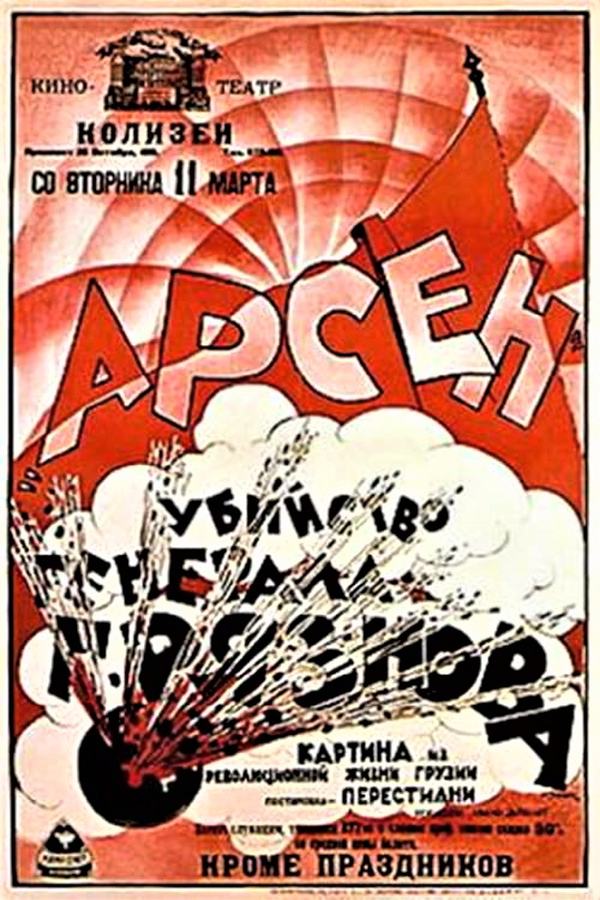
A definitive 6/10 rating for a film that redefined the boundaries of cult cinema. Arsena Jorjiashvili remains a cornerstone of transgressive art.
The film situates itself at a volatile crossroads of Georgian history, when the empire’s industrial ambitions collided with a burgeoning sense of ethnic self‑awareness. By anchoring the story in the lived experience of factory laborers, the directors Shalva Dadiani and Ivane Perestiani render the macro‑political upheaval palpable, allowing viewers to trace the ripple effects of the 1905 revolt from the corridors of power down to the soot‑splattered back‑streets of Tiflis.
Arsena Jorjiashvili, portrayed by Valerian Gunia, is not a monolithic hero but a mosaic of contradictions: a former serf haunted by his past, a poet‑like orator whose rhetoric is as lyrical as it is incendiary, and a reluctant leader who constantly questions the moral cost of violence. This layered characterization elevates the film beyond a simple propagandist piece, inviting audiences to wrestle with the ethical ambiguity of revolutionary fervor.
The cinematography, though constrained by the technological limits of its era, exploits chiaroscuro to dramatic effect. Shadows loom like oppressive forces, while shafts of amber light pierce through factory windows, symbolizing fleeting moments of hope. The camera often lingers on the grimy textures of machinery, emphasizing the dehumanizing grind that fuels the workers’ rage.
A striking visual motif recurs throughout: the red thread of a worker’s scarf fluttering against the monochrome backdrop of the city. This subtle flourish not only signals solidarity among the insurgents but also foreshadows the bloodshed that will later stain the streets. The use of deep focus during the climactic warehouse showdown allows the audience to absorb the chaotic choreography of combat without losing sight of individual expressions—an early testament to the directors’ sophisticated storytelling instincts.
Valerian Gunia delivers a tour de force, oscillating between impassioned declamations and moments of vulnerable introspection. His cadence, reminiscent of a folk preacher, reverberates with the cadence of Georgian oral tradition, grounding the political discourse in cultural authenticity.
Ivan Kruchinin’s portrayal of the imperial overseer is equally compelling. He embodies the cold bureaucratic detachment of the Tsarist regime while allowing fissures of doubt to surface—particularly in the scene where he hesitates before ordering troops to fire, a hesitation that hints at an inner conflict rarely afforded to antagonists of the period.
Supporting actors—Vaso Abashidze as the indomitable blacksmith, Giorgi Ketiladze as the timid clerk, and Mikheil Chiaureli as the daring pamphleteer—populate the narrative with a spectrum of social strata, each contributing a distinct tonal hue to the collective uprising. Their interactions are peppered with authentic dialectic exchanges, lending credibility to the film’s depiction of class dynamics.
Beyond its historical retelling, the film interrogates timeless questions about the price of liberty. The recurring visual of the workers’ blood‑stained boots serves as a metaphor for the irreversible imprint of sacrifice on the nation’s conscience. Moreover, the script’s interludes of folk songs, woven seamlessly into the diegesis, underscore the symbiotic relationship between cultural identity and political mobilization.
The narrative does not shy away from portraying the moral gray zones of rebellion. When Arsena orders a violent raid on a grain depot, the ensuing famine among the civilian populace forces the audience to confront the paradox of fighting oppression by perpetuating another form of suffering. This moral complexity aligns the film with later Soviet-era masterpieces that grapple with the ethics of revolution.
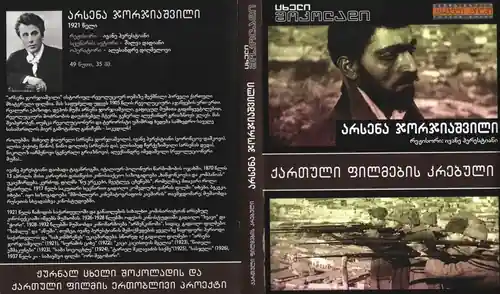
When juxtaposed with contemporaneous works such as The Iron Trail, which glorifies industrial progress without interrogating its human toll, Arsena Jorjiashvili emerges as a counter‑narrative that foregrounds labor’s agency. Likewise, the psychological depth found in Fool's Paradise resonates here, particularly in the way both films employ visual symbolism to articulate internal turmoil.
In contrast to the melodramatic excesses of Rogues and Romance, Arsena’s restraint in melodrama underscores its commitment to realism, even as it employs poetic dialogue. The film’s structural pacing shares a kinship with Pistols for Breakfast, where rapid intercutting during action sequences heightens tension without sacrificing narrative clarity.
Although the original production predates synchronized sound, modern restorations have incorporated a meticulously curated score that melds traditional Georgian instruments—such as the panduri and chonguri—with somber orchestral strings. This auditory blend amplifies the emotional stakes, especially during the climactic siege, where the mournful wail of a duduk mirrors the lament of a people on the brink of transformation.
Dadiani and Perestiani employ a non‑linear narrative technique, interspersing flashbacks of Arsena’s childhood servitude with present‑day revolutionary fervor. This temporal elasticity enriches character motivation, illustrating how personal trauma can catalyze collective action. The decision to frame the story through the eyes of a young apprentice—portrayed by Giorgi Davitashvili—offers a fresh perspective, allowing the audience to witness the metamorphosis from naïve observer to committed insurgent.
The film’s editing rhythm mirrors the escalating tension: early scenes unfold with languid, contemplative cuts, while the final act accelerates into a frenetic montage that captures the chaos of street combat. This deliberate pacing underscores the inexorable march toward revolution, a technique later echoed in Soviet montage theory.
Arsena Jorjiashvili occupies a seminal place in the canon of early Georgian cinema, frequently cited in academic treatises on national identity formation. Its nuanced portrayal of class struggle predates many Western depictions of labor uprisings, positioning it as a pioneering work that anticipates later revolutionary epics.
Film historians often reference the movie when discussing the evolution of Georgian narrative cinema, noting its influence on subsequent directors who sought to balance political commentary with aesthetic innovation. The film’s preservation status, bolstered by recent digital restoration initiatives, ensures that contemporary audiences can experience its visual and thematic richness in high definition.
Modern viewers, particularly those attuned to global labor movements, will find resonance in the film’s depiction of solidarity across disparate social groups. The portrayal of grassroots organization—manifested through clandestine meetings, coded messages, and improvised weaponry—mirrors tactics employed by contemporary activists, rendering the narrative unexpectedly prescient.
Moreover, the film’s exploration of the dialectic between national identity and class consciousness invites reflection on current geopolitical tensions in the Caucasus region. By foregrounding the human cost of political upheaval, Arsena Jorjiashvili transcends its historical setting, offering a timeless meditation on the interplay between oppression, resistance, and the quest for dignity.
In sum, Arsena Jorjiashvili stands as a masterclass in melding historical gravitas with artistic audacity. Its layered performances, evocative visual palette, and morally intricate script coalesce into a work that rewards repeated viewings. For scholars of early 20th‑century cinema, activists seeking artistic inspiration, or cinephiles yearning for a film that marries political urgency with poetic resonance, this Georgian gem remains an indispensable touchstone.

IMDb —
1924
Community
Log in to comment.