DbcultAccessing Vault...
7.1/10
Senior Film Conservator
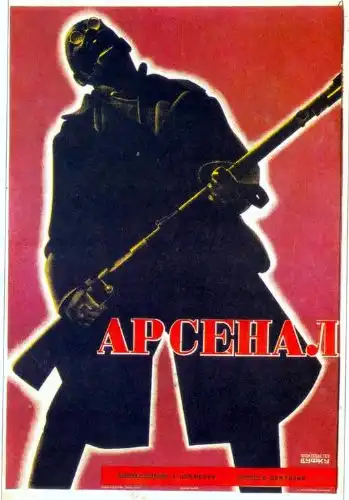
A definitive 7.1/10 rating for a film that redefined the boundaries of cult cinema. Arsenal remains a cornerstone of transgressive art.
Alright, so you’re thinking about diving into something from 1929? *Arsenal* is definitely not a casual Tuesday night watch. If you're a film student, a history buff, or just plain curious about how movies *used* to be made, especially Soviet era ones, then yeah, give it a go. Everyone else? You might find its pacing a bit… deliberate, or even jarring. It's not a popcorn flick, not by a long shot.
This film is a raw, unsettling experience. It throws you right into the aftermath of World War I in Ukraine, with a focus on a soldier named Tymish. He's coming back to Kyiv, but the city he finds is just… *torn*. It’s a fight between different groups, all these intense clashes.
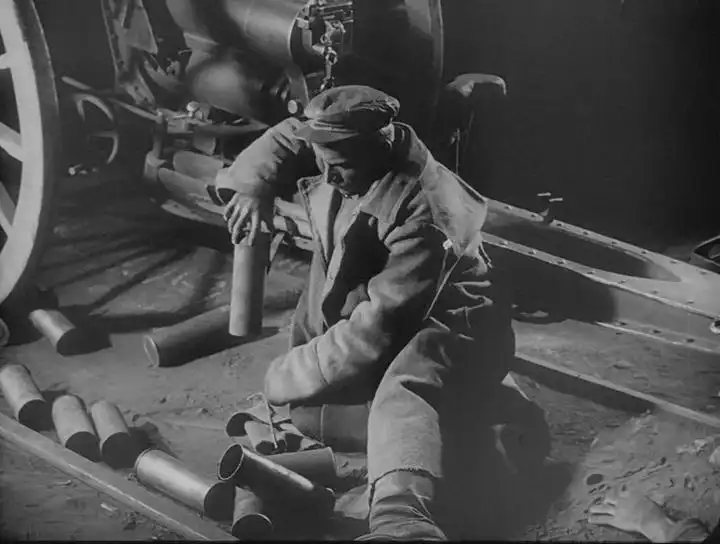
The very opening, it's something else. There’s this shot of a horse, dying, really just suffering in the snow. It’s so stark, so utterly bleak. That kinda sets the tone, doesn't it? Like, this isn't going to be pretty.
Then you get the train crash. It’s not some big CGI spectacle, obviously, but the way Dovzhenko cuts it together, it still feels *violent*. Quick, almost fragmented shots. You can feel the chaos without needing fancy effects. It’s all about the rhythm, the abruptness.
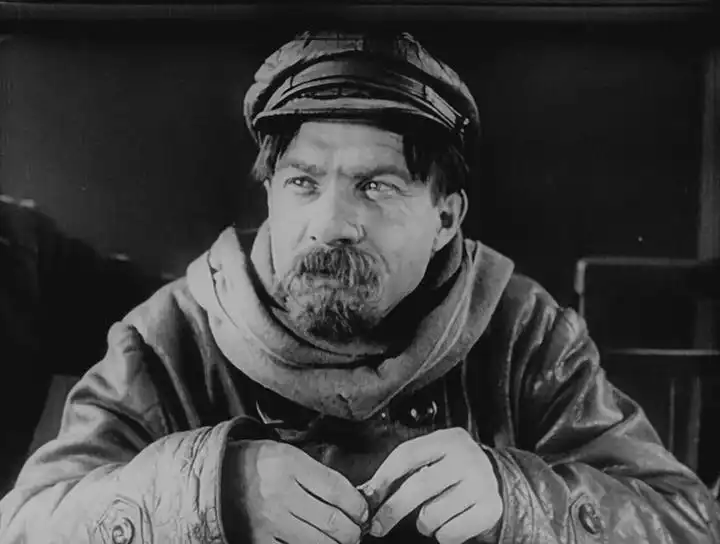
Our main guy, Tymish, played by Amvrosi Buchma, he's a quiet presence. He mostly just watches. His eyes, though, tell a lot. He’s seen things, you know? You can feel the weight of it on him. It’s not a showy performance, but it's effective in its stillness.
The film doesn't exactly hold your hand explaining the politics. It just shows you the *feel* of it. The masses, the faces in the crowd — they’re so vivid, so full of emotion. You see the anger, the fear, the desperation. Each face feels like a whole story, even if they're only on screen for a second. There’s a scene with a woman, and her laughter, it’s not happy. It’s a really unnerving, almost deranged sound, and it kinda sticks with you. 😬
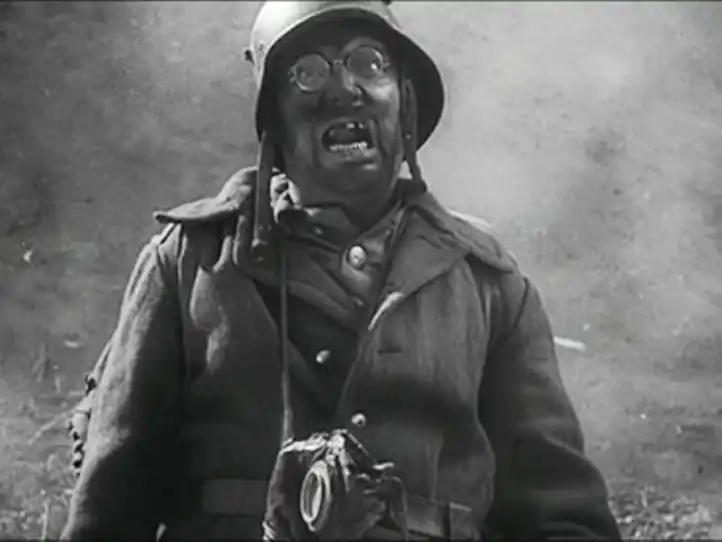
Dovzhenko’s camerawork here is just… *bold*. He’s not afraid to linger, or to show things in a strange, almost surreal way. There’s this one part, a bit of a tangent, where you see these industrial machines just churning, smoke billowing out. It’s almost beautiful, but also terrifying, like the world is becoming something else, something inhuman.
And the silence! It's a silent film, obviously, but the *use* of silence is profound. When there's no intertitle, just faces or landscapes, you're forced to just… *look*. To interpret. It makes you lean in, really.
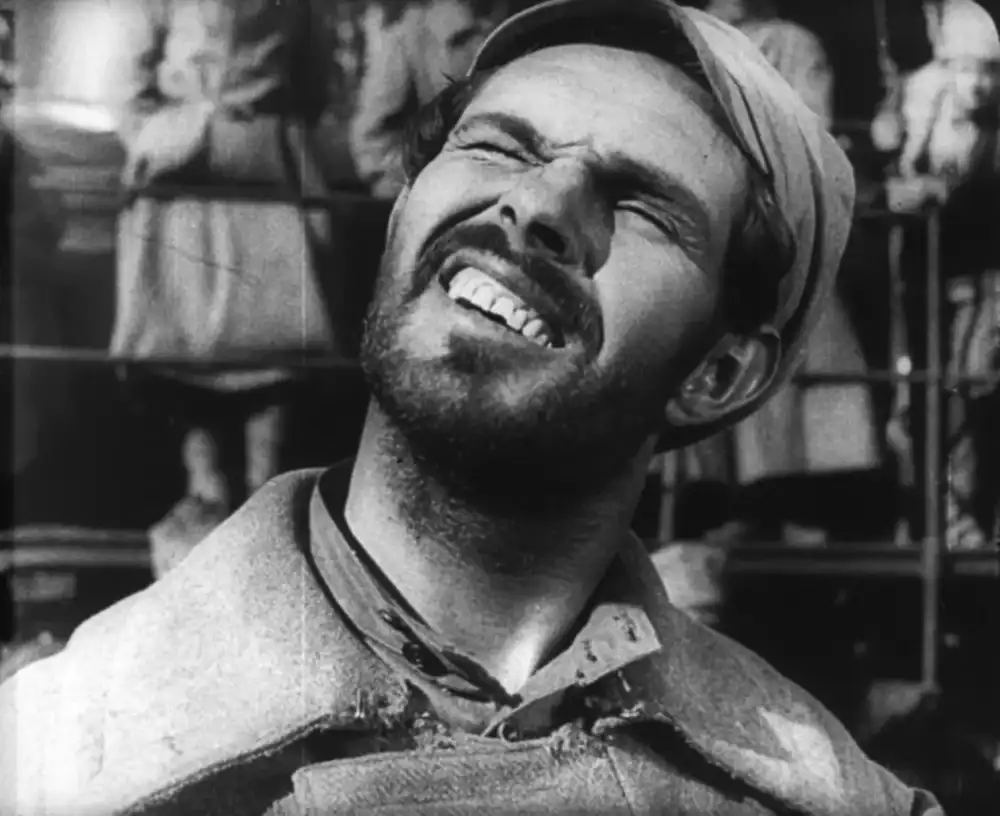
The way the violence escalates, it's not always direct. Sometimes it’s just the suggestion of it, a quick cut, a reaction shot. But then there are these moments that hit you. The nationalist forces, they're shown with this almost theatrical cruelty. The collectivists, on the other hand, are presented with a kind of weary determination. You can see the film's sympathies, for sure.
But then comes *that* scene. The truly iconic moment. Tymish, facing a firing squad. He opens his coat, inviting the bullets. They fire, and he just… *stands there*. Unharmed. It’s a powerful, almost mystical statement. **Bulletproof.** Not literally, of course, but emotionally, symbolically. It’s the kind of image that stays with you long after the credits roll. What does it mean? Resistance? The spirit of the people? It’s left for you to chew on, and that’s what makes it so good. ✨
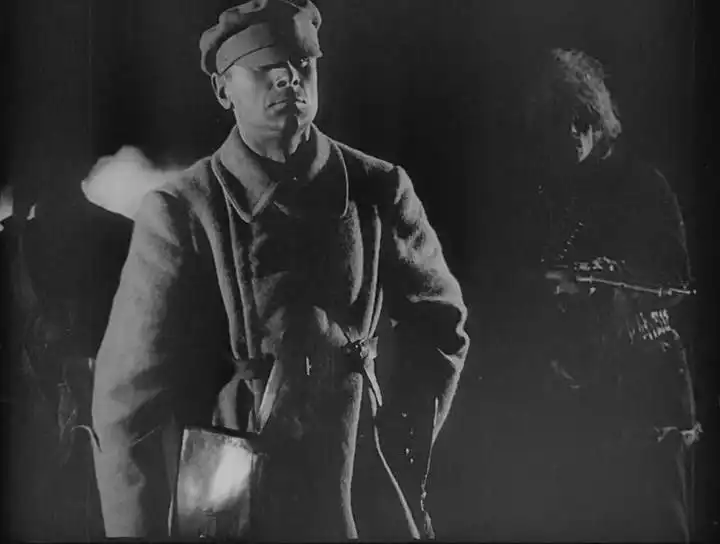
The movie can be a bit challenging, to be honest. It jumps around a lot, sometimes without clear transitions. You can feel the artistic ambition, sometimes it almost strains the narrative. It’s not trying to tell a simple story; it's trying to convey an *experience* of a time and a place. The struggle, the despair, the strange hope.
There are these small details too. Like the way they show hands. So much expression in just a gesture. Or the way a door creaks open, letting in just a sliver of light into a dark room. You can tell Dovzhenko thought about every little thing, even if it feels a bit rough around the edges sometimes. It's an old film, after all.
It’s a film that definitely has a message, a strong political undertone from its era. But even if you don't agree with its politics, or even understand all the historical nuances, the sheer visual power is undeniable. It's a historical document, yes, but also a piece of art that still feels surprisingly urgent in its depiction of human conflict and resilience. It's not neat, it’s messy, but it’s *real* in a way many films today aren't.
So, is it worth watching? If you're ready for a deep dive into cinema history and aren't afraid of something that demands your attention, then absolutely. It's a journey, not a destination. And you'll probably have a lot to think about afterwards. Just don't expect it to be an easy ride. It’
IMDb —
1936
Community
Log in to comment.