DbcultAccessing Vault...
7.8/10
Senior Film Conservator
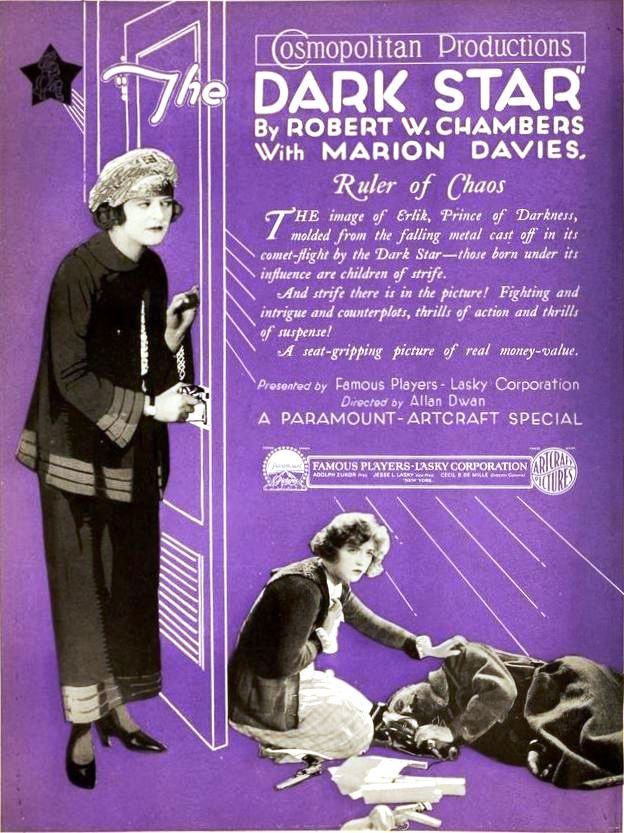
A definitive 7.8/10 rating for a film that redefined the boundaries of cult cinema. The Dark Star remains a cornerstone of transgressive art.
Step into the clandestine corridors of early 20th-century cinema, and you’ll discover a treasure trove of forgotten narratives that still pulse with an undeniable vitality. Among them, the 1919 film, The Dark Star, emerges not merely as a relic of its time, but as a surprisingly potent and intricately woven espionage thriller. Directed with a keen eye for suspense and featuring the luminous talents of Marion Davies, this picture transcends its silent origins to deliver a tale that is as relevant in its thematic undercurrents of global conflict and personal sacrifice as it was over a century ago.
At its core, The Dark Star is a masterclass in escalating tension, a narrative spun from the threads of a fabulous jewel’s theft, which, far from being a simple act of larceny, ignites a far more perilous international incident. The eponymous 'Dark Star' is no mere bauble; it is a catalyst, a MacGuffin of the highest order, whose disappearance signals the imminent unraveling of carefully constructed peace and the precipitous descent into global conflict. As an art critic, one is compelled to admire the script’s audacious ambition, penned by the formidable Frances Marion from a story by Robert W. Chambers, to imbue a seemingly mundane crime with such profound geopolitical implications. This film does not merely present a plot; it unfurls a canvas of human frailty, ambition, and the inexorable march of war.
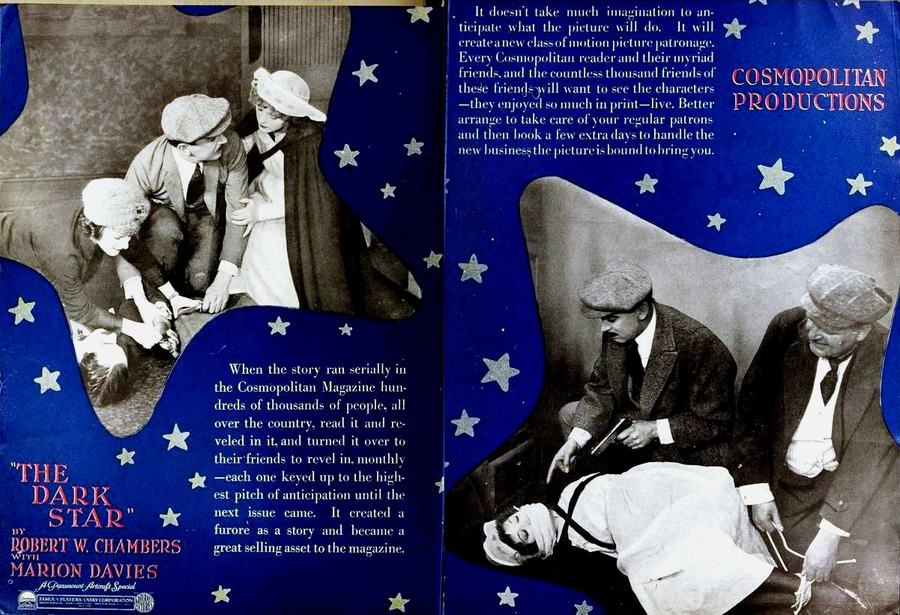
The narrative’s true genius lies in its protagonist, Rue Carew, portrayed with a captivating blend of innocence and burgeoning resilience by Marion Davies. Rue is introduced as the pastor's daughter, a figure of purity and naivete, seemingly far removed from the murky world of spies and subterfuge. Yet, it is precisely her unassuming nature that makes her involvement so compelling. Her journey from sheltered existence to the heart of an international crisis is not a sudden leap but a gradual, almost insidious, entanglement. The stolen jewel, we soon learn, is not just valuable for its intrinsic worth but for the secrets it guards – war plans, detailed fortifications, and strategic intelligence that could tip the balance of power on the precipice of a global conflagration.
As Rue stumbles into this labyrinthine plot, the film expertly ratchets up the stakes. She is not a Bond-esque super-spy, but an ordinary woman thrust into extraordinary circumstances. Her initial confusion gives way to a dawning comprehension of the grave dangers surrounding her, and in turn, a fierce determination to navigate the treacherous currents. The film’s silent storytelling, relying heavily on visual cues, exaggerated expressions, and intertitles, manages to convey the psychological toll of her predicament with remarkable efficacy. One can feel the weight of the world closing in on her, the moral quandaries she faces, and the desperate scramble to distinguish friend from foe in a landscape where everyone seems to wear a mask.

Marion Davies, often remembered more for her personal life than her prodigious acting talent, delivers a performance in The Dark Star that unequivocally showcases her range and star power. Her portrayal of Rue Carew is a testament to her ability to convey complex emotions without uttering a single word. Davies masterfully transitions Rue from a wide-eyed ingenue to a woman of steely resolve, her expressions shifting from fear to defiance, from confusion to cunning. This is not merely pantomime; it is a deeply felt interpretation of a character undergoing profound internal and external pressures. Her capacity to elicit empathy from the audience, to make us root for her survival and success against seemingly insurmountable odds, is the film’s emotional anchor.
Davies's performance here is a crucial reminder of her significant contributions to early cinema, proving her to be far more than just a comedic talent or a socialite. She imbues Rue with a vulnerability that makes her eventual strength all the more impactful. It's a nuanced portrayal that elevates the material beyond a simple genre piece.
The supporting cast, while perhaps less prominent, provides the necessary gravitas and menace to flesh out this world of shadows. Arthur Earle, William Brotherhood, and the wonderfully sinister Gustav von Seyffertitz contribute to the atmosphere of pervasive danger. Von Seyffertitz, in particular, with his characteristic intensity, often becomes the embodiment of the lurking threat, his presence alone capable of conveying volumes of villainy. The ensemble works in concert to build a credible, albeit heightened, reality where every glance, every gesture, carries potential significance.
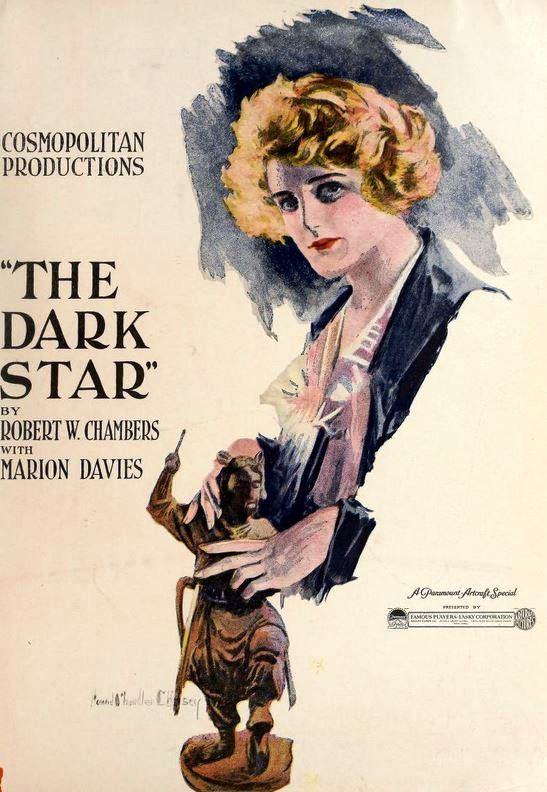
The visual language of The Dark Star is a marvel of its era. The director, whose name unfortunately often gets overshadowed by the star power, skillfully employs the cinematic tools available to him to construct a palpable sense of dread and urgency. The use of shadows, common in silent thrillers, is particularly effective here, transforming ordinary settings into arenas of hidden perils. The sets, whether depicting opulent European salons or shadowy back alleys, are meticulously crafted to convey the international scope of the conspiracy. The pacing, though occasionally deliberate by modern standards, allows for moments of quiet tension to build before erupting into bursts of frantic action. This measured approach ensures that the audience is fully invested in Rue’s perilous journey, feeling every narrow escape and every close call.
One might draw parallels to other silent era dramas that excelled in visual storytelling and psychological depth. While Nerven (1919) delves into the psychological trauma of war, and Malombra (1917) explores Gothic suspense, The Dark Star carves its own niche by blending the personal drama of an innocent caught in a web with the grander, geopolitical canvas of espionage. The film understands that the visual spectacle is not just about grand gestures but also about the subtle nuances of performance and environmental design.
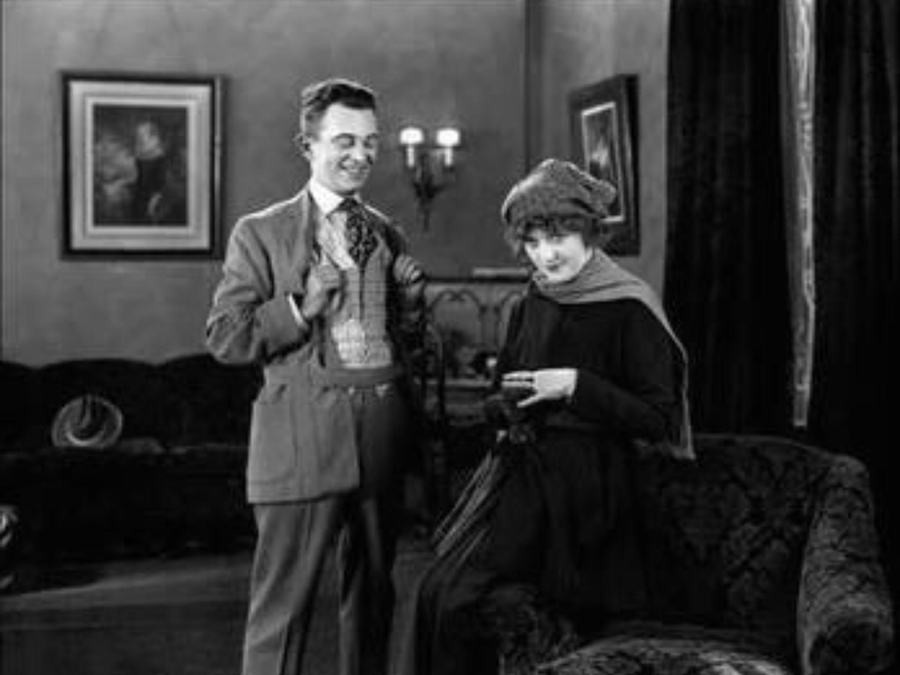
The strength of The Dark Star originates significantly from its literary roots and its adaptation for the screen. Robert W. Chambers, a popular author of the period, crafted a story ripe for cinematic translation, full of pulpy thrills and international intrigue. Frances Marion, one of the most prolific and respected screenwriters of the silent era, then took this raw material and sculpted it into a compelling screenplay. Marion’s genius lay in her ability to translate complex plots and character motivations into a visual medium, understanding the unique demands of silent film storytelling. She knew how to build suspense through action and reaction, how to use intertitles sparingly but effectively, and how to create dynamic characters that resonated with audiences.
The dialogue cards, when they appear, are concise and impactful, serving to advance the plot or reveal crucial information without bogging down the visual flow. This economy of language is a hallmark of superior silent film writing, where every word must count. Marion's contribution ensures that the narrative, despite its complexities, remains coherent and engaging, a testament to her unparalleled skill in an industry still finding its voice. Her work stands in stark contrast to simpler narratives like Tillie's Tomato Surprise (1915), highlighting the vast spectrum of storytelling ambition in early cinema.
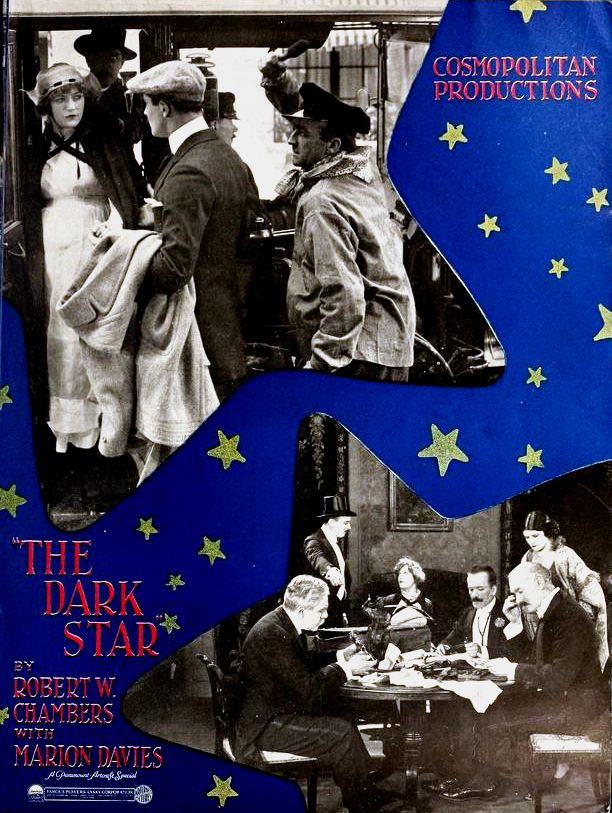
Beyond the thrilling surface, The Dark Star probes deeper themes that resonate with the anxieties of its time and, indeed, our own. The shadow of impending war looms large, a palpable threat that drives the espionage plot. The film explores the moral ambiguities inherent in such conflicts, where the lines between right and wrong blur, and individuals are forced to make impossible choices. Rue Carew's journey is not just a physical one; it is a moral awakening, a shedding of naivete in the face of harsh global realities. She represents the everyman (or everywoman) caught in the gears of a much larger, more terrifying machine.
The espionage itself is depicted with a surprising degree of realism for the era, avoiding overly fantastical elements in favor of a more grounded portrayal of agents, counter-agents, and the constant threat of betrayal. It’s a world where trust is a luxury, and secrets are currency. This thematic richness places The Dark Star in conversation with later, more celebrated spy thrillers, demonstrating that the foundational elements of the genre were already firmly established in the silent era. It offers a fascinating counterpoint to films like With Neatness and Dispatch (1918), which, while also dealing with crime and intrigue, often focused on more localized, less globally impactful scenarios.
In an era dominated by rapid cinematic experimentation and evolving narrative structures, The Dark Star stands as a testament to the enduring power of a well-told story, anchored by compelling performances. It’s a film that demands rediscovery, not just for its historical significance but for its intrinsic entertainment value. It allows us to appreciate Marion Davies's versatility and reminds us of Frances Marion's unparalleled skill in crafting narratives for the nascent medium of film. Its place in the pantheon of silent thrillers is well-deserved, offering a sophisticated blend of adventure, drama, and international intrigue.
For enthusiasts of silent cinema, or indeed, anyone with an appreciation for the origins of the espionage genre, The Dark Star is an essential viewing. It’s more than just a historical curiosity; it’s a vibrant, gripping piece of filmmaking that continues to resonate. It speaks to the universal fears of war, the corrupting influence of power, and the resilience of the human spirit when confronted with overwhelming adversity. So, if you're seeking a journey into the depths of a compelling spy plot, look no further than the enigmatic glow of The Dark Star.
IMDb 6.6
1931
Community
Log in to comment.