DbcultAccessing Vault...
6.9/10
Senior Film Conservator
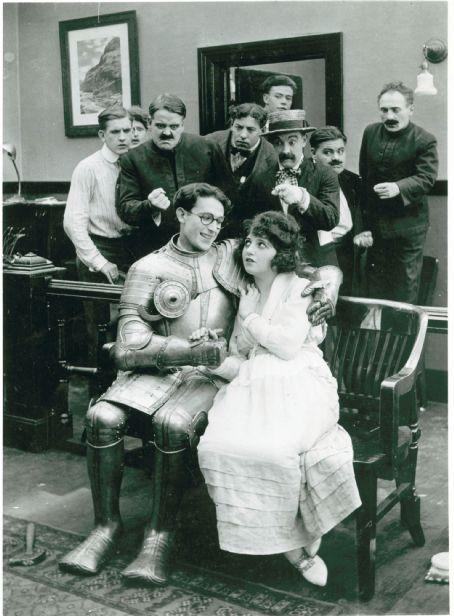
A definitive 6.9/10 rating for a film that redefined the boundaries of cult cinema. Ask Father remains a cornerstone of transgressive art.
Ah, the silent era! A time when physical comedy reigned supreme, when exaggerated gestures and ingenious contraptions spoke volumes without uttering a single syllable. And within this vibrant epoch, few names shine as brightly as Harold Lloyd, a true titan of the genre, even in his nascent stages. His early work, particularly films like Ask Father (1919), offers a fascinating glimpse into the nascent development of his iconic 'Glasses Character' and the meticulous craft that underpinned the seemingly spontaneous chaos of slapstick. This particular short, a delightful confection of romantic frustration and escalating absurdity, stands as a testament to the enduring power of simple, yet brilliantly executed, comedic premises. It's a film that, despite its brevity, manages to pack a remarkable punch, showcasing the talents of its lead performers and the shrewd observational humor of its writer, H.M. Walker.
The premise of Ask Father is disarmingly straightforward, almost deceptively so. A young man, played with an earnest, almost puppy-dog determination by Harold Lloyd, is deeply smitten and ready to embark on the grand adventure of matrimony. His beloved, portrayed with captivating charm and a touch of exasperated patience by the wonderful Bebe Daniels, awaits his success. The only hurdle? The daunting, seemingly insurmountable task of securing her father’s blessing. This isn't just a polite request; it's a gauntlet thrown, a trial by fire, or rather, by doorframe. The father, a formidable figure of paternal disapproval, has absolutely no intention of relinquishing his daughter, and he makes his stance unequivocally clear through a series of increasingly elaborate and hilariously violent expulsions.
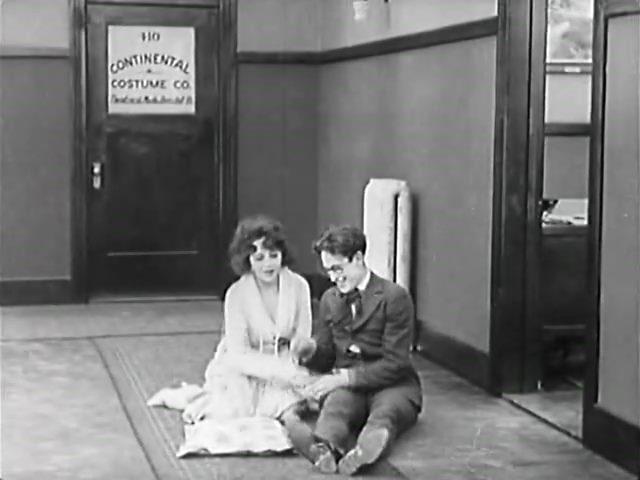
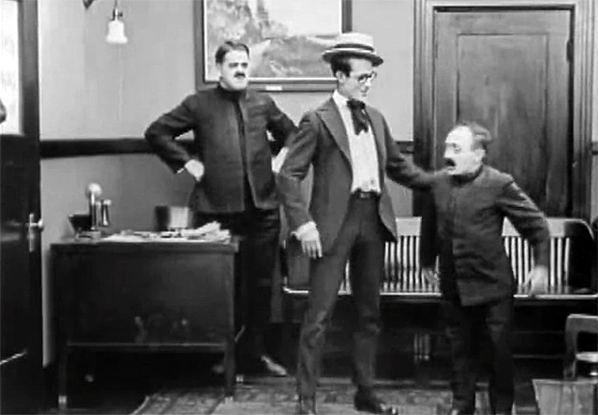
What elevates Ask Father beyond a mere string of gags is its masterful escalation. Each time Lloyd’s character attempts to enter the father's office, hoping to finally pop the question, he is met with a fresh, inventive, and utterly devastating method of ejection. The film doesn't rely on repetition for its humor; it builds upon it, introducing new variables and heightened stakes with each successive attempt. We witness him being unceremoniously tossed through doors, hurled out of windows, and even launched from furniture. The sheer variety of physical comedy on display is a credit to the ingenuity of the filmmaking team and the sheer athleticism of Lloyd himself. This isn't just falling down; it's a carefully choreographed ballet of human resilience against an immovable object. The father, often aided by his burly office staff, transforms into a human catapult, turning the simple act of a suitor's visit into a perilous obstacle course.
The humor also stems from the visual metaphor embedded within the narrative. The office, typically a place of decorum and negotiation, becomes a battleground. The father's desk, a symbol of his authority, is repeatedly breached and then re-established as a fortress. The doors themselves, usually gateways, become instruments of rejection. This subversion of everyday objects and spaces is a hallmark of classic slapstick, and Ask Father executes it with precision and verve. The audience isn't just laughing at the physical comedy; they're delighting in the cleverness of the visual storytelling, the way the film communicates its narrative through action rather than dialogue.
While Harold Lloyd is undeniably the central comedic force, the film's success is deeply indebted to its ensemble cast. Bebe Daniels, as the waiting fiancée, grounds the chaotic proceedings with her sympathetic portrayal. Her reactions, from hopeful anticipation to growing concern and mild exasperation, provide an emotional anchor for the audience. She's not just a prop; she's a vital component of the narrative, her silent vigil amplifying the humor and pathos of Lloyd’s increasingly desperate attempts. Daniels, even in these early roles, demonstrated a remarkable range, hinting at the versatility that would define her later career.
The supporting cast, a veritable who's who of silent era character actors, adds layers of comedic texture. Sammy Brooks, Bud Jamison, Lew Harvey, Noah Young, and 'Snub' Pollard, among others, form the formidable phalanx of office workers and bouncers who aid the father in his relentless rejection of the suitor. Their deadpan expressions, their synchronized efforts in tossing Lloyd, and their sheer physical presence contribute significantly to the film's comedic rhythm. James Fitzgerald, James A. Fitzgerald, Wally Howe, Charles Stevenson, Margaret Joslin, Dorothea Wolbert, Harry Burns, William Gillespie, James Parrott, Marie Mosquini, and Dee Lampton all play their parts, whether as additional office staff, bewildered passersby, or other minor roles that fill out the bustling world of the film. Harold Lloyd's famous 'Glasses Character' was still evolving here, but his trademark blend of earnestness, ingenuity, and a touch of everyman vulnerability is already clearly evident. He's not the suave, confident go-getter of his later features, but a more naive, perhaps even clumsy, suitor whose persistence is both admirable and incredibly foolish.
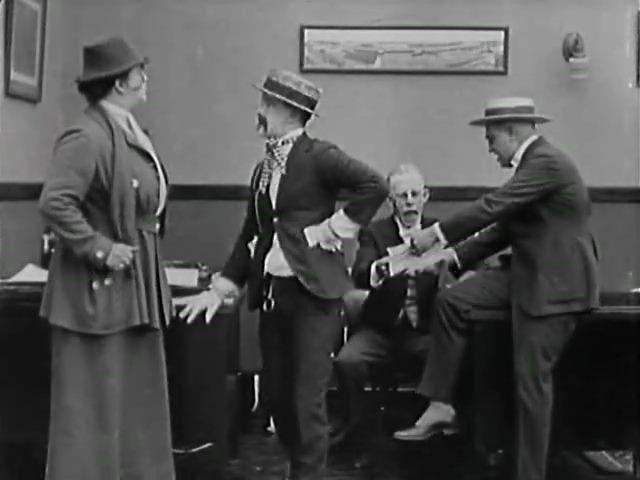
The writer, H.M. Walker, deserves immense credit for crafting a script that, despite its simplicity, allows for such rich visual comedy. His understanding of comedic timing and escalation is evident in every scene. The film doesn't rush; it allows each gag to land, then builds towards the next, creating a satisfying crescendo of absurdity. Walker’s ability to conceive such diverse methods of expulsion speaks to a fertile comedic imagination, laying the groundwork for many of the physical comedy tropes that would become staples of the genre.
One cannot discuss Ask Father without acknowledging its place in the broader landscape of early cinema. The film, released in 1919, represents a period of rapid innovation in filmmaking. Directors and cinematographers were still experimenting with techniques, and the language of cinema was being forged with every new release. The pacing of Ask Father, for instance, is brisk, a characteristic often found in silent comedies designed to keep audiences engaged through constant motion and visual spectacle. There’s a dynamic energy that propels the narrative forward, ensuring that the audience is always anticipating the next comedic contrivance.
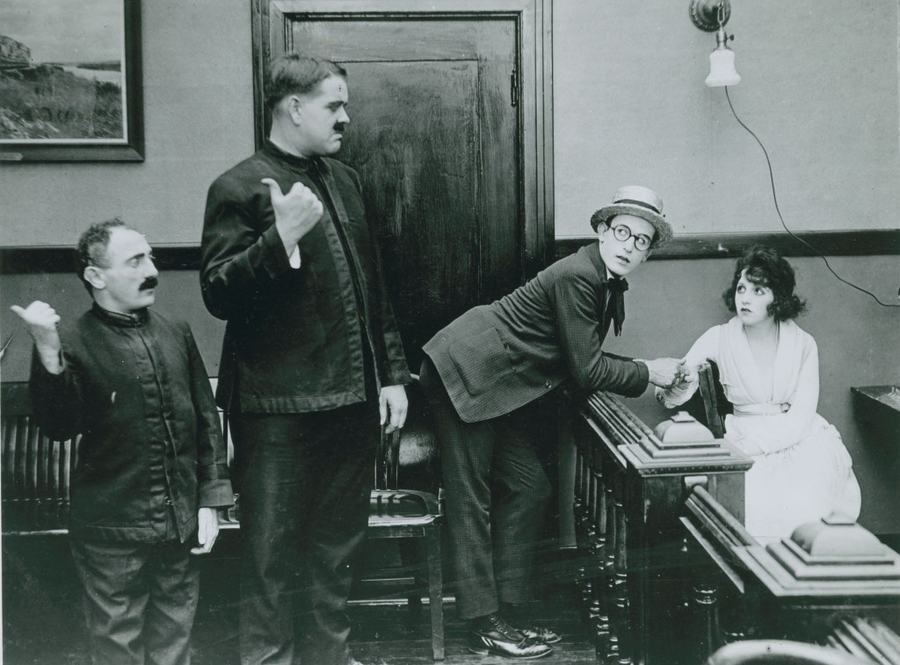
The use of editing to enhance comedic timing is also noteworthy. Quick cuts punctuate the moments of physical impact, while longer takes allow the audience to appreciate the build-up and the aftermath of a particularly elaborate fall. The camera work, though perhaps not as complex as later silent epics, is effective in capturing the action and conveying the characters' emotions. Close-ups on Bebe Daniels’ face, for example, effectively communicate her emotional state without the need for intertitles, a testament to the power of visual acting in the silent era.
The film also subtly touches upon societal norms of the time. The tradition of 'asking the father' for a daughter's hand was a deeply ingrained social custom, representing a transfer of patriarchal authority. Ask Father satirizes this custom by exaggerating the father's power to an absurd degree, turning a formal request into a gladiatorial contest. It playfully critiques the barriers to love and autonomy, albeit through the lens of pure farce. This underlying social commentary, however light-hearted, adds a layer of depth to what might otherwise be perceived as mere silliness.
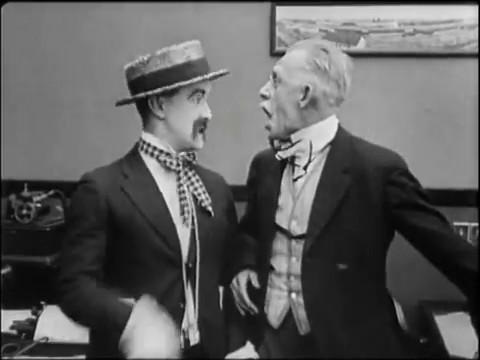
While Ask Father is a pure comedic romp, its central theme of relentless persistence in the face of overwhelming odds resonates beyond its genre. The suitor's unwavering determination, despite repeated and often painful setbacks, echoes the human spirit's capacity for resilience. One might draw a thematic, if not stylistic, parallel to films like The Outcast, where characters face persistent rejection and societal barriers, albeit in a dramatically different context. In both instances, the protagonist is confronted by an unyielding force, and their journey is defined by their attempts, successful or otherwise, to overcome it. The comedic genius of Ask Father lies in turning this struggle into a source of uproarious laughter, transforming what could be a tragic narrative of unrequited desire into a triumph of comedic ingenuity.
Even comparing it to a film like Behind the Scenes, which might explore the arduous efforts and struggles of individuals in the entertainment industry, we can find a common thread: the relentless pursuit of a goal against seemingly insurmountable obstacles. The suitor's plight in Ask Father, while farcical, taps into a universal experience of striving for something dearly desired, only to be met with repeated, frustrating, and often absurd, resistance. It's a reminder that sometimes, the only way through is to keep trying, even if it means being thrown out a window a dozen times.
Ask Father, though a short film from a bygone era, holds a significant place in the annals of cinematic history. It's a foundational piece in Harold Lloyd's filmography, showcasing his early comedic persona before the full development of his 'Glasses Character' as the ambitious, upwardly mobile urbanite. It demonstrates the raw talent and physical prowess that would later propel him to superstardom alongside Charlie Chaplin and Buster Keaton. For silent film aficionados, it's a delightful example of the genre at its most pure and unadulterated.
Today, watching Ask Father is more than just a historical exercise; it's a genuinely entertaining experience. The gags, despite their age, remain remarkably effective. The physical comedy is universal, transcending language barriers and the passage of time. It reminds us of a simpler form of entertainment, where elaborate sets and special effects were secondary to ingenious ideas and charismatic performances. The sheer joy derived from watching Lloyd's character endure endless indignities with a resilient, albeit battered, spirit is infectious.
The film also serves as a valuable document of early Hollywood's creative energy. It highlights the collaborative spirit of the time, with writers like H.M. Walker crafting scenarios that allowed performers like Harold Lloyd and Bebe Daniels to truly shine. It's a testament to the foundational principles of visual storytelling and comedic timing that continue to influence filmmakers today. For anyone interested in the evolution of comedy or the history of cinema, Ask Father is an essential viewing, a charming, hilarious, and surprisingly insightful look at love, persistence, and the art of being gracefully (or ungracefully) ejected.
In conclusion, Ask Father is far more than just a historical curiosity. It is a vibrant, rollicking piece of silent cinema that showcases the burgeoning talents of its stars and the timeless appeal of well-crafted physical comedy. Its clever escalation of gags, the delightful performances, and its underlying satirical wit make it a truly enjoyable watch, even a century after its initial release. It’s a film that asks us to laugh at the absurdity of tradition, to cheer for the underdog, and to appreciate the sheer artistry of a perfectly timed pratfall. A true gem from the golden age of silent film, it continues to entertain and remind us of the enduring power of laughter.
IMDb —
1920
Community
Log in to comment.