DbcultAccessing Vault...
5.6/10
Senior Film Conservator
A definitive 5.6/10 rating for a film that redefined the boundaries of cult cinema. Mysteries of Paris remains a cornerstone of transgressive art.
Stepping into the world of Mysteries of Paris is akin to unearthing a forgotten relic, a cinematic artifact that, despite its age, throbs with an enduring vitality. Based on Eugène Sue’s monumental serial novel, this film adaptation endeavors to capture the sprawling tapestry of 19th-century Parisian society, from its gilded drawing rooms to its grimy, gaslit alleyways. It’s a bold undertaking, a narrative ambition that few contemporary filmmakers would dare to tackle with such scope. The silent era, with its reliance on visual storytelling and heightened melodrama, proves a surprisingly apt medium for Sue’s sensationalist yet socially conscious narrative.
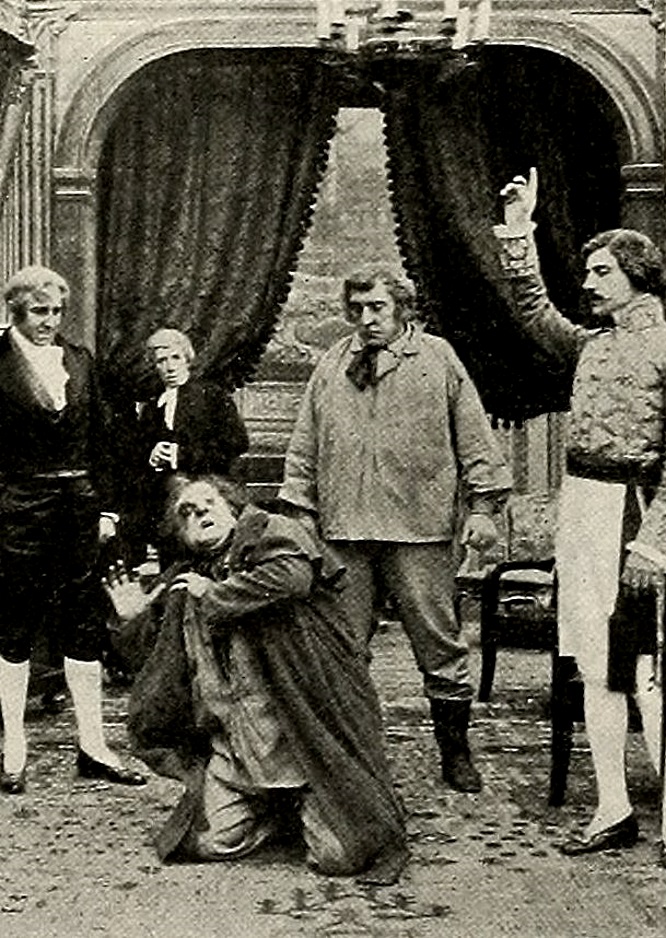
The film plunges us headfirst into a labyrinthine plot, immediately establishing a tone of impending tragedy and profound injustice. We are introduced to Archduke Rodolphe d'Illyrie, a figure of noble bearing yet burdened by a clandestine romance with Countess Sarah Mac Gregor. Their secret union, blessed with a daughter, is the fragile foundation upon which a colossal edifice of suffering is built. The revelation that Sarah’s father-in-law plots to annul her marriage ignites a desperate, ill-fated chain of events. Her attempt to safeguard her position, by writing to her brother for a drastic intervention against the old man, becomes the catalyst for her undoing. The interception of this letter, a cruel twist of fate, forces her into a desperate flight across the Atlantic, leaving her infant child with humble farmers on the outskirts of Paris.
The sheer weight of this initial setup is compelling. It’s a story of love thwarted, of familial obligations twisted into instruments of control, and of the precariousness of even the highest social standing. The narrative doesn't merely present these events; it imbues them with a sense of operatic grandeur, a characteristic often found in the most effective silent dramas. The performances, particularly from Paul Capellani as Rodolphe, convey the internal turmoil with a raw, expressive intensity that transcends the lack of spoken dialogue. His grief, when he later discovers the farmhouse razed by fire and believes his daughter lost, is palpable, a silent scream that resonates deeply.
Rodolphe's subsequent transformation into a vengeful seeker of justice forms the narrative's central spine. His journey into the seedy underbelly of Paris, a world he previously only observed from a distance, is a fascinating exploration of class boundaries and moral ambiguities. He encounters the truly reprehensible characters of the Schoolmaster and la Chouette, villains who embody the era's most cynical exploitation. Their heinous act of kidnapping the Archduke’s daughter, renaming her Fleur de Marie, and forcing her into a life of begging, is a stark indictment of societal neglect and the ruthless survival instincts of the urban poor. This stark contrast between aristocratic suffering and proletarian villainy, while perhaps simplistic by modern standards, was a powerful engine for social commentary in its time.
The film’s portrayal of the Parisian slums, while undoubtedly romanticized through the lens of melodrama, still carries an undeniable grit. It invites comparison with other cinematic explorations of urban poverty and crime, such as the later, more acclaimed adaptations of Les misérables or even Oliver Twist, which similarly delved into the moral squalor and desperate lives of society's forgotten. While those films might have benefited from more advanced cinematic techniques, Mysteries of Paris lays important groundwork, establishing visual tropes and narrative arcs that would echo through subsequent decades of filmmaking.
Albert Capellani, both as a writer and presumably a guiding hand in the production, along with Eugène Sue's original vision, crafts a world brimming with dramatic potential. The interplay of fate and human agency, the relentless pursuit of truth, and the stark depiction of good versus evil are all hallmarks of classic storytelling. One cannot help but admire the ambition of adapting such a sprawling literary work into a silent film, a medium that demanded conciseness yet often delivered grandiosity through its visual language and the emotiveness of its performers. The challenge of translating Sue's intricate subplots and moralizing digressions into a coherent, moving picture must have been immense, yet the film largely succeeds in maintaining a compelling forward momentum.
The character of Fleur de Marie, the innocent child forced into mendicancy, is the emotional heart of the story. Her plight is designed to evoke profound sympathy, a stark symbol of the vulnerable caught in the machinery of societal injustice. Her suffering is a direct consequence of the machinations of the powerful and the cruelty of the desperate. This kind of character, a symbol of purity defiled, was a common trope in melodramas of the era, but here it feels particularly poignant, driving much of Rodolphe’s motivation and the audience’s emotional investment. The contrast between her initial aristocratic lineage and her current squalid existence highlights the arbitrary nature of fortune and the devastating impact of circumstance.
Technically, for its era, the film likely showcased the cutting edge of visual storytelling. While specific details about its cinematography or editing might be elusive today, the very existence of such a complex narrative implies a sophistication in staging and performance. The use of intertitles would have been crucial, not just to convey dialogue but to bridge narrative gaps and provide exposition, guiding the audience through the intricate plot. One can imagine the dramatic close-ups used to emphasize the raw emotions of the actors, a staple of silent cinema that allowed performers like Paul Capellani to truly shine.
The film’s engagement with themes of justice and retribution is particularly striking. Rodolphe's quest is not merely for personal vengeance but for a broader sense of moral order to be restored. His descent into the underworld is a baptism by fire, forcing him to confront the grim realities faced by those less fortunate. This journey of discovery, where a privileged individual witnesses firsthand the systemic cruelty of society, is a powerful narrative device. It suggests a nascent social consciousness, hinting at the broader concerns that would later animate movements for reform and justice.
The casting, featuring actors like Félix Gandéra, Jean Kemm, and Henri Étiévant alongside Capellani, would have been pivotal in bringing these larger-than-life characters to fruition. In silent films, an actor's physicality, their facial expressions, and their ability to convey complex emotions without uttering a single word were paramount. These performers, working within the theatrical conventions of their time, undoubtedly contributed to the film’s emotional resonance, allowing the audience to connect with the characters' struggles on a visceral level.
Reflecting on Mysteries of Paris from a modern vantage point, it serves as a fascinating window into the storytelling sensibilities of the early 20th century. It predates the intricate psychological dramas and nuanced character studies that would become more prevalent in later cinematic periods. Instead, it offers a grand, sweeping spectacle of good and evil, fate and free will, played out against a meticulously rendered backdrop of urban life. The film's enduring appeal lies in its fundamental human drama: the loss of innocence, the search for truth, and the unwavering hope for reunion.
The influence of Eugène Sue’s novel cannot be overstated. It was a sensation in its time, captivating readers with its blend of social critique and thrilling adventure. Adapting such a beloved and influential work for the nascent medium of cinema was a significant cultural event. It demonstrated the power of film to bring popular literature to a wider audience, translating the printed word into a living, breathing spectacle. This was a common trend in early cinema, with many filmmakers drawing from established literary works, such as The Three Musketeers or Jane Eyre, to lend prestige and familiarity to their productions.
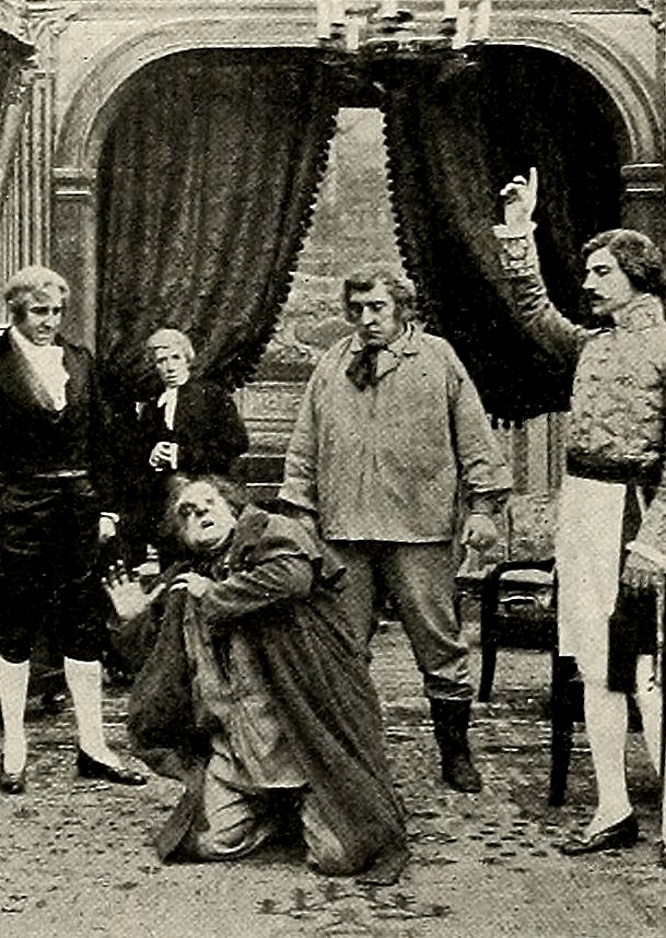
The film also subtly touches upon the corruption inherent in power structures. The father-in-law's plot to annul the marriage is a stark example of how societal norms and legal loopholes could be manipulated by the elite to maintain their status and control. This theme, while not explicitly the main focus, underpins much of the initial conflict and sets the stage for Sarah's desperate actions. It reminds us that the 'mysteries' of Paris extend beyond its dark alleys to the hidden machinations within its most opulent residences.
The journey of Rodolphe, from a grieving nobleman to an active participant in the city's underbelly, is perhaps the most dynamic character arc. He doesn't merely observe the suffering; he becomes immersed in it, driven by a personal tragedy that forces him to confront the broader injustices of his society. This transformation elevates the narrative beyond simple melodrama, hinting at a more profound exploration of empathy and social responsibility. His interactions with the Schoolmaster and la Chouette are not just confrontations but dives into the moral abyss, challenging his preconceived notions of justice and order.
The film, like many of its contemporaries, likely relied heavily on audience empathy, using the plight of characters like Fleur de Marie to elicit strong emotional responses. The sheer cruelty of her situation, forced to beg for the profit of her captors, is designed to shock and provoke. It's a powerful narrative tool, harnessing the audience's natural inclination to root for the underdog and to condemn overt villainy. This emotional engagement was crucial for silent films, which lacked the nuances of spoken dialogue to convey subtle character motivations.
Ultimately, Mysteries of Paris is a testament to the enduring power of classic narratives. It's a tale of resilience in the face of adversity, of the relentless pursuit of truth, and of the profound bonds of family, however fractured they may become. While the cinematic language has evolved dramatically since its release, the core human emotions and universal struggles depicted within remain timeless. It stands as an important piece of early cinema, illustrating the ambition and artistry of filmmakers who were defining a new medium. The film, in its grand, sweeping strokes, reminds us that even in the darkest corners of a bustling metropolis, the human spirit yearns for light, justice, and the restoration of what was lost.
The use of melodrama, often viewed critically in modern cinema, was an essential ingredient for the success of films like Mysteries of Paris. It allowed for clear distinctions between heroes and villains, making the emotional stakes immediately understandable to a diverse audience. The dramatic irony of Rodolphe searching for his daughter’s supposed murderers while she is, in fact, alive and suffering under the very villains he seeks, is a classic melodramatic device that keeps the audience captivated and emotionally invested. This tension, built on withheld information and tragic misunderstandings, is a masterclass in silent film pacing.
The legacy of this film, and indeed of Sue’s novel, extends far beyond its initial release. It contributed to a cultural fascination with the hidden lives of cities, a fascination that would inspire countless future works in literature and cinema. The idea of a nobleman descending into the criminal underworld to dispense his own brand of justice is a trope that has been reinterpreted innumerable times, from pulp fiction to superhero comics. Mysteries of Paris, therefore, isn't just an old film; it's a foundational text for a particular kind of urban adventure narrative.
Considering the constraints of early filmmaking—limited budgets, rudimentary equipment, and the nascent understanding of cinematic grammar—the achievement of Mysteries of Paris is even more remarkable. It showcases a period when filmmakers were experimenting, pushing boundaries, and discovering the unique capabilities of the moving image. The film would have relied heavily on evocative set design, dramatic lighting, and the expressive power of its actors to build its world. One can envision the stark contrast between the opulent interiors of Rodolphe’s world and the squalid, dimly lit hovels of the Schoolmaster, all conveyed through visual cues and the art of the set decorator.
The emotional journey of the audience through such a narrative is intense. From the initial shock of Sarah’s flight and the perceived death of her child, through Rodolphe's grief and relentless pursuit, to the heartbreaking depiction of Fleur de Marie's forced beggary, the film is designed to elicit a powerful spectrum of feelings. This emotional manipulation, far from being a flaw, was a deliberate and often highly effective strategy in silent cinema, creating a shared experience that transcended social barriers. The raw, unfiltered emotions conveyed by the actors, often exaggerated for the camera, connected directly with the audience’s own capacity for empathy and indignation.
In many ways, Mysteries of Paris can be seen as a precursor to the epic historical dramas and social realist films that would come to define later periods of cinema. It attempts to grapple with complex societal issues, albeit through a highly dramatic lens, and presents a panoramic view of a city divided by wealth and poverty, justice and corruption. Its ambition alone makes it worthy of study, but its enduring power lies in its ability to tell a compelling human story that, despite its period trappings, continues to resonate. The film provides a rich tapestry of human experience, from the highest echelons of society to its most desperate fringes, all bound by the threads of fate and consequence.
The thematic resonance of a lost child, a common motif in literature and film, is particularly potent here. It taps into universal fears and desires: the fear of losing one's offspring and the profound desire for reunion. This element alone provides a powerful emotional hook, drawing the audience into Rodolphe's desperate quest. It imbues the often-gritty realism of the Parisian underworld with a deeply personal, almost mythical, dimension. Fleur de Marie is not just a victim; she is the symbol of a lost future, a hope snatched away, and her eventual rescue, if it comes, would signify a triumph over overwhelming despair.
The film’s portrayal of justice is not always straightforward. Rodolphe, in his pursuit, often operates outside the conventional legal framework, taking matters into his own hands. This vigilante aspect, while perhaps morally ambiguous, adds a layer of excitement and urgency to his character. It reflects a common sentiment in popular fiction of the time: that formal institutions often fail the vulnerable, necessitating extraordinary measures from individuals willing to challenge the status quo. This kind of heroic individualism, fighting against systemic evil, is a timeless narrative appeal.
Ultimately, Mysteries of Paris is more than just a historical curiosity; it is a vibrant piece of cinematic history that showcases the nascent art form's capacity for grand storytelling and profound emotional impact. Its sprawling narrative, unforgettable characters, and timeless themes ensure its place as a significant work, a testament to the enduring power of melodrama when wielded with skill and vision. It invites us to remember a time when cinema was still finding its voice, yet already speaking volumes.
IMDb —
1933
Community
Log in to comment.