DbcultAccessing Vault...
5.4/10
Senior Film Conservator
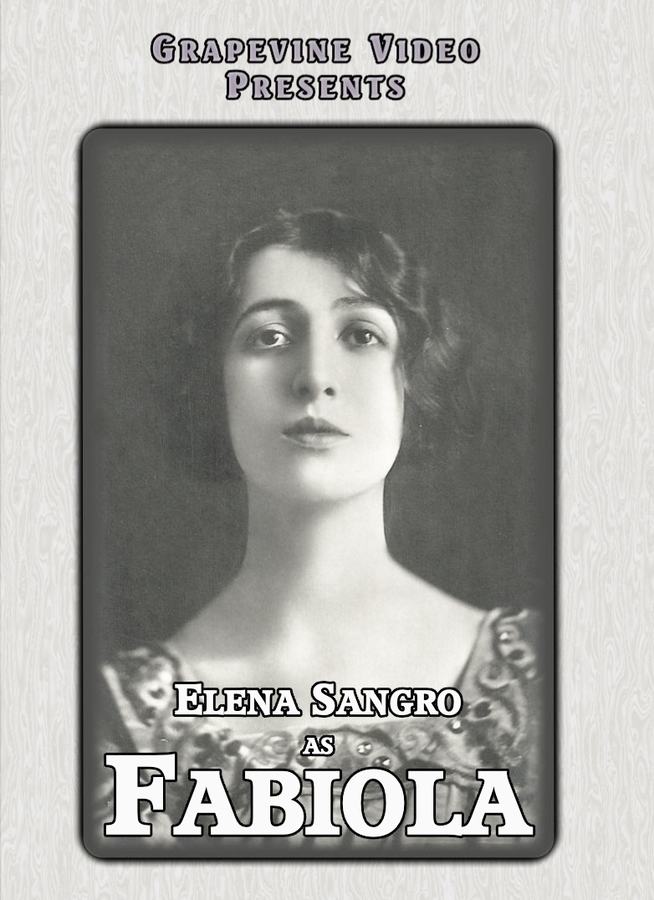
A definitive 5.4/10 rating for a film that redefined the boundaries of cult cinema. Fabiola remains a cornerstone of transgressive art.
Stepping back into the cinematic annals, one encounters Fabiola, a monumental achievement from an era when the moving image was still finding its voice, yet already reaching for epic narratives and profound human drama. Released at a time when cinema was rapidly evolving from mere novelty to a potent storytelling medium, this film plunges viewers into the brutal, yet ultimately transformative, world of 302 AD Rome. It's a period defined by the iron grip of Emperor Diocletian and his relentless, systematic persecution of the burgeoning Christian community, a historical crucible that forged both martyrs and converts with equal fervor. This isn't merely a historical spectacle; it's a deeply spiritual journey, an exploration of faith's unyielding power against the might of an empire, and a testament to the transformative potential of human connection in the most dire circumstances.
The film, a grand collaborative effort penned by Fausto Salvatori and Nicholas Patrick Wiseman, doesn't shy away from the stark realities of its setting. Instead, it embraces them, crafting a narrative that is both harrowing and deeply inspiring. It’s a bold artistic statement, especially for its time, demonstrating cinema's capacity to engage with complex moral and historical themes, moving beyond simple entertainment to provoke genuine introspection. The ambition inherent in its production, from the vast sets depicting ancient Rome to the meticulous portrayal of the period's social strata, speaks volumes about the early filmmakers' vision. They were not just telling a story; they were attempting to resurrect a pivotal moment in human history, infusing it with dramatic urgency and spiritual resonance.
At the heart of this sprawling narrative lies Fabiola, portrayed with an initial hauteur that perfectly encapsulates the Roman aristocracy's detached indifference. She is a woman of immense privilege, cocooned by wealth and status, seemingly impervious to the suffering unfolding just beyond the walls of her opulent villa. Her world is one of lavish banquets, political intrigue, and a comfortable paganism that offers little challenge to her entrenched worldview. Yet, this carefully constructed existence is destined for disruption, a seismic shift initiated not by grand pronouncements or imperial decrees, but by the quiet, unwavering presence of her enslaved Christian attendant, Miriam. Miriam, whose faith is an unshakeable anchor in a sea of terror, becomes the unexpected catalyst for Fabiola's profound spiritual awakening.
The genius of Fabiola lies in its patient, almost observational, charting of this transformation. It's not an overnight conversion but a gradual chipping away at years of ingrained prejudice and societal conditioning. Fabiola is exposed, often against her will, to the incredible acts of faith demonstrated by those facing martyrdom. These scenes, though undoubtedly staged for the camera, carry an immense emotional weight, showcasing the raw courage and transcendent peace that can grip individuals on the precipice of death. The film masterfully juxtaposes the brutality of the Roman authorities with the serene defiance of the Christians, creating a powerful commentary on the nature of power, belief, and human endurance. The spectacle of the arena, often depicted with a chilling realism for its time, becomes not just a scene of horror but a stage for spiritual triumph, a paradox that deeply unsettles Fabiola's established order.
The performances, particularly from the lead actors like Giorgio Fini and Amleto Novelli, alongside Valeria Sanfilippo, though delivered in the expressive, often exaggerated style characteristic of silent cinema, convey a remarkable depth of emotion. They articulate the internal turmoil and spiritual conviction with gestures and facial expressions that transcend the lack of spoken dialogue. The viewer is drawn into their world, feeling the weight of Miriam's quiet steadfastness and the slow, painful cracking of Fabiola's worldly shell. The ensemble cast, including Augusto Mastripietri, Signora Tirelli, Livio Pavanelli, Bruto Castellani, Signora Poletti, Elena Sangro, Giulia Cassini-Rizzotto, and Ljubomir Stanojevic, contributes to the rich tapestry of Roman society, from the imperious to the oppressed, each face telling a story within the larger drama.
The visual storytelling in Fabiola is nothing short of ambitious. The recreation of 4th-century Rome, with its imposing architecture, bustling streets, and grim dungeons, is rendered with a scale that was truly groundbreaking for early cinema. The production design, while perhaps lacking the hyper-realistic detail of modern blockbusters, nevertheless evokes a palpable sense of time and place. The costumes, the sets, the sheer number of extras—all combine to immerse the audience in a bygone era, making the historical context feel immediate and visceral. This commitment to visual spectacle was a hallmark of early epic cinema, aiming to transport audiences to distant lands and times with unprecedented realism.
The film's thematic exploration extends beyond individual conversion to encompass broader societal conflicts. It examines the clash between paganism and Christianity, not just as religious doctrines, but as competing worldviews. Pagan Rome, with its emphasis on imperial power, ritual sacrifice, and earthly pleasures, stands in stark contrast to the burgeoning Christian faith, which champions humility, spiritual purity, and a belief in a transcendent afterlife. This ideological battle forms the bedrock of the film's dramatic tension, illustrating how deeply faith can shake the foundations of even the most formidable empires. The persecutions are not just acts of cruelty; they are desperate attempts by a crumbling order to reassert control over a populace increasingly drawn to a radical new philosophy.
In an era brimming with cinematic experimentation, Fabiola stands as a fascinating counterpoint to many of its contemporaries. While films like Tarzan of the Apes offered audiences thrilling escapes into exotic jungles and primal adventures, 'Fabiola' grounded its epic aspirations in the stark, often brutal, realities of historical persecution. Both films, in their own ways, pushed the boundaries of what cinema could achieve in terms of spectacle and storytelling, but their aims diverged significantly. Where Tarzan explored themes of man's relationship with nature and untamed freedom, Fabiola delved into the profound spiritual struggles within a rigid societal structure.
Similarly, unlike the intimate, often melodramatic, personal dilemmas explored in contemporary features such as Her Temptation, 'Fabiola' elevates its narrative to a realm of profound spiritual and societal conflict. While 'Her Temptation' might delve into the complexities of desire and moral compromise on a personal scale, 'Fabiola' broadens its scope to encompass the fate of an entire faith community, making personal choices resonate with historical consequence. The emotional stakes in 'Fabiola' are not just about individual happiness but about the very survival of a belief system.
The spirit of defiance, while present in characters like those in The Lady Outlaw, takes on a wholly different, more sacred dimension in 'Fabiola,' where resistance is born of spiritual conviction rather than mere rebellion against secular authority for personal gain. The 'outlaw' in 'Fabiola' is not one who seeks to subvert laws for selfish reasons, but one who adheres to a higher law, accepting the ultimate sacrifice for their beliefs. This distinction imbues the film with a gravity that transcends typical adventure narratives.
Furthermore, in an era where audiences were also grappling with the stark realities captured in films like At the Front with the Allies, which documented the brutal truths of modern warfare, 'Fabiola' offered a different kind of historical reckoning. While 'At the Front with the Allies' presented raw, unvarnished reality, 'Fabiola' filtered its historical events through the lens of dramatic spectacle and spiritual introspection, demonstrating cinema's dual capacity to document and to interpret history. Both represent significant achievements in early filmmaking, showcasing the diverse ways in which the nascent medium could engage with the world, be it through direct reportage or through the grandeur of historical reenactment.
Ultimately, Fabiola is more than just a historical drama; it's a profound meditation on the nature of faith, the courage required to uphold one's convictions, and the transformative power of empathy. It reminds us that even in the darkest periods of human history, light can emerge from unexpected sources, often through the quiet heroism of individuals. The film's enduring appeal lies not just in its impressive scale for its time, but in its timeless message: that spiritual liberty is a force more potent than any temporal power, capable of inspiring profound change in individuals and, by extension, in the course of history itself.
For modern audiences, viewing Fabiola offers a unique window into the early days of cinematic storytelling, revealing the foundational techniques and narrative ambitions that would shape the medium for decades to come. It serves as a powerful reminder of cinema's capacity to transcend time and technological limitations, delivering a story that continues to resonate with themes of conversion, persecution, and unwavering belief. It's a film that demands patience and an appreciation for its historical context, but rewards viewers with a rich, emotionally charged experience that speaks to the deeper currents of human experience. The journey of Fabiola from a haughty patrician to a humble convert remains a compelling narrative, a testament to the enduring power of faith in the face of overwhelming adversity, beautifully rendered through the pioneering artistry of early cinema.

IMDb —
1931
Community
Log in to comment.