DbcultAccessing Vault...
6.8/10
Senior Film Conservator
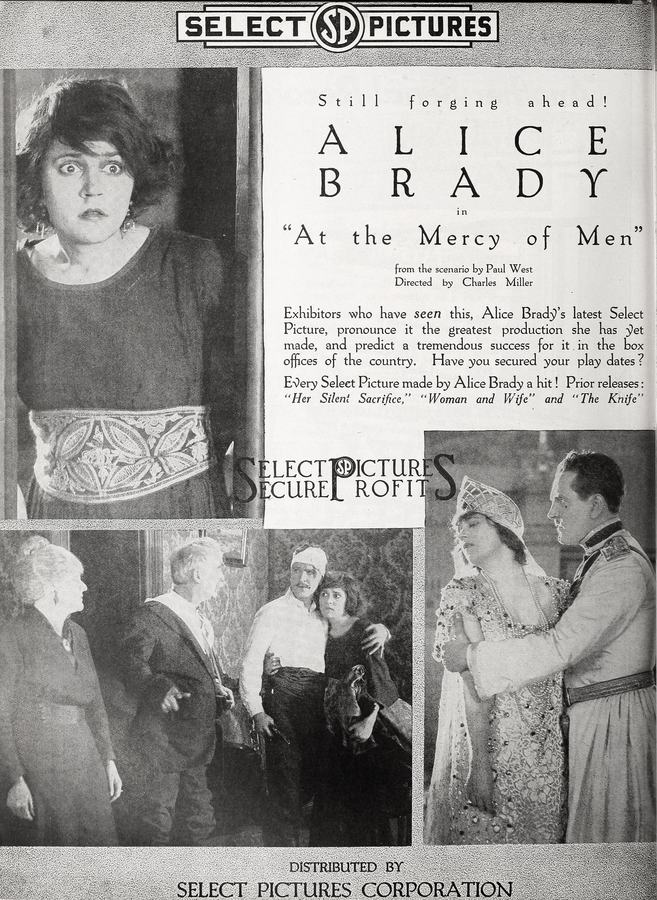
A definitive 6.8/10 rating for a film that redefined the boundaries of cult cinema. At the Mercy of Men remains a cornerstone of transgressive art.
Imagine, if you dare, a film that opens like a Fabergé egg hurled against a cobblestone: opulent, shattered, oozing something redder than enamel. At the Mercy of Men is that artifact—an outrage barely out of 1918 that still feels too hot to touch. Director Charles Miller and scenarist Paul West lace the melodrama of a fallen woman with the sour reek of autocratic impunity. The camera does not flinch when Vera Souroff is dragged into a candle-blurred salon where officers toast the double-headed eagle. The fade-to-black is not a euphemism; it is an erasure of consent, a gouge in the emulsion itself.
What follows is grotesque jurisprudence: the sovereign solves sexual assault with a wedding ring and a looting of bank accounts. The gesture is so absurd it loops back into satire—until you remember Romanov clemency often came scented with perfume and blood. By forcing Count Nicho to marry his victim, the film weaponizes patriarchy’s favorite band-aid: matrimony as reparation. Yet the screenplay refuses catharsis; instead it imprisons both rapist and raped in the same fetid wagon, hurtling toward Siberian iron mines and, eventually, the 1917 firestorm.
Lindroth, usually cast as stalwart society wives, here weaponizes fragility. Watch how she lowers her gaze in the assault scene—lids like guillotine blades—then raises it in later reels, the irises now flinty with ledger-keeping. Her body remembers every syllable of violation; shoulders fold inward as if still bracing against an invisible grip. When she saves Nicho from Bolshevik bullets, the rescue is staged not as forgiveness but as hostile archaeology: she needs the bones of truth to bury her ghosts.
W.C. Carleton plays the nobleman like a man sipping absinthe laced with ground glass. Observe the twitch in his left cheek when the marriage decree is read: guilt masquerading as migraine. Later, stripped of medals and mutton-chop whiskers, he becomes a penitent bear, lumbering toward absolution he knows he does not deserve. His final confession is delivered in a single shaky intertitle—"It was I"—yet the frame lingers on Vera’s hand, not his face, as it slackens from revolver to caress. The film dares us to read that clasp as either Stockholm syndrome or the most savage act of ownership: to hold your violator’s contrition like a sapper holds an unexploded shell.
Miller’s mise-en-scène is a study in predatory verticals: sabers, candelabra, doorframes skewering the female silhouette. The assault room is lit from below, turning faces into gargoyles. Later, revolutionaries burst in through the same doorway, their shadows erasing the previous crime-scene chalk outline. The cyclical blocking suggests history as Möbius strip: yesterday’s victims become tomorrow’s firing squad, innocence and guilt interchangeable under lantern light.
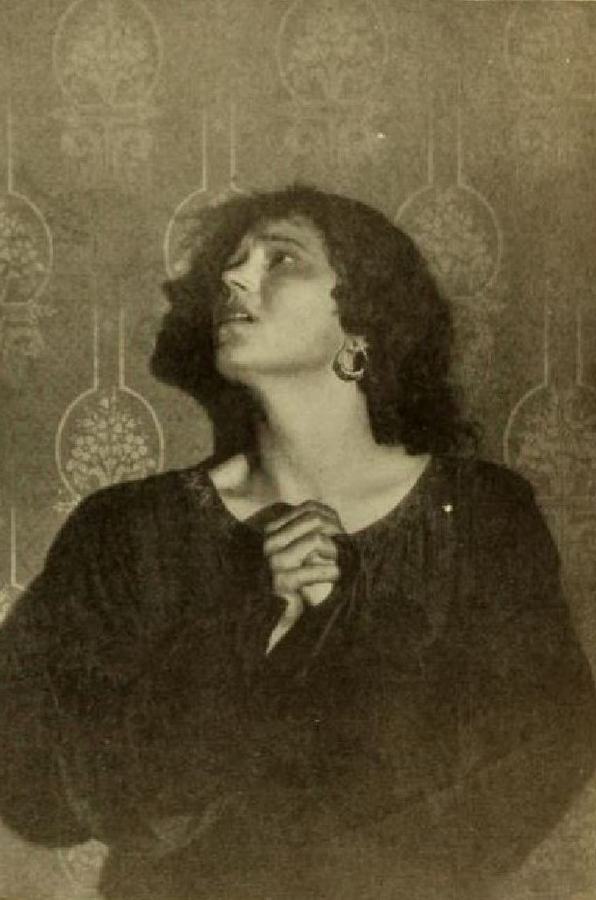
Seen today without a score, the film’s silence feels clinical, like a courtroom too polite to name the crime. Archival notes suggest original screenings featured a live violin scraping out Tchaikovsky, but the lack of cue sheets leaves modern curators improvising. I recommend pairing it with Shostakovich’s String Quartet No. 8; its funereal motifs transform the flicker into a séance where the audience becomes jury and accomplice.
Unlike The Easiest Way, where Constance Bennett’s fall is cushioned by silk sheets and Manhattan champagne, Vera’s descent is into political machinery that chews bodies to keep crowns polished. The film’s DNA also vibrates alongside Corruption’s moral cesspools, yet where that tale hides its transgressions behind velvet drapery, At the Mercy of Men drags them under klieg lights. Meanwhile, Assigned to His Wife toys with forced marriage for comedy; here the same device is a crucifixion.
When the February winds topple eagles, the narrative pivots from bodice-ripper to survivalist thriller. Stock footage of Petrograd’s barricades is intercut with tight two-shots of Nicho clutching Vera’s hand in a cattle car. The jump from private trauma to public upheaval risks whiplash, yet it serves the film’s thesis: personal atrocity cannot be quarantined from civic collapse. One autocrat’s bedroom decree metastasizes into a republic of resentments.
The officers’ confiscated fortunes land Vera a seat at the stock exchange of suffering. She becomes, overnight, a commodity magnate in pain futures. But the gold coins clink hollow against her rapists’ released signatures. The film’s most subversive beat arrives when she weaponizes that wealth to buy Nicho’s life from the revolutionaries, converting rubles into interrogation room hours. Capitalism and vengeance fuse into a private gulag.
Chicago’s 1919 board excised the assault entirely, re-titling it The Hand That Holds the Scepter. New York allowed the scene but trimmed the marriage-forced-by-Czar intertitle, fearing Bolshevik sympathy. Today’s restorers stitched fragments from Prague and MoMA archives; the resulting asymmetry—some reels crisp, others bruised with watermarks—mirrors the narrative’s own lacerations.
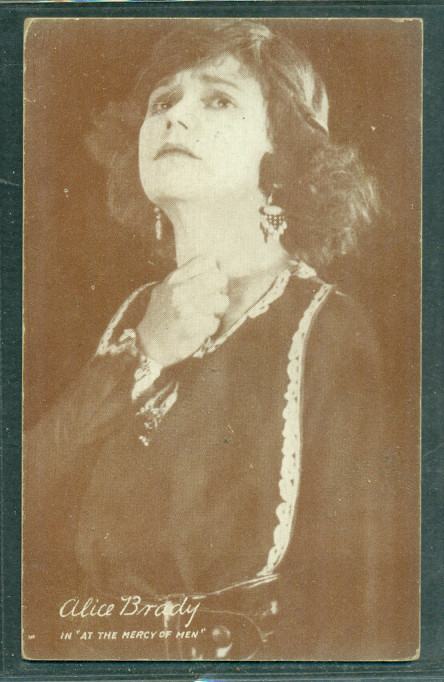
Duquette plays both Vera’s younger sister and, in flash-cuts, Vera’s pre-assault self, a visual rhyme that suggests lost innocence split like a mitotic cell. The device is proto-Eisensteinian, evoking The Scarlet Woman’s montage experiments but predating them by months.
Critics slam the closing embrace as patriarchal wish-fulfillment; I read it as a pact signed in neurochemical quicksand. Vera’s survival hinges on transmuting agony into narrative closure; she claims authorship by extracting the confession, then traps herself in the only plot twist left—shared damnation. The camera dollies back until both figures shrink to silhouettes against the burning palace, a visual confession that absolution is architecture aflame.
Swap Czar for Hollywood exec, rubles for hush-money NDAs, and the film plays like yesterday’s exposé. Its nerve lies in denying the audience a scrubbed heroine; Vera’s empowerment is scar-encrusted, her agency forged in the same crucible that melted her. That discomfort is why university syllabi still sideline it, preferring True Nobility’s sanitized uplift.
Shot on 35mm orthochromatic stock that renders blood as tarry puddles, the film required actors to dab zinc oxide on lips to register as anything lighter than coal. The prison sequence’s chiaroscuro was achieved with stolen German arc lights left over from wartime newsreels—every flicker of shade paid for with scavenged copper wiring.
At the Mercy of Men is not a comfort-blanket flick; it is a shroud you inhale. Watch it once for historical voltage, again for its queasy erotics of power, a third time to interrogate why you, like the Czar, crave neat endings. It belongs on a shelf between Hop - The Devil’s Brew’s narcotic delirium and The Dancer’s Peril’s backstage savagery—films that believed silent shadows could scream loud enough to crack royal china. Handle the disc with gloves; the emulsion still bleeds.
IMDb 6.3
1926
Community
Log in to comment.