DbcultAccessing Vault...
3.3/10
Senior Film Conservator
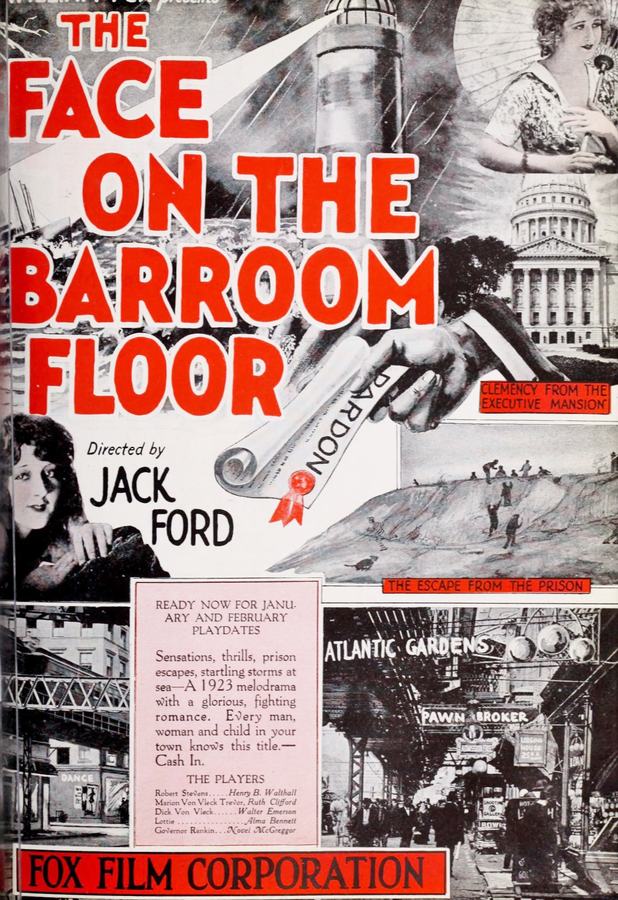
A definitive 3.3/10 rating for a film that redefined the boundaries of cult cinema. The Face on the Bar-Room Floor remains a cornerstone of transgressive art.
The Face on the Bar-Room Floor, a 1914 silent film, is a poignant and contemplative exploration of love, loss, and redemption, set against the backdrop of a bygone era. As the narrative unfolds, we are introduced to Robert Stevens, a celebrated artist, who becomes enamored with the captivating Mrs. Marion Trevor in the City of Love. Their whirlwind romance, replete with passion and promise, is soon disrupted by the arrival of Marion's brother, Dick Van Vleck, who becomes infatuated with Lottie, Robert's muse. The intricate web of relationships is deftly woven, as the characters navigate the complexities of love, desire, and heartbreak.
As the story progresses, we witness the tragic demise of Lottie, who drowns herself in the ocean, and Robert is wrongly accused of betraying her, resulting in the dissolution of his engagement to Marion. This pivotal moment marks a turning point in the narrative, as Robert's life begins to unravel, and he finds himself embroiled in a series of unfortunate events. The film's cinematography, although limited by the technological constraints of the era, effectively captures the mood and atmosphere of the story, with a muted color palette that adds to the overall sense of melancholy.
Further calamity unfolds as Robert is falsely accused of theft, leading to a two-year prison term. This plot twist serves as a catalyst for Robert's downward spiral, as he becomes increasingly disillusioned with the world around him. Upon his escape, he finds himself on a deserted island, where he prevents a catastrophic shipwreck and nurses a gravely ill lighthouse keeper back to health. This redemptive act, although fleeting, offers a glimmer of hope in an otherwise despondent narrative. The The Age of Desire, another film from the same era, also explores themes of love, loss, and redemption, although with a distinctly different tone and approach.
Despite receiving a pardon, Robert's life continues to spiral into despair, and he becomes a drunkard, haunting the local barroom, where he finds solace in the bottom of a bottle. The once-promising artist is now a shadow of his former self, lost in a sea of regret and heartache. The film's use of dark orange hues, in the barroom scenes, adds a sense of warmth and intimacy, juxtaposed with the sea blue tones, which dominate the island sequences, creating a visual dichotomy that underscores the narrative's themes of hope and despair.

The film's climax, in which Marion and the governor chance upon Robert in the barroom, where he is painting her portrait on the floor, is a masterful stroke of cinematic storytelling. The use of yellow lighting, in this scene, creates a sense of warmth and optimism, as the lovers are finally reunited, and the narrative hurtles towards its redemptive conclusion. The The Heart of Nora Flynn, another silent film classic, also explores the complexities of love and relationships, although with a distinctly more upbeat tone.
In conclusion, The Face on the Bar-Room Floor is a film that defies easy categorization, blending elements of romance, drama, and social commentary, to create a rich and complex narrative tapestry. The film's historical context, as a product of the silent era, adds an additional layer of depth and significance, as we witness the evolution of cinematic storytelling, in its early stages. The God's Crucible, a film from the same era, also explores themes of love, loss, and redemption, although with a distinctly more religious tone.
As we reflect on the film's themes and motifs, it becomes apparent that The Face on the Bar-Room Floor is a powerful exploration of the human condition, with all its attendant complexities and contradictions. The narrative's use of symbolism, particularly in the barroom scenes, adds a layer of depth and meaning, as we witness the protagonist's descent into despair, and his ultimate redemption. The film's cinematography, although limited by the technological constraints of the era, effectively captures the mood and atmosphere of the story, with a muted color palette that adds to the overall sense of melancholy.
The film's score, although absent in the modern sense, is replaced by the haunting sounds of the sea, which dominates the island sequences, creating a sense of longing and nostalgia. The Number 17, a film from the same era, also explores themes of love, loss, and redemption, although with a distinctly more fast-paced tone.
In the final analysis, The Face on the Bar-Room Floor is a film that rewards close attention and reflection, offering a nuanced and complex exploration of the human experience. The narrative's use of non-linear storytelling, although limited by the technological constraints of the era, adds a layer of complexity and depth, as we witness the protagonist's journey towards redemption. The film's historical context, as a product of the silent era, adds an additional layer of depth and significance, as we witness the evolution of cinematic storytelling, in its early stages.

IMDb 6.6
1936
Community
Log in to comment.