DbcultAccessing Vault...
5.2/10
Senior Film Conservator
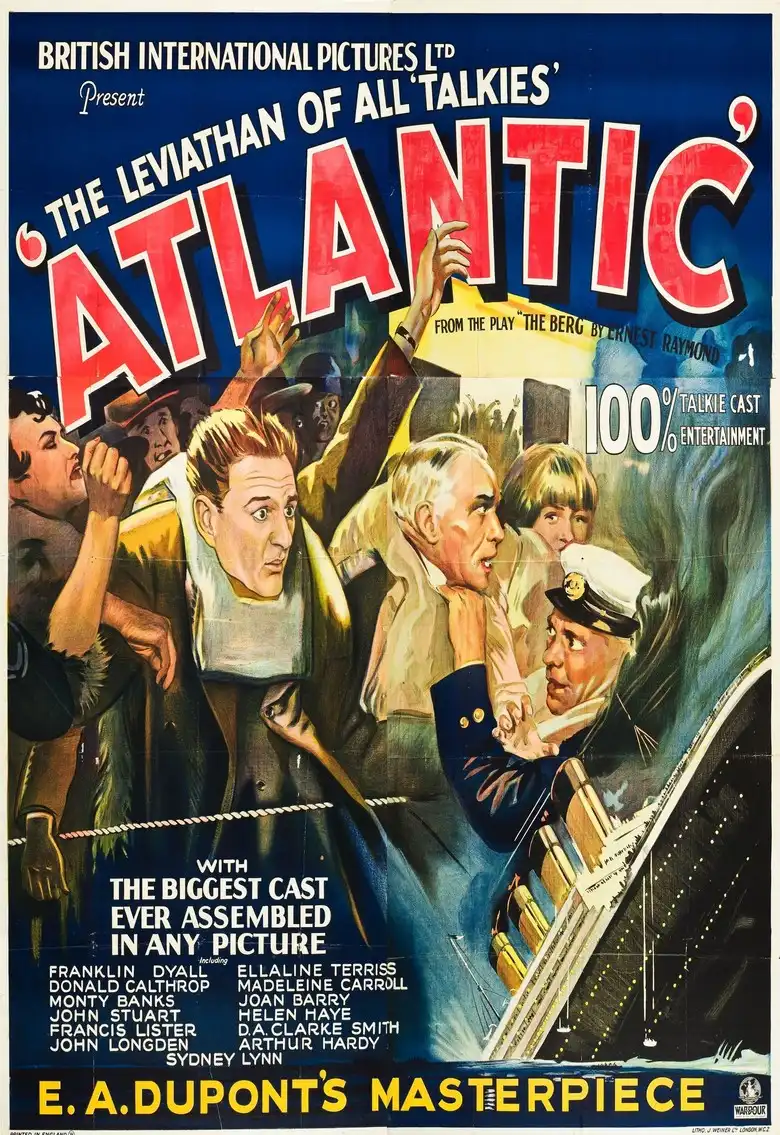
A definitive 5.2/10 rating for a film that redefined the boundaries of cult cinema. Atlantic remains a cornerstone of transgressive art.
Alright, let's talk about Atlantic from 1929. If you're someone who loves old films, especially those early talkies that were just figuring things out, then yes, this is absolutely worth checking out. It’s a snapshot of a particular moment in cinema history, telling the Titanic story just seventeen years after the actual sinking. For anyone expecting modern CGI or snappy pacing, you're gonna hate it. But for history buffs or folks interested in how they told big stories back then, it’s quite the experience. 🚢
The whole thing feels a bit like a filmed stage play, which makes sense for the era. The acting is *big*, sometimes comically so. You get a lot of pronouncements, not conversations. It's really something to see how they handled an ensemble cast in those very early days of sound. They didn't have all the tricks yet.
One thing that sticks out immediately is the sound itself. Being an early talkie, the dialogue often feels a little too loud, like everyone's shouting their lines to make sure the microphone picks them up. It gives everything this oddly formal, almost stilted rhythm. You can practically hear the limitations of the tech.
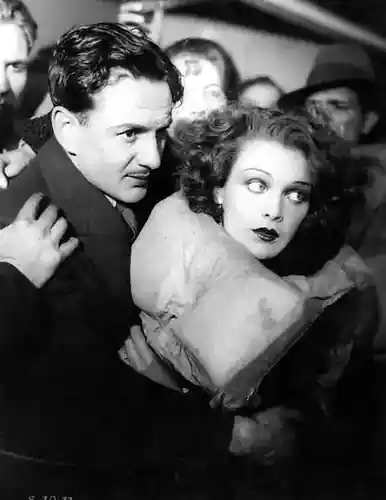
The story focuses a lot on a few key passengers. There's this couple, John Stuart and Madeleine Carroll, whose relationship is all complicated. And then Donald Calthrop as this kind of cad, Mr. Rindone, who keeps popping up. It's very much a character-driven piece, even with the big disaster looming.
I found myself particularly drawn to the scenes on the bridge. The captain and his officers, they’re all so stoic, almost unnervingly calm as the situation gets worse. There's one shot where the captain just stands there, looking out into the darkness after the bump, and you can practically feel the weight of it all settling in. No big special effects needed for that moment.
When the iceberg hits, it's not some grand visual spectacle. It's more of a *thud* and a slight tremor, then the slow dawning realization. It’s quite effective, actually, because it leaves so much to your imagination. You don't need a huge hole ripped in the side of the ship to understand the terror.
The panic, when it finally sets in, is handled in a very period-appropriate way. It's not the frantic, screaming chaos you might see in a modern film. Instead, you get a lot of people moving quickly, yes, but still with a certain stiff upper lip. Except for a few, like the terrified woman who refuses to get into a lifeboat. That felt genuinely raw for a moment. 😱
There's a scene in the smoking lounge that really sticks with me. A group of men, mostly the older, wealthier types, sitting around playing cards and drinking, even as the ship is clearly going down. They’re making these fatalistic jokes, and it’s a strange mix of bravery and denial. One guy even keeps calling for another drink, like it’s just another evening. It feels very specific to the era, that kind of stiff-necked acceptance.
The film doesn't shy away from the class distinctions, either. You see the fancy dinners and ballroom dancing upstairs, then glimpses of the crew working frantically below deck. It’s not hammered home, but it’s definitely there, a subtle undercurrent to the whole tragedy.
It’s also fascinating to see how they built the sets. They feel very solid, very real, even if you can tell they're indoors. The dining hall, the cabins, they have a tangible quality to them. It’s a different kind of immersion than what we're used to today, more about the atmosphere than grand vistas.
The ending, of course, is what it is. It's somber, and you get a real sense of loss. They don't try to soften the blow. It just *ends*, with the ship sinking and people left in the water. The final shot is pretty haunting, just the emptiness. It's not a fun watch, obviously, but it's a very earnest one. A bold undertaking for the nascent sound film era. Makes you wonder what audiences thought of it back then. ✨
IMDb 5.8
1933
Community
Log in to comment.