DbcultAccessing Vault...
Cult Review
Senior Film Conservator
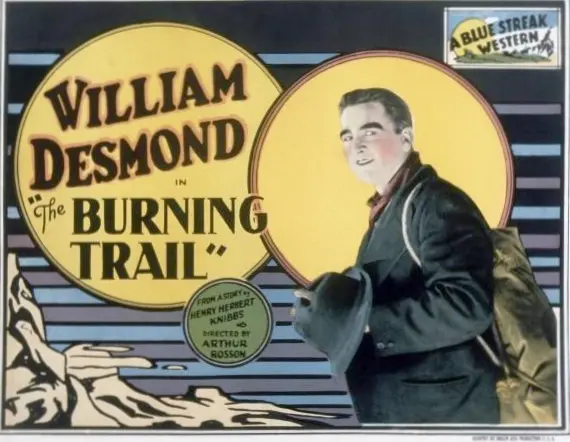
Does 'The Burning Trail' hold up in an era saturated with complex narratives and high-octane action? Short answer: yes, but not without considerable caveats. This film is a fascinating historical artifact that, while undeniably dated, still offers glimpses into the foundational myths of the American West and the moral quandaries of its time.
It's an absolute must for aficionados of early Westerns, silent film enthusiasts, and those interested in the genre's evolution. However, viewers accustomed to modern pacing, intricate character development, or sophisticated visual effects will likely find its straightforward narrative and deliberate rhythm a challenging watch. This isn't a film designed for casual consumption; it demands a particular kind of patience and historical appreciation.
This film works because of its earnest attempt to inject a moral dilemma into the nascent Western genre, driven by Edmund Cobb's surprisingly nuanced physical performance.
This film fails because its narrative predictability and reliance on established tropes sometimes overshadow its thematic ambitions, leading to moments that feel more quaint than compelling.
You should watch it if you're a film historian, a silent cinema devotee, or someone looking to understand the evolutionary roots of the American Western, particularly its early explorations of guilt and redemption.
The premise of 'The Burning Trail' immediately sets it apart from many of its early Western contemporaries. Our protagonist, Bill Flannigan, isn't introduced as a stoic cowboy or a quick-drawing lawman, but as a boxer. This initial setup, portraying him as 'Smiling Bill,' a man defined by physical prowess and public spectacle, quickly unravels into a tragedy.
The accidental death of an opponent in the ring transforms Bill from a celebrated figure into a guilt-ridden fugitive from his own past. This isn't the typical hero's journey into the West; it's an escape, a desperate search for anonymity and a new identity. The West, in this context, isn't merely a backdrop for adventure; it's a vast, unforgiving canvas for personal atonement.
What's particularly compelling, even if underdeveloped by modern standards, is the notion that violence, once embraced, is not easily shed. Bill's attempt to live a quiet life as a cook on a ranch is a deliberate rejection of his former identity. Yet, the frontier's own brand of brutal conflict—the age-old war between ranchers and sheepherders—inevitably draws him back into the fray. This moral dilemma, of a man trying to escape violence only to be confronted by it again, is a surprisingly mature theme for a film of its era.
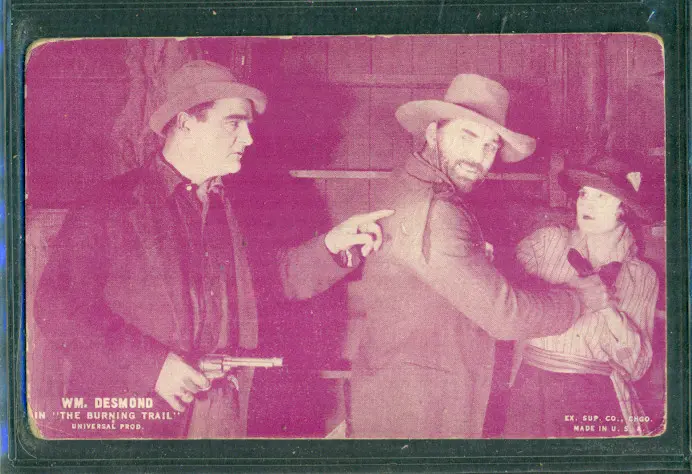
It’s a subtle subversion, perhaps unintentional, of the emerging Western archetype. Bill isn't seeking glory; he's seeking peace. But the very environment he chooses for sanctuary demands a return to the very skills he tried to abandon. This narrative thread, though handled with the broad strokes typical of silent cinema, resonates with a certain timeless poignancy.
The direction in 'The Burning Trail' is functional, serving the story without much artistic flair, which was common for many studio productions of the time. The film’s pacing, while slow by contemporary standards, is deliberate, allowing for the establishment of Bill’s internal turmoil before thrusting him into the external conflict. There’s a noticeable shift in energy from the opening boxing sequence to the expansive, often quiet, ranch scenes.
Action sequences, particularly the climactic showdowns between the ranchers and sheepherders, are staged with a clear understanding of space and movement, even if they lack the kinetic dynamism we expect today. For instance, a particular scene involving a tense standoff near a watering hole effectively uses wide shots to emphasize the isolation and the precarious balance of power, with figures silhouetted against the stark landscape.
The director, whose work here is largely uncredited beyond the writers, manages to evoke a sense of rugged authenticity. The ranch settings feel lived-in, and the depiction of the conflict, while melodramatic, feels grounded in the very real historical tensions of the American West. It's a directorial approach that prioritizes clarity and narrative progression over stylistic flourishes, a pragmatic choice for a film aiming for broad appeal.
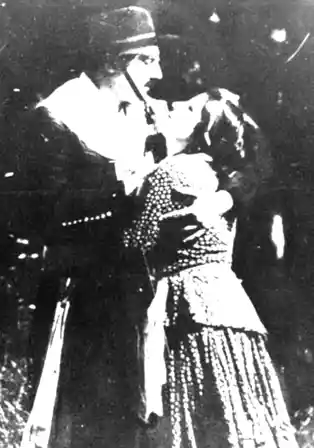
Edmund Cobb, as Smiling Bill Flannigan, carries the film with an earnestness that transcends the often-exaggerated acting styles of the silent era. His performance is largely physical, as expected, but there's a genuine attempt to convey Bill's inner turmoil through his posture, his eyes, and his hesitant movements.
The initial scenes in the boxing ring showcase his physical presence, but it's in the aftermath of the tragedy that Cobb truly shines. The slump of his shoulders, the downcast gaze, and the almost palpable sense of regret he projects are remarkably effective without the aid of dialogue. When he arrives in the West, there's a subtle transformation; a quiet determination replaces his former bravado. This isn't the flamboyant expressiveness of a Lon Chaney, but rather a more understated, grounded portrayal that feels surprisingly modern in its restraint.
The supporting cast, including Gloria Roy and William Desmond, fulfill their roles adequately, embodying the archetypes of the Western genre – the virtuous love interest, the steadfast rancher. Janet Gaynor, in an early role, adds a touch of youthful innocence. However, it is Cobb who anchors the film, his silent struggle providing the emotional core. His ability to communicate profound guilt and the longing for redemption without a single spoken word is the film's strongest asset.
There's a scene where Bill, working as a cook, watches a fight break out between two ranch hands. Cobb's face, momentarily contorted with a flicker of his past self, then quickly reverting to a mask of stoicism, is a powerful, silent testament to the character's internal battle. It’s a moment that, for me, elevates his performance beyond simple genre requirements.
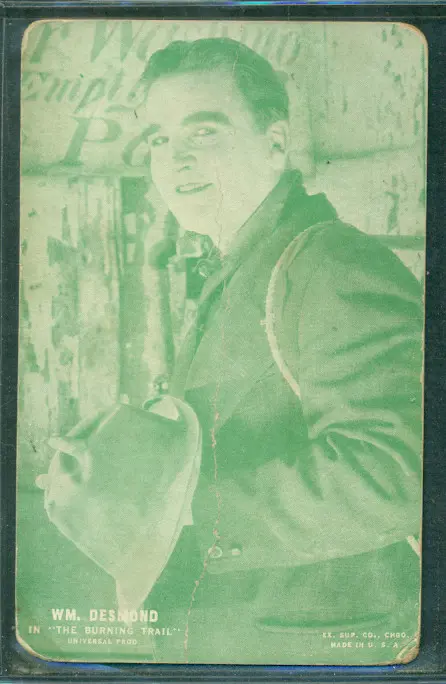
The cinematography of 'The Burning Trail' revels in the vastness of the Western landscape. Shot in black and white, the film utilizes the stark contrast to great effect, emphasizing the rugged terrain, the endless skies, and the harsh realities of frontier life. Wide shots of cattle herds moving across plains, or horsemen galloping through dusty valleys, are classic Western iconography, and they are deployed effectively here.
The visual contrast between the confined, almost claustrophobic boxing ring at the beginning and the expansive, open spaces of the West is striking. It visually reinforces Bill's journey from a world of artificial, regulated violence to one of untamed, natural conflict. The use of natural light, typical for outdoor shooting of the era, lends an authenticity to the ranch scenes, making the setting feel less like a set and more like a lived environment.
While not groundbreaking, the visual storytelling is competent. It establishes mood and setting with efficiency. Close-ups are used sparingly but effectively to highlight moments of tension or emotional significance, particularly on Cobb's face. The film embraces the visual grammar of the early Western, contributing to the genre's evolving aesthetic language without necessarily redefining it.
The pacing of 'The Burning Trail' is undeniably deliberate. The film takes its time to establish Bill's post-tragedy emotional state and his new life on the ranch. This slow burn allows for a gradual build-up of the underlying tensions between the ranchers and sheepherders, rather than rushing into the conflict.
The tone oscillates between melodramatic tragedy and adventurous Western. There’s a strong moralistic undercurrent, common in films of the period, emphasizing themes of guilt, redemption, and the inescapable nature of one's past. The narrative doesn't shy away from the harshness of the frontier, but it also paints a picture of community and resilience.
For contemporary audiences, this pacing might feel languid. There are moments where the narrative momentum dips, particularly during the establishment of the ranch life. However, viewed through the lens of silent cinema, this measured rhythm was often preferred, allowing audiences to absorb the visual storytelling and the emotional beats without the rapid-fire editing we've become accustomed to. It's a film that asks you to settle in and experience its world at its own speed.
Yes, 'The Burning Trail' is worth watching, but with specific expectations.
It serves as an excellent example of early silent Westerns.
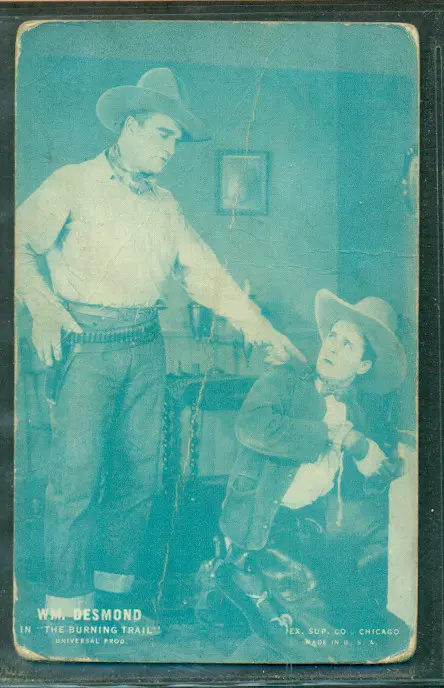
The film offers insight into the genre's foundational themes.
Edmund Cobb's performance is a compelling, understated highlight.
However, modern viewers might struggle with its slow pace.
Its narrative is simpler than today's complex stories.
It's best appreciated by film historians or silent film enthusiasts.
'The Burning Trail' is not a film that will set the world alight with its originality or technical wizardry, especially when viewed through a modern lens. It works. But it’s flawed. Its true value lies in its historical context and its surprisingly earnest exploration of themes that would become central to the Western genre for decades to come. Edmund Cobb's performance is a genuinely compelling anchor, elevating the material beyond what might otherwise be a by-the-numbers silent Western.
For those willing to engage with the film on its own terms, appreciating its place in cinematic history and the subtle power of silent storytelling, 'The Burning Trail' offers a rewarding experience. It's a testament to the enduring appeal of the American West and the timeless struggle for redemption, even if its narrative beats feel familiar now. It reminds us that even early cinema grappled with profound human experiences, crafting heroes who were as much defined by their internal battles as by their external conflicts.
Compare its understated character work to the more overtly dramatic fare of its contemporaries, or even to later, more iconic Westerns like those by John Ford, and you begin to see its quiet influence. While it won't be on everyone's must-watch list, it's a vital piece of the puzzle for understanding the Western's evolution, standing as a solid, if unspectacular, early entry into a genre that would define American cinema for generations. And for that, it certainly deserves its place in the archives, and perhaps, a viewing from the curious.
IMDb —
1920
Community
Log in to comment.