DbcultAccessing Vault...
7.1/10
Senior Film Conservator
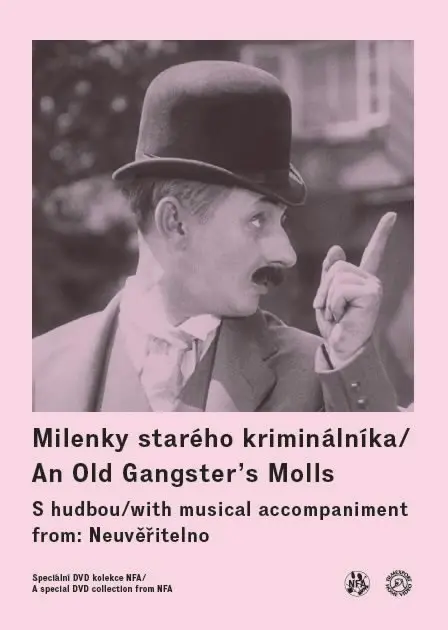
A definitive 7.1/10 rating for a film that redefined the boundaries of cult cinema. Milenky starého kriminálníka remains a cornerstone of transgressive art.
Is this 1927 silent relic still capable of eliciting a laugh in the age of high-definition digital comedy? Short answer: Yes, but only if you surrender to its frantic, illogical rhythm and the sheer magnetic force of its lead performers.
This film is for enthusiasts of physical comedy who want to see the roots of the genre and for those interested in the historical evolution of European cinema. It is not for viewers who require a tight, logical plot or high-stakes emotional realism.
Milenky starého kriminálníka remains a vital watch because it captures Vlasta Burian at the height of his physical powers. The film serves as a bridge between the early, primitive shorts and the more sophisticated feature-length comedies that would define the next decade of Czech film.
1) This film works because Vlasta Burian’s physical improvisation transforms a thin script into a masterclass of facial gymnastics and kinetic energy.
2) This film fails because its second-half transition into a mistaken-identity crime caper feels stitched together with little regard for narrative continuity.
3) You should watch it if you want to see the DNA of modern slapstick or if you are tracking the rise of Anny Ondra before her Hitchcock era.
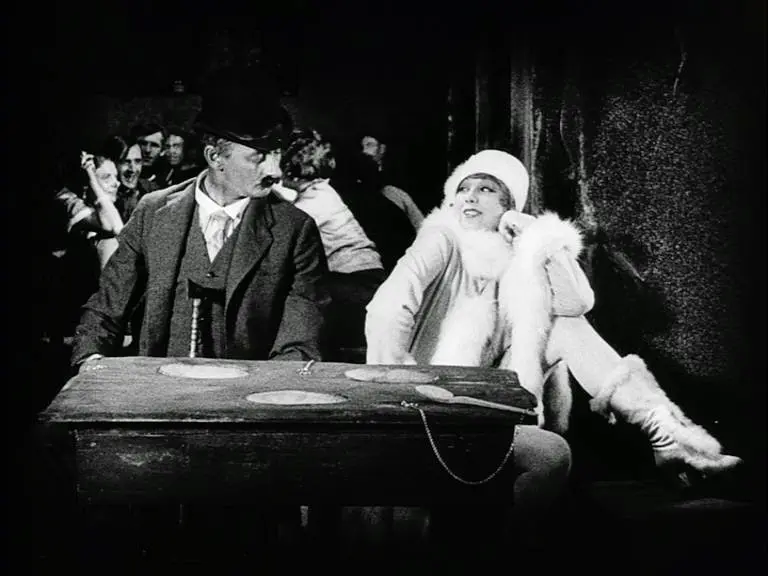
Vlasta Burian is often called the 'King of Comedians,' and this film proves why that title wasn't just marketing fluff. His performance here is less about the lines he doesn't speak and more about the way his body occupies the frame. In the scene where he first attempts to mimic the factory owner, his posture shifts from a slumped, lazy uncle to a rigid, uncomfortable caricature of authority.
It is a subtle bit of physical acting that many modern comedians would miss. He doesn't just play the role; he plays a man who is terrified of being caught playing a role. This layers the comedy. We aren't just laughing at the situation; we are laughing at the character's internal panic.
Burian is a riot. Plain and simple. His energy is infectious, even through the grain of a century-old film stock. He manages to make the most mundane actions, like sitting in a chair or lighting a cigar, feel like a choreographed dance of disaster.
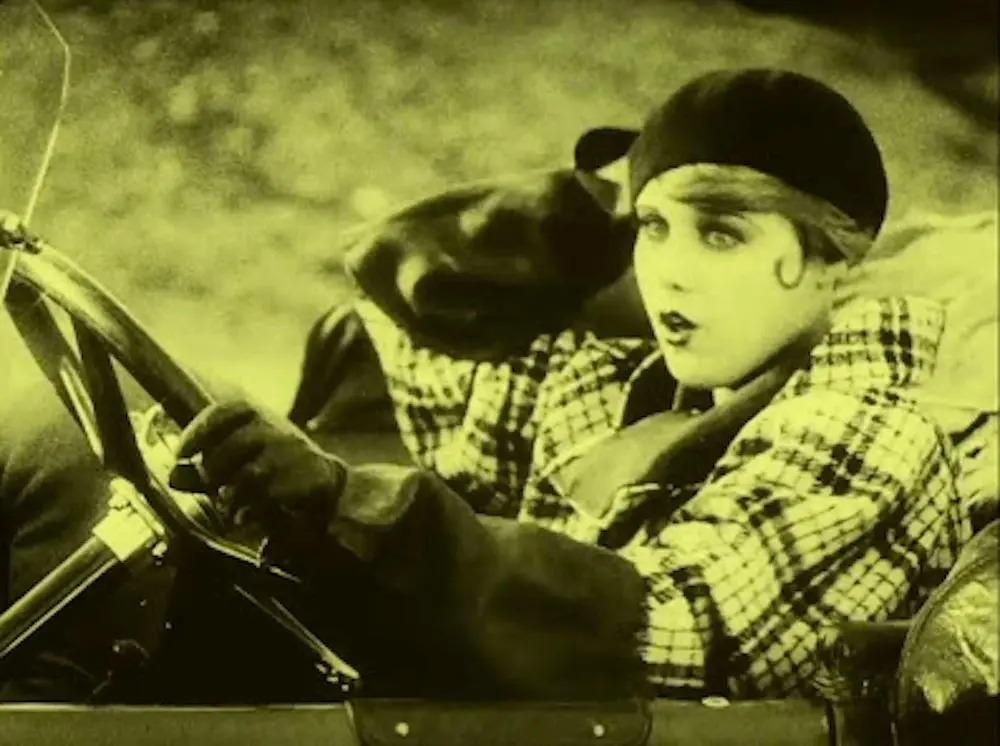
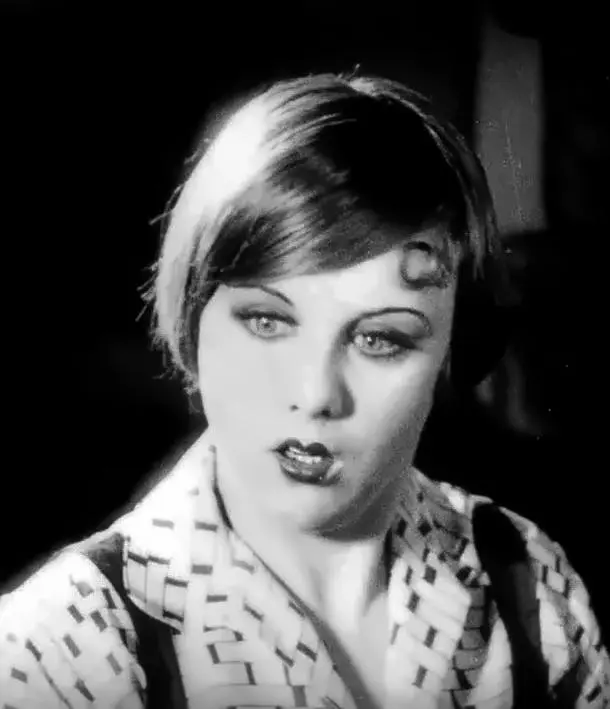
Anny Ondra provides the perfect foil for Burian’s manic energy. While she is often remembered for her later work, such as in The Vamp, her role here as the 'aggressive young lady' is surprisingly modern. She isn't a passive damsel; she is the engine of the plot.
She drives the seduction with a predatory focus that flips the traditional gender roles of 1920s cinema. When she pushes the uncle into the deception, she does so with a playful but firm hand. Her chemistry with Burian is electric, precisely because they are both playing at a high frequency.
In one specific sequence, her character orchestrates a social gathering where the uncle must perform his 'owner' persona. Her watchful eyes and sharp gestures keep him on track, creating a tension that is both funny and genuinely stressful. She is the straight man to his chaos, but with a devious edge that makes her far more interesting than a standard romantic interest.
Director Svatopluk Innemann, working with a script by Josef Skruzný and Elmar Klos, understands that silent comedy relies on the frame. The factory scenes are particularly well-staged. The industrial backdrop provides a stark, rigid contrast to the fluid, messy movements of the characters.
The cinematography doesn't try to be overly poetic like Tol'able David. Instead, it focuses on clarity and timing. The camera stays wide enough to capture the full range of Burian’s physical gags, but tightens when the 'criminal' aspect of the plot kicks in, heightening the sense of claustrophobia as the police close in.
The lighting is functional, yet there are moments in the second act where the shadows begin to play a larger role. As the uncle descends into the world of the 'old criminal,' the film adopts a slightly darker visual tone, reminiscent of the gritty atmosphere found in Underworld. It is a subtle shift that keeps the audience engaged as the stakes rise.
The film’s greatest strength is also its most significant weakness: its relentless pace. For the first forty minutes, the movie moves like a freight train. The setups are quick, and the payoffs are frequent. However, by the time we reach the final act, the 'thief' subplot feels like it belongs to a different movie entirely.
It works. But it’s flawed. The transition from a bedroom farce/factory comedy to a police chase is jarring. There is a sense that the writers were throwing every possible trope at the wall to see what stuck. While this leads to some great individual scenes, the overall structure suffers.
Compared to more tonally consistent films of the era like The Money Mill, Milenky starého kriminálníka feels like a collection of brilliant sketches rather than a cohesive whole. Yet, in the world of silent slapstick, coherence is often secondary to the laugh count, and on that front, the film succeeds wildly.
Underneath the falling down and silly faces, there is a biting commentary on the interchangeability of the elite and the criminal. The fact that the uncle can so easily transition from factory owner to wanted thief suggests a cynical view of the social ladder. In 1927, this would have resonated with a Czech audience navigating the complexities of a young republic.
The factory owner is not a man of unique talent; he is a man of a unique suit. When the uncle puts on that suit, he becomes the owner. When he is accused of being a criminal, he becomes the criminal. The film suggests that identity is merely a performance we give for the benefit of those around us. It is a surprisingly deep observation for a film that also features a man hiding under a table.
If you are looking for a definitive example of Czech silent humor, the answer is a resounding yes. It captures a specific cultural moment where the influence of American slapstick was being blended with a uniquely European sense of irony and social satire. It may not have the technical polish of The Temptress, but it has twice the heart and four times the energy.
Pros:
Cons:
Milenky starého kriminálníka is a delightful, if messy, piece of cinematic history. It isn't a polished gem, but rather a raw, energetic explosion of talent. Burian proves himself to be a world-class performer, and the film’s willingness to embrace absurdity makes it a refreshing change of pace from the more self-serious dramas of the late 1920s. It’s loud, it’s fast, and it’s genuinely funny. Even without sound, its voice is clear: comedy is universal, and chaos is king.
"A frantic, identity-swapping riot that proves Vlasta Burian didn't need sound to be the loudest person in the room."

IMDb 5.6
1932
Community
Log in to comment.