DbcultAccessing Vault...
Cult Review
Senior Film Conservator
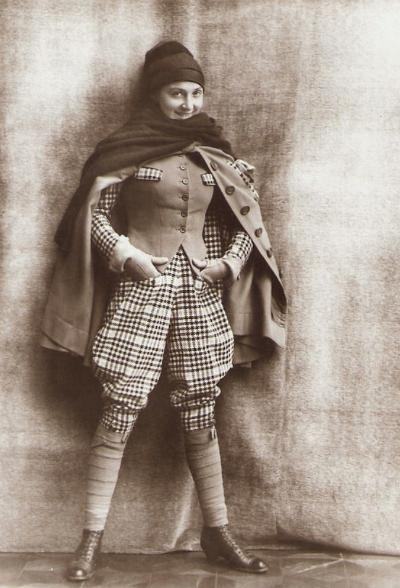
There are cinematic experiences that merely entertain, and then there are those that burrow deep into the psyche, challenging entrenched perceptions and echoing across generations. Karl Grune’s "Aus eines Mannes Mädchenjahren", a silent German film from 1907, unequivocally belongs to the latter category. Adapted from an anonymously published biography that became an immediate sensation, this film is not just a relic of early cinema; it is a profoundly prescient, almost unsettlingly modern, meditation on identity, societal imposition, and the tragic consequences of a world ill-equipped to embrace nuance. It’s a work that, even over a century later, demands our attention, forcing us to confront uncomfortable truths about how we define and categorize human experience.
The narrative, drawn from a text so compelling it was "dramatically oversubscribed" upon its initial release, unfurls a life defined by external decree. We witness the birth of a child, innocent and undefined, yet immediately subjected to the binary constraints of society. This individual, born without a clear gender, becomes a canvas upon which patriarchal decisions are starkly painted. The father, in a move that feels both protective and profoundly limiting, chooses to raise the child as a boy. This initial imposition sets the stage for a life of performative masculinity, a constant negotiation between an inner self that may or may not align with the outward presentation. It’s a compelling opening, immediately establishing the film's central conflict: the tension between inherent identity and imposed identity.
What makes "Aus eines Mannes Mädchenjahren" particularly poignant is its unflinching depiction of this identity being not just formed, but re-formed. The intervention of an uncle later in the protagonist's life brings a complete reversal, re-gendering the individual as a girl. This shift is not presented as a liberation, but rather another form of societal coercion, a new set of expectations and roles to inhabit. Imagine the psychological toll: a life previously lived within one set of gendered parameters suddenly forced to abandon them for another, equally rigid, framework. This narrative twist elevates the film beyond a simple story of gender ambiguity; it becomes a powerful critique of the very structures that demand such categorisation, highlighting the fluidity of identity that society so desperately attempts to solidify.
The tragic culmination of this journey – the post-mortem dissection – serves as a chilling, almost clinical, metaphor for society's ultimate desire to understand, categorize, and ultimately, control what it perceives as anomalous. It’s a stark, brutal ending that leaves an indelible impression, underscoring the film's profound sense of sorrow and injustice. The protagonist is never truly allowed to exist authentically; their body, even in death, becomes an object of scientific scrutiny, an attempt to definitively label what life refused to neatly define. This final act resonates with a chilling prescience, touching upon themes of bodily autonomy and the medical gaze that remain highly relevant in contemporary discussions around intersex and transgender identities.
The performances in "Aus eines Mannes Mädchenjahren", characteristic of the silent era, rely heavily on exaggerated expressions and body language, yet manage to convey a surprising depth of emotion. While specific details about the individual roles are scarce from this period, one can only imagine the nuanced portrayal required from Rudolf Senius, likely tasked with embodying the protagonist's internal struggle and external performance. Erika Glässner, Max Hochstetter, Helmut Krauss, Bendo, Lotte Stein, Manny Ziener, Ernst Stahl-Nachbaur, Olga Engl, Siegfried Dessauer, Irma Sernau, and a young Hans Albers, undoubtedly contribute to the film's emotional landscape, each face and gesture adding to the texture of this deeply human drama. The challenge of conveying such complex psychological states without spoken dialogue is immense, and the silent film actors of this period were masters of their craft, relying on a universally understood visual lexicon.
Karl Grune, credited both as director and one of the writers alongside Beate Schach, demonstrates an extraordinary sensibility for his time. His direction, even in the nascent days of cinema, manages to imbue the film with a compelling visual poetry. The cinematic language of 1907, while rudimentary by today's standards, is employed here with a purpose. Grune likely utilized close-ups to emphasize the emotional turmoil, and wider shots to illustrate the societal pressures bearing down on the individual. The use of light and shadow, a hallmark of early German cinema, would have been crucial in conveying mood and internal states, particularly in scenes depicting the protagonist's fluctuating identity. The collaborative effort of Grune and Schach in adapting the original biography speaks to their courage in tackling such a controversial and sensitive subject matter, translating its literary power into a compelling visual narrative.

The film's historical context is as fascinating as its content. That an anonymous biography dealing with such themes could become a sensation in 1907 speaks volumes about the underlying curiosities and anxieties of the era. It suggests a society grappling with its own rigid definitions, perhaps secretly yearning for a broader understanding of human variation. The "dramatically oversubscribed" nature of the original text implies a public hungry for narratives that pushed boundaries, even if those boundaries were only explored through the veil of anonymity. This makes the film a crucial artifact, not just of cinematic history, but of social history, offering a rare glimpse into turn-of-the-century German sensibilities regarding identity and difference.
Comparing "Aus eines Mannes Mädchenjahren" to other films of its time or even later periods highlights its remarkable singularity. While films like "Girls" might explore conventional female coming-of-age stories, Grune’s film delves into the far more complex territory of a gender identity in flux, an experience rarely, if ever, depicted with such directness in early cinema. One might draw a parallel to the societal judgment faced by characters in films such as "A Gutter Magdalene" or "The Mantle of Charity", where individuals are ostracized or defined by societal labels. However, the protagonist here is not merely an outcast due to moral failings, but due to an inherent state of being that society cannot process. The invisible, yet pervasive, power of societal norms that shape the protagonist's destiny also brings to mind the thematic undercurrents of "The Invisible Power", albeit applied here to the very core of one's identity. This film is less about individual choice and more about the overwhelming force of collective expectation.
The protagonist’s journey, marked by this relentless re-gendering and the ultimate scientific scrutiny, can be seen as a profound exploration of what it means to be truly 'lost' in one's own identity, much like the thematic undertones found in "The Land of the Lost". The film doesn't offer a triumphant narrative of self-discovery, but rather a somber reflection on a life denied the fundamental right to define itself. This stark realism, combined with its groundbreaking subject matter, cements its place as a cornerstone of early German cinema's artistic and social daring. It's a film that asks profound questions about the nature of gender, the role of parents and guardians in shaping identity, and the ethical implications of medical intervention in matters of personal truth.
In an era where cinema was still finding its voice, "Aus eines Mannes Mädchenjahren" dared to speak of complexity. It eschewed the simpler narratives of romantic entanglements or adventurous escapades, opting instead for a deeply introspective and tragically resonant character study. The film, through its silent yet powerful imagery, forces its audience to confront the arbitrary nature of gender constructs and the devastating impact they can have on an individual's life. It is a testament to the power of art to both reflect and challenge the prevailing norms of its time, offering a window into a past that, disturbingly, still echoes in present-day debates about identity, acceptance, and the right to self-determination.
The legacy of "Aus eines Mannes Mädchenjahren" lies not just in its historical significance as an early German film, but in its enduring thematic relevance. It serves as a stark reminder that the struggles for identity and acceptance are not new phenomena, but have been quietly, and sometimes tragically, playing out for centuries. Its anonymous origins, the sensational public reception of its source material, and its unflinching cinematic portrayal of a life caught between societal expectations make it a work of profound historical and cultural importance. It demands to be seen, discussed, and remembered, a beacon from the past illuminating the timeless, often painful, journey of selfhood in a world perpetually striving to categorize and define.
Ultimately, this is more than just a film; it is a historical document, a philosophical treatise, and a deeply moving tragedy. It challenges us to look beyond superficial labels and consider the profound depths of human experience, urging empathy for those whose identities defy convenient classification. Its quiet, powerful narrative continues to resonate, proving that some stories, like the truth of an individual's inner self, cannot be silenced, even by the passage of time or the imposition of societal norms. A true masterpiece, it solidifies Grune's place as a visionary who dared to tackle the unspoken, paving the way for future cinematic explorations of identity with a sensitivity that remains striking even today.

IMDb 5.8
1932
Community
Log in to comment.