DbcultAccessing Vault...
Cult Review
Senior Film Conservator
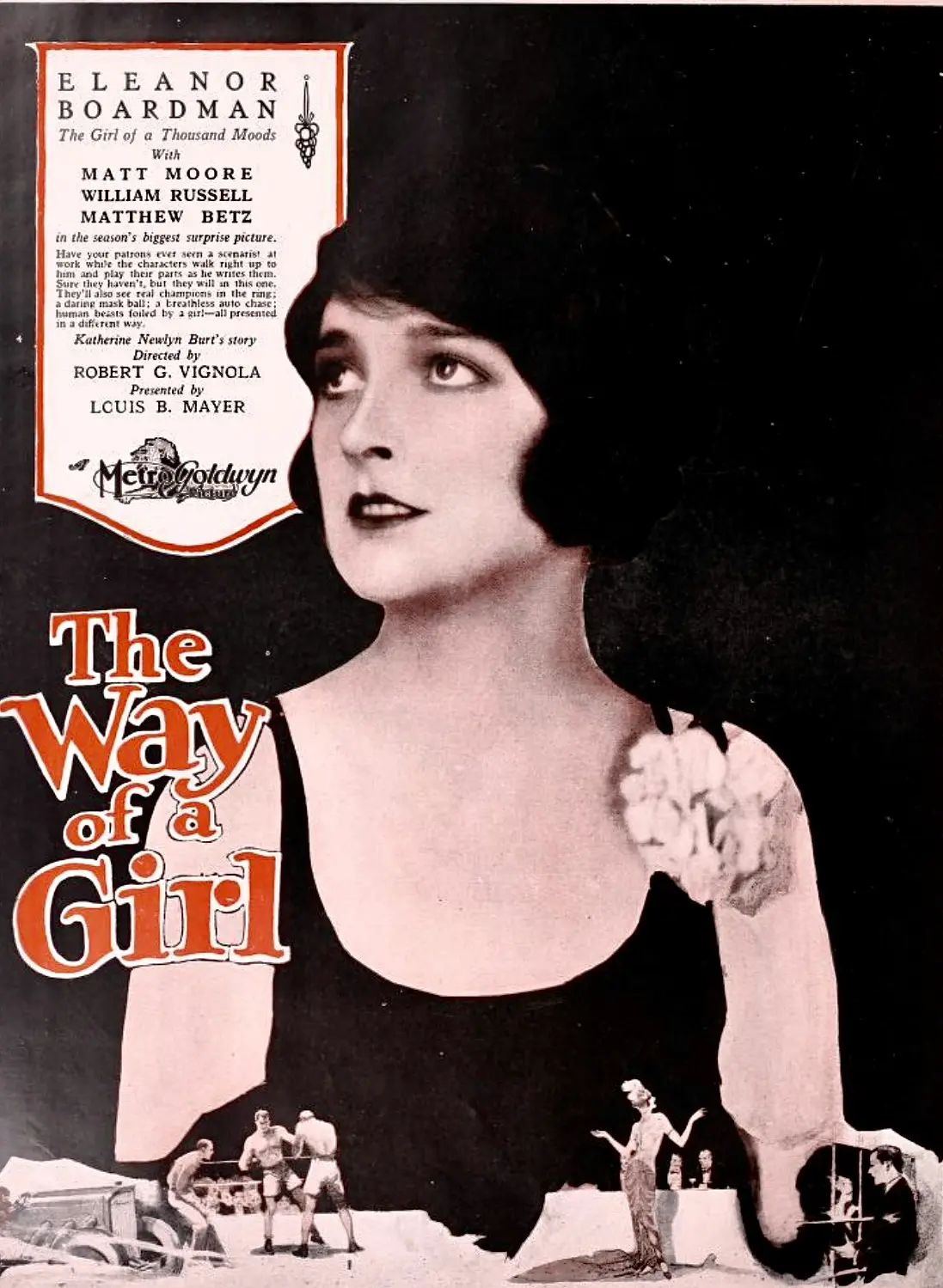
Is The Way of a Girl worth watching today? Short answer: yes, but with significant caveats that speak to its era and narrative ambition. This silent-era drama is a fascinating, if sometimes frustrating, window into early 20th-century female rebellion, perfect for film historians and those curious about the evolving portrayal of women on screen. However, those seeking modern narrative pacing or unambiguous character arcs might find its sensibilities a challenge.
This film works because Eleanor Boardman delivers a truly compelling portrayal of Rosamond, anchoring an ambitious blend of social drama and adventure with unexpected narrative turns. It fails because its pacing can be uneven, particularly in the transition to its more dramatic second act, and a somewhat abrupt resolution feels out of step with Rosamond's earlier defiance. You should watch it if you are a silent film enthusiast, appreciate strong female leads from the era, or enjoy narratives that grapple with societal expectations and personal freedom.
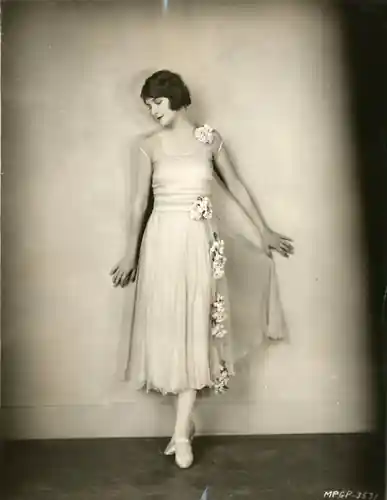
The Way of a Girl, from 1925, is a film that demands a certain patience from its modern audience, yet rewards it with a surprisingly complex character study. At its core, it’s a narrative about a young woman, Rosamond, who desperately seeks to break free from the suffocating confines of societal expectations. Her world, defined by opulent parties and a fiancé, George, who embodies all the 'proper' but utterly unexciting virtues, is simply not enough. She craves something more, a thrill that society is unwilling to provide, and her journey is a series of escalating provocations.
The film opens by establishing this tension with remarkable clarity. George’s aversion to even the slightest hint of trouble at a prizefight isn't just a minor character quirk; it's a profound statement about the chasm between his conventionality and Rosamond’s simmering desire for genuine experience. This early scene sets the stage for her subsequent acts of rebellion, each one a desperate attempt to inject excitement into a life that feels predetermined and bland. Her reckless car chase through city streets, leading to her arrest, isn't merely a plot device; it's an act of defiance, a scream for attention from a world that wants her to be quiet and compliant.
The legal system’s response, placing her under George’s supervision, highlights the era’s patriarchal structures. Rosamond’s initial refusal, followed by her begrudging acceptance after a night in jail with a drunk, paints a vivid picture of her internal conflict. She’s not just fighting George; she’s fighting the entire system that seeks to rein her in. This struggle is what makes the character so compelling, even if the film’s ultimate resolution feels like a betrayal of her spirit. It’s here that the film makes its most potent, albeit perhaps unintended, commentary on the limitations placed upon women seeking agency in the 1920s.
Eleanor Boardman’s portrayal of Rosamond is, without question, the beating heart of The Way of a Girl. She injects Rosamond with a vibrant, almost restless energy that transcends the often-stilted conventions of silent film acting. Boardman doesn't just emote; she embodies Rosamond's frustration, her daring, and her eventual weariness with a nuanced physicality that is captivating to watch. Her eyes, in particular, convey a depth of spirit that speaks volumes even without intertitles.
Consider the scene where Rosamond is arrested after her car race. Boardman’s facial expressions shift from exhilaration to a stubborn defiance, then to a quiet, almost childish petulance when confronted by the judge. This isn't a one-note performance of a 'flapper'; it's a layered depiction of a woman wrestling with her own impulses and the world's resistance to them. Her refusal to be released under George’s supervision, even as she spends a night in jail, showcases a tenacity that few actresses of the era could project so convincingly.
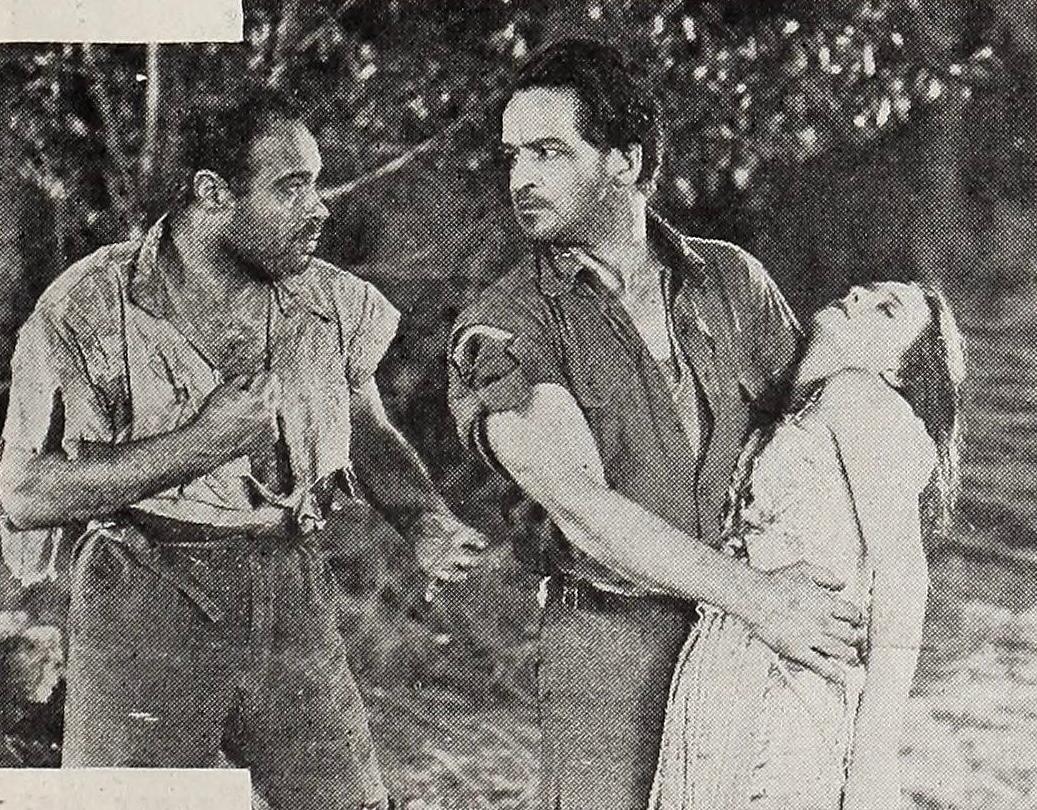
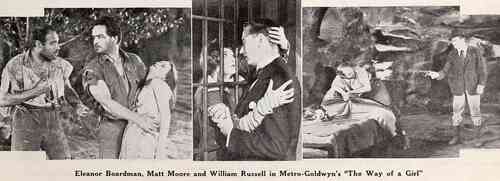
Later, during her captivity in the cave, Boardman manages to convey both vulnerability and a surprising resilience. The shift from pampered socialite to a survivor is handled with genuine conviction, making her ordeal feel harrowing. It’s a performance that truly carries the film, making Rosamond’s journey, however circuitous, feel authentic. Matt Moore, as George, provides a solid, if somewhat understated, counterpoint. His character is designed to be the embodiment of convention, and Moore plays him with a quiet earnestness that makes George’s steadfastness believable, even if he often feels overshadowed by Boardman’s dynamism.
Director David Kirkland handles The Way of a Girl with a competent, if not always inspired, hand. The film excels in its visual depiction of Rosamond’s initial rebellion. The car chase sequences, while obviously limited by the technology of the time, convey a sense of speed and recklessness through clever editing and camera placement. The close-ups on Boardman’s face during these moments are particularly effective, allowing the audience to share in Rosamond’s thrilling, dangerous freedom.
The shift in setting, from the opulent interiors of society life to the grimy confines of the jail cell and later the stark, primitive cave, is handled well. The cinematography, while not groundbreaking, effectively uses lighting to differentiate these worlds. The dim, almost claustrophobic lighting in the jail cell immediately communicates Rosamond’s discomfort and the harsh reality of her situation, a stark contrast to the bright, airy ballrooms she frequents. The cave scenes, too, utilize shadows and limited light sources to create a sense of peril and isolation, enhancing the tension of her captivity.
However, the film occasionally stumbles in its broader visual storytelling, relying perhaps too heavily on intertitles to convey character motivation or significant plot developments that could have been shown more organically. There are moments where the narrative jumps feel abrupt, particularly in the rapid transition from the artists' ball to Rosamond’s car accident. While common for the era, it sometimes pulls the viewer out of the immersive experience that Boardman’s performance so meticulously builds. The rescue sequence, while dramatic, also feels a little too convenient, a common pitfall of adventure narratives of the period.
One of the most striking aspects of The Way of a Girl is its dramatic shift in tone and pacing. The first act operates as a fairly straightforward society drama, albeit one with a rebellious streak. The humor is light, the conflicts are primarily social, and Rosamond’s defiance, while daring, feels relatively contained within the bounds of a spirited young woman testing limits. The pacing here is brisk, driven by Rosamond’s restless energy.
However, the film takes an abrupt, almost jarring turn when Rosamond’s car plunges down the embankment and she is captured by the convicts. Suddenly, the film transforms into a survival thriller, complete with genuine peril, morally ambiguous characters, and a much darker atmosphere. The two weeks Rosamond spends as a captive in the cave feel significantly heavier than anything that preceded it. This tonal shift is both a strength and a weakness.
On one hand, it demonstrates the film's ambition to explore a broader range of human experience and push its protagonist into truly unfamiliar territory. The surprising subplot involving the convict who falls in love with Rosamond and sacrifices himself for her escape is an unconventional and surprisingly complex emotional beat for a film of this era. It's a genuinely surprising observation, adding a layer of moral ambiguity and tragic romance to what could have been a simple 'damsel in distress' scenario. This particular storyline elevates the film beyond mere genre fare.
On the other hand, the transition isn't always smooth. The speed with which Rosamond goes from a defiant socialite to a captive fighting for her life can feel a little rushed, impacting the overall coherence of the narrative. The film asks its audience to accept a rather significant leap in premise, and while Boardman’s performance helps bridge the gap, the narrative structure itself sometimes strains under the weight of its own ambition.
Yes, The Way of a Girl absolutely warrants a viewing for specific audiences. It is a valuable piece of silent cinema. The film provides a fascinating glimpse into the societal anxieties and evolving roles of women in the 1920s. Eleanor Boardman's performance alone makes it worthwhile. Her dynamism and expressive range are truly remarkable. The unexpected narrative shifts keep the viewer engaged. It's not a perfect film, but its strengths are considerable. For those studying film history, it's a must-see for its unique blend of genres. Casual viewers might find its pacing a challenge. But its core story of rebellion and consequence resonates.
The Way of a Girl is a film of potent highs and noticeable lows, a testament to the experimental spirit of silent cinema. It works. But it’s flawed. Eleanor Boardman’s incandescent performance as Rosamond is the undeniable draw, a portrayal of restless female energy that still resonates. She captures the essence of a woman desperate for agency in a world determined to box her in. This alone makes the film a compelling watch for anyone interested in the evolution of cinematic performance. However, the narrative’s eventual retreat from Rosamond’s radical independence into the arms of conventionality feels like a missed opportunity, a concession to the era rather than a daring conclusion. While the film’s blend of social commentary and adventure is admirable, its ending ultimately leaves one pondering the true cost of 'finding her way' for a girl like Rosamond. It’s a film that sparks discussion, and that, perhaps, is its most enduring legacy. It’s certainly worth seeking out for its historical significance and Boardman’s unforgettable turn, but approach it with an awareness of its period-specific narrative compromises. For those who appreciate films like The Tigress or The Fate of a Flirt, this offers a similar, if more adventurous, exploration of female roles.
IMDb 6.5
1935
Community
Log in to comment.