DbcultAccessing Vault...
Cult Review
Senior Film Conservator
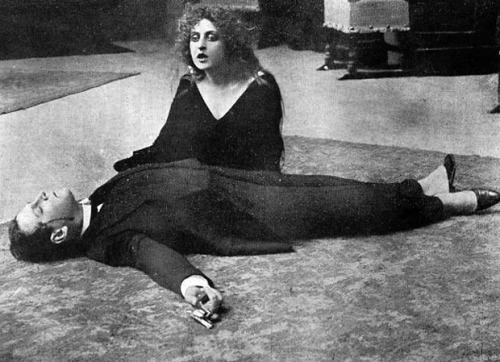
Stepping back into the golden age of silent cinema, one encounters narratives of profound emotional resonance, often amplified by the very absence of spoken dialogue. Such is the case with Il giardino incantato (The Enchanted Garden), a film that, despite its vintage, speaks volumes about the timeless perils of unrestrained ambition and the corrosive nature of societal pressures. This isn't merely a historical artifact; it's a vibrant, if ultimately melancholic, tapestry woven with threads of fervent love, reckless indulgence, and the cruel hand of fate. For enthusiasts of early Italian filmmaking, or indeed anyone fascinated by the intricate dance between human desire and inevitable consequence, this feature offers a compelling, albeit heartbreaking, experience.
The film’s title itself, Il giardino incantato, serves as a potent metaphor, encapsulating the central irony of the narrative. Villabella’s Durest estate, where Liana and her sister reside under their Aunt Malvina’s austere care, initially represents a kind of enchanted garden – beautiful, secluded, yet inherently a gilded cage. Liana, portrayed with an exquisite fragility and burgeoning spirit by Elvira Pasquali, yearns for a freedom that transcends these meticulously tended flowerbeds. Her spirit, untamed by the strictures of her inherited existence, aches for a world beyond the estate’s picturesque, yet ultimately confining, borders. This yearning sets the stage for a classic romantic tragedy, where the very forces promising liberation ultimately lead to a more profound form of entrapment. It’s a compelling opening, establishing a protagonist whose internal world is as vast as her external circumstances are limited, creating an immediate empathetic connection with the audience.
Enter Julian Morris, the acclaimed poet-novelist, whose very name evokes a certain romantic mystique. Played by Enrico Scatizzi with a captivating blend of charm and underlying weakness, Julian is Liana's conduit to the wider world, a beacon of intellectual and artistic freedom. Their connection, forged in the shared realm of music and poetry, is swift and incandescent. It’s a love story that defies the pragmatic objections of Aunt Malvina, leading to an impetuous marriage and a dramatic departure from the Durest estate. This initial phase of their union is painted in vibrant hues of passion and societal triumph, as they ascend to a grand villa, embracing a lifestyle befitting their perceived status. The film masterfully portrays the intoxicating allure of high society, the endless parties, and the illusion that their newfound opulence is simply their due. Yet, even in these early scenes, a discerning eye might catch glimpses of the cracks forming beneath the veneer of their seemingly perfect existence. Julian, despite his literary renown, begins to show signs of a fatal flaw: a penchant for extravagance that far outstrips his actual means. This foreshadowing is subtle but effective, a testament to the nuanced storytelling prevalent in this era of cinema.
The initial glow of their passionate union soon gives way to the harsh realities of their financial situation. Julian’s literary successes, while celebrated, prove woefully insufficient to sustain the exorbitant demands of their new lifestyle. The film meticulously charts his gradual descent, a spiral fueled by a refusal to curtail their lavish expenditures. He becomes trapped in a cycle of dependency, constantly soliciting advances from his publishers for books yet unwritten, his artistic integrity slowly eroding under the weight of his hedonistic impulses. It's a stark portrayal of how quickly the pursuit of pleasure can become a relentless, destructive force. This narrative thread resonates with other tales of fame's double-edged sword, echoing themes found in films like The Price of Fame, where public adulation often comes with a steep personal cost. Julian's fame eventually brings him an official commission: to write a scholarly study on two significant paintings, which are conveniently moved to his villa. This seemingly prestigious assignment, however, only serves to deepen the irony of his situation, placing priceless art in the hands of a man rapidly losing his own sense of value.
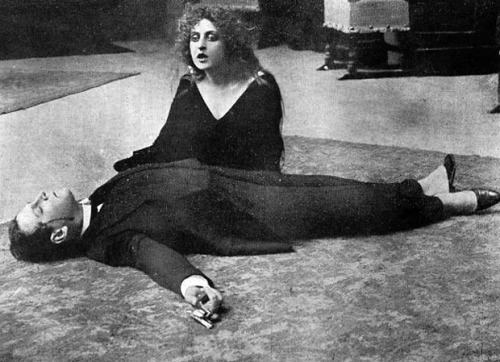
The specter of debt grows ever larger, personified by a predatory usurer who holds Julian's financial ruin in his grasp. The presentation of documents detailing his true, scandalous condition forces Julian into a corner. In a moment of sheer desperation and astounding folly, he offers one of the priceless paintings as collateral for a temporary reprieve. This act of sacrilege is the narrative's central turning point, a catastrophic misjudgment that irrevocably seals his fate. The subsequent discovery by the furious artist, demanding immediate reparations, shatters any remaining illusion of Julian's control. The scandal erupts, publicly exposing his moral and financial bankruptcy. Here, the film's silent narrative, relying on intense facial expressions and dramatic gestures, conveys the profound shame and panic with visceral impact. The stakes are raised dramatically, leaving the audience breathless with anticipation of the inevitable fallout. It’s a moment that could easily be melodramatic, yet it’s handled with a gravitas that underscores the tragic inevitability of Julian’s choices, reminiscent of the crushing weight of fate explored in films like La cattiva stella (The Bad Star).
While Julian succumbs to his self-inflicted crisis, Liana emerges as a figure of remarkable strength and unwavering devotion. Unaware of the true extent of her husband’s despair, she takes matters into her own hands, embarking on a desperate quest to salvage his honor. Her decision to seek aid from Aunt Malvina, the very woman whose disapproval they defied, is a poignant full circle. Malvina, initially portrayed as rigid and unyielding, now reveals a deeper, more human dimension. Assailed by genuine remorse, perhaps for her earlier severity or for failing to truly protect her niece, she advances Liana a portion of her inheritance. This act of belated compassion adds a layer of complexity to Malvina’s character, suggesting that even the sternest hearts can be softened by the specter of tragedy. Liana’s frantic race back with the money, a tangible symbol of hope and redemption, is charged with an almost unbearable tension. The film expertly builds suspense, each frame imbued with the urgency of her mission, contrasting sharply with the tragic inevitability unfolding elsewhere. Her journey is a testament to the enduring power of love and sacrifice in the face of insurmountable odds, echoing the resilience of female protagonists in challenging circumstances, perhaps even more powerfully than in films like Tess of the Storm Country, as Liana’s agency is tied directly to saving her beloved from himself.
The climax of Il giardino incantato is a masterclass in tragic irony. Even as Liana rushes towards him, clutching the means of his salvation, the scandal has become public, an indelible stain on Julian’s name. Overwhelmed by shame and unable to face his beloved wife, or perhaps the crushing weight of his own moral failings, Julian Morris makes the ultimate, irreversible choice. His suicide, occurring just as Liana arrives with the money, is a moment of profound heartbreak, underscored by the silent film's reliance on powerful visual storytelling. The close-ups on Liana’s face, registering the dawning horror and grief, are devastating. It’s a conclusion that leaves a lasting impression, a stark reminder of how close redemption can be, yet how easily it can be tragically missed. The film concludes with a somber reflection: the “excessive strolling through the lush garden of lust” had brought him to this desolate end. This moral pronouncement, while explicit, feels earned, a natural culmination of Julian's choices and the film's consistent thematic exploration. It’s a narrative that shares a spiritual kinship with films like Under Kærlighedens Aag (Under the Yoke of Love), where personal desires, when unchecked, lead to inevitable suffering and ruin.
Elvira Pasquali as Liana delivers a performance of remarkable depth, conveying her character’s initial innocence, burgeoning passion, and ultimate, soul-crushing despair without uttering a single word. Her expressive eyes and graceful gestures speak volumes, making her a truly sympathetic figure. Enrico Scatizzi’s Julian is equally compelling, managing to evoke both the charm that captivated Liana and the fatal weaknesses that led to his downfall. The supporting cast, including Luigi Serventi, Pina Serventi, Giovanni Schettini, and particularly Pina Menichelli, though their roles are less central, contribute to the film’s rich emotional tapestry, each playing their part in the unfolding tragedy. The visual language of the film, characteristic of its era, is rich with symbolism. The opulent settings, initially a source of joy, gradually become a visual representation of Julian's escalating debt and moral decay. The contrast between the natural beauty of the 'enchanted garden' and the artificiality of high society life is a recurring motif, subtly reinforcing the film's central message. The pacing, though deliberate, never lags, maintaining a tight grip on the audience’s emotions as the narrative hurtles towards its tragic conclusion.
In its essence, Il giardino incantato is more than just a period piece; it's a profound meditation on the human condition, exploring the delicate balance between desire and responsibility. It reminds us that freedom, when unmoored from prudence, can become its own form of captivity, and that even the most enchanting of gardens can harbor the seeds of destruction. This silent film, with its powerful performances and meticulously crafted narrative, stands as a testament to the enduring power of cinema to explore complex moral dilemmas and leave an indelible mark on the viewer's psyche. It’s a film that resonates long after the final frame, prompting contemplation on the choices we make and the gardens, both real and metaphorical, that we choose to wander through. For those who appreciate the artistry and emotional depth of early cinema, Il giardino incantato is an essential viewing, a poignant and powerful narrative that continues to enchant and provoke thought decades after its creation.
IMDb —
1915
Community
Log in to comment.