DbcultAccessing Vault...
Cult Review
Senior Film Conservator
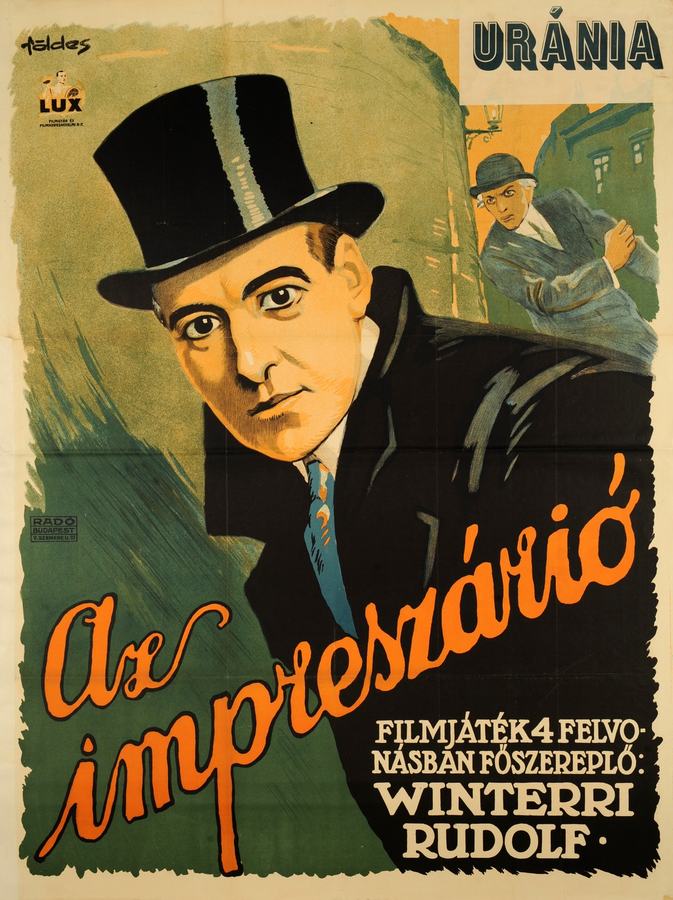
Set in the picturesque yet oppressive landscape of early 20th-century Hungary, Az impresszárió is a silent film that masterfully captures the raw emotions and intricate machinations of its characters. Helene von Bolvary, portrayed with haunting intensity by Lajos Réthey, is at the heart of this complex narrative. Her journey is a poignant exploration of personal freedom and the societal constructs that often confine and shape individuals.
The film's opening scene establishes the idyllic yet oppressive environment of the Hungarian town. With its quaint streets, bustling marketplaces, and the looming presence of the local aristocracy, the setting is both charming and suffocating. The cinematography is a marvel, with sweeping shots of the landscape and intimate close-ups that capture the subtleties of human emotion. The use of natural light and shadow adds depth and atmosphere to the scenes, enhancing the film's overall impact.
Helene von Bolvary, played by Réthey, is a character of striking complexity. Her initial portrayal as a compliant and dutiful woman is soon challenged by her evolving desires and the constraints of her society. The film delves into her internal conflicts, as she grapples with the expectations of marriage and motherhood, as well as the allure of a life beyond the confines of these expectations. Réthey's performance is nuanced and powerful, effectively conveying the depth of Helene's emotional journey.
The supporting cast, including Helene von Bolvary, Rudolf Winterri, and Egon Adler, bring their own layers of character to the narrative. Winterri's character is initially a source of comfort and stability for Helene, but his evolving relationship with her introduces new complications and tensions. Adler's portrayal of a more enigmatic and potentially dangerous figure adds an element of suspense and unpredictability to the plot. Together, their interactions create a web of relationships that are both captivating and morally ambiguous.
The film's exploration of themes such as love, betrayal, and the pursuit of perfection is skillfully woven throughout the narrative. The central conflict revolves around Helene's yearning for a life that defies the conventional roles assigned to her, and the various ways in which this longing is both supported and thwarted by those around her. The film addresses the societal pressures that women faced during this period, particularly in terms of marriage and family expectations, while also touching on themes of personal autonomy and the quest for individual fulfillment.
The direction by Lajos Réthey is a testament to his skill as a filmmaker. The film's pacing is deliberate, allowing each scene to unfold with a sense of inevitability and tension. The editing is crisp and precise, using techniques such as cross-cutting and jump cuts to heighten the emotional impact of key moments. The music, while not explicitly mentioned, plays a crucial role in setting the tone and enhancing the mood of the film. The score, though minimalist, effectively complements the visual storytelling, creating a cohesive and immersive experience.
Az impresszárió stands out alongside other notable silent films of its era, such as 'The Perfect Thirty-Six' and 'The Atom'. These films, while differing in their specific narratives, share a common thread of exploring the complexities of human emotion and the societal forces that shape them. 'The Perfect Thirty-Six' delves into the lengths to which individuals will go to achieve perfection, while 'The Atom' examines the moral dilemmas faced by those caught in the crossfire of larger societal upheavals. Both of these films, like Az impresszárió, offer a nuanced and thought-provoking exploration of human nature.
While Az impresszárió may not have the same commercial appeal as some of its contemporaries, its artistic merit and emotional depth make it a film that should not be missed by those interested in the silent film era. The film's timeless themes and exquisite cinematography ensure that it remains relevant and engaging, even for modern audiences. Its exploration of personal freedom and the struggle against societal constraints resonates across generations, making it a valuable addition to any film enthusiast's collection.
In conclusion, Az impresszárió is a remarkable film that offers a rich and detailed exploration of the human condition. Its nuanced characters, intricate plot, and stunning visuals make it a must-watch for those interested in the silent film era. Whether viewed as a historical document or a work of art in its own right, this film is a testament to the power of cinema to capture and convey the complexities of the human experience.
IMDb 6.7
1921
Community
Log in to comment.