DbcultAccessing Vault...
4.9/10
Senior Film Conservator
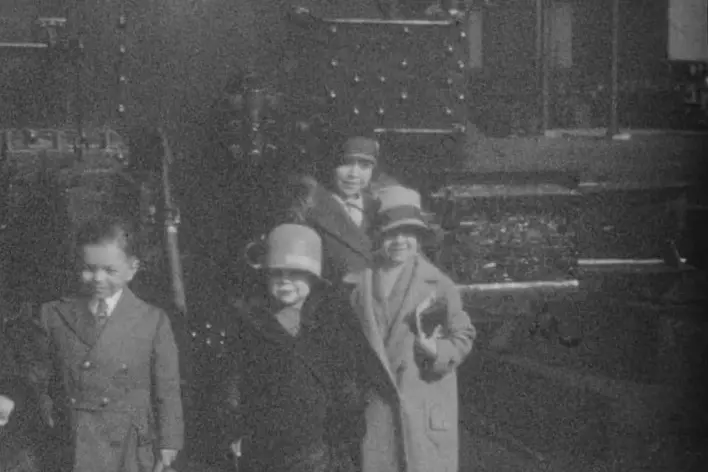
A definitive 4.9/10 rating for a film that redefined the boundaries of cult cinema. The Midget Crane remains a cornerstone of transgressive art.
Short answer: Yes, but only if you possess a deep-seated fascination with the technical evolution of silent cinema and the physical risks of 1920s stunt work. For the casual viewer seeking modern pacing or high-definition clarity, this film will feel like a relic of a bygone, inaccessible era.
This film is for the archival enthusiast, the film historian, and the fan of early physical comedy who appreciates the danger inherent in pre-CGI filmmaking. It is absolutely not for those who require a complex narrative or high-fidelity audio-visual experiences to remain engaged.
The Midget Crane is a fascinating specimen from 1923, a year that saw cinema rapidly maturing. While films like The Burning Soil were exploring deep psychological landscapes, this film took a different route: the literal landscape of iron and steam. The direction is surprisingly modern in its obsession with the 'machine.' There is a sequence halfway through where the camera lingers on the gears of the crane for nearly thirty seconds. This isn't just filler; it's an attempt to make the audience feel the weight of the industrial revolution.
The cinematography relies heavily on static wide shots, which was common for the era, but the way Albert Grass moves within those frames is anything but static. He treats the shipyard like a jungle gym. In one specific scene, Grass hangs from a moving hook while the background shifts behind him. There are no safety wires visible, and the lack of a stunt double is palpable. It is terrifying. It is real. It is cinema in its most primal form.
The crane isn't just a prop; it's the film's only truly competent actor.
This observation might seem cruel to Albert Grass, but it speaks to the film's core. The machine has more personality than the supporting cast. The crane groans, it swings with a mind of its own, and it dictates the rhythm of the entire film. Grass is merely the human element trying to survive it. This creates a fascinating, if unintended, commentary on the dehumanization of labor in the 1920s.
Albert Grass delivers a performance that is difficult to categorize. He isn't a traditional leading man, nor is he a pure clown. He occupies a middle ground of 'physical survivor.' His facial expressions are often muted, replaced by a total-body commitment to movement. Unlike the more polished performances seen in The Passion of a Woman Teacher, Grass isn't trying to convey complex internal states. He is trying not to fall.
There is a brutal simplicity to his work. In a moment where the crane's arm begins to collapse, Grass doesn't weep or shout; he simply moves. His timing is impeccable. If he is half a second late, the heavy iron pulley would have crushed him. This creates a level of tension that modern action films, with their digital safety nets, simply cannot replicate. It works. But it’s flawed. The flaw lies in the lack of character growth. Grass is the same person at the end of the film as he was at the beginning.
No. Calling this film a masterpiece would be a disservice to the word. It is a technical curiosity. It is a fascinating artifact of a time when the rules of cinema were still being written in the dirt of construction sites and shipyards. While it lacks the visionary editing of Kino-pravda no. 4, it possesses a grit that many of its contemporaries lacked.
The pacing is the biggest hurdle. The first fifteen minutes are a slow build-up of industrial atmosphere that might bore the modern viewer. However, once the crane becomes the antagonist, the film shifts into a higher gear. The final ten minutes are a masterclass in tension, even if the resolution feels rushed and unearned. The film ends with a simple iris-out, leaving the audience wondering if the protagonist even kept his job. It’s a cynical ending for a supposedly lighthearted comedy.
When we look at other films from this period, such as Three Jumps Ahead, we see a similar obsession with physical prowess. However, while westerns focused on the mastery of the horse and the landscape, The Midget Crane focuses on the mastery of the machine. This shift is significant. It marks the moment when cinema began to grapple with the urban environment as a source of conflict.
The film also stands in stark contrast to the more theatrical productions of the time, like Under the Greenwood Tree. Where those films relied on literary foundations and stage-like acting, The Midget Crane is purely visual. It doesn't need intertitles to explain that a giant piece of falling metal is dangerous. It relies on the universal language of gravity and momentum.
The Midget Crane is a loud, clanking, and occasionally brilliant piece of early cinema. It is not a 'good' movie by modern standards, but it is an essential one for understanding the DNA of the action genre. Albert Grass may not have the name recognition of Buster Keaton, but in this film, he proves he had the same suicidal bravery. The film is a testament to an era where the camera was a witness to real danger, not a creator of fake spectacles. It’s a rough watch, but for those who can see past the grain and the flicker, there is a core of pure, unadulterated cinematic energy here. It’s flawed. It’s messy. But it’s undeniably alive.
IMDb —
1916
Community
Log in to comment.