DbcultAccessing Vault...
Cult Review
Senior Film Conservator
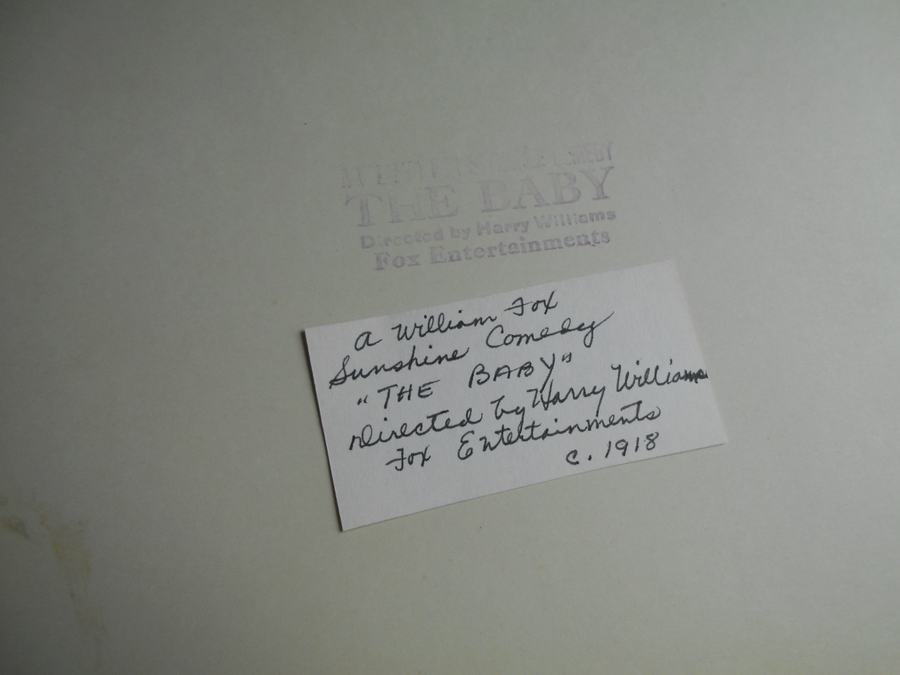
The silent era, often romanticized through the sepia-toned lens of nostalgia, was in its true essence a crucible of raw human emotion, a canvas where societal anxieties and individual struggles were writ large. Few films encapsulate this visceral truth with the poignant intensity of 'Baby'. This cinematic achievement, featuring the incandescent Maud Loti and the compelling Louis Paglieri, transcends mere storytelling; it is an archaeological excavation of the human spirit, plumbing the depths of innocence, betrayal, and the unyielding tenacity of maternal love. Directed with an almost surgical precision by the enigmatic Émile Dubois and penned by the keenly observant Helena Vesper and Arthur Pennwright, the film stands as a towering testament to the power of visual narrative, its resonance undimmed by the passage of a century.
From its opening frames, 'Baby' introduces us to Lily (Maud Loti), a character conceived in the pastoral idyll of the countryside, her very being a distillation of unspoiled purity. Her arrival in the burgeoning metropolis is depicted not as a triumphal entry, but as a hesitant foray into a sprawling, indifferent organism. The city, with its cacophony of ambition and its lurking shadows, quickly becomes a character in itself, a formidable antagonist against Lily's guileless optimism. This initial contrast, between rural simplicity and urban complexity, immediately establishes a thematic tension that will reverberate throughout the film, echoing the profound societal shifts then underway. Loti’s portrayal of Lily in these early scenes is a masterclass in subtle vulnerability, her wide, searching eyes conveying a world of nascent wonder and an almost perilous naiveté.
Lily's fateful encounter with Victor (Louis Paglieri), a bohemian artist whose charm is as intoxicating as it is deceptive, ignites the central conflict. Paglieri imbues Victor with a mercurial magnetism, a captivating blend of artistic fervor and profound self-absorption. He sees in Lily not a person, but a muse, an embodiment of an ideal he seeks to capture on canvas. This artistic gaze, while initially flattering, soon morphs into a form of exploitation, an unwitting theft of her spirit. The scenes depicting Victor at his easel, Lily posing with an almost ethereal stillness, are imbued with a haunting beauty. Dubois’ direction here is particularly adept, juxtaposing the romantic ideal of artistic creation with the nascent emotional peril facing Lily. Victor’s art, while breathtaking, becomes a symbol of his detachment, a barrier between his soul and the woman who gives him inspiration. This dynamic recalls the complex interplay of art and life explored in films like The American Beauty, where external perfection often masks internal turmoil.
The revelation of Lily’s pregnancy acts as the narrative’s pivotal turning point, a seismic event that shatters the fragile illusion of their romance. Victor, confronted with the tangible consequence of his fleeting affections, retreats into a vortex of self-preservation. Paglieri's depiction of Victor's panic and subsequent flight is chillingly effective, a stark illustration of a man utterly incapable of confronting responsibility. His abandonment of Lily is not merely a personal betrayal but a microcosm of a societal failing, a reflection of the era’s often unforgiving stance towards unwed mothers. Lily is left stranded, her innocence irrevocably shattered, facing a future shrouded in uncertainty and the grim specter of societal censure. Loti’s performance here reaches an astonishing depth, her silent cries more potent than any spoken lament, her body language conveying a profound sense of desolation and burgeoning defiance.
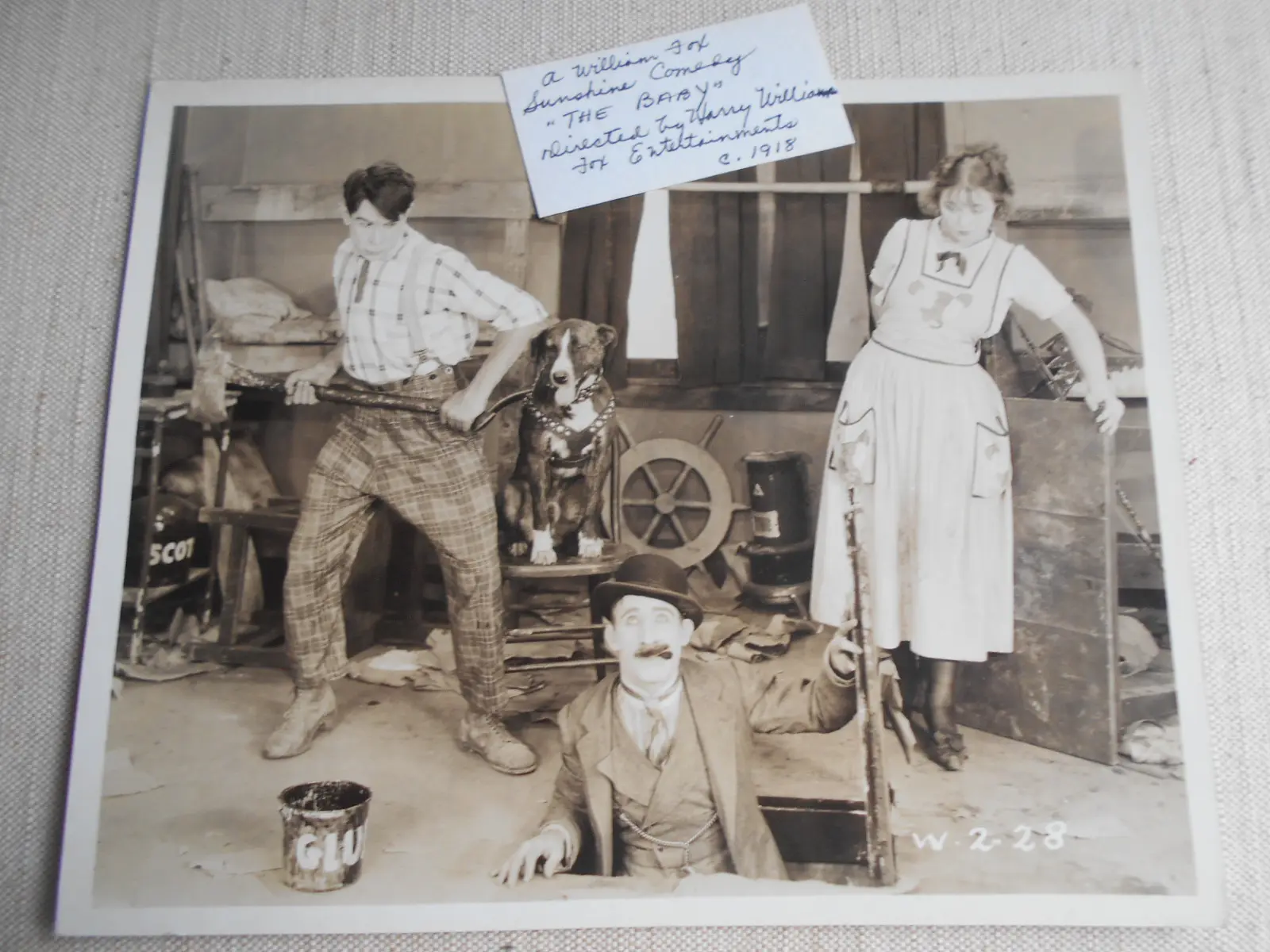
The subsequent chapters of the film plunge Lily into the brutal realities of urban poverty. Dubois masterfully employs stark, expressionistic cinematography to convey the city’s oppressive weight. The bustling streets, once a symbol of opportunity, now loom as a labyrinth of indifference and threat. Lily's struggle to survive, to nurture the life within her amidst destitution and ostracism, forms the harrowing core of the narrative. Her journey through the city’s grim underbelly, marked by countless indignities and moments of quiet despair, is a testament to the sheer, unvarnished strength of the maternal instinct. The film does not shy away from depicting the harshness of her circumstances, drawing parallels with the unflinching realism found in Doorsteps or the raw emotional landscape of The Girl of Hell's Agony, both of which explored the struggles of the marginalized in urban environments. Lily’s resilience, however, is not a grand, theatrical gesture, but a quiet, persistent refusal to yield, a profound act of love for the child she carries.
Years unfurl, marked by Lily’s arduous journey and Victor’s ascendance in the art world. His paintings, once merely a reflection of his muse, now fetch exorbitant sums, his name whispered in reverent tones within the city’s elite salons. Yet, his success is depicted as a hollow triumph, a gilded cage for a conscience haunted by the ghost of his past. Paglieri subtly conveys Victor's internal torment, his eyes, though often shielded by a veneer of sophistication, betraying a deep-seated regret. The contrast between Lily’s grinding reality and Victor’s glittering, yet ultimately empty, existence is a powerful critique of societal values, questioning the true cost of success when built upon abandonment and moral compromise. This thematic exploration of guilt and redemption echoes the somber introspection seen in films like Sodoms Ende, which often delved into the moral decay beneath the veneer of societal progress.
The inevitable convergence of Lily and Victor's paths is orchestrated with a masterful sense of dramatic tension. Victor, driven by a belated, perhaps self-serving, desire for redemption, seeks to reclaim not just his former muse, but the child he abandoned. His return is not framed as a heroic homecoming, but as an intrusion, a disturbance of the fragile peace Lily has painstakingly built. The confrontation between them is a tour-de-force of silent acting. Loti, her face etched with years of hardship and newfound strength, confronts Paglieri's repentant yet still self-absorbed Victor with a quiet dignity that is devastatingly effective. There are no grand pronouncements, no histrionic outbursts; instead, the raw, unvarnished emotions are conveyed through the subtlest of gestures, the most fleeting of glances. The child, the titular 'Baby,' now a young individual, stands as a silent witness, a living embodiment of their entangled past.
Dubois’ direction throughout 'Baby' is characterized by its remarkable restraint and profound psychological insight. He understands the power of the unspoken, allowing the audience to project their own understanding onto the characters’ inner lives. The cinematography, often employing deep shadows and dramatic chiaroscuro, enhances the film’s melancholic atmosphere, mirroring the internal landscapes of its protagonists. The use of close-ups, particularly on Loti’s expressive face, is particularly impactful, revealing the nuances of her pain, resilience, and quiet determination. The film’s pacing, deliberate and measured, allows the emotional weight of each scene to fully settle, creating an immersive experience that transcends the limitations of its silent format. The narrative, while deeply personal, resonates with universal themes of social injustice, the complexities of human relationships, and the enduring strength of the human spirit.
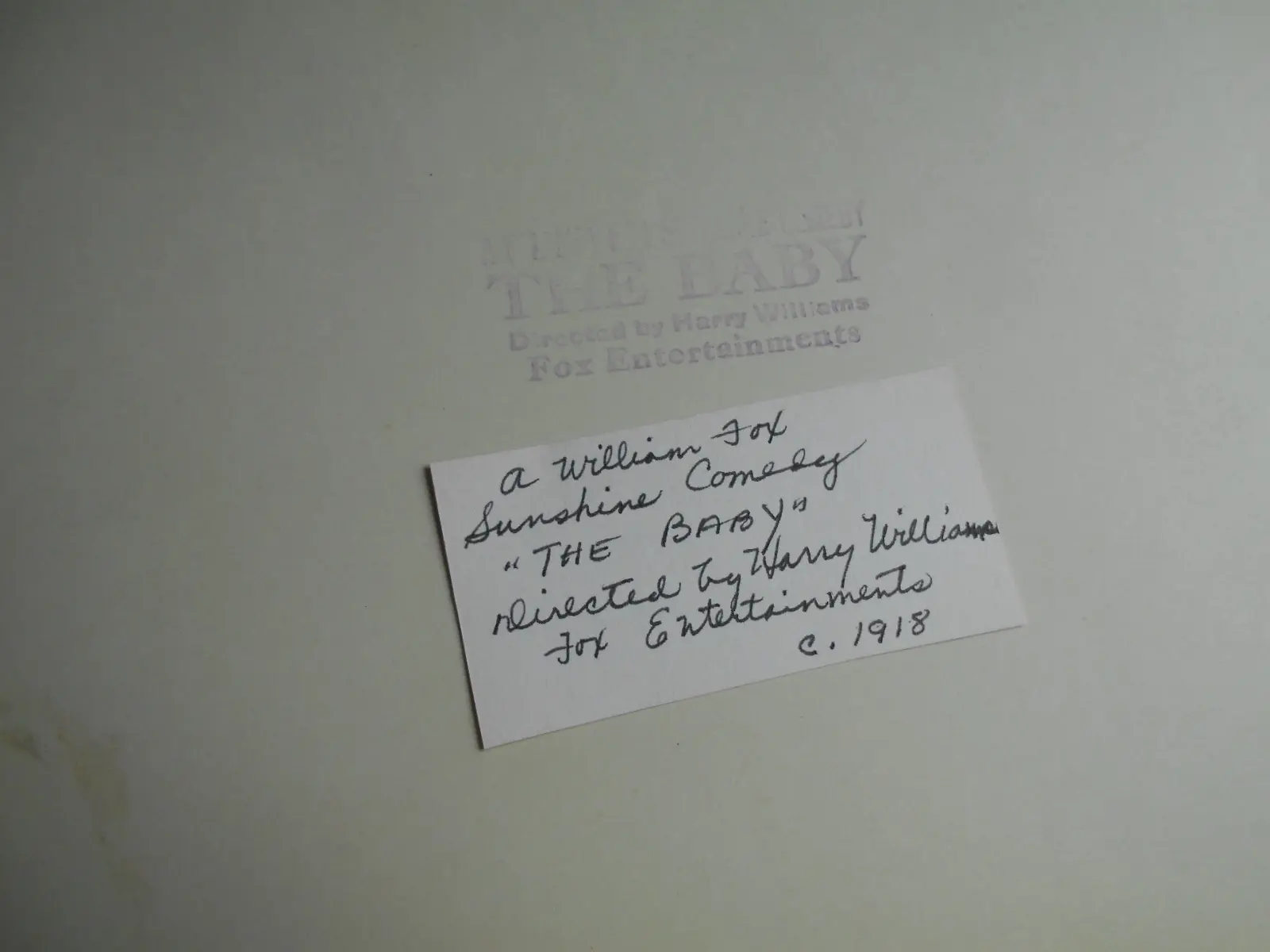
Maud Loti’s performance as Lily is, without hyperbole, one of the most compelling and deeply felt portrayals of the silent era. She embodies Lily with a luminous intensity, transforming her from a naive country girl into a formidable woman forged in the crucible of adversity. Her eyes, often brimming with unshed tears or flashing with quiet defiance, convey the entirety of Lily’s emotional journey. It’s a performance of immense physical and emotional commitment, where every gesture, every tilt of the head, every subtle shift in posture, speaks volumes. Her character's arc, from vulnerable innocence to hardened resilience, is meticulously crafted and utterly convincing. Loti’s ability to convey such profound emotional depth without recourse to dialogue cements her status as a titan of early cinema, a true artist whose expressions alone could fill the screen with unparalleled pathos and strength. Her portrayal here stands proudly alongside the most iconic female performances of the era, a testament to the enduring power of silent acting.
Louis Paglieri, as Victor, delivers a performance that is equally nuanced, albeit in a more morally ambiguous vein. He masterfully navigates the treacherous terrain of a character who is both artist and cad, charming and callously indifferent. Paglieri resists the temptation to render Victor as a one-dimensional villain, instead infusing him with a believable blend of artistic passion, youthful arrogance, and ultimately, a profound, if belated, sense of regret. His journey from self-absorbed aesthete to a man haunted by his past is subtly drawn, allowing the audience to grasp the internal conflicts that drive his actions. The chemistry between Loti and Paglieri, though fraught with tension and unspoken resentments, is palpable, lending an undeniable authenticity to their complex relationship. Paglieri’s ability to convey Victor's internal struggle through subtle facial expressions and body language is a testament to his considerable skill, making him a perfect foil for Loti’s more outwardly expressive Lily. His performance provides the necessary moral counterweight, ensuring that the film’s exploration of responsibility and atonement feels earned and impactful.
The film’s thematic richness extends beyond individual suffering, offering a trenchant critique of societal hypocrisy and the rigid moral codes of the time. The judgment Lily faces, the doors slammed in her face, the whispers of scandal, all serve to highlight the stark contrast between public morality and private compassion. The narrative implicitly asks: who truly bears the greater sin—the young woman who loves unwisely, or the society that condemns her and the man who abandons her? 'Baby' courageously tackles these uncomfortable questions, refusing easy answers. It challenges the audience to look beyond conventional morality and to empathize with those cast aside by societal norms. This daring social commentary positions 'Baby' alongside other trailblazing silent films that dared to confront difficult social issues, such as Madam Who?, which similarly explored the precariousness of female identity in a judgmental world.
The film’s enduring legacy lies not only in its powerful performances and compelling narrative but also in its timeless exploration of the human condition. The struggle for survival, the complexities of love and betrayal, the quest for redemption, and the indomitable spirit of a mother are themes that resonate deeply across generations. Dubois’ artistic vision, combined with the evocative screenplay by Vesper and Pennwright, creates a cinematic experience that is both deeply personal and universally resonant. The film’s ability to evoke such profound emotion through purely visual means is a testament to the artistry of silent cinema at its zenith. It reminds us that storytelling, at its most potent, transcends language, speaking directly to the heart and soul. The raw power of its imagery and the profound depth of its characterizations ensure that 'Baby' remains a vital and relevant work, a cornerstone of early cinematic drama.
In conclusion, 'Baby' is more than just a film; it is a profound artistic statement, a searing indictment of societal indifference, and an eloquent ode to the strength of the human spirit. Maud Loti’s breathtaking performance is a beacon of emotional truth, while Louis Paglieri’s nuanced portrayal of a conflicted artist adds layers of psychological complexity. The film’s masterful direction, evocative cinematography, and timeless themes coalesce into a work of enduring power. It is a film that demands to be seen, studied, and remembered, a testament to the unparalleled artistry of the silent era and a poignant reminder of the stories that continue to shape our understanding of ourselves and the world around us. Its influence can be felt in subsequent melodramas and social commentaries, solidifying its place as a crucial piece of cinematic history, a work whose emotional impact lingers long after the final frame fades to black. Its echoes reverberate through the annals of cinema, a haunting melody of human resilience against the unforgiving backdrop of life.
IMDb —
1916
Community
Log in to comment.