DbcultAccessing Vault...
6.8/10
Senior Film Conservator
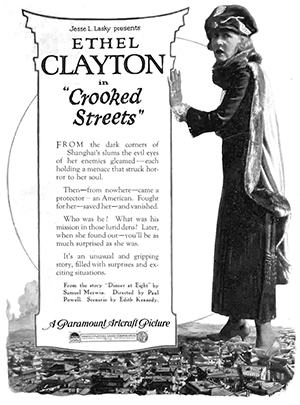
A definitive 6.8/10 rating for a film that redefined the boundaries of cult cinema. Crooked Streets remains a cornerstone of transgressive art.
The silent era, often mistakenly dismissed as primitive, was in fact a crucible of cinematic innovation, a period where narrative subtlety and visual storytelling were honed to a remarkable degree. Amongst the myriad of melodramas and spectacles, certain films emerged that deftly wove intricate tapestries of intrigue and adventure, pushing the boundaries of what a nascent art form could achieve. One such gem is the 1920 cinematic offering, Crooked Streets, a title that immediately conjures images of shadowy alleys and moral ambiguities. This isn't merely a film; it's a thrilling voyage into the heart of post-WWI global anxieties, an espionage saga that transports its audience to a Shanghai teeming with both exotic allure and insidious danger.
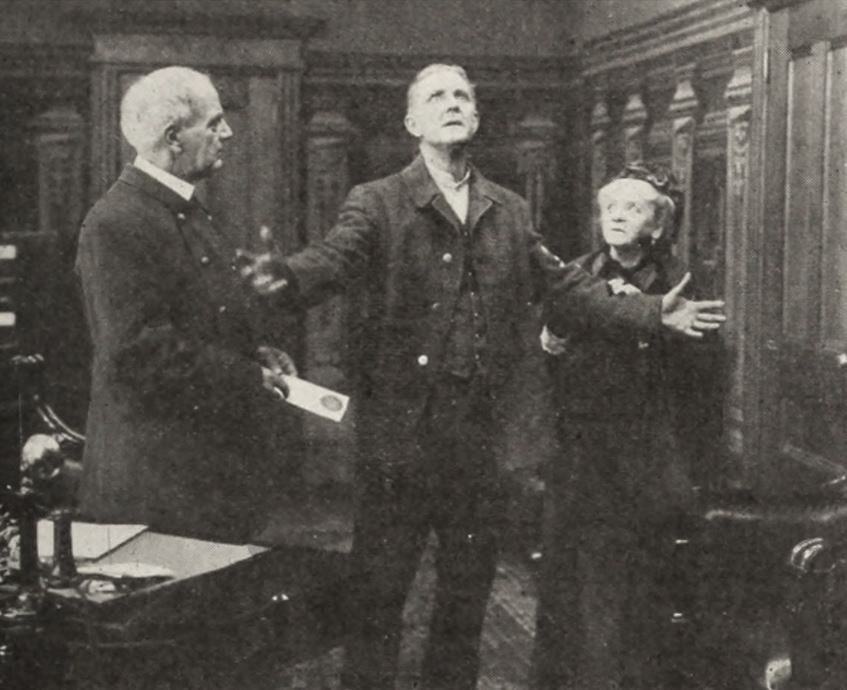
At its core, Crooked Streets is a masterclass in deception, a narrative where identities are fluid and motivations are shrouded in secrecy. The film introduces us to Gail Ellis, portrayed with a compelling blend of vulnerability and nascent strength by the luminous Ethel Clayton. Initially presented as a seemingly innocuous secretary, Gail finds herself accompanying the distinguished Professor Silas Griswold, played with an air of deceptive academic gravitas by Fred Starr, and his wife, embodied by Josephine Crowell, on an expedition to China. Their ostensible quest: the acquisition of priceless antique vases. This seemingly benign premise, however, quickly unravels into a complex web of international intrigue, setting the stage for a series of events that will test Gail's mettle and reveal her true purpose.
The narrative’s pivotal turning point occurs when Gail, driven by an understandable curiosity, ventures into the teeming, chaotic Shanghai slums. It’s here, amidst the vibrant disarray of daily life, that the film plunges into its darker currents. Unbeknownst to her, the very driver entrusted with her safety is complicit in a sinister plot to abduct her. This abrupt descent into peril is handled with a palpable sense of urgency, a sudden rupture of the veneer of civility that underscores the ever-present dangers lurking beneath the surface of the exotic locale. Gail's subsequent escape from her would-be captors is a sequence brimming with tension, showcasing a nascent form of action filmmaking that, even without synchronized sound, manages to convey genuine peril. Her flight, however, leads her from one precarious situation to another, culminating in an encounter with a group of menacingly drunken sailors – a classic trope of urban danger, rendered here with effective, if silent, menace.
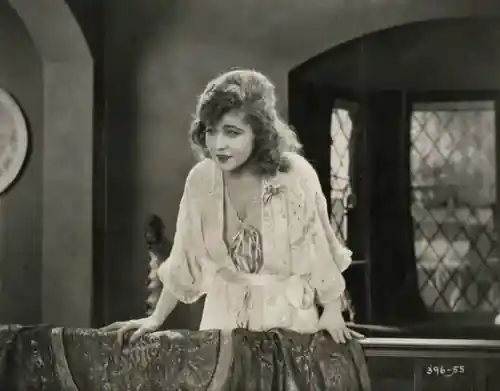
Just as all hope seems lost, a figure emerges from the shadows, a quintessential hero in the making. Rupert O’Dare, a young Englishman portrayed with dashing charisma by the ever-reliable Jack Holt, intervenes, rescuing Gail from her predicament. This fortuitous encounter, seemingly a chance act of chivalry, quickly morphs into something far more profound. O'Dare, in a revelation that recontextualizes the entire preceding narrative, discloses his true identity: a British secret service agent. His mission? To expose the Griswolds, whose antiquarian pursuits are merely a sophisticated smokescreen for a nefarious opium smuggling operation, with the illicit cargo cunningly concealed within the very antique vases they ostensibly seek. This twist is executed with a satisfying narrative flourish, transforming the ostensibly scholarly couple into cunning antagonists and elevating the stakes considerably.
But Crooked Streets isn't content with just one major reveal. The film’s true brilliance lies in its recursive layers of deception. Following O'Dare's confession and the subsequent arrest of the Griswolds, Gail Ellis, the seemingly innocent secretary, unveils her own astonishing secret: she is, in fact, an agent of the United States Secret Service. This double reveal is a stroke of narrative genius, a delicious subversion of audience expectations that transforms a conventional damsel-in-distress scenario into a compelling tale of two equally capable operatives navigating a treacherous landscape. It's a moment that not only redefines Gail's character but also injects a potent dose of mutual respect and admiration into the burgeoning relationship between her and O'Dare. The ensuing romantic entanglement, born of shared peril and professional camaraderie, feels earned, a natural consequence of their intertwined destinies in the face of international crime.
The genius of Crooked Streets, penned by the talented duo of Edith M. Kennedy and Samuel Merwin, lies in its prescient understanding of the burgeoning spy genre. Long before James Bond became a household name, films like this laid the groundwork for the tropes and narrative structures that would define espionage cinema for decades to come. The exotic setting of Shanghai is not merely a picturesque backdrop; it’s an active participant in the narrative, its labyrinthine alleys and bustling markets mirroring the moral complexities and hidden agendas of the characters. The city itself feels alive, a character unto itself, pulsating with both danger and opportunity.
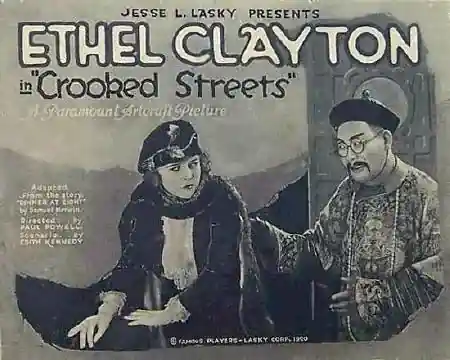
The film excels in its portrayal of shifting identities and the inherent dangers of international espionage. Gail's initial guise as a naive secretary effectively misdirects both the audience and the antagonists, making her reveal all the more impactful. Similarly, O'Dare's seemingly accidental presence and subsequent heroic intervention are masterfully orchestrated to conceal his true purpose. This constant play with appearances creates a pervasive sense of suspense, keeping the audience on edge, questioning every interaction and every character's true allegiance. It’s a narrative technique that resonates with the best of the genre, even in contemporary spy thrillers.
The performances are uniformly strong, particularly given the constraints of silent film acting. Ethel Clayton imbues Gail Ellis with a quiet dignity that blossoms into assertive capability. Her expressions convey a range of emotions, from initial apprehension to determined resolve, making her transformation believable and engaging. Jack Holt, a stalwart of the era, brings a commanding yet charming presence to Rupert O'Dare, embodying the ideal of the intrepid secret agent with effortless grace. Their on-screen chemistry, though conveyed through glances and gestures rather than dialogue, is palpable, adding a layer of romantic tension that elevates the dramatic stakes. Fred Starr and Josephine Crowell, as the deceptively respectable Griswolds, are equally effective, their subtle villainy a stark contrast to the overt menace of the drunken sailors, illustrating the varied forms that danger can take.
The themes explored in Crooked Streets are remarkably enduring. The illicit trade of opium, a significant concern in the early 20th century, provides a tangible and morally reprehensible threat. This grounds the espionage in real-world issues, giving the agents’ mission a greater sense of purpose beyond mere adventure. The film subtly touches upon the complexities of colonial influences and international criminal networks, reflecting the geopolitical realities of its time. Moreover, the exploration of trust and betrayal, of who one can truly rely upon in a world of masks, remains a timeless narrative hook. It’s a compelling examination of how individuals navigate a landscape where every face could hide a secret, every friendly gesture a trap.
When considering its contemporaries, Crooked Streets stands out for its sophisticated plotting. While many serials of the era focused on episodic cliffhangers, this film delivers a more cohesive and intricate narrative arc. One might draw parallels to the adventurous spirit and serialized intrigue found in films like The Lightning Raider, which also featured strong female leads navigating dangerous criminal underworlds. However, Crooked Streets feels more tightly constructed, less reliant on sheer spectacle and more on the clever unfolding of its central mystery. The double-agent reveal, in particular, elevates it beyond a simple chase film, aligning it more with the intellectual thrillers that would follow decades later. The sense of hidden depths and concealed truths, where characters are not what they seem, also brings to mind the thematic undercurrents of a film like Still Waters, albeit in a vastly different genre context.
The film’s visual language, typical of the silent era, relies heavily on expressive acting, evocative sets, and well-composed shots to convey its story. The use of intertitles is economical yet effective, providing crucial exposition without bogging down the visual flow. The director (though not explicitly credited in the provided details, the directorial vision is evident) skillfully crafts an atmosphere that oscillates between the exoticism of Shanghai and the palpable tension of espionage. The contrast between the opulent hotel settings and the gritty, dangerous slums is starkly drawn, visually reinforcing the dualities at play within the narrative. The costumes and production design, while perhaps not as grand as some epic historical dramas, are meticulously crafted to immerse the audience in the period and setting, adding authenticity to the international flavor of the story.
Beyond its immediate entertainment value, Crooked Streets offers a fascinating glimpse into the nascent stages of the spy thriller genre. It demonstrates that even in the absence of sound, filmmakers were capable of constructing complex, multi-layered narratives that captivated audiences with their blend of action, mystery, and romance. It's a testament to the ingenuity of early cinema and the enduring appeal of a well-told story about good versus evil, or perhaps more accurately, agent versus agent in a morally ambiguous world. The film’s ability to surprise and engage, culminating in a satisfying resolution where justice is served and romance blossoms, speaks to its timeless appeal. The dynamic between Gail and Rupert, two individuals who initially perceive each other through layers of professional deception, only to find common ground and affection, is a compelling romantic arc that many modern films still strive to achieve.
In retrospect, Crooked Streets is more than just a historical curiosity; it’s a vibrant, engaging piece of cinema that holds up remarkably well. It reminds us that the fundamental elements of compelling storytelling – intriguing characters, escalating stakes, unexpected twists, and a dash of romance – are universal and transcend technological limitations. For enthusiasts of silent film, classic espionage, or simply well-crafted narratives, this film offers a rich and rewarding experience. It's a journey through the shadowy corners of Shanghai and the even more intricate pathways of human deception and dedication, leaving a lasting impression of a world where nothing is quite as it seems, and every street, indeed, might be crooked. The legacy of writers Edith M. Kennedy and Samuel Merwin is clearly etched in this tightly wound narrative, showcasing their skill in crafting a story that still resonates with the thrill of discovery and the allure of secrets unveiled.
IMDb 5.5
1935
Community
Log in to comment.