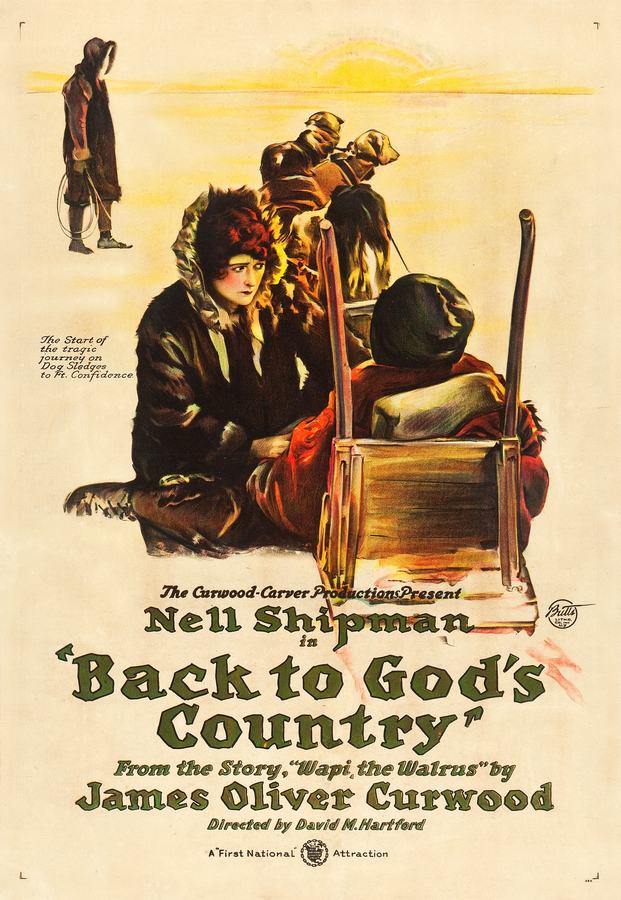
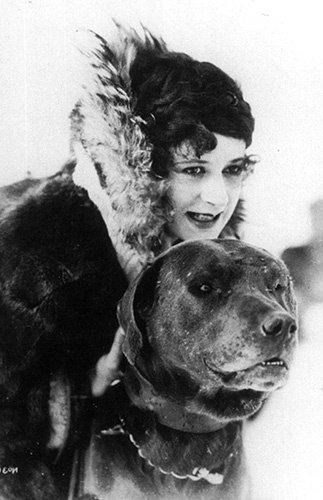
The frozen harbors of Canada's North aren't merely settings in Nell Shipman's Back to God's Country—they're active participants in a primal dance of survival. Shipman, who co-wrote, produced, and stars in this 1919 landmark achievement, crafts a narrative where the wilderness breathes with predatory intent. When the hulking Rydal (Wheeler Oakman, embodying toxic masculinity with unnerving physicality) arrives at Dolores' isolated outpost, the film transcends revenge tropes to explore terrain as both prison and arsenal.
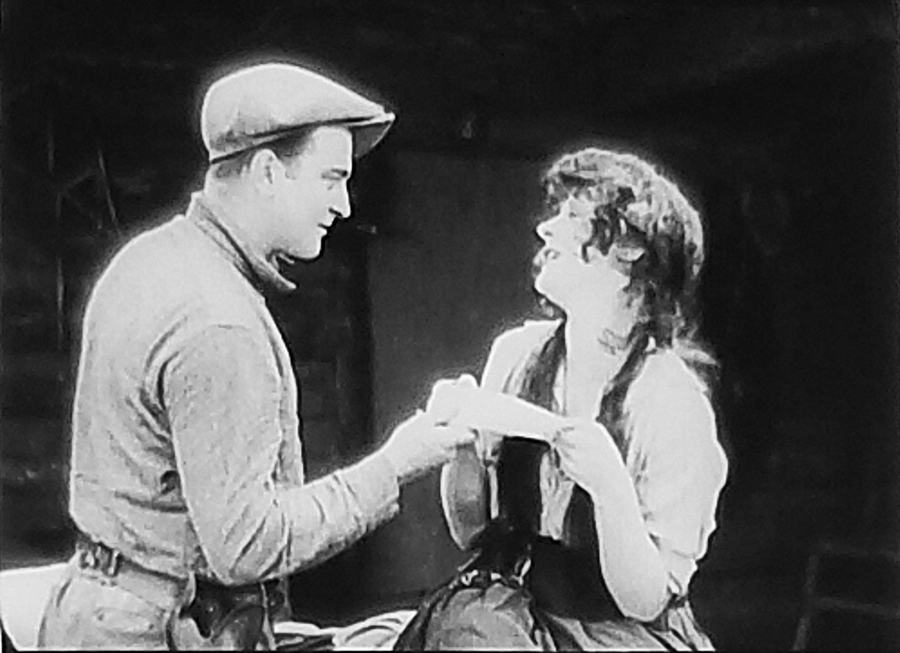
Shipman's performance as Dolores operates on multiple planes of silent-era brilliance. Observe how her initial vulnerability—conveyed through tremulous hands and darting eyes when Rydal first appears—gradually calcifies into steely resolve. In an era when heroines often fainted at crises, Dolores calculates. She notes ice formations' structural weaknesses, studies animal behaviors, and turns domestic spaces into tactical labyrinths. When she releases her sled dogs to create diversions, it's not happenstance but orchestrated chaos.
The cinematography remains startlingly modern in its environmental consciousness. Icy close-ups fracture the frame like shattering glass, while wide shots emphasize human insignificance against snow-drowned forests. Shipman and cinematographer Joseph Walker pioneer what we'd now call 'eco-horror' aesthetics—the camera lingers on the ominous creak of overloaded branches, the deceptive fragility of thin ice, the way moonlight turns snow into fields of broken glass. Unlike later wilderness dramas, nature isn't romanticized but presented as a lethal equalizer.
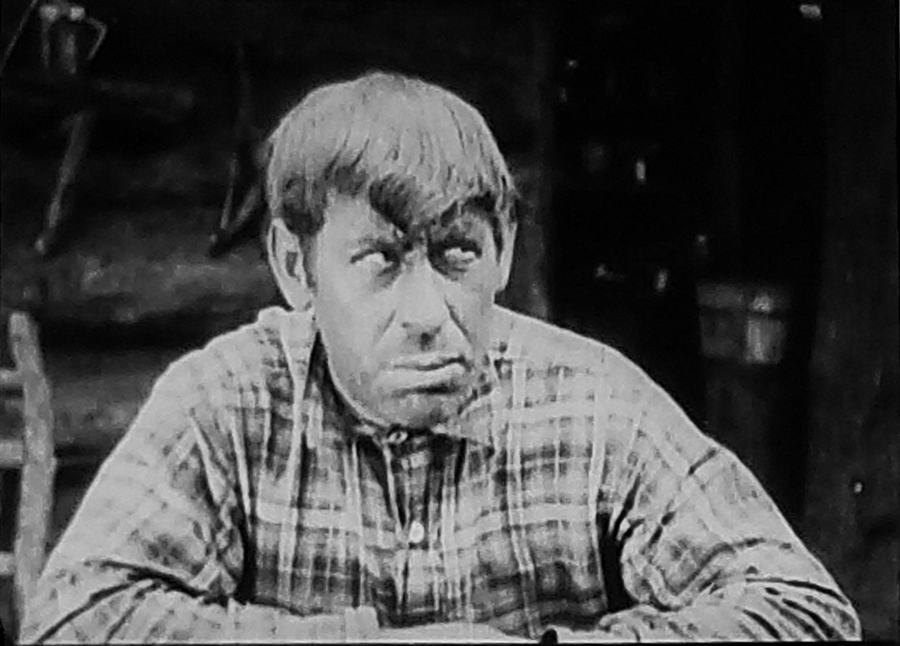
Rydal’s menace derives potency from its banality. Oakman avoids mustache-twirling theatrics, instead crafting a villain who believes wilderness laws favor the strong. His brutality toward animals—a disturbing sequence where he whips Dolores' lead sled dog—becomes the visual shorthand for his worldview. Yet the film's genius lies in how Shipman subverts his assumptions. The very creatures he abuses become instrumental in his downfall, while Dolores' intimate knowledge of seasonal patterns transforms environmental hazards into tactical advantages.
Historically, Back to God's Country pioneered location shooting under conditions that would daunt modern crews. Shipman insisted on authenticity, resulting in footage of authentic wolf packs and perilous river crossings that pulse with documentary-like immediacy. This commitment bleeds into thematic layers—the frontier isn't a pastoral Eden but a demanding collaborator. Compare this to the studio-bound wilderness of Cecil B. DeMille's contemporary The Land of Promise, and Shipman's verisimilitude feels revolutionary.
Feminist readings reveal further richness. Dolores' resourcefulness predates Ripley in Alien by six decades. She engineers traps using household items, navigates by stellar patterns, and demonstrates physical prowess that mirrors Shipman's real-life athleticism (her ice-chase stunts remain breathtaking). Crucially, her intelligence isn't exceptionalized but presented as hard-won competency from frontier living. When contrasted with the victimized heroines of Where Are My Children?, Dolores emerges as a radically autonomous figure.
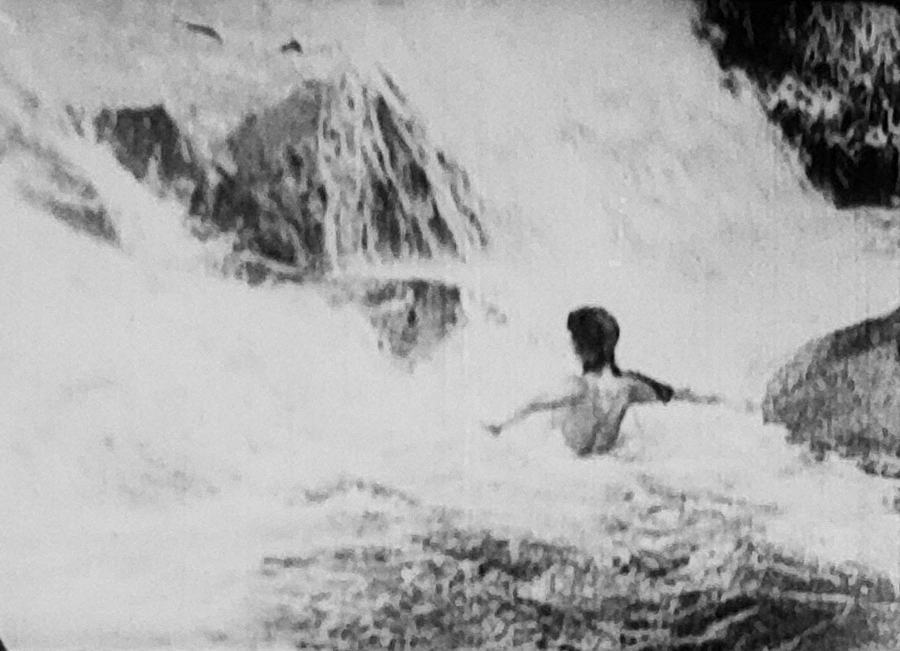
James Oliver Curwood's source story undergoes fascinating feminist revision under Shipman's pen. Where Curwood emphasized masculine conquest, Shipman recenters the narrative on female environmental mastery. The famous semi-nude swimming sequence—often misremembered as gratuitous—actually functions as tactical misdirection. While Rydal is distracted by her body, Dolores positions driftwood to alter currents, later used to destabilize his escape raft. Her body becomes both bait and weapon.
The animal performances deserve scholarly attention. Shipman, a lifelong animal rights advocate, presents her canine co-stars as conscious collaborators rather than props. Watch how the lead dog Wapi (played by Shipman's own pet) maintains eye contact with Dolores during pivotal moments, creating interspecies communication more nuanced than most human dialogues in silent film. This human-animal bond forms the story's moral spine—Rydal's cruelty toward creatures ultimately destroys him.
Structurally, the film mirrors the tightening coils of winter. Early scenes establish the harbor's geography with cartographic precision—ice floes, supply caches, animal dens—details that later become critical components in Dolores' survival calculus. The climax's spatial choreography remains masterful: confined ship interiors where Dolores uses hanging nets as barriers, followed by the kinetic sprawl of the ice-field chase where shifting plates create dynamic obstacles.
Modern viewers might link Shipman’s vision to Jennifer Lawrence in Winter's Bone or the Arctic terrors of The Grey, but her approach remains distinctively non-exploitative. Violence occurs offscreen or through suggestive framing—a bloodstain spreading on snow, a shadow struggle behind frosted glass. This restraint heightens psychological tension, making the wilderness itself feel predatory. Unlike the melodramatic confrontations in Law of the Land, danger here feels geological and inevitable.
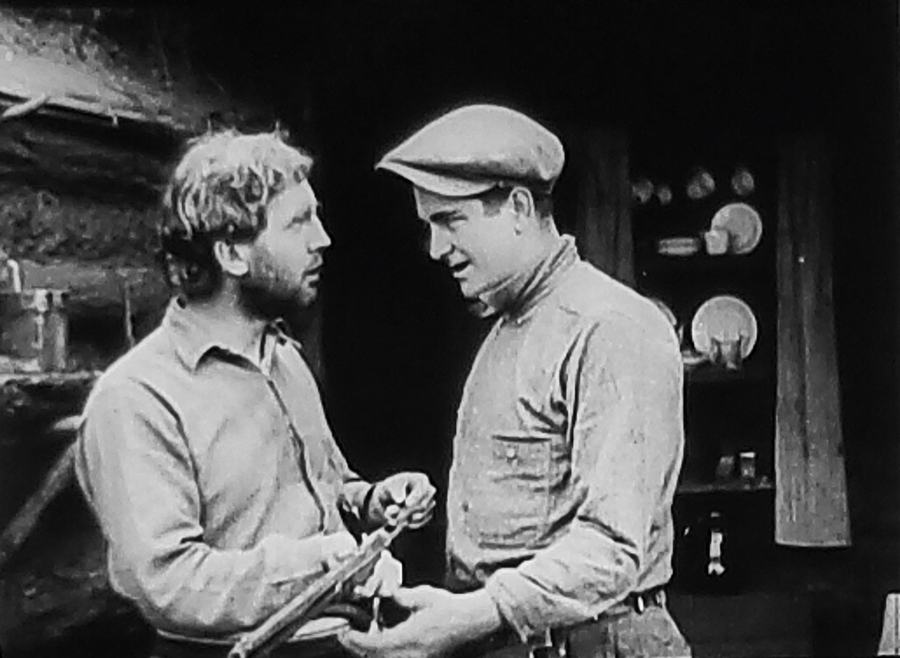
The restoration by the Library and Archives Canada reveals astonishing textural depth. You can practically feel the granular snow in high-contrast scenes and detect the grain in woolen parkas. This preservation allows contemporary appreciation for Shipman's environmental storytelling—how blizzards aren't just weather but narrative accelerants, how frozen rivers function as shifting chessboards, how animal tracks become strategic maps.
In the pantheon of early Canadian cinema, Back to God's Country stands as a singular achievement. It predates the documentary realism of The English Lake District while eschewing the sentimental exoticism common in wilderness films. Shipman presents the North not as empty frontier but as saturated with agency—every snowdrift conceals possibility, every frozen branch holds potential as a weapon, every animal is a potential ally. Dolores survives not despite the wilderness but because she understands its grammar.
The film's legacy echoes in unexpected places—Tracey Deer's Beans carries its torch for Indigenous resilience against hostile landscapes, while The Revenant mirrors its brutal environmental intimacy. Yet Shipman’s greatest innovation remains her refusal to separate gender from environmental mastery. In Dolores, we see ecology as knowledge system, survival as intellectual triumph, and wilderness not as adversary but as the ultimate teacher. When she finally stands alone on the ice, surrounded by the indifferent beauty that nearly killed her, it's not desolation we witness—it's hard-won sovereignty.