DbcultAccessing Vault...
6.2/10
Senior Film Conservator
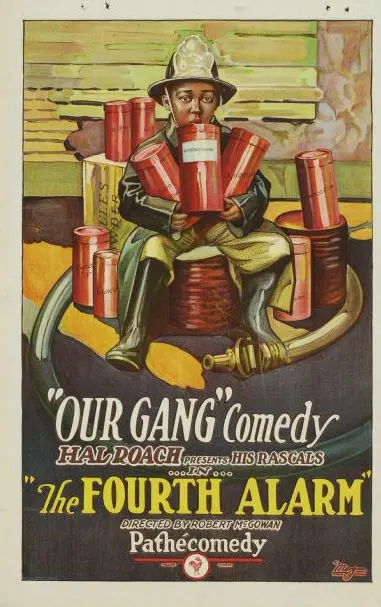
A definitive 6.2/10 rating for a film that redefined the boundaries of cult cinema. The Fourth Alarm remains a cornerstone of transgressive art.
Is "The Fourth Alarm" worth watching today? Short answer: yes, but with a critical eye attuned to its historical context. This delightful 'Our Gang' short is a charming time capsule, perfect for those who appreciate the foundational era of cinematic comedy and the unvarnished joy of children's antics. It offers a glimpse into a bygone era of filmmaking and childhood itself, presenting a unique, if sometimes rudimentary, form of entertainment.
However, it's decidedly not for audiences seeking modern narrative sophistication, rapid-fire pacing, or high-definition polish. Viewers accustomed to contemporary storytelling might find its simplicity challenging, and its comedic beats, while historically significant, may not always land with the same force today. This film is a historical artifact as much as it is a piece of entertainment.
This film works because of its unpretentious charm and the undeniable, natural chemistry of its young cast. Their unscripted energy and genuine reactions are a testament to Hal Roach's groundbreaking directorial approach. The film's core concept, the imaginative play of children, remains universally relatable.
This film fails because its rudimentary plot and dated comedic sensibilities might not resonate with contemporary viewers who prefer more complex character arcs or sophisticated humor. The technical limitations of its era also mean a less polished visual and auditory experience. It’s a simple film. But its heart is undeniable.
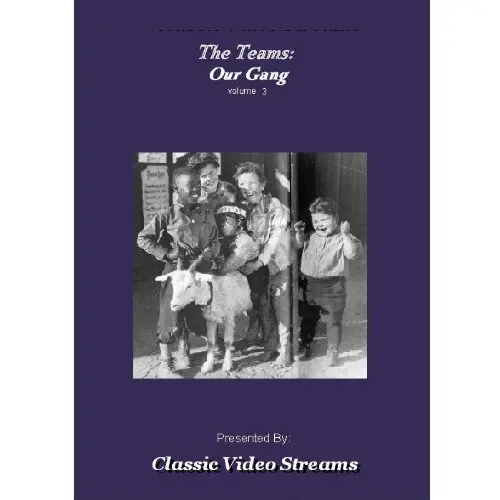
You should watch it if you're a film historian, a devoted fan of the 'Our Gang' series, a parent looking to share a piece of cinematic history with curious children, or simply curious about the roots of screen comedy. It’s a foundational piece for understanding the evolution of the genre.
In the annals of early cinematic comedy, few names resonate with the nostalgic warmth of Hal Roach's 'Our Gang' comedies. Among these cherished shorts, "The Fourth Alarm" stands as a testament to the simple, yet profound, magic woven by child actors under the discerning eye of a visionary producer. Released in an era when cinema was still finding its voice, this particular short encapsulates the enduring appeal of childhood ambition, albeit through a lens of delightful, innocent chaos. It’s more than just a film; it’s a cultural touchstone.
The premise is disarmingly straightforward: a group of resourceful youngsters, fueled by an intoxicating blend of idealism and mischief, decides to establish their own junior fire department. This isn't just child's play; it's a meticulously (in their minds) planned operation, transforming a dilapidated barn into a makeshift firehouse. The visual comedy inherent in this transformation—the repurposed buckets, the wobbly ladders, the earnest attempts at official-looking signage—is a cornerstone of the film's charm. You can almost feel the sawdust and the shared excitement as they hammer and paint, imagining themselves as true heroes.
What sets 'Our Gang' apart, and what "The Fourth Alarm" exemplifies, is its unique ability to capture the authentic spirit of childhood. These weren't child actors in the modern sense, meticulously coached and stylized. Instead, Hal Roach fostered an environment where their natural exuberance and improvisational genius could shine. The result is a raw, unpolished, yet utterly compelling portrayal of kids being kids, a stark contrast to the often overly saccharine depictions found in later productions.
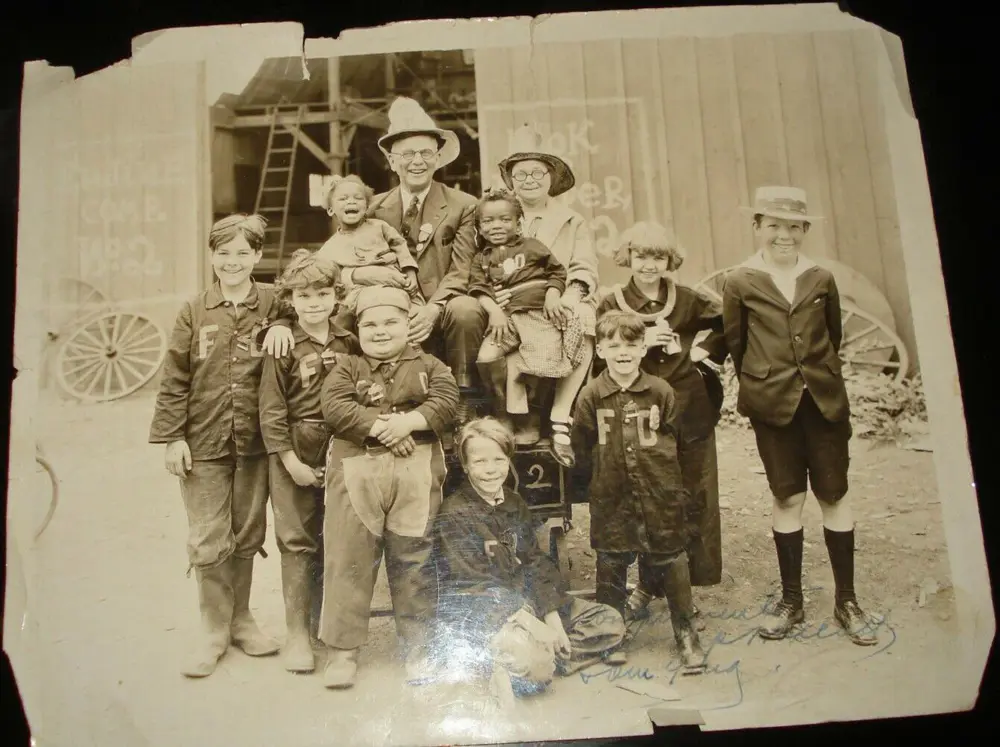
The enduring appeal of 'The Fourth Alarm' isn't its narrative sophistication, but its accidental documentary-like quality of childhood, a window into a world unburdened by adult pretense.
The strength of "The Fourth Alarm", much like any 'Our Gang' short, lies squarely on the shoulders of its young, charismatic cast. While individual names like Clifton Young and Mildred Kornman contribute to the ensemble, it is the collective energy, the genuine camaraderie, and the palpable rivalries that truly make the film sing. Each child, with their distinct personality, contributes to the dynamic tapestry of the group. This isn't just acting; it's a living, breathing social ecosystem.
Central to the film's most memorable moments is Allen 'Farina' Hoskins. Farina, with his wide-eyed innocence and often bewildered expressions, serves as the perfect foil for the gang's more boisterous members. His earnest attempts to contribute, coupled with his inevitable comedic mishaps, are a highlight. In "The Fourth Alarm," Farina's struggle with the heavily pressured fire hose is a masterclass in physical comedy rooted in genuine child-like frustration. We see him grappling with the unwieldy stream, the hose coiling and bucking like a wild animal, drenching everything but the intended target, and perhaps even himself. It's a moment that elicits laughter not from cruelty, but from a shared understanding of feeling overwhelmed and outmatched by a task too big for one's small stature.
The other children, from the confident leaders like Jackie Condon to the quieter observers, each play their part in creating a believable micro-society. Their interactions, the shared glances, the whispered conspiracies, and the collective cheers or groans, all feel remarkably authentic. This authenticity is a direct result of Hal Roach's unique approach to directing children, allowing them space to simply be themselves, rather than forcing them into rigid performances. It’s a style that few directors have truly replicated since.
Hal Roach's influence on early cinema is immeasurable, and in "The Fourth Alarm," his directorial philosophy is subtly yet powerfully evident. Unlike the grand spectacles of his contemporary D.W. Griffith, Roach's genius lay in his ability to find humor and pathos in the everyday, particularly through the lens of childhood. He understood that children, left to their own devices, are inherently comedic and dramatic. His direction here isn't about elaborate camera movements or complex editing; it's about observation and timing.
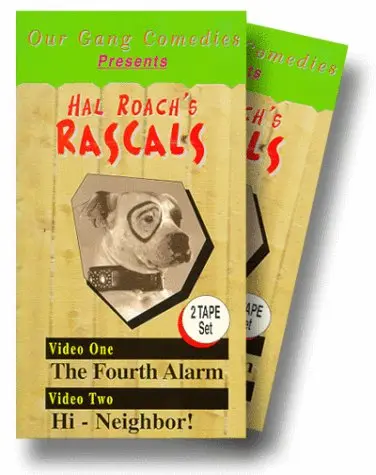
The pacing of the short is deliberate, reflecting the storytelling conventions of its era. It allows moments to breathe, letting the visual gags unfold naturally rather than rushing through them. Consider the sequence where the gang first converts the barn: we see the progression, the small victories, and the inevitable setbacks. A scene depicting a child struggling with a too-heavy plank, or another accidentally painting themselves, isn't hurried. It's allowed to play out, building to a chuckle rather than a guffaw. This slower rhythm might feel unfamiliar to modern audiences, but it is integral to the film's charm.
Roach’s brilliance also extended to his understanding of physical comedy. The sight gags, such as the precarious construction of their firehouse or Farina's wrestling match with the hose, are executed with a clear eye for slapstick. Yet, it's always tempered with an underlying affection for the characters. The humor never feels mean-spirited; it's always at the expense of circumstance, not the children themselves. This compassionate approach is a hallmark of the series and contributes significantly to its enduring legacy. Hal Roach's directorial hand, while seemingly light, was revolutionary in its respect for children's natural comedic timing, a feat rarely matched even today.
The cinematography of "The Fourth Alarm," typical of shorts from the 1920s, is functional rather than flashy. Shot in black and white, likely with stationary cameras and natural lighting augmented by powerful studio lamps, the visual style is straightforward. There are no sweeping crane shots or intricate tracking movements. The focus is on clarity and capturing the action within the frame. This simplicity, however, contributes to its charm, lending the film an almost documentary-like quality that captures the period's innocence.
The tone is overwhelmingly lighthearted and optimistic, a characteristic trait of the 'Our Gang' series. Even when faced with a genuine emergency, the underlying current remains one of playful adventure. There's a palpable sense of community, both within the gang and in their interactions with the adults around them, however brief. The film revels in the unbridled imagination of children, where an old barn can become a bustling fire station and a garden hose a formidable tool of heroism.
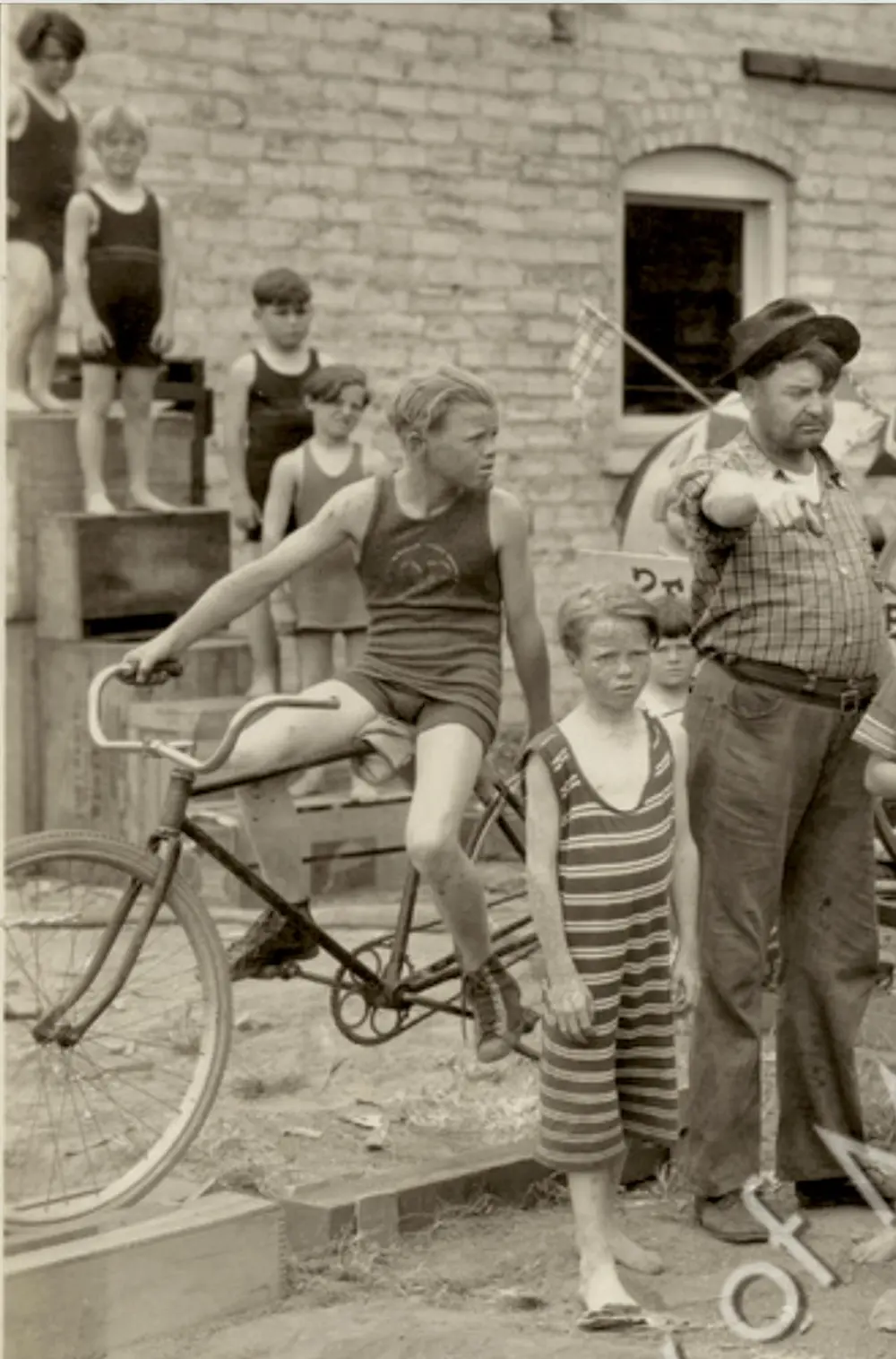
The true genius here isn't the gags themselves, but how the film inadvertently captures the profound, almost philosophical, gap between youthful ambition and the unforgiving mechanics of the adult world. It’s a surprisingly deep observation for a short comedy.
This tonal consistency ensures that even when the children face difficulties, such as Farina's struggle with the hose, the audience never fears for their well-being. Instead, we're invited to laugh with them, to appreciate their earnest efforts, and to recall our own childhood follies. It’s a gentle, reassuring humor that transcends generations, making it a stark contrast to some darker comedies of the era, or even the more cynical humor prevalent today.
"The Fourth Alarm" is more than just a standalone short; it's a vital piece of the larger 'Our Gang' tapestry, a series that profoundly influenced the landscape of children's entertainment and comedy itself. These shorts were groundbreaking for their time, largely because they depicted children not as miniature adults or props for adult humor, but as fully formed characters with their own agency, problems, and triumphs. This was a radical departure from many earlier films, such as The Message of the Mouse or The Cost, which often used children for more dramatic or sentimental effect.
The series' success lay in its ability to tap into universal childhood experiences: building secret clubs, playing make-believe, navigating friendships, and clashing with authority figures. "The Fourth Alarm" perfectly encapsulates this, presenting a scenario that every child has likely fantasized about – becoming a hero. The film, like its brethren, provided an escape and a reflection for audiences of all ages, proving that humor could be found in the most innocent of places.
Its legacy continues to this day. Many of the comedic tropes and character archetypes established by 'Our Gang' can be seen echoed in countless children's shows and films that followed. The idea of a ragtag group of kids overcoming obstacles through ingenuity and teamwork, as seen in "The Fourth Alarm," became a blueprint for future generations of storytellers. While perhaps not as widely known as some other 'Our Gang' entries, its contribution to the series' overall impact is undeniable.
"The Fourth Alarm" is a delightful, if undeniably dated, piece of cinematic history. It’s a testament to the enduring power of simple storytelling, authentic child performances, and the visionary comedic sensibilities of Hal Roach. While it may not command the same universal appeal as a modern blockbuster, its value as a cultural artifact and a source of gentle humor is undeniable. It reminds us that sometimes, the most profound observations about life, ambition, and the hilarity of human endeavor can be found in the earnest, clumsy attempts of children playing make-believe. It’s a charming watch for the right audience, a cinematic equivalent of a warm, fuzzy memory. It works. But it’s flawed. Ultimately, it’s a necessary stop for anyone charting the evolution of screen comedy, providing context and charm in equal measure.
IMDb —
1924
Community
Log in to comment.