DbcultAccessing Vault...
5.4/10
Senior Film Conservator
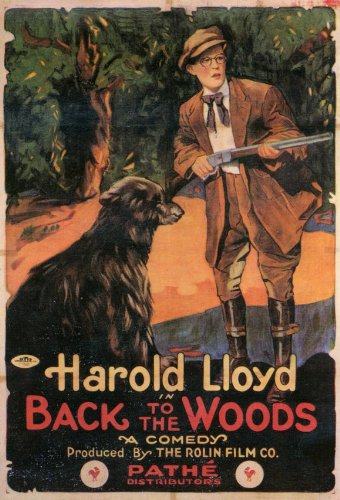
A definitive 5.4/10 rating for a film that redefined the boundaries of cult cinema. Back to the Woods remains a cornerstone of transgressive art.
When Harold Lloyd ventured beyond the glittering boulevards of early Hollywood into the pine‑scented expanses of a Canadian back‑country, he did not merely swap a tuxedo for a fur coat; he exchanged polished wit for primal chaos. The 1919 short, though often eclipsed by Lloyd’s later features, offers a compact laboratory where slapstick, visual metaphor, and narrative economy converge.
The cinematography, rendered in stark monochrome, exploits contrast with a painter’s precision. Snow‑blanketed trunks become silhouettes against a bruised sky, while the occasional glint of a bear’s eye—captured in a fleeting close‑up—punctuates the frame with an ominous amber that mirrors the film’s recurring motif of imagined grandeur. The director’s choice to frame Harold against the vastness of the woods underscores a thematic dichotomy: the tiny, self‑absorbed human versus an indifferent natural order.
Harold’s portrayal of the millionaire heir is a masterclass in physical comedy. He oscillates between aristocratic swagger and bewildered child‑like curiosity, his exaggerated gestures amplified by the silent medium’s reliance on kinetic storytelling. The valet, an eccentric foil, embodies the absurdity of class distinctions when stripped of societal scaffolding. His frantic dash after a ravenous animal devours his lunch basket becomes a micro‑cosm of the film’s larger conflict: civilization’s fragile veneer being gnawed away by the wild.
The interplay between the two men recalls the dynamic seen in Desert Gold, where class tension is similarly rendered through comedic mishaps, though Lloyd’s short leans more heavily on visual gags than on dialogue‑driven satire.
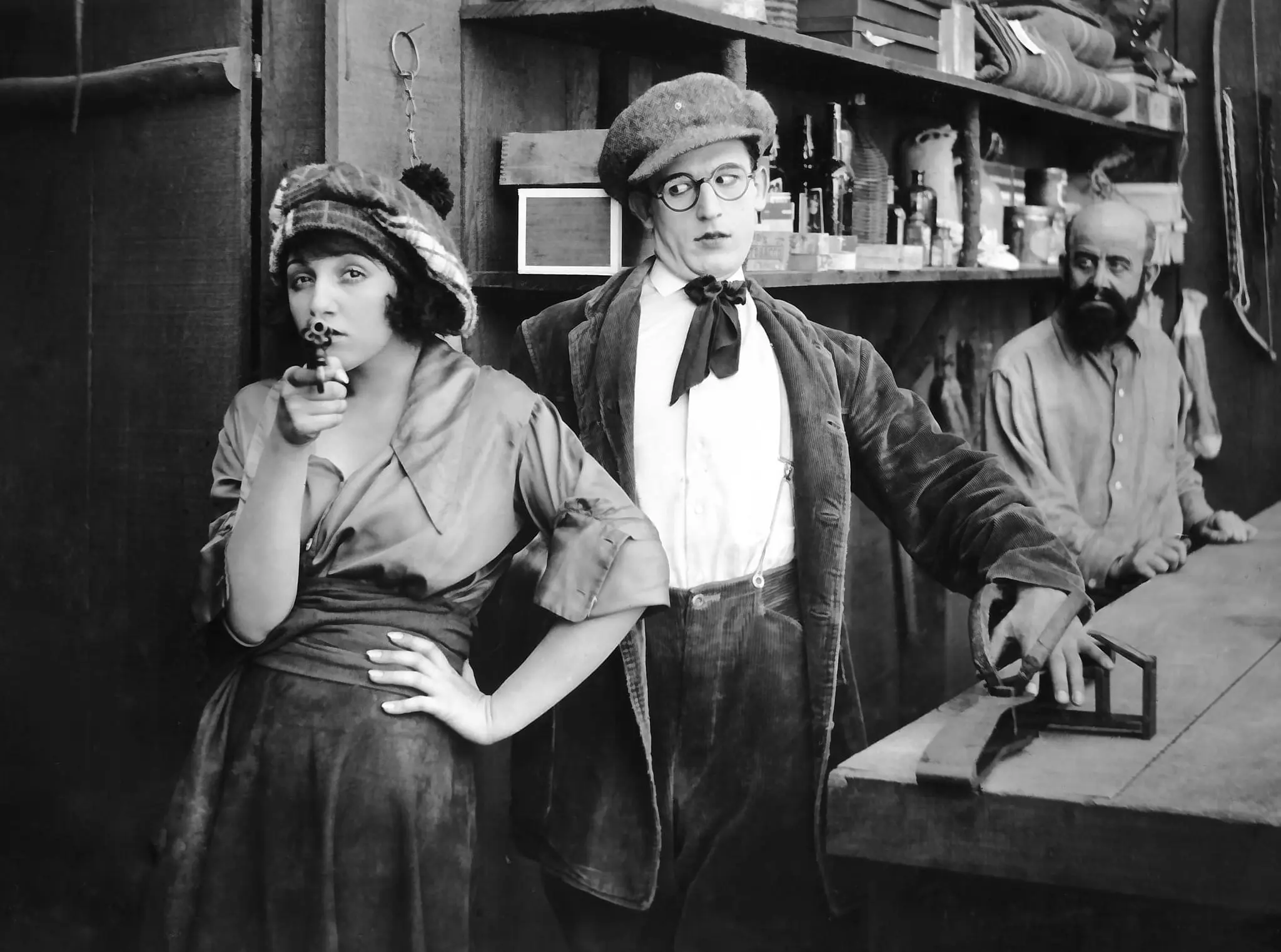
Unlike conventional antagonists that dominate the screen, the bears in "Back to the Woods" remain largely unseen, their presence implied through rustling foliage, ominous footprints, and the occasional shadow. This choice amplifies suspense; the audience’s imagination fills the void, mirroring Harold’s own projections of danger. The bears function as metaphoric specters—embodiments of the untamed forces that render human ambition laughably small.
The film’s most celebrated sequence unfolds within the cramped cabin. As a bear breaches the door, chaos erupts: Harold flails, the valet scrambles, and props tumble in a choreography reminiscent of the frantic energy in Uneasy Money. The timing is impeccable; each pratfall lands just before the next beat, creating a rhythm that feels both spontaneous and meticulously crafted.
Lloyd’s use of space is particularly noteworthy. He exploits the cabin’s limited dimensions to magnify the absurdity, turning narrow doorways into launch pads for slapstick acrobatics. The bear’s unseen bulk forces Harold to improvise, leading to a series of inventive escapes that showcase Lloyd’s physical dexterity—leaps, duck‑dives, and a memorable moment where he slides under a table only to emerge, disheveled, on the opposite side.
In under ten minutes, the film delivers a complete arc: introduction of a hubristic protagonist, inciting incident (the bears’ pursuit), escalating mishaps, climax (the cabin showdown), and a denouement that leaves Harold wandering, humbled. This concision is a testament to early cinema’s ability to distill narrative without sacrificing depth. The film’s brevity also forces each frame to serve multiple functions—advancing plot, delivering humor, and reinforcing thematic undercurrents.
While "Back to the Woods" may lack the grand set pieces of later Lloyd masterpieces like "Safety Last!", it foreshadows his recurring obsession with the ‘everyman versus environment’ trope. The motif of a city‑slicker confronting a hostile landscape recurs in later works, but here it is distilled to its purest form: a single bear, a solitary cabin, and the protagonist’s inflated ego.
In contrast, the comedic cadence of Deuce Duncan leans heavily on dialogue cards, whereas Lloyd’s silent approach forces reliance on visual storytelling—a discipline that sharpens the film’s impact.
Beyond its surface hilarity, the short interrogates the myth of conquest. Harold’s imagined hunt becomes a satire of colonial bravado; his failure to actually encounter the bears underscores the futility of imposing human narratives onto nature. The valet’s accidental encounter with the animal that devours his lunch basket serves as a comic reminder that the wilderness operates on its own terms, indifferent to social hierarchy.
The film’s closing image—Harold, disheveled, staring into the distance—offers a subtle commentary on humility. The wilderness has stripped him of his pretensions, leaving a man who, for once, appears genuinely contemplative.
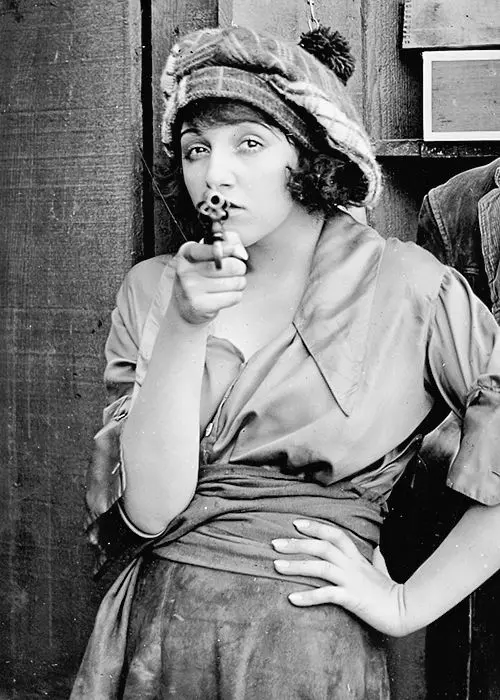
The editing, though brisk, maintains continuity, allowing the audience to follow the rapid succession of gags without disorientation. Intertitles are sparingly used, letting the visual narrative dominate. The accompanying musical score—typically performed live in theaters—would have employed a mix of jaunty ragtime for the comedic moments and low, ominous strings during the bear’s unseen approach, heightening tension without dialogue.
Although "Back to the Woods" is not as widely cited as Lloyd’s later features, its influence reverberates in the slapstick genre. The technique of an unseen threat driving physical comedy can be traced forward to later works such as Buster Keaton’s "The General" and even modern animated shorts that rely on implied danger to amplify humor.
The film also contributes to the early 20th‑century discourse on wilderness as a narrative device, aligning with contemporaneous pieces like The Dream Lady, which similarly employ natural settings to explore internal conflicts.
"Back to the Woods" stands as a compact, expertly crafted showcase of Harold Lloyd’s early brilliance. Its deft blend of visual humor, thematic subtlety, and economical storytelling renders it a valuable study for scholars and enthusiasts alike. The film’s ability to convey a nuanced critique of hubris while delivering relentless laughs confirms Lloyd’s status as a foundational architect of cinematic comedy.
For anyone seeking to understand the evolution of slapstick or the interplay between man and myth in silent cinema, this short is an indispensable viewing experience.
IMDb 5.5
1936
Community
Log in to comment.