DbcultAccessing Vault...
Cult Review
Senior Film Conservator
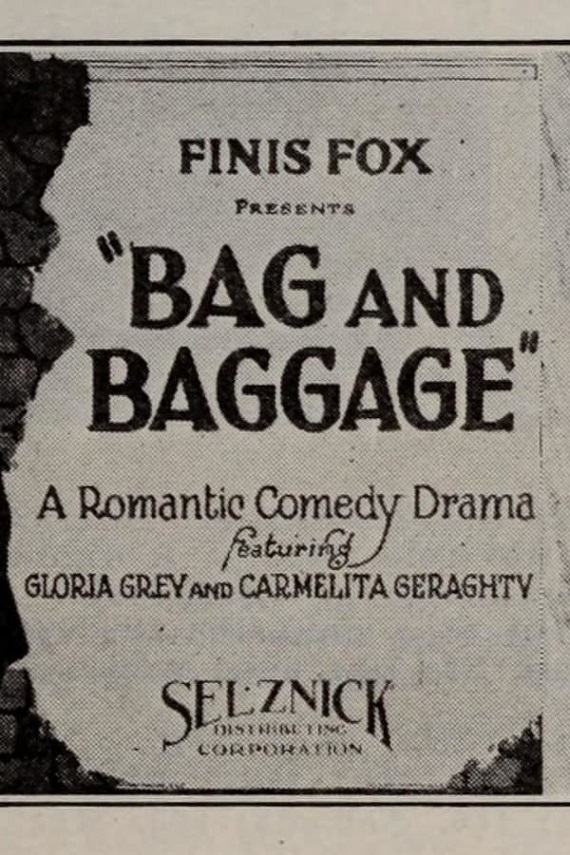
Stepping back into the silent era often feels like peering through a time capsule, and Bag and Baggage, a compelling feature from that bygone age, offers a particularly vivid glimpse into a world teetering on the cusp of modernity. Penned by the imaginative duo Finis Fox and Lois Zellner, this cinematic offering isn't merely a quaint relic; it's a briskly paced narrative that masterfully intertwines rural innocence with urban intrigue, a common yet perennially captivating theme of its time. The film deftly navigates the perilous journey of a country girl thrust into the bewildering complexities of city life, only to find herself embroiled in a high-stakes jewel theft through a twist of fate and a critical case of mistaken identity. It’s a testament to the enduring power of silent storytelling, where exaggerated expressions and physical comedy carried the weight of dialogue, drawing audiences into a narrative that, despite its age, still resonates with themes of vulnerability, cunning, and ultimate redemption.
At the heart of this intricate tapestry is Hope Anthony, portrayed with a poignant blend of naiveté and burgeoning resilience by Gloria Grey. Hope’s journey is emblematic of a prevalent societal shift during the early 20th century: the magnetic pull of the metropolis on those from agrarian backgrounds. She leaves behind the familiar tranquility of her country home, drawn by the siren song of urban promise and, more specifically, by the enigmatic allure of Hal Tracy, played by Paul Weigel. The city, however, is no pastoral idyll; it’s a sprawling, cacophonous entity teeming with both opportunity and peril. Hope’s initial wide-eyed wonder soon gives way to a more cautious apprehension as she grapples with the sheer scale and impersonality of her new surroundings. This immediate collision of worlds sets a compelling stage for the drama that unfolds, highlighting the vulnerability of innocence when exposed to the sharp edges of urban existence. One can draw parallels to other narratives exploring similar transitions, like the protagonist’s journey in Gossette, where a young woman’s rural sensibilities are tested against the sophisticated demands of city life, albeit with different narrative outcomes. The film effectively uses visual cues to emphasize this contrast, from the simple, unadorned costumes of Hope’s country past to the more elaborate, albeit slightly overwhelming, fashion of the city streets.
The true catalyst for the film's escalating tension and its central comedic-dramatic thrust is a brilliantly executed instance of mistaken identity. Jathrow Billings, a character brought to life with a delightful blend of menace and bumbling incompetence by Harry Dunkinson, is a seasoned pilferer with a recent, audacious score under his belt: a satchel brimming with precious jewels pilfered from the esteemed Mrs. Marian Cooper. In a stroke of narrative brilliance, Billings, in a moment of hurried escape and clouded judgment, inadvertently swaps his loot-filled satchel for Hope’s unassuming handbag. This seemingly innocuous exchange propels Hope from a mere bystander into the precarious position of an unwitting accomplice, holding the very evidence that could incriminate her. The film masterfully builds suspense around this central misunderstanding, creating a palpable sense of dread for Hope while simultaneously injecting moments of situational irony and dark humor. The audience is privy to the truth, observing Hope's oblivious possession of the jewels, which amplifies the dramatic tension as she narrowly avoids detection time and again. This narrative device, where an innocent party inadvertently holds the key to a major crime, is a classic trope, seen in various forms across cinematic history, sometimes even bordering on the farcical as in The Goat, but here it serves a more grounded, suspenseful purpose, anchoring the plot's twists and turns. The writers, Fox and Zellner, demonstrate a keen understanding of how to milk such a scenario for maximum dramatic effect without sacrificing the believability of the characters' reactions.
As Hope finds herself increasingly entangled in this web of deceit and criminal enterprise, it is Hal Tracy who emerges as her steadfast, albeit initially elusive, urban knight. Paul Weigel imbues Hal with an air of quiet determination and astute observation, making him the perfect foil to Hope's artless nature. Hal's journey is one of gradual revelation; he is not simply a romantic interest but the intellectual engine driving the resolution of the mystery. His perspicacity and street smarts are critical in unraveling the intricate skein of Billings’ crime and extricating Hope from the looming specter of incarceration. Their relationship, subtly developed through shared glances and gestures characteristic of silent film romance, becomes a beacon of hope amidst the urban chaos. Hal represents the benevolent side of city life, the protector who can navigate its treacherous currents. His role is not merely to rescue Hope physically but also to restore her faith in the possibility of a just and orderly existence within the city’s confines. This dynamic often echoes the protective figures found in films like The Lonely Woman, where a male protagonist acts as a guide and guardian in a world fraught with peril, albeit with different motivations and outcomes. The strength of Weigel’s performance lies in his ability to convey both concern and competence without uttering a single word, relying instead on his posture, facial expressions, and decisive actions.
The cinematic craftsmanship of Bag and Baggage is a testament to the ingenuity of silent era filmmaking. The director, though uncredited, along with writers Finis Fox and Lois Zellner, demonstrates a remarkable command of visual storytelling. The pacing is consistently brisk, eschewing languid scenes in favor of a narrative drive that propels the audience forward. Intertitles are deployed judiciously, providing essential dialogue and expository details without overwhelming the visual narrative. This economy of storytelling is a hallmark of effective silent cinema, demanding that every frame, every gesture, and every set piece contribute meaningfully to the plot. The cinematography, while perhaps not groundbreaking for its time, is efficient and clear, ensuring that the audience can follow the intricate movements of characters and the crucial details of the mistaken identity plot. The use of close-ups to emphasize emotional reactions, particularly Hope’s bewilderment and fear, is effective, drawing viewers into her internal turmoil. The sets, though likely studio-bound, evoke the distinct atmospheres of both the bustling city and the more intimate interiors, from Mrs. Cooper's opulent residence to the less glamorous settings where Hope finds herself. The performances, particularly Gloria Grey's Hope, are characterized by the expressive physicality that defined acting in the silent period. Grey conveys a wide range of emotions, from wide-eyed optimism to profound distress, through her posture, gait, and facial contortions. Similarly, Paul Weigel’s Hal Tracy projects an aura of dependable masculinity through his measured movements and determined gaze. Harry Dunkinson’s Jathrow Billings, with his villainous yet somewhat comical demeanor, adds a layer of theatricality that was often celebrated in silent film antagonists. The overall effect is a coherent and engaging cinematic experience that, despite its lack of spoken dialogue, communicates its story with remarkable clarity and emotional depth.
Beyond its thrilling plot, Bag and Baggage offers a fascinating glimpse into the socio-cultural anxieties and aspirations of its era. The transition from rural to urban life was a profound experience for many Americans in the early 20th century, and the film taps into both the promise and the peril associated with this migration. The city is presented as a place of opportunity, but also of moral ambiguity and potential corruption, a theme explored in numerous works of the period, from literature to other films like The Whirlpool, which similarly delves into the moral quagmire that metropolitan life could represent for the unwary. Hope Anthony's vulnerability highlights the precarious position of young women venturing into independent lives in a rapidly changing society. Her initial trust and subsequent confusion underscore the challenges faced by those unaccustomed to the city's more cynical rhythms. The film also subtly addresses class disparities, contrasting Mrs. Cooper’s evident wealth, which makes her a target, with Hope’s humble origins. The jewels themselves become a symbol of both avarice and desire, their pursuit driving the narrative forward. Finis Fox and Lois Zellner’s screenplay, therefore, is more than just a crime caper; it's a social commentary wrapped in an entertaining package, reflecting the broader societal dialogues concerning progress, morality, and the individual's place within an increasingly complex world. The film’s resolution, where Hal Tracy’s ingenuity brings about justice, reinforces a sense of order and perhaps a comforting ideal that even in the chaos of the city, decency and intelligence can prevail against criminal intent. This sense of inherent justice, often delivered by a morally upright protagonist, was a common and reassuring motif in many films of the period, providing a moral compass for audiences grappling with rapid social change.
The enduring appeal of Bag and Baggage lies in its timeless narrative elements and its efficient execution. It’s a classic tale of innocence imperiled and ultimately vindicated, told with a narrative economy that many contemporary films could learn from. The dynamic between Hope and Hal, the thrill of the chase, and the clever resolution of the mistaken identity plot contribute to a thoroughly engaging experience. While it may lack the grandiosity or profound philosophical depth of some of its silent contemporaries, its strength lies in its accessibility and its ability to entertain on a fundamental level. It reminds us that good storytelling transcends the medium and the era. For those interested in the evolution of the crime genre, or simply curious about the capabilities of silent cinema to deliver compelling thrillers, this film is an excellent case study. It stands alongside other well-crafted genre pieces of the era, such as Within the Law, which also masterfully explores themes of crime, justice, and the complexities of legal systems, albeit from a different angle. The performances remain captivating, particularly Gloria Grey’s ability to convey a gamut of emotions without spoken dialogue, a true art form. Finis Fox and Lois Zellner’s contribution as writers is evident in the tightly wound plot and well-developed character arcs, ensuring that every plot point feels earned and every emotional beat resonates. Ultimately, Bag and Baggage is far more than a historical curiosity; it is a vibrant, engaging piece of cinematic history that still holds its own as a delightful and suspenseful watch, proving that some stories, and the way they are told, never truly go out of style. Its legacy is not in breaking new ground visually, but in perfecting a formula that continues to captivate audiences: the ordinary person caught in extraordinary circumstances, navigating a world where a simple handbag can hold the key to both freedom and incarceration. It’s a testament to the fact that even without a single spoken word, a film can deliver a powerful, coherent, and utterly thrilling narrative, leaving a lasting impression long after the final reel has spun.
IMDb —
1921
Community
Log in to comment.