DbcultAccessing Vault...
7.1/10
Senior Film Conservator
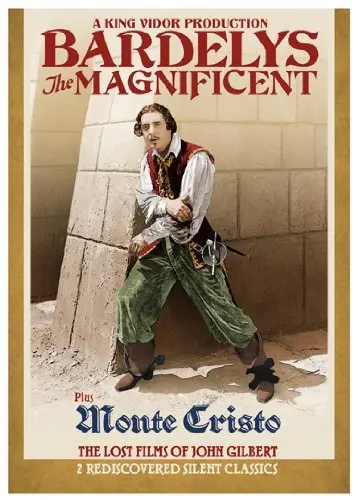
A definitive 7.1/10 rating for a film that redefined the boundaries of cult cinema. Bardelys the Magnificent remains a cornerstone of transgressive art.
Short answer: Yes, but it's a film that's best enjoyed with a more forgiving eye for the conventions of early 20th-century cinema. Bardelys the Magnificent is a film that works because of its engaging storyline, the charisma of John Gilbert as the titular character, and the lush, period-appropriate settings. However, it fails because its narrative often feels predictably melodramatic and its production design can be a bit heavy-handed at times.
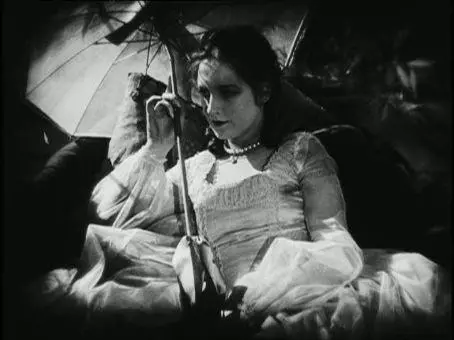
Despite these shortcomings, you should watch it if you're a fan of early 20th-century cinema, particularly the work of John Gilbert or those interested in the evolution of Hollywood in the 1930s. This film is a window into a different era of storytelling and filmmaking techniques.
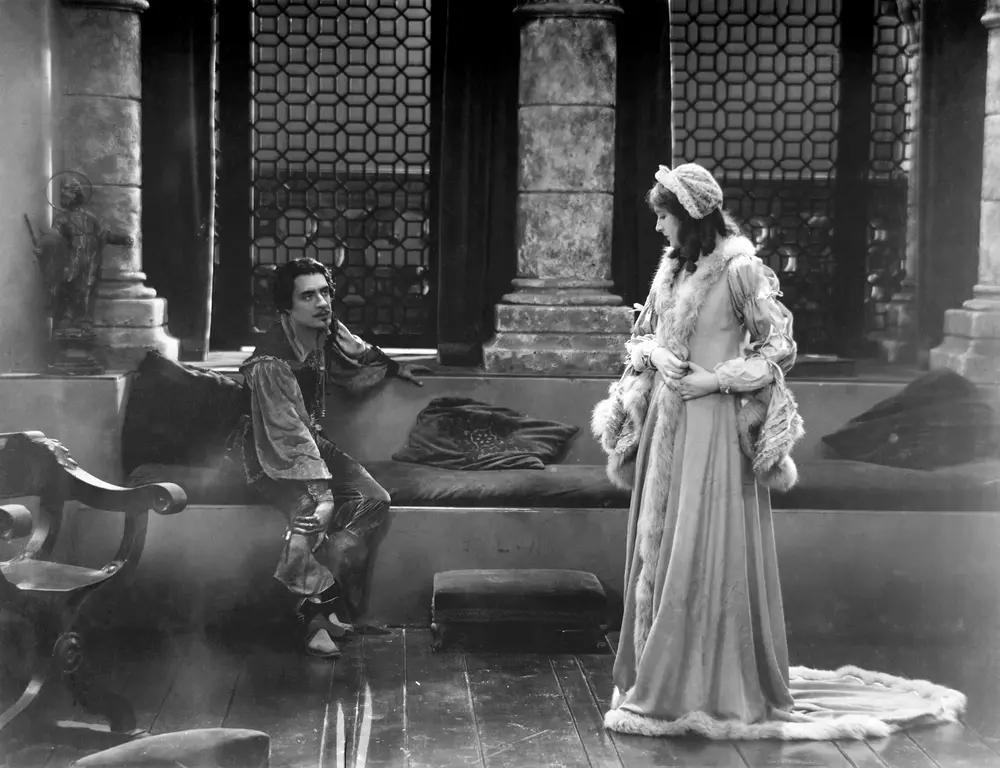
John Gilbert's portrayal of Marquis de Bardelys is the film's standout feature. His on-screen persona, known for its charisma and magnetic charm, is perfectly suited to the role. Gilbert's performance is a testament to the high standards of acting in early classic cinema, and his chemistry with co-star Emily Fitzroy, as Roxalanne de Lavedan, is palpable. The film's romance is a whirlwind of passion and drama, with Gilbert's Bardelys charming his way into Roxalanne's heart amidst the backdrop of a regal but morally ambiguous France.
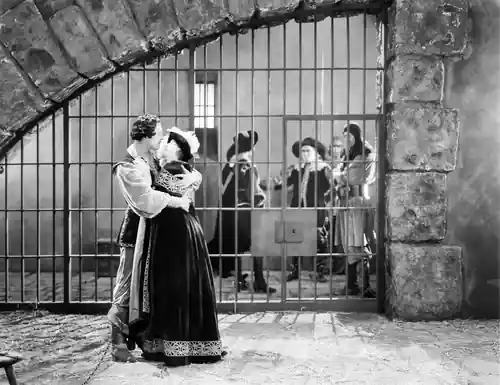
Director John Ford's work on Bardelys the Magnificent is notable for its attention to period detail. The film's settings are meticulously crafted, from the opulent royal court to the more austere interiors of the nobility, each location vividly depicted with care. The cinematography, particularly in the outdoor scenes, captures the grandeur of the 17th-century French landscape, providing a visual feast for the audience. The narrative is peppered with moments of tension, as Bardelys navigates the treacherous waters of court politics and personal vendettas, all while pursuing Roxalanne's affections.
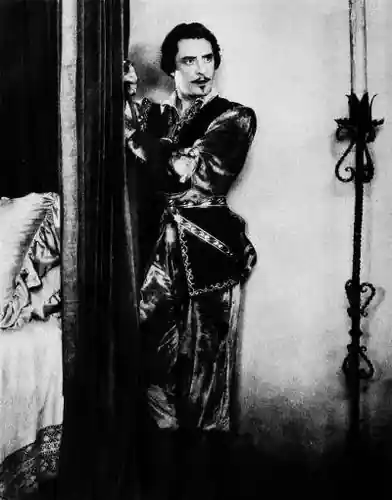
The film's plot, while predictable, is executed with a level of sophistication that elevates it above its contemporaries. The love story between Bardelys and Roxalanne is a central element, with their relationship evolving from initial intrigue to a more profound emotional connection. However, the film's narrative often feels like a series of set pieces rather than a continuous, cohesive story. The pacing can be uneven at times, with moments of dramatic tension followed by stretches that feel a bit forced. Nevertheless, the performances and the setting more than compensate for these minor flaws.
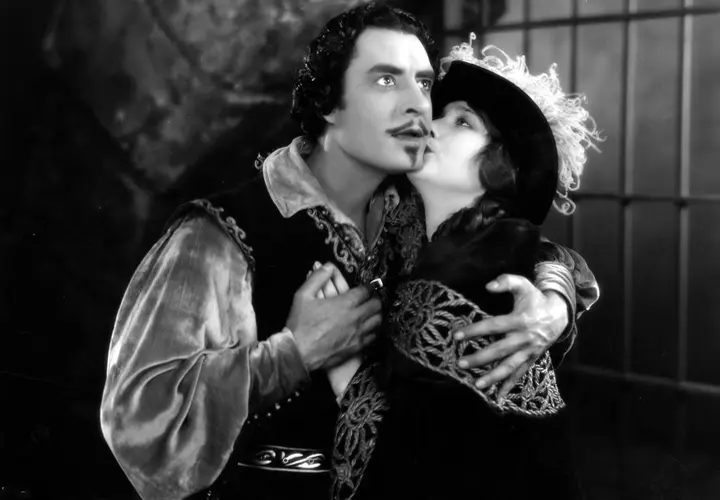
It works. But it’s flawed. Bardelys the Magnificent is a film that, while not a masterpiece, is a compelling and entertaining piece of early Hollywood cinema. Its greatest strength lies in the performances and the lush, period-appropriate settings. However, its narrative often feels overly melodramatic, and its pacing can be uneven. For film buffs, this film is a must-see, but for a broader audience, it may require a bit more patience and a willingness to embrace the conventions of its era.
Despite its flaws, Bardelys the Magnificent is a film that works, offering a richly textured piece of early 20th-century cinema. It's a film that's best enjoyed with a more forgiving eye for the conventions of its time. For those who appreciate the evolution of Hollywood and the performances of early stars, this film is a must-see. However, for those seeking a more nuanced or critically acclaimed film, it may be best to explore other options. Nonetheless, the film's charm and the performances of John Gilbert and Emily Fitzroy make it a worthwhile experience for any film buff.
IMDb —
1917
Community
Log in to comment.