DbcultAccessing Vault...
5.4/10
Senior Film Conservator
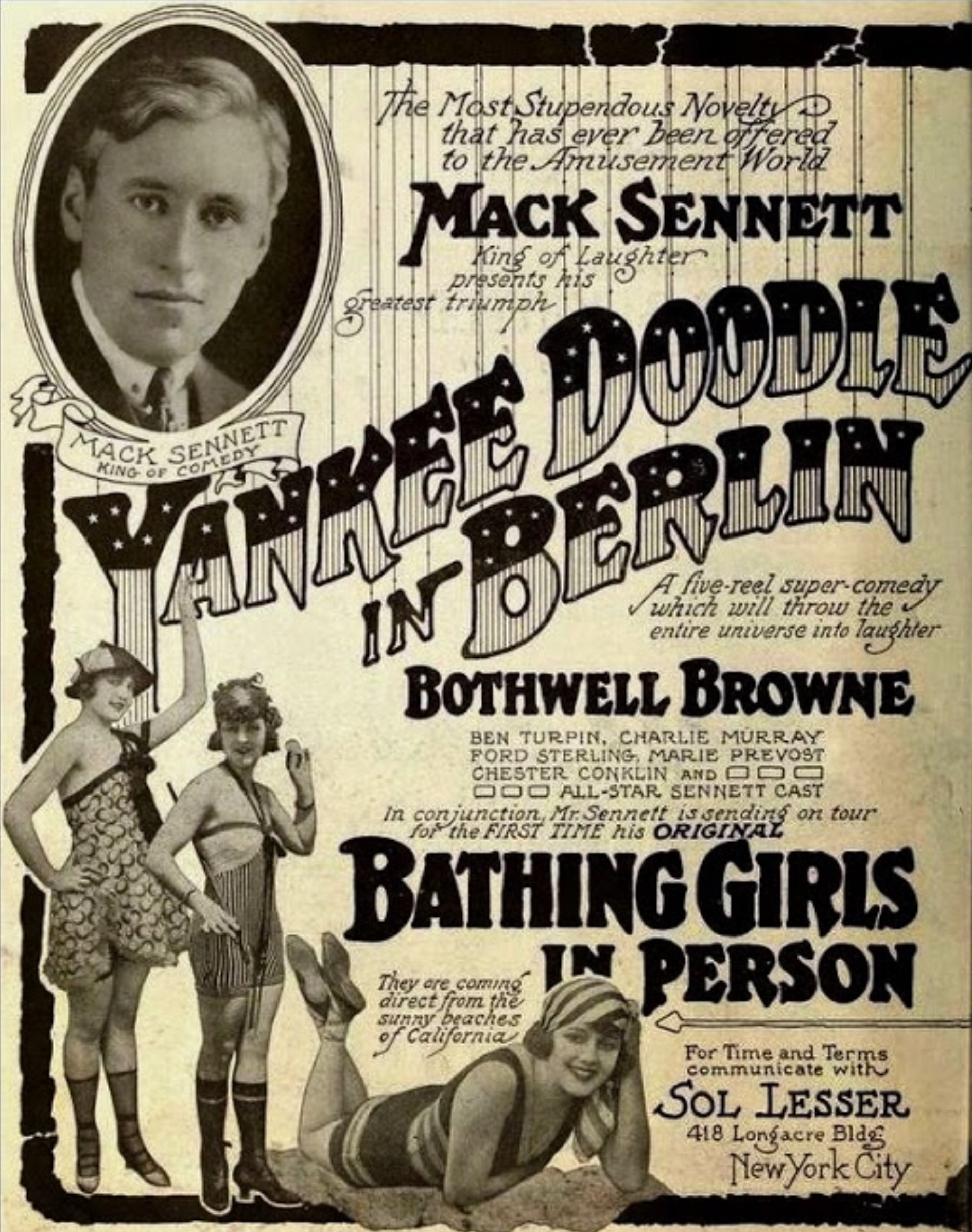
A definitive 5.4/10 rating for a film that redefined the boundaries of cult cinema. Yankee Doodle in Berlin remains a cornerstone of transgressive art.
Yankee Doodle in Berlin is a cinematic spectacle that whisks audiences away to the tumultuous landscape of World War I, where the lines between loyalty and deception are constantly blurred. Directed by Mack Sennett, this 1919 silent comedy masterfully weaves a tale of espionage, intrigue, and audacious adventure, as Captain Bob White embarks on a perilous mission to infiltrate the German High Command.
At the heart of the film lies White's ingenious plan to disguise himself as a woman, thereby gaining the trust of the Kaiser and his inner circle. As White navigates the treacherous landscape of enemy lines, his exploits become increasingly daring, testing the limits of his ingenuity and the boundaries of his disguise. With each new challenge, White's character is revealed through his quick wit and cunning, as he leverages his feminine persona to extract crucial information and manipulate those around him.
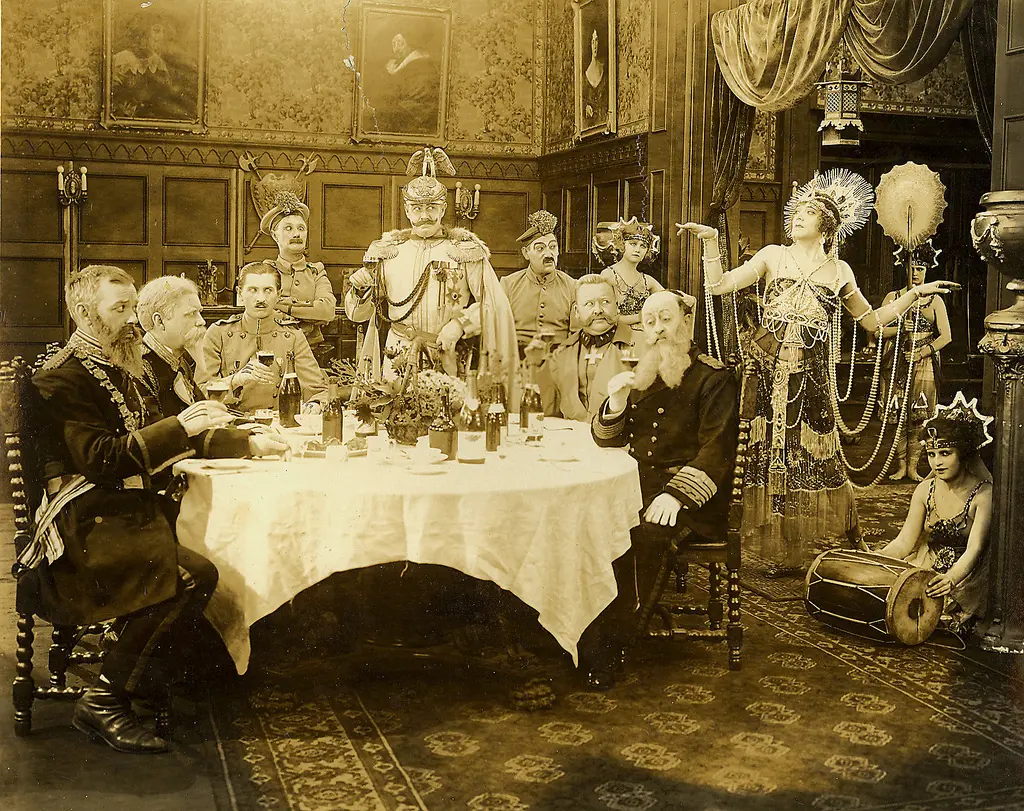
The film's supporting cast, including Myrtle Lind, Heinie Conklin, and Eva Thatcher, add depth and complexity to the narrative, their characters' motivations and desires expertly woven into the fabric of the story. As the plot unfolds, the audience is treated to a kaleidoscope of emotions, from the tension of White's narrow escapes to the humor of his comedic misadventures.
In comparison to other films of the era, such as The Hidden Spring and The Intrigue, Yankee Doodle in Berlin stands out for its unique blend of action, comedy, and drama. While films like Little Miss Grown-Up and Redemption focus on more traditional narrative structures, Yankee Doodle in Berlin thrives on its unpredictability and creative plot twists.
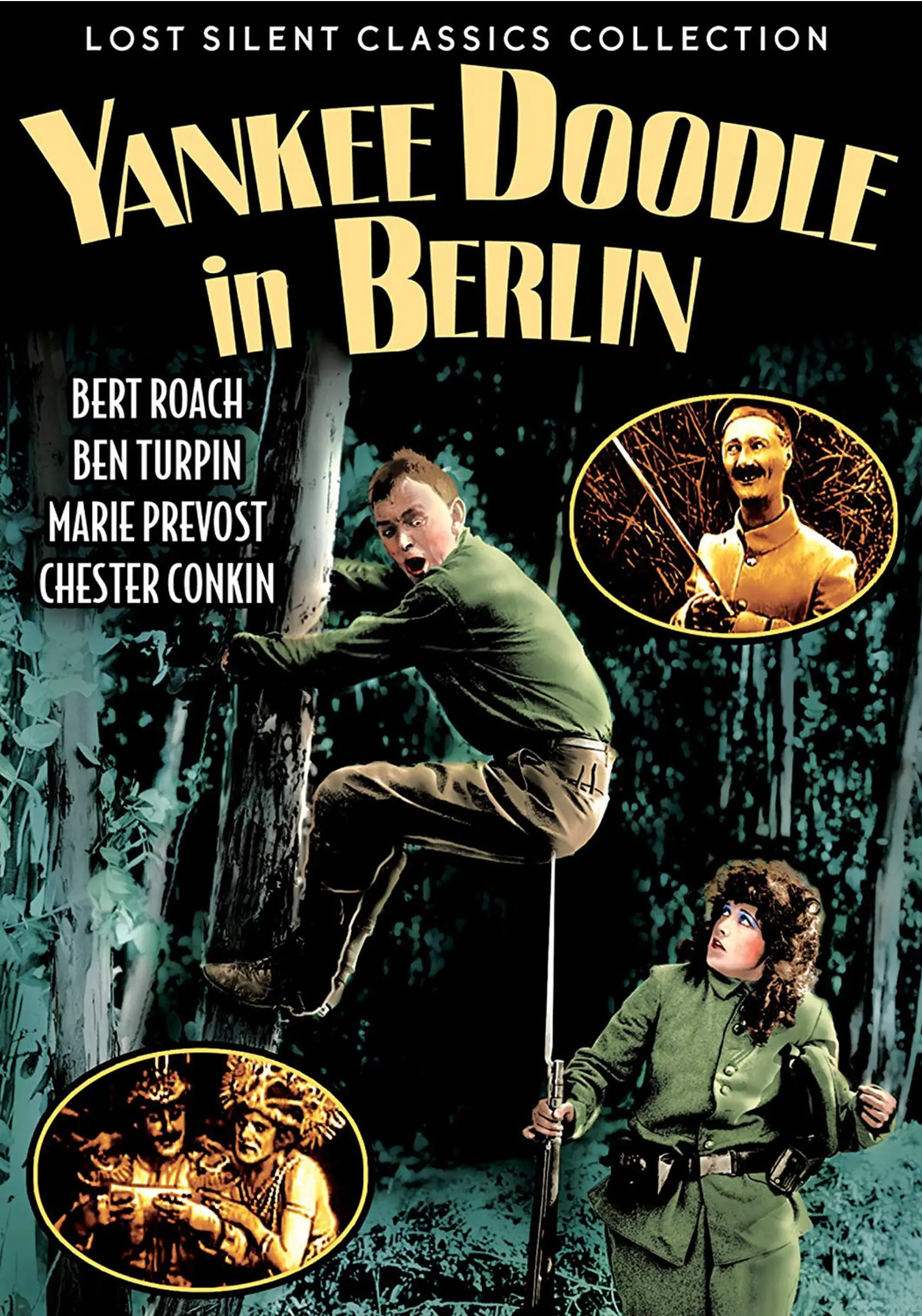
The film's technical aspects are also noteworthy, with Mack Sennett's direction bringing a sense of energy and momentum to the narrative. The cinematography is similarly impressive, with a range of camera angles and lighting techniques that add to the film's visual appeal. When compared to other films of the era, such as The Call of the Child and The Mail Order Wife, Yankee Doodle in Berlin demonstrates a higher level of technical sophistication, with a greater emphasis on storytelling and character development.
In addition to its technical merits, Yankee Doodle in Berlin is also notable for its cultural significance, offering a unique glimpse into the social attitudes and values of the time. As a product of its era, the film reflects the patriotism and nationalism that characterized the WWI period, while also subverting certain gender norms and social conventions. In this regard, Yankee Doodle in Berlin can be seen as a precursor to later films, such as The Wildcat of Paris and Magdalene, which also explored themes of identity and social change.
The film's legacy can also be seen in its influence on later comedies, such as Het geheim van het slot arco and Gloria's Romance. These films, while differing in terms of their narrative structures and comedic styles, all share a common thread with Yankee Doodle in Berlin in their use of humor and satire to comment on the social issues of their time. As such, Yankee Doodle in Berlin can be seen as a pioneering work in the comedy genre, one that has stood the test of time and continues to delight audiences with its unique blend of humor and adventure.
In conclusion, Yankee Doodle in Berlin is a remarkable film that continues to captivate audiences with its unique blend of action, comedy, and drama. With its richly detailed sets, memorable characters, and expertly crafted narrative, this silent comedy classic is a must-see for film enthusiasts and history buffs alike. Whether viewed as a product of its time or as a timeless classic, Yankee Doodle in Berlin is a film that will continue to delight and entertain audiences for generations to come.
IMDb —
1932
Community
Log in to comment.