DbcultAccessing Vault...
7/10
Senior Film Conservator
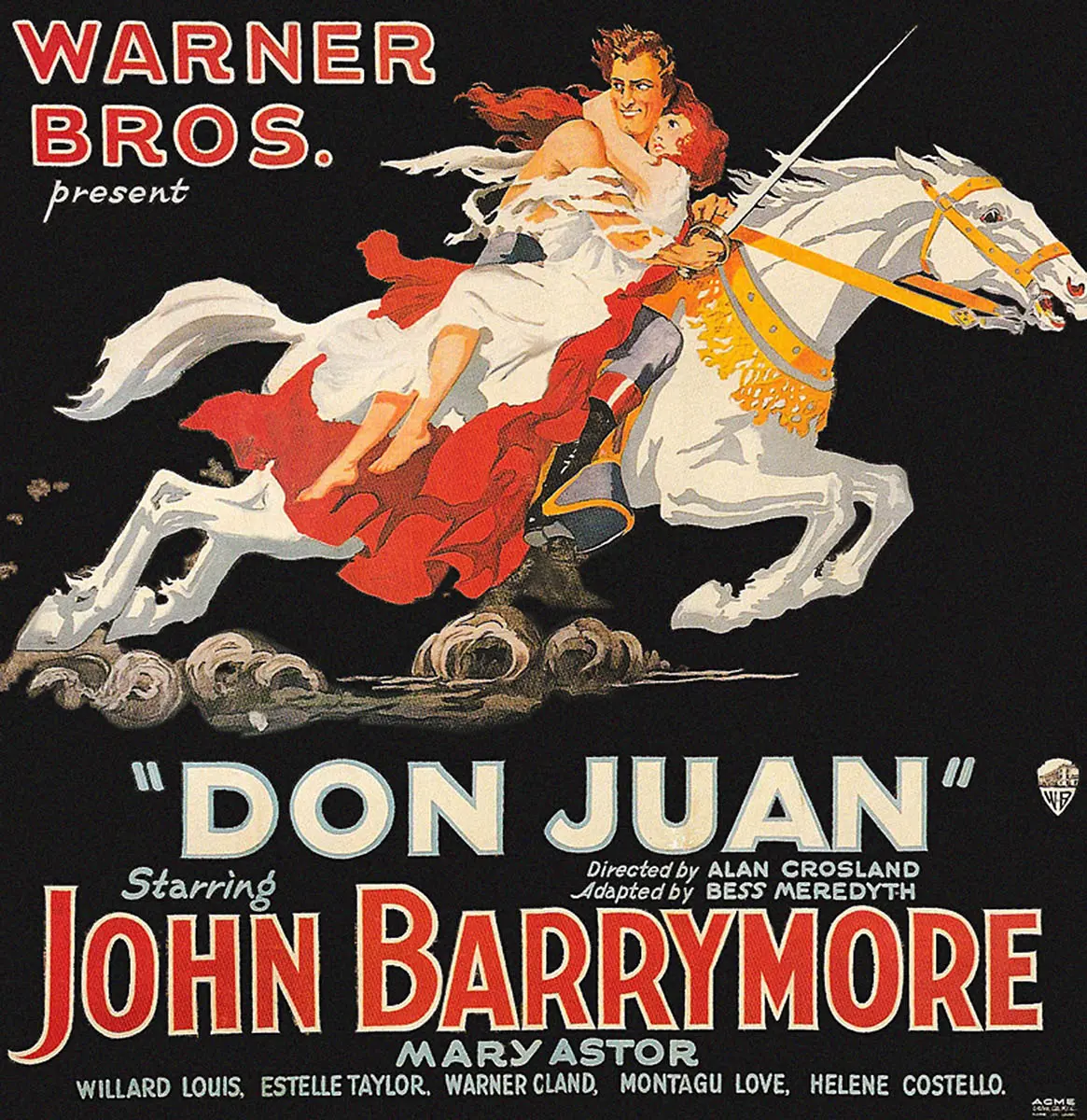
A definitive 7/10 rating for a film that redefined the boundaries of cult cinema. Don Juan remains a cornerstone of transgressive art.
Short answer: Yes, but it’s not perfect. 'Don Juan' (1926) is a biographical drama that captures the essence of the legendary playboy and his interactions with the powerful Borgias. While it's not a cinematic masterpiece, it offers a glimpse into early 20th-century filmmaking and features a strong cast. It’s a film worth watching for its historical context and acting, but only if you’re willing to overlook its pacing issues and outdated production style.
The acting in 'Don Juan' is top-notch. Myrna Loy and Hedda Hopper deliver performances that are both nuanced and captivating, bringing life to their characters. The film also benefits from the presence of John Barrymore, a prolific actor known for his versatility. His portrayal of Don Juan is particularly noteworthy, capturing the character's charisma and charm. The supporting cast, including June Marlowe and Jane Winton, also contribute to the film's overall quality.
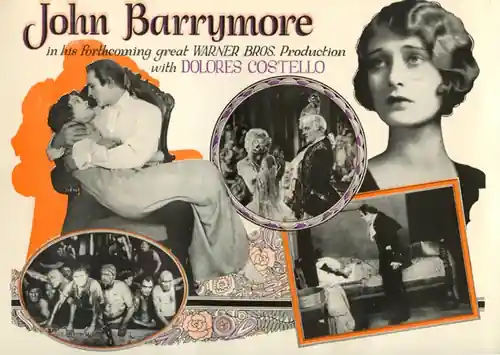
The pacing and structure of 'Don Juan' suffer from its age. The film moves at a slow and deliberate pace, which can be tedious for modern audiences. Additionally, the narrative structure is somewhat disjointed, making it difficult to follow at times. The film’s historical setting is not fully exploited, and the political intrigue of the Borgias is not as engaging as it could be. The script, despite its literary basis, feels somewhat outdated and lacks the fluidity and depth of contemporary writing.
You are a fan of early 20th-century filmmaking, or you are interested in historical dramas set in 16th-century Italy. The film offers a unique perspective on the era and features a strong cast, particularly Myrna Loy and John Barrymore. However, if you prefer more polished and streamlined storytelling, you might find 'Don Juan' to be a bit of a slog.
Short answer: Yes, but it’s not perfect. 'Don Juan' (1926) is a biographical drama that captures the essence of the legendary playboy and his interactions with the powerful Borgias. While it's not a cinematic masterpiece, it offers a glimpse into early 20th-century filmmaking and features a strong cast. It’s a film worth watching for its historical context and acting, but only if you’re willing to overlook its pacing issues and outdated production style.
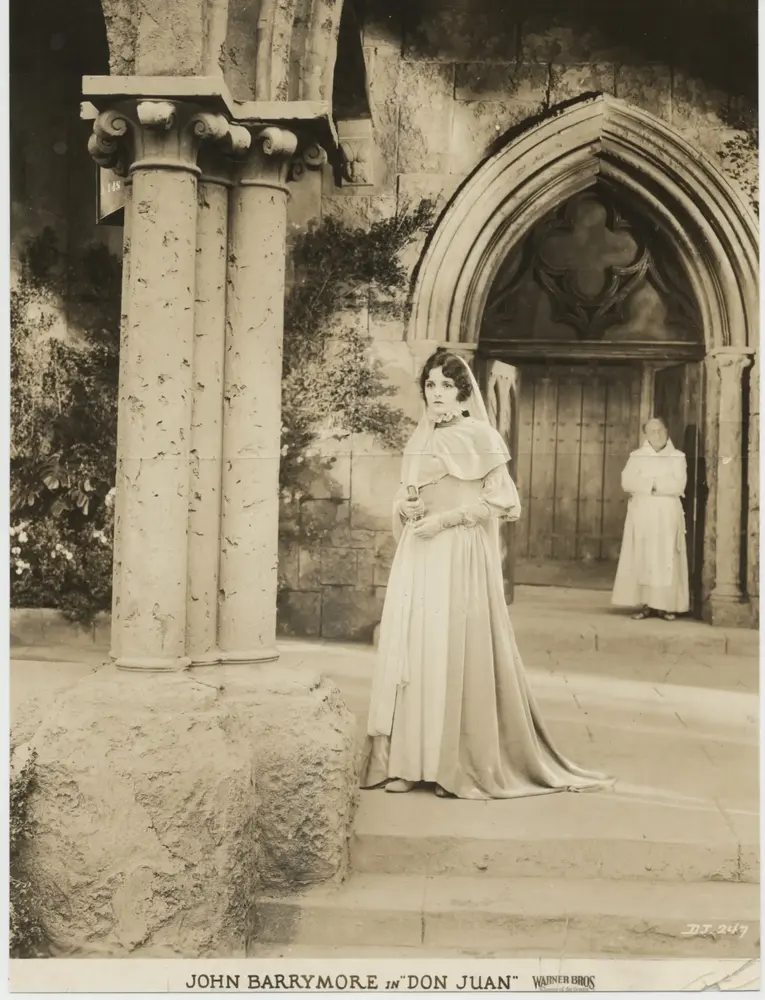
'Don Juan' (1926) is set in 16th-century Italy, a period of political and social upheaval. The film's narrative is a blend of historical intrigue and romantic escapism. The Borgias, a powerful and corrupt family, are central to the plot, adding a layer of political tension to the story. Don Juan, a devil-may-care playboy, runs afoul of their power and must navigate the treacherous landscape of the time. The film's setting is meticulously recreated, with stunning costumes and sets that transport the viewer to another era.
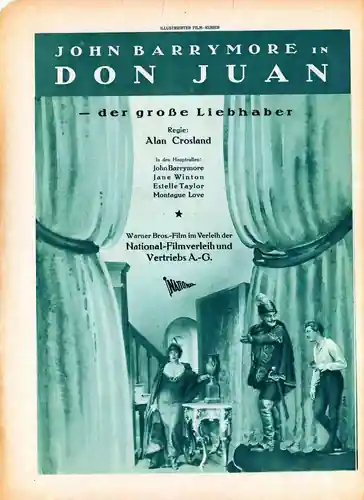
John Barrymore delivers a standout performance as Don Juan. His charisma and charm are palpable, making the character's seductive and rebellious nature compelling. Myrna Loy and Hedda Hopper also shine in their roles. Loy's portrayal of the enigmatic and powerful Isabella is nuanced and captivating, while Hopper's character adds a subtle layer of complexity to the narrative. The supporting cast, including June Marlowe and Jane Winton, also contribute to the film's overall quality, adding depth to the story.
Directed by John Barrymore, the film benefits from his experience and vision. The pacing is deliberate, which can be both a strength and a weakness. The film's scenes are richly detailed, with a focus on visual storytelling. The cinematography is beautiful, with sweeping shots of the Italian landscape and intricate close-ups that capture the emotional nuances of the characters. However, the pacing can be slow, and the film's historical setting is not fully exploited. The script, despite its literary basis, feels somewhat outdated and lacks the fluidity and depth of contemporary writing.
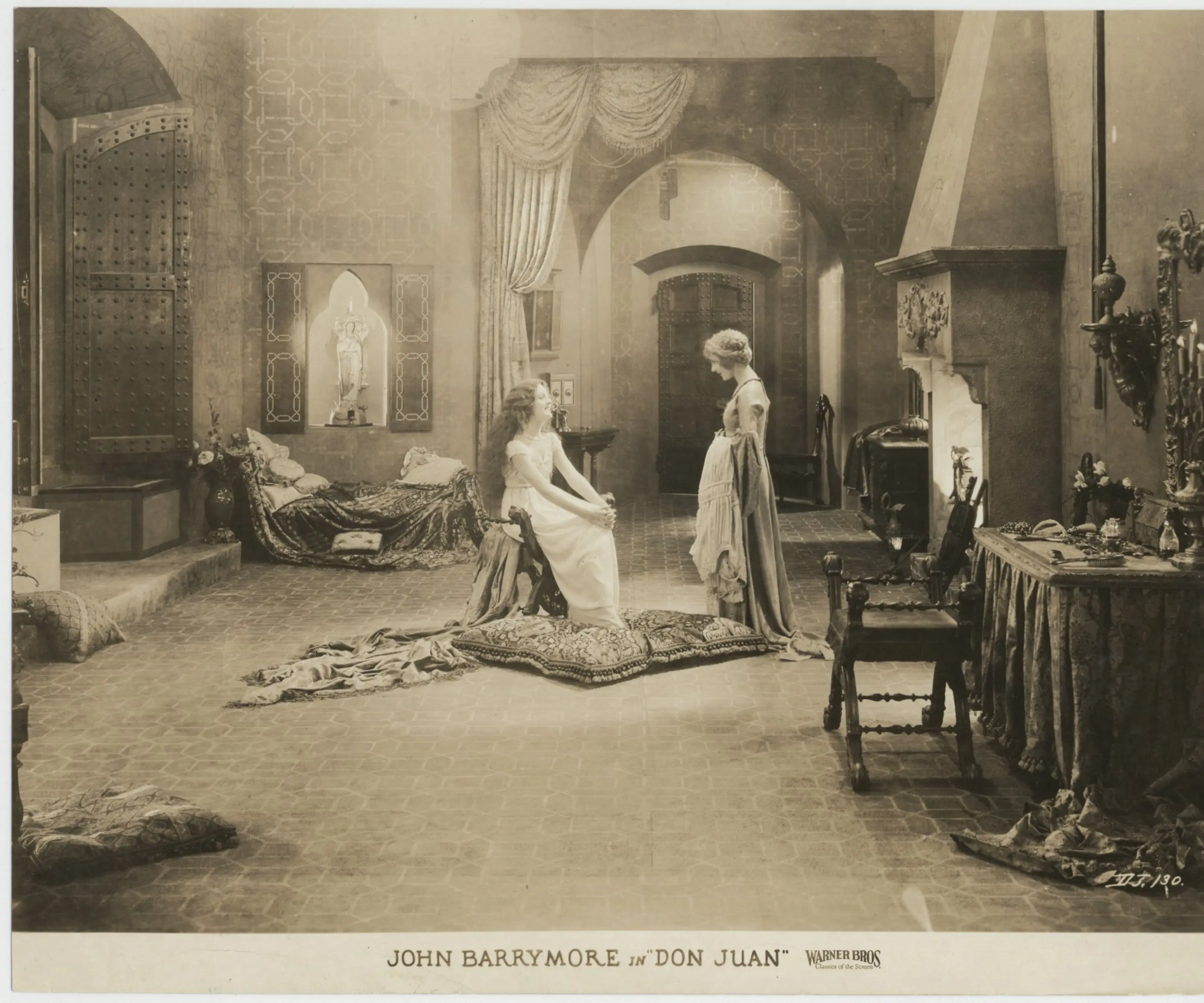
The pacing and structure of 'Don Juan' (1926) are its biggest flaw. The film moves at a slow and deliberate pace, which can be tedious for modern audiences. Additionally, the narrative structure is somewhat disjointed, making it difficult to follow at times. The film’s historical setting is not fully exploited, and the political intrigue of the Borgias is not as engaging as it could be. The script, despite its literary basis, feels somewhat outdated and lacks the fluidity and depth of contemporary writing.
The film explores themes of power, corruption, and the human condition. The character of Don Juan is a complex figure, a symbol of rebellion and seduction. His interactions with the Borgias are a central part of the narrative, adding a layer of political tension to the story. The tone of the film is a blend of historical intrigue and romantic escapism. The film's visual style is stunning, with a focus on visual storytelling. However, the script, despite its literary basis, feels somewhat outdated and lacks the fluidity and depth of contemporary writing.
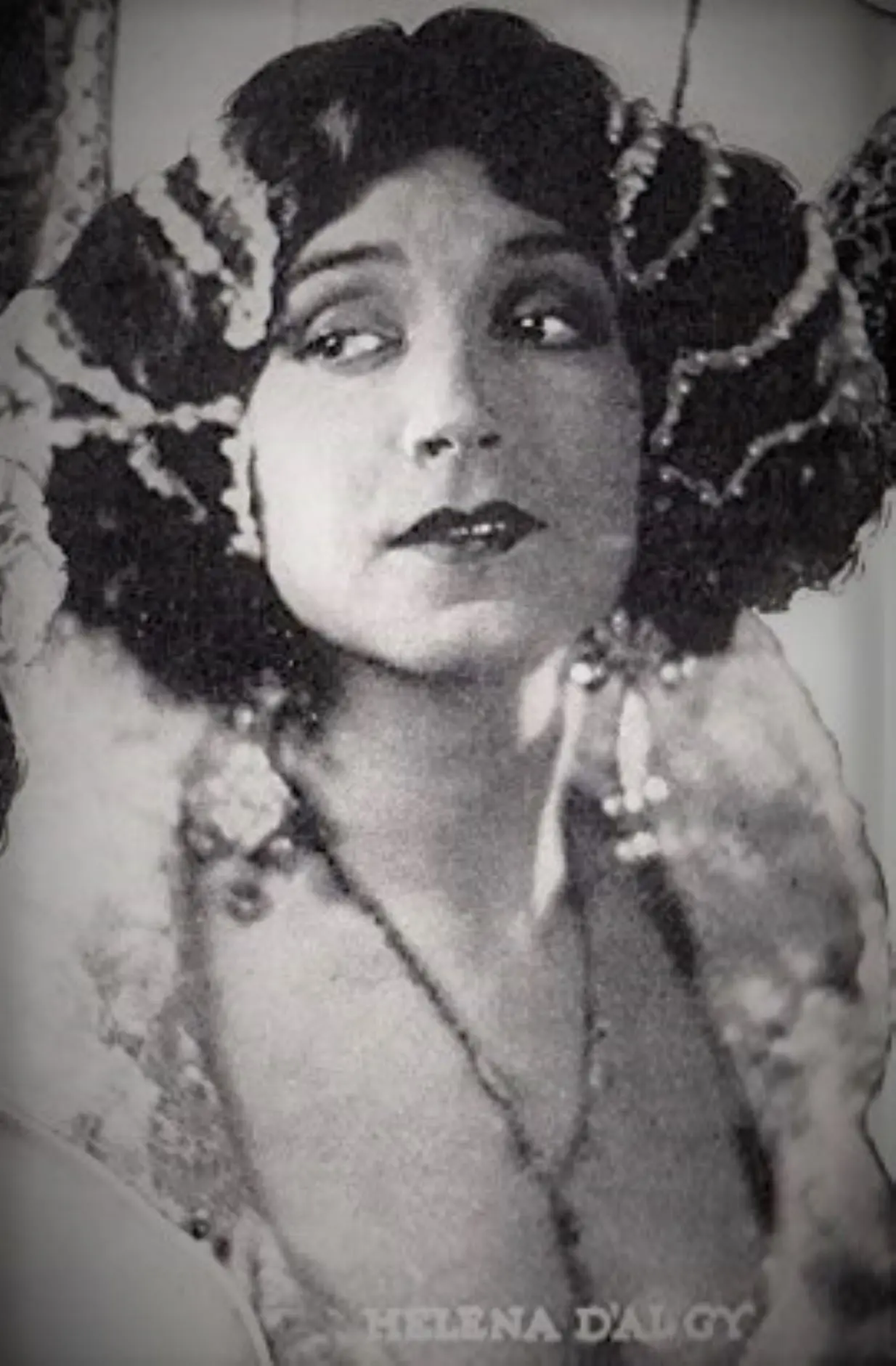
Short answer: Yes, but it’s not perfect. 'Don Juan' (1926) is a biographical drama that captures the essence of the legendary playboy and his interactions with the powerful Borgias. While it's not a cinematic masterpiece, it offers a glimpse into early 20th-century filmmaking and features a strong cast. It’s a film worth watching for its historical context and acting, but only if you’re willing to overlook its pacing issues and outdated production style.
In conclusion, 'Don Juan' (1926) is a film worth watching for its historical context and acting, but only if you’re willing to overlook its pacing issues and outdated production style. It works, but it’s flawed. The film offers a unique perspective on the era and features a strong cast, particularly Myrna Loy and John Barrymore. However, if you prefer more polished and streamlined storytelling, you might find 'Don Juan' to be a bit of a slog. Overall, it’s a film that offers a glimpse into early 20th-century filmmaking and is worth watching for its historical context and acting, but only if you’re willing to overlook its pacing issues and outdated production style.
IMDb —
1918
Community
Log in to comment.