DbcultAccessing Vault...
6.6/10
Senior Film Conservator
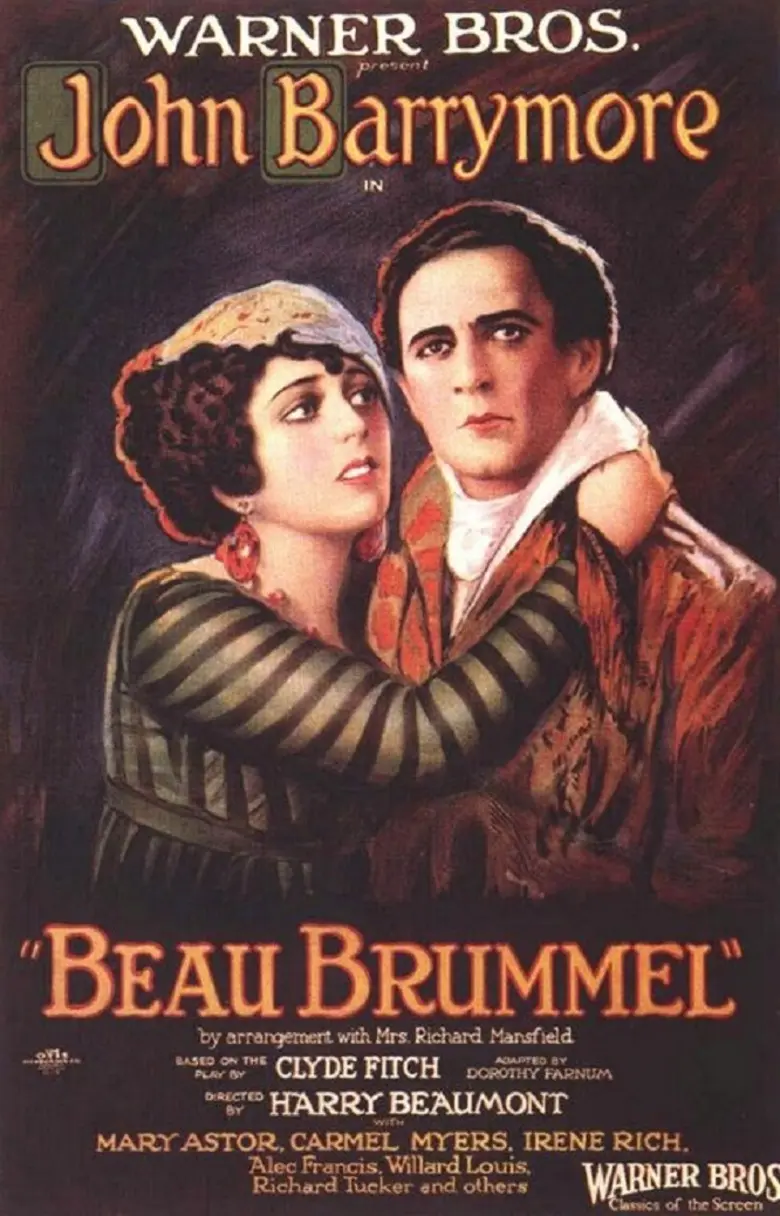
A definitive 6.6/10 rating for a film that redefined the boundaries of cult cinema. Beau Brummel remains a cornerstone of transgressive art.
The 1924 film Beau Brummel is a captivating tale of love, fashion, and betrayal, set against the backdrop of 19th-century British society. Directed by Harry Beaumont, the film tells the story of George Bryan Brummel, a dashing military officer, played by the inimitable John Barrymore, who becomes embroiled in a tumultuous love affair with the enchanting Lady Margery, portrayed by the talented Mary Astor.

As the story unfolds, Lady Margery, despite her ardent love for Brummel, succumbs to the pressures of her family and marries the affluent Lord Alvanley, played by William Humphrey. A heartbroken Brummel, unable to cope with the loss of his beloved, plunges into a life of unbridled revelry, befriending the Prince of Wales, played by Alec B. Francis, and eventually becoming the most renowned rake and arbiter of fashion in Europe.
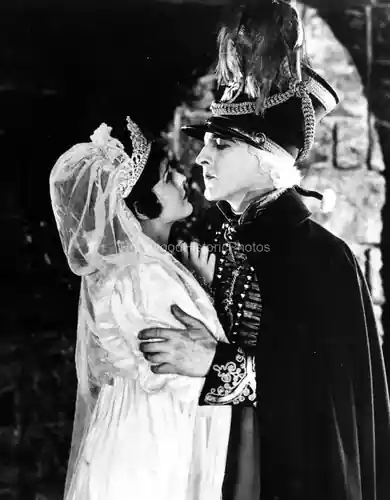
As Brummel's star rises, he finds himself at the epicenter of European high society, with his opinions on fashion and etiquette sought after by the aristocracy. However, his growing influence is soon marred by his increasing disdain for the Prince, who had previously been his benefactor. This precipitous fall from favor culminates in Brummel's downfall, and it is only the gentle Lady Margery who possesses the power to salvage his reputation.
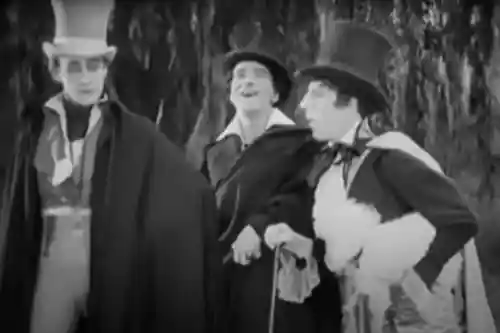
One of the most striking aspects of the film is its opulent costume design, which transports the viewer to the grandeur of 19th-century Europe. The intricate details and meticulous attention to period accuracy are a testament to the exceptional craftsmanship of the film's costume designers. The cinematography, too, is noteworthy, with the use of warm, golden lighting to evoke the sense of a bygone era.

The film's themes of love, betrayal, and redemption are timeless and universal, resonating deeply with audiences. The performances, too, are outstanding, with John Barrymore delivering a tour-de-force performance as the charismatic and flawed Brummel. Mary Astor, as Lady Margery, brings a sense of vulnerability and depth to her character, making her eventual heartbreak all the more poignant.

In comparison to other films of the era, such as The Foolish Age and Sunlight's Last Raid, Beau Brummel stands out for its nuanced exploration of the human condition. While films like Eve's Daughter and Cameo Kirby may have touched on similar themes, they lack the depth and complexity of Beau Brummel.
The film's historical context, too, is noteworthy, with the story set against the backdrop of the Napoleonic Wars. The social and cultural upheaval of the time is skillfully woven into the narrative, adding depth and richness to the story. The character of Brummel, in particular, is a product of his time, with his flamboyant personality and independent spirit reflecting the changing values of the era.
In conclusion, Beau Brummel is a masterpiece of cinematic storytelling, with its captivating tale of love, fashion, and betrayal continuing to enthrall audiences to this day. With its opulent costume design, outstanding performances, and nuanced exploration of the human condition, the film is a must-see for anyone interested in the art of cinema. Whether you are a fan of period dramas, historical epics, or simply great storytelling, Beau Brummel is a film that is sure to leave a lasting impression.
IMDb —
1920
Community
Log in to comment.