DbcultAccessing Vault...
Cult Review
Senior Film Conservator
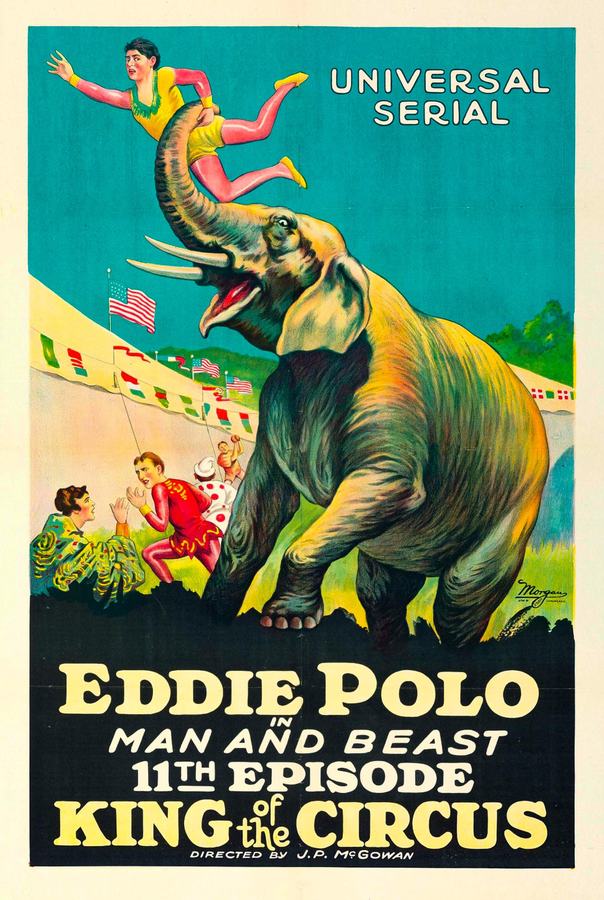
The flickering magic of silent cinema often found its most fertile ground in the grand, theatrical spectacle of the circus. It was a world perfectly suited to the medium: larger-than-life characters, exaggerated emotions, breathtaking visuals that transcended the need for spoken dialogue, and a perpetual undercurrent of both wonder and danger. In this rich tapestry, 'King of the Circus' emerges as a compelling, albeit perhaps under-appreciated, artifact. It doesn't merely present a series of acts; it plunges viewers into the very soul of the big top, exploring the ambition, betrayal, and resilience that define its inhabitants. The film, a product of a vibrant creative era, showcases how human drama could be amplified and distilled into a potent visual narrative, a testament to the collaborative genius of its cast and writer.
At the heart of this dramatic maelstrom is Lena, portrayed by the remarkably expressive Dorothy Hagan. Hagan, a luminary of her time, imbues Lena with a fierce independence and an almost ethereal grace that captivates from her first appearance. Her Lena is not merely an aerialist; she is the embodiment of the circus's true spirit, a beacon of artistry and daring in a world increasingly overshadowed by greed. Hagan navigates the emotional landscape of her character with a nuanced subtlety that belies the often broad strokes of silent film acting. Her gestures, her gaze, the very posture of her body convey a depth of feeling—hope, defiance, vulnerability—that resonates profoundly, even a century later. Her performance is a masterclass in non-verbal communication, a skill paramount in an era where the actor's face and physicality were the primary conduits of narrative. One might even draw parallels to the spirited heroines found in films like The Girl of Lost Lake, where female protagonists often defy societal expectations and personal peril with unwavering resolve.
Opposing Lena's radiant purity is the formidable Baron Von Klaus, brought to life with chilling authority by Frank Shaw. Shaw crafts a villain of theatrical grandeur, a man whose physical presence alone commands a sinister power. Von Klaus is not a subtle antagonist; he is a force of nature, driven by an insatiable hunger for control and wealth. Shaw’s performance is a study in silent film villainy, utilizing exaggerated expressions and menacing body language to project an aura of absolute dominance. He is the archetypal oppressive figure, a character type that often anchored the dramatic tension of the period, much like the formidable adversaries in The Royal Pauper. The contrast between Hagan's agile grace and Shaw's imposing bulk creates a visual and thematic dichotomy that fuels much of the film's conflict.
The romantic and dramatic currents are further complicated by Victor, the enigmatic strongman portrayed by Bruce Randall. Randall injects Victor with a compelling blend of raw power and brooding mystery. His character is a classic silent film hero: strong, honorable, yet burdened by a secret past that entwines him with the very antagonist he despises. Randall's screen presence is magnetic, a silent intensity that speaks volumes, drawing both Lena and the audience into his orbit. The development of his relationship with Lena, communicated through stolen glances and shared moments of peril, is a testament to the power of visual storytelling in conveying deep emotional bonds. This clandestine affection and underlying tension find echoes in other romantic dramas of the era, such as Secret Love, where unspoken desires often drive the narrative.
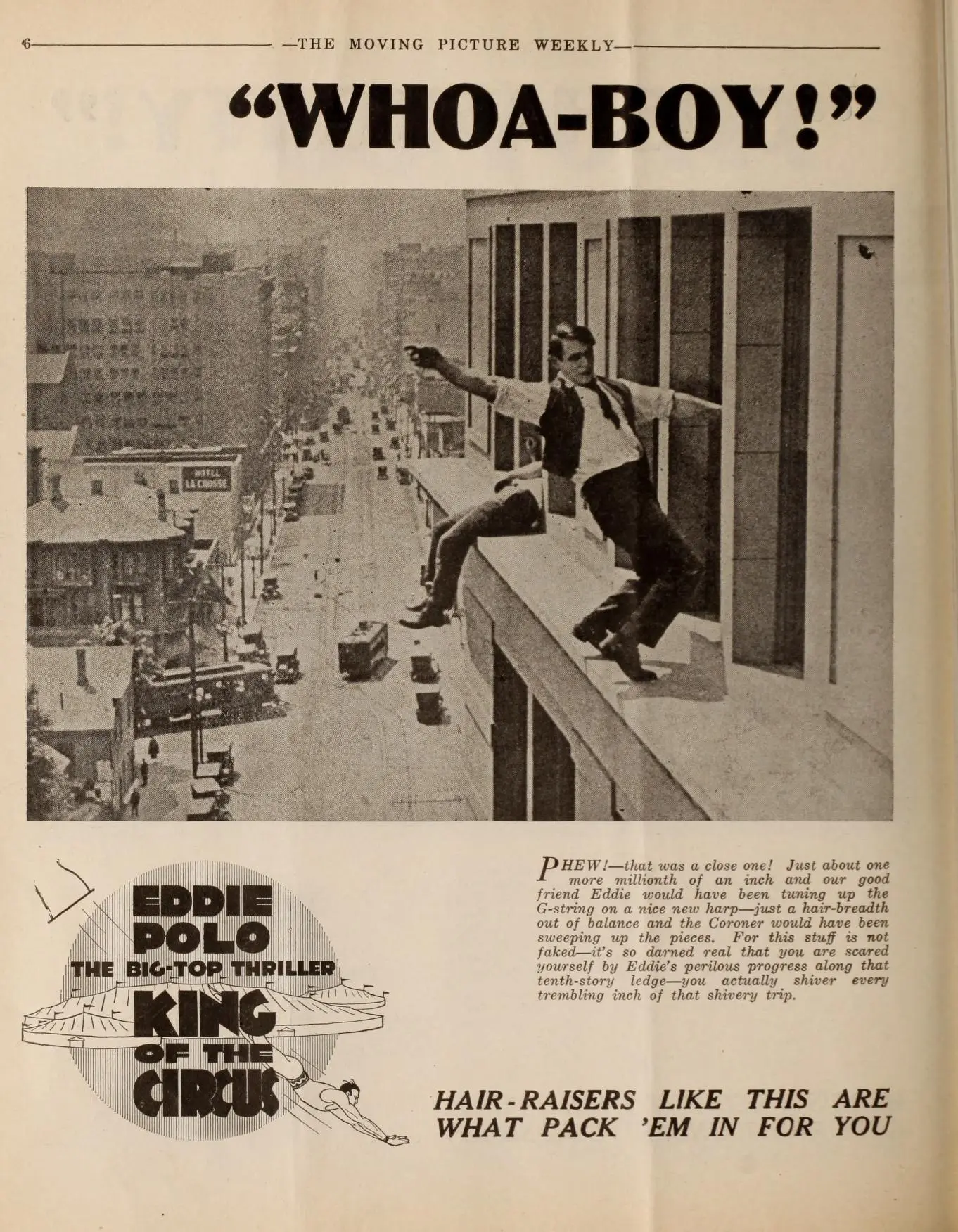
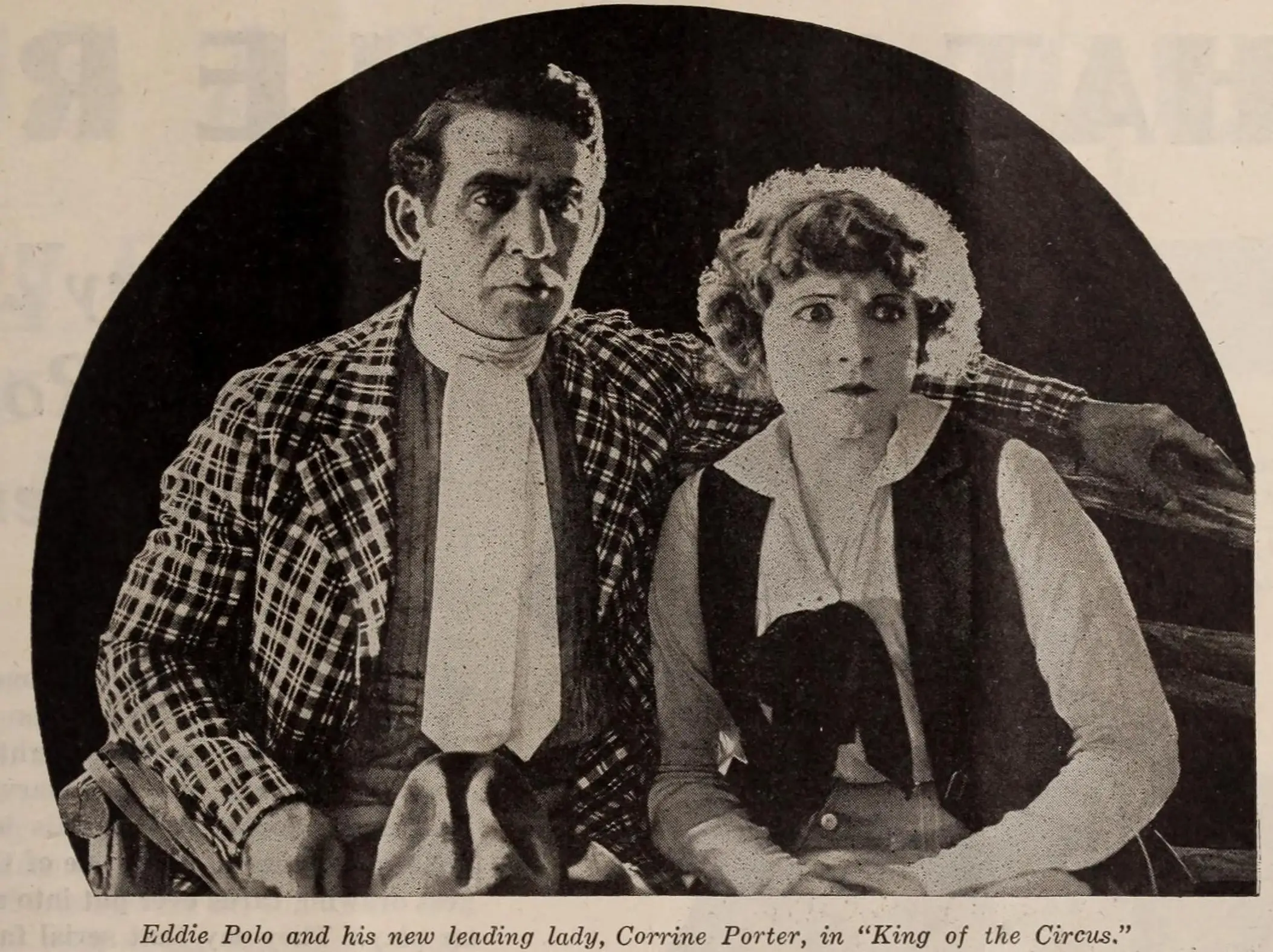
No circus drama is complete without a rival, and Kittoria Beveridge delivers a memorable turn as Zola, the jealous tightrope walker. Beveridge masterfully portrays Zola’s simmering resentment and cunning ambition, often through subtle facial contortions and calculated movements. Her character serves as a vital catalyst for much of the film’s intrigue, her machinations adding layers of psychological tension to the physical dangers of the big top. The ensemble is further enriched by a host of character actors, each contributing to the vibrant, lived-in feel of the circus world. Charles Fortune, as the shadowy financier, embodies the external threat to the circus's existence, a cold, calculating force contrasting with the passionate, often chaotic world of the performers. Veterans like Tom London and J.P. McGowan, with their seasoned presence, lend authenticity to the supporting roles, portraying the grizzled veterans and loyal employees who form the backbone of the struggling troupe. Harry Madison, Corrine Porter, Jay Marchant, J.J. Bryson, Jack Newton, Eddie Polo, and Viola Tasma, though perhaps in less prominent roles, collectively create a believable microcosm of circus life, their individual contributions painting a fuller picture of camaraderie and conflict.
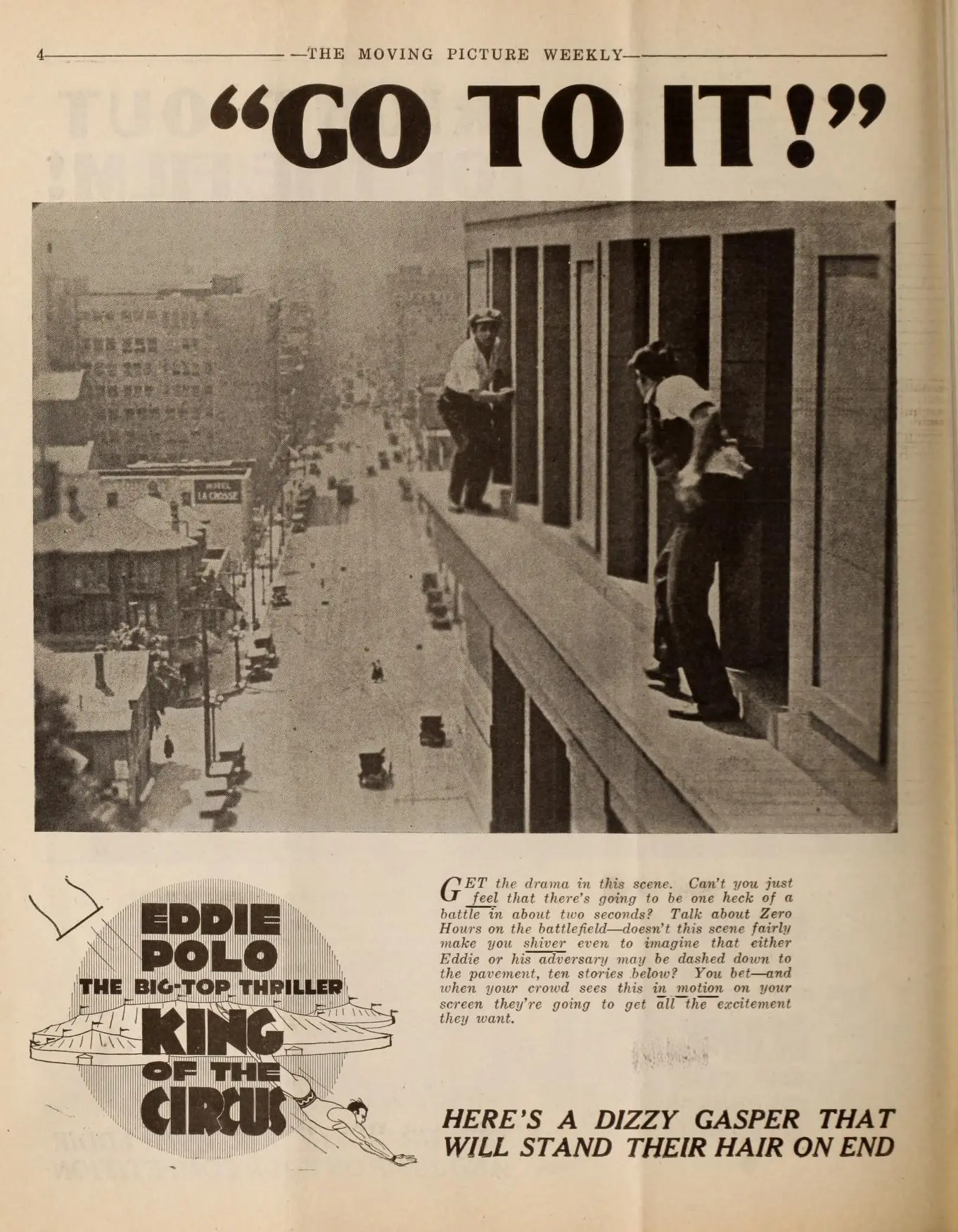
The narrative's robust framework is the brainchild of Anthony Coldeway, a prolific writer who understood the unique demands of silent storytelling. Coldeway's screenplay for 'King of the Circus' is a masterclass in constructing compelling character arcs and escalating dramatic tension without relying on spoken dialogue. He crafts a world where motivations are clear, even when secrets are kept, and where every visual cue serves to advance the plot or deepen character understanding. His knack for creating perilous situations and intertwining personal stakes with the fate of an entire institution is evident throughout. The precision with which he balances the grand spectacle of the circus acts with the intimate emotional struggles of the characters is remarkable, demonstrating a keen understanding of pacing and audience engagement. Coldeway’s ability to weave together themes of ambition, loyalty, and redemption into a cohesive and thrilling narrative positions him as a significant figure in the silent era, his work often showcasing a profound empathy for the human condition, similar to the intricate plots found in dramas like The Unforseen, where destiny and individual will collide.
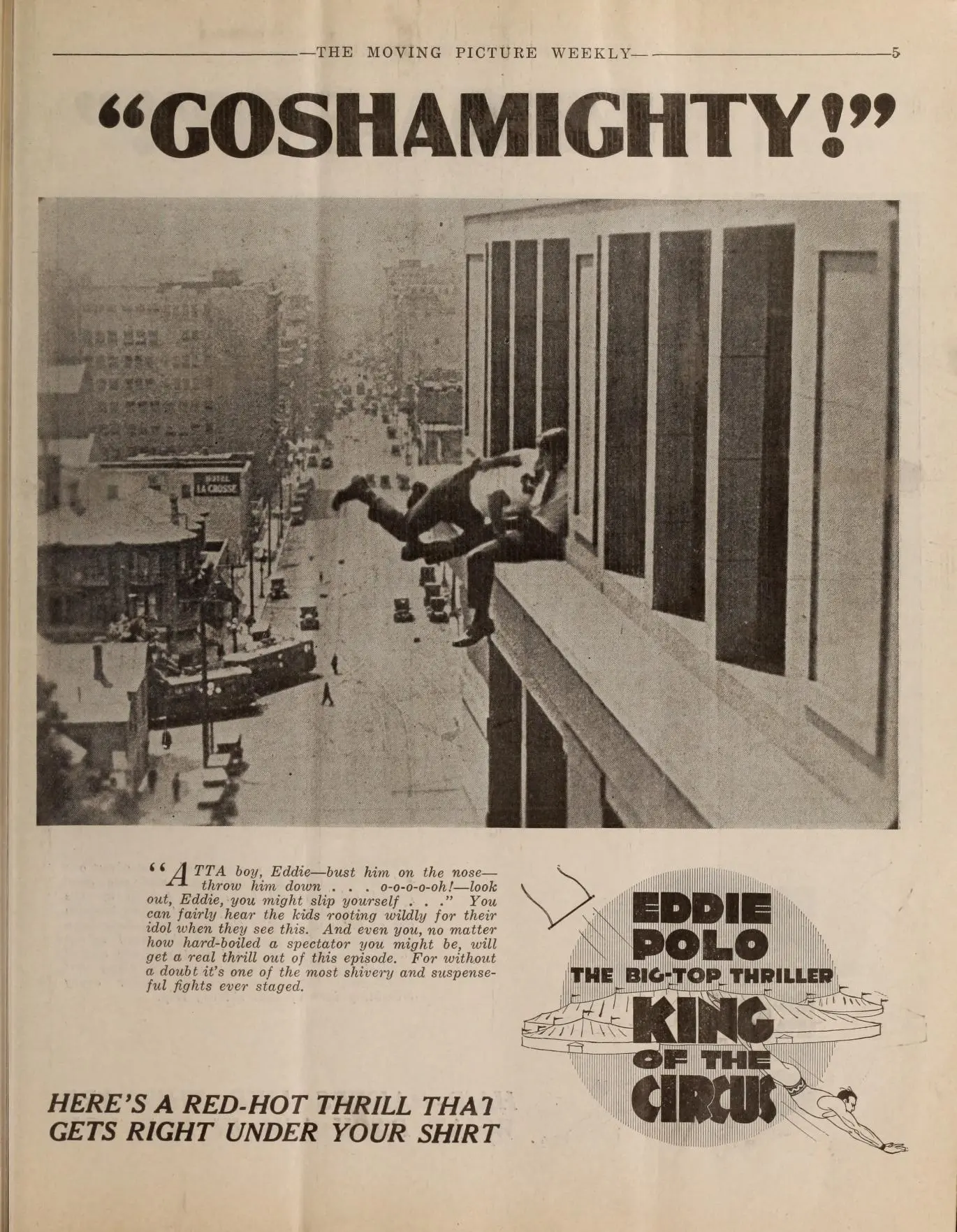
Beyond its thrilling plot, 'King of the Circus' explores profound thematic territory. The circus itself serves as a potent metaphor for life's inherent illusions and harsh realities. On one hand, it's a place of dazzling spectacle, where gravity-defying feats and exotic creatures transport audiences to a realm of pure fantasy. On the other, it's a grueling, cutthroat business, fraught with financial peril, personal rivalries, and the constant threat of injury. The film masterfully juxtaposes these two facets, highlighting the immense effort and sacrifice required to maintain the illusion of effortless magic. Lena's struggle to save the circus is not just about financial solvency; it's about preserving a way of life, an art form, and the dreams of her fellow performers. This battle against overwhelming odds, both personal and professional, resonates with the core struggles depicted in films like The Battle of Life, where characters grapple with existential challenges.
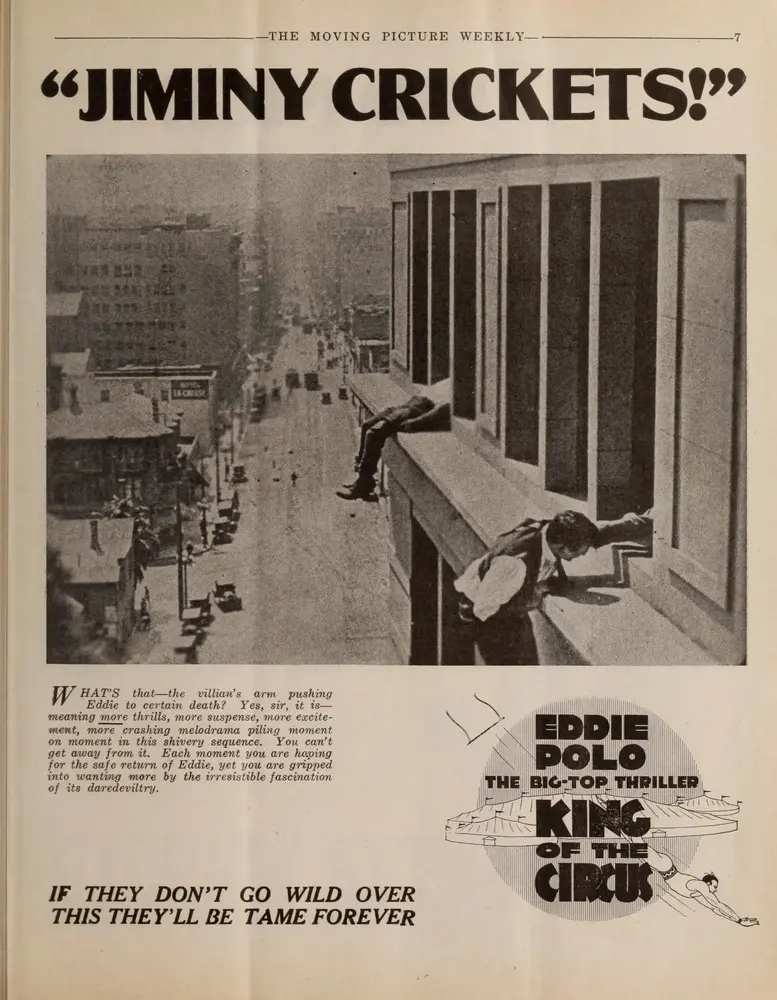
The theme of true heroism versus manufactured celebrity is also central. Baron Von Klaus holds the title of 'King,' but it is Lena, through her courage, integrity, and self-sacrifice, who embodies the true essence of leadership and the indomitable spirit of the circus. Her climactic, unprecedented aerial stunt becomes a powerful symbol of defiance and hope, a visual metaphor for overcoming seemingly insurmountable obstacles. The film’s exploration of loyalty and betrayal, particularly through Victor's hidden agenda and Zola's duplicity, adds a layer of moral complexity, forcing characters and audience alike to question appearances and motivations. This intricate dance of trust and deception, where a person’s true character is revealed under pressure, is a narrative device that often elevates silent dramas, creating suspense akin to the unraveling mysteries in The House of Mystery.
While specific technical details are often lost to time for such early films, one can infer much about the cinematic craft employed in 'King of the Circus'. The cinematography, undoubtedly striving for both grandeur and intimacy, would have utilized long shots to capture the vastness of the big top and the scale of the acts, while close-ups would have been crucial for conveying the raw emotions of the performers. The interplay of light and shadow, a hallmark of silent era aesthetics, would have been particularly effective in the atmospheric setting of a circus tent, creating dramatic contrasts and emphasizing moments of suspense or revelation. Imagine the spotlight on Lena during her perilous stunt, a solitary figure against a vast, dark expanse, or the chiaroscuro effect on Von Klaus’s sinister face. The editing would have been vital in pacing the narrative, cutting rapidly during action sequences to heighten excitement and lingering on emotional beats to allow the audience to absorb the silent performances. The set design, even if modest by today's standards, would have been meticulously crafted to evoke the specific charm and grit of a traveling circus, from the opulent costumes to the utilitarian backstage areas.
The absence of spoken dialogue in silent films demanded a heightened sense of visual literacy from both filmmakers and audiences. Every prop, every gesture, every intertitle was a carefully chosen element in a complex visual language. The live musical accompaniment, an indispensable component of the silent film experience, would have further enriched the viewing, its soaring melodies and dramatic crescendos underscoring the on-screen action and emotion. This synergy between image and music transformed a simple screening into an immersive, multi-sensory event, a communal storytelling ritual. The film, in its very structure, acts as a time capsule, offering a glimpse into the entertainment sensibilities of its era, reflecting a public captivated by both daring feats and deeply human dramas.
While 'King of the Circus' might not possess the household name recognition of some other silent era masterpieces, its enduring appeal lies in its potent blend of spectacle and heartfelt drama. It stands as a testament to the versatility and artistry of silent filmmaking, proving that compelling narratives and memorable characters could be crafted without uttering a single word. The film, through its exploration of the human spirit's capacity for both cruelty and courage, remains relevant, its themes transcending the confines of its historical context. For those interested in the evolution of cinema, or simply in a captivating story well told, a rediscovery of 'King of the Circus' offers a rewarding journey back to an era when pictures truly spoke a thousand words. It reminds us that the fundamental elements of storytelling – compelling characters, dramatic conflict, and a satisfying resolution – are timeless, regardless of technological advancements. Its place in the pantheon of circus-themed films, a genre that continues to fascinate audiences, is secure, offering a foundational example of how such grand narratives were first brought to the silver screen.
IMDb 5.5
1918
Community
Log in to comment.